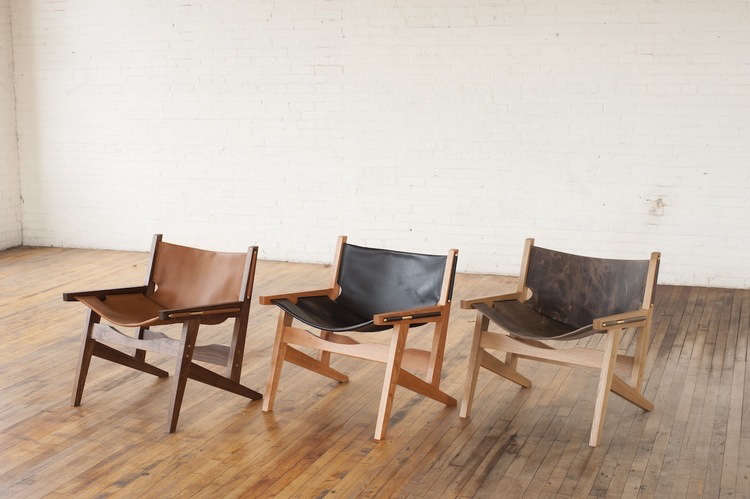

The Peninsula Chair is the kind of lounge chair that looks calm even before anyone sits down. Designed by Benjamin Klebba with Matt Pierce for Phloem Studio, it pairs a solid wood frame with a leather sling seat and brass hardware, creating a look that feels both handcrafted and sharply modern. The chair has been described in design coverage as an updated take on the classic sling chair, with proportions that lean relaxed rather than rigid.
If you have ever wanted a chair that can hold its own next to a vintage credenza, a clean-lined sofa, or a minimalist reading lamp, this one makes a strong case. It has enough character to look special, but not so much drama that it starts bossing the room around. That balance is exactly why the Peninsula Chair keeps showing up in design features and curated product roundups over the years.
What the Peninsula Chair is
At its core, the Peninsula Chair is a lounge chair built around a sling concept: the seat is a piece of leather suspended within a shaped wood frame. Phloem Studio’s own description emphasizes the handcrafted solid wood structure, the heavy-weight bridle leather sling, and exposed solid brass rods and screws. The official product page also notes that the brass can be finished in polished or blackened versions, and the leather options include black and chestnut bridle leather, with other colors available by request.
That construction gives the chair a very honest personality. You can see how it is made, which is part of the appeal. Rather than hiding the joinery, the design celebrates it. Architectural coverage described the frame as tilting slightly inward to balance the visual weight, while other design write-ups point out that the limbs spiral and taper outward, giving the silhouette a sense of movement instead of stiffness.
Why the design works so well
Wood, leather, and brass in the right proportions
Many chairs rely on one material to do all the work. The Peninsula Chair uses three, and each one earns its keep. The wood brings warmth and structure, the leather brings comfort and age, and the brass adds a crisp detail that keeps the piece from sliding into rustic nostalgia. In the official description, the sling is meant to “hug” the sitter while the arms stay low and the posture stays laid back. That is a very polite way of saying the chair wants you to slow down.
There is also a smart bit of visual engineering happening here. The inward-tilting frame helps the chair look grounded without appearing heavy. The result is a piece that feels architectural, but still approachable. Dwell even noted that the chair can be ordered in a black version for a sleeker look, and that the whole chair is held together by eight brass screws. Small detail, big payoff.
A sling chair with a modern point of view
Sling chairs are not new, and that is part of the fun. Dwell identified the Peninsula Chair’s inspiration as an original sling chair design by Jerry Johnson, while Phloem Studio’s version refines the idea with tighter geometry and more refined materials. In other words, it respects the old idea while cleaning up the visual clutter.
That makes the Peninsula Chair easy to place in homes that mix eras. It can sit in a midcentury room, a loft, a renovated bungalow, or even a more rustic space that needs one polished object to keep things from feeling too cabin-like. Remodelista highlighted it in rooms with dark wood and neutral palettes, which makes sense because the chair can bridge warm and modern without forcing the issue.
Dimensions, materials, and buying basics
The Peninsula Chair is not a giant lounge chair, and that is one reason it is so usable. Remodelista lists the dimensions at 29 inches tall, 27 inches wide, and 25 inches deep, which puts it in a compact-to-moderate footprint for a statement chair. The same product listing notes that it was designed in 2013 and that it is available in domestic hardwoods or ebonized ash with leather in earth tones or black. Phloem Studio’s own collection page also lists the Peninsula Chair as price upon request.
That matters because the chair is not trying to be an impulse buy. It is more of a considered purchase, the kind of piece that usually ends up in a reading corner, a primary bedroom retreat, a library, or a living room that already has the basics and now needs a focal point. The made-to-order nature also means the buyer is choosing a piece with a custom-furniture mindset rather than a grab-it-and-go mentality.
How to style the Peninsula Chair
Styling this chair is refreshingly simple: give it room to breathe. A narrow side table, a floor lamp with a warm shade, and a textured rug are often enough. Because the chair already mixes wood, leather, and brass, it plays best with materials that feel honest and tactile. Think wool, linen, oak, walnut, ceramic, stone, and matte metal rather than glossy surfaces that compete with it. That is less of a rule and more of a survival guide for your eye.
In a room with a lot of straight lines, the Peninsula Chair adds a softer curve through the sling seat and the tapered frame. In a room with lots of curves already, it provides structure through the visible joinery and the linear brass accents. Either way, it gives the room a sense of intention. The chair is not background furniture; it is the kind of object that says, “Yes, someone actually thought about this corner.”
Where it fits best
Design coverage suggests that the Peninsula Chair works especially well in living rooms with dark wood, modern-rustic interiors, and spaces that mix vintage and contemporary furnishings. Remodelista used it in a Portland home with a collected, easygoing feel, and another Remodelista feature placed it inside a midcentury-inspired renovation. Those settings are useful clues: the chair likes company, but only the right kind of company.
It is also a strong candidate for a quiet corner. Not every chair needs to be the star of a full seating arrangement. Some pieces do better when they are treated like a destination. Put the Peninsula Chair beside a bookshelf, a record player, or a window with good light, and it starts to feel less like an object and more like a ritual.
How it compares with other leather sling chairs
There are plenty of leather sling chairs on the market, but the Peninsula Chair has a more refined and sculptural presence than the average camp-chair-inspired lounge seat. Remodelista grouped it with several leather sling and South American-style chairs, which is a useful way to see its place in the broader category: it belongs to a family of relaxed chairs, but it has a more tailored finish than many of its cousins.
3rings described the slings as easily interchangeable and noted that the entire chair comes apart with eight oval-head brass machine screws, which gives it a level of serviceability that many design-forward chairs do not bother with. That is a practical advantage disguised as elegance. It means the chair is not just beautiful to look at; it is engineered with maintenance in mind.
What to know before you buy
- The chair is best understood as a lounge piece, not a dining chair or office task chair.
- The materials are the story: wood, bridle leather, and brass are what give it presence and longevity.
- It is made to order, so it suits buyers who value design detail and are willing to wait for a custom piece.
- Its compact footprint makes it versatile, but the shape still deserves breathing room.
Experiences related to the Peninsula Chair
One of the easiest ways to understand a chair like this is to imagine how it behaves over time in a real home. On day one, the Peninsula Chair tends to impress people with its silhouette. On day thirty, it wins them over with comfort. On day three hundred, it starts to become part of the room’s character. That slow reveal is one reason handcrafted seating often ages better in memory than mass-produced furniture does. The chair does not need to shout to be noticed; it keeps earning attention through use.
In everyday life, the first thing people usually notice is the leather. Bridle leather has a personality that upholstery fabric cannot fake. It changes with touch, temperature, light, and time. A leather sling chair can feel firm at first and then gradually settle into a more welcoming shape. That means the chair becomes more “yours” the longer you live with it. If you enjoy furniture that ages visibly, the Peninsula Chair fits that instinct very well. If you prefer furniture that looks frozen in showroom condition forever, leather probably has other plans.
The next thing people discover is that the chair changes a room without taking it over. That is a valuable skill. In a smaller space, a bulky accent chair can look like it arrived with a moving truck and never left. The Peninsula Chair feels lighter because of its open frame, but it still reads as substantial because the materials are so confident. It gives you a place to sit and a place for the eye to rest. Those are not the same thing, and good design knows the difference.
There is also a social side to owning a chair like this. Guests tend to ask about it. Design-forward furniture does that when it is just unusual enough to be interesting but not so strange that it becomes a joke. The Peninsula Chair sits comfortably in that sweet spot. It feels like a piece with a story, which makes it a conversation starter without turning the living room into a showroom. That balance is harder to achieve than it looks.
Comfort is another long-term lesson. A sling chair can look inviting and still disappoint once you actually sit down. The Peninsula Chair avoids that trap by pairing the suspended leather seat with low arms and a laid-back angle. The result is a chair that supports reading, conversation, and lingering in a way that feels natural rather than formal. It invites a slightly slower pace, which is perhaps the best compliment a lounge chair can receive.
Maintenance is the part people forget until they own one. A chair with leather, brass, and wood asks for a little care, but not the dramatic kind. It wants dusting, reasonable humidity, and common sense. It benefits from being kept out of harsh direct sun, not because it is delicate, but because good materials deserve better than unnecessary stress. This is the practical tradeoff for owning something handsome: a little stewardship in exchange for a lot of visual satisfaction.
In a long-term home setup, the Peninsula Chair also works well as a “pause button” in the floor plan. Set it near a bookshelf and it becomes a reading chair. Place it by a window and it becomes a thinking chair. Put it in a bedroom and it becomes a place to land at the end of the day. That flexibility is why the design feels more useful than decorative. A good chair should earn its floor space, and this one does it with quiet confidence.
Perhaps the most satisfying part of the Peninsula Chair experience is that it rewards attention without demanding it. The joinery, the brass, the inward tilt, the leather sling, and the visible structure all reveal themselves gradually. That makes the chair feel alive in a way that flat, anonymous seating never can. You do not simply use it; you get to know it. And in the world of furniture, that is a pretty rare trick.
Conclusion
The Peninsula Chair stands out because it gets the basics right and then adds character in all the right places. It is compact, sculptural, and warm, with a handcrafted feel that never turns fussy. For anyone looking for a leather sling lounge chair that can anchor a room without overwhelming it, this is a strong, design-savvy choice.
SEO metadata, summarized from the article above: