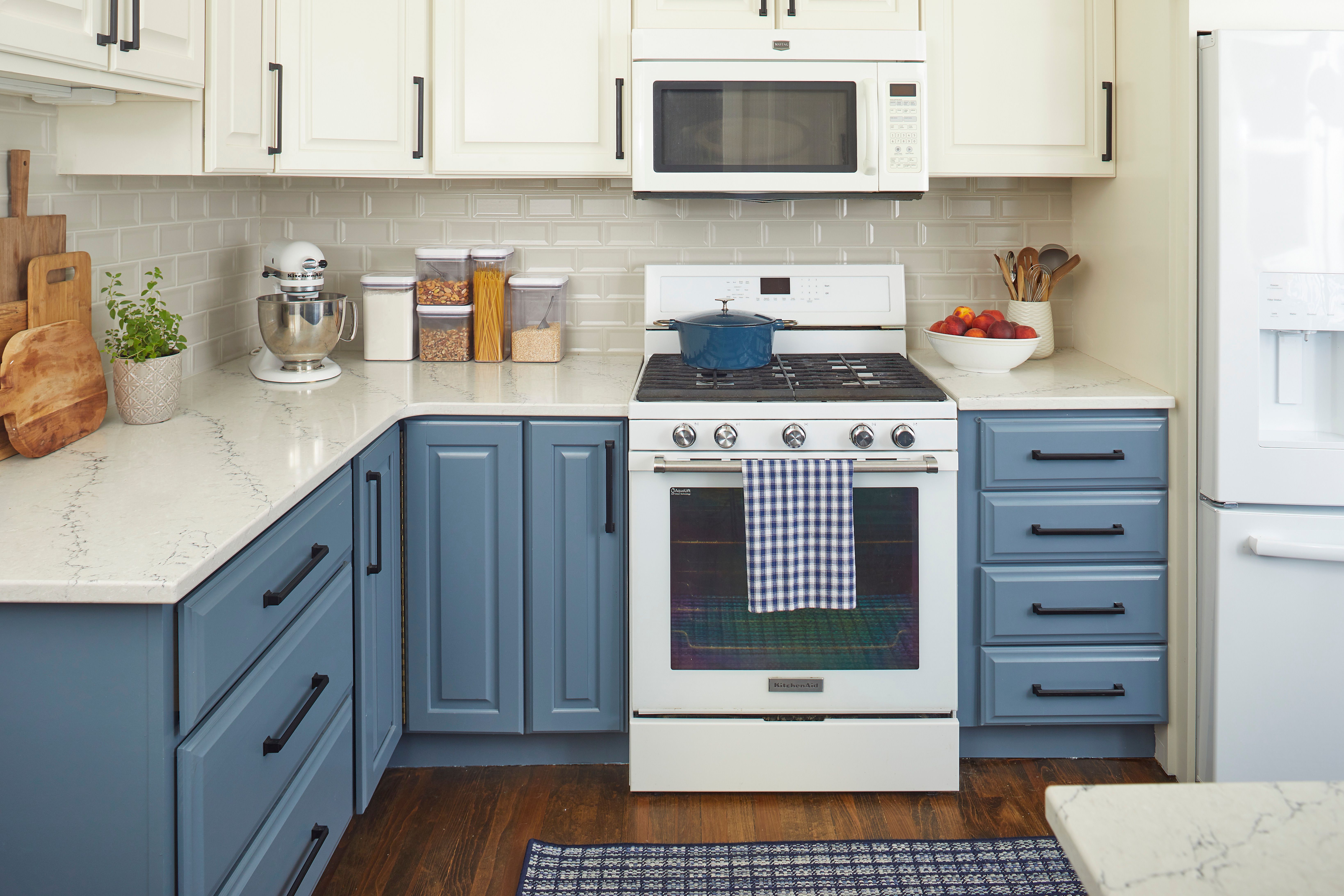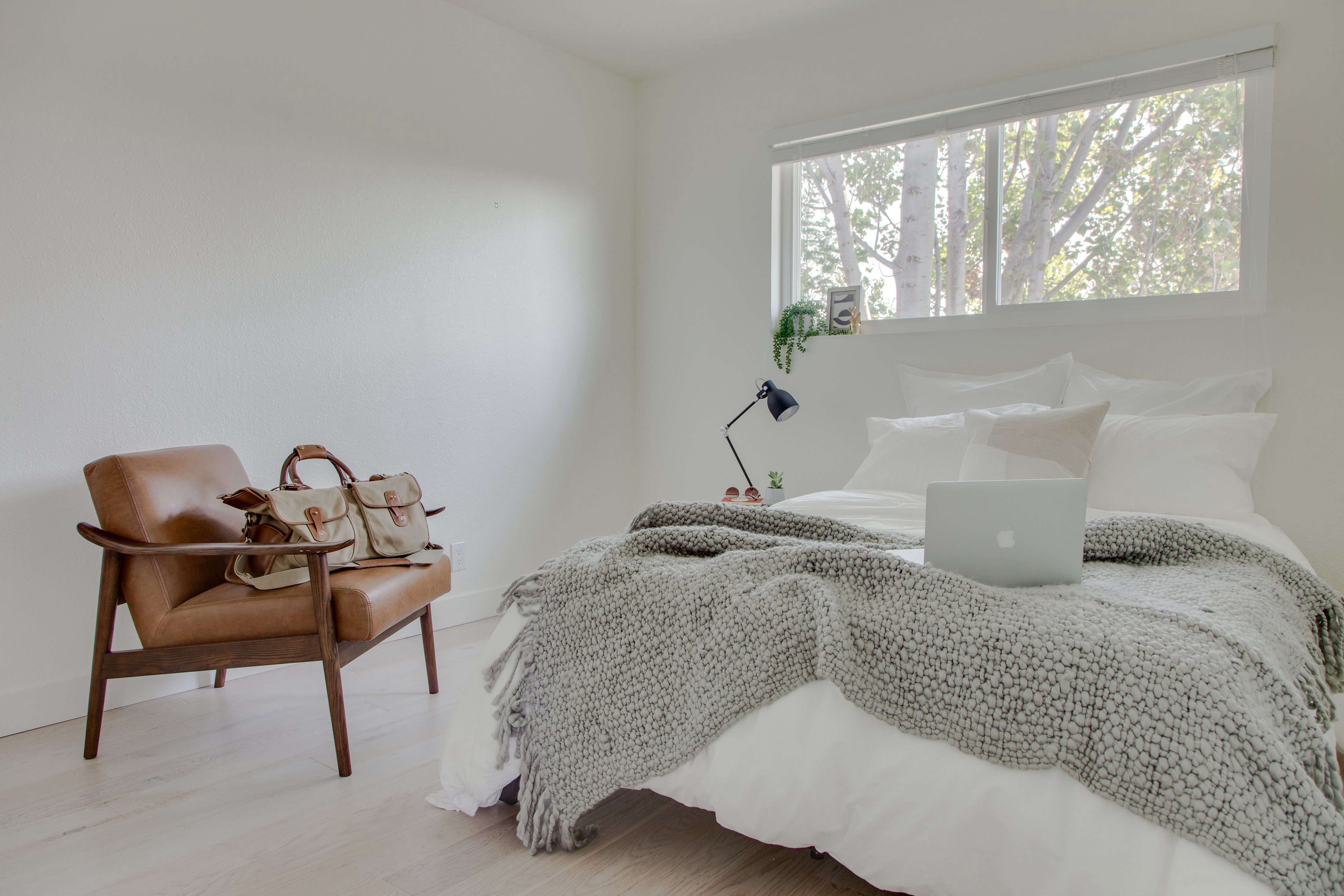
Expert Advice: 11 Ideas for an Elevated Dorm Room from Brooklyn’s Top Co-Living Designer

A dorm room is basically a tiny apartment with training wheels: one bed, one desk, one closet that seems designed by someone who has never owned a winter coat, and lighting that says, “Welcome to the DMV.” But a small space can still feel stylish, grown-up, personal, and wildly more comfortable than the default cinder-block-and-linoleum situation.
The smartest dorm room ideas often come from the world of co-living design. Why? Because co-living designers spend their days making compact bedrooms, shared kitchens, communal lounges, and tight storage zones feel calm, useful, and intentional. Brooklyn-based co-living spaces, especially those shaped by design leaders like Sophie Wilkinson of Common, helped popularize a practical philosophy: private rooms should feel restful, shared spaces should reduce friction, and every square inch should earn its keep.
That approach translates beautifully to college housing. You do not need a trust fund, a custom millworker, or a suspicious number of matching throw pillows to create an elevated dorm room. You need a plan, a flexible layout, good storage, soft lighting, and decor that says “I live here” rather than “my suitcase exploded and gave up.” Below are 11 expert-inspired ideas for turning a dorm room into a small but mighty home base.
1. Start with a Real Plan Before You Buy Anything
The first rule of elevated dorm room design is painfully unglamorous: measure first. Before buying a rug, storage bins, peel-and-stick wallpaper, or that moon-shaped lamp you saw at 1:13 a.m., check your school’s housing rules, mattress size, furniture dimensions, and wall policy. Most dorms limit nails, paint, candles, heavy appliances, and furniture swaps. Some allow bed lofting; others treat it like an extreme sport.
Co-living designers plan around friction points before residents move in. Students should do the same. Talk to your roommate about shared items, color preferences, sleep schedules, and who is bringing what. Two mini fridges, zero trash cans, and a dramatic argument about neon lighting is not a design conceptit is a freshman orientation side quest.
Design move to steal
Create a shared checklist with categories: sleeping, studying, storage, cleaning, food, decor, and shared appliances. Then mark each item as “mine,” “yours,” or “shared.” The room will feel more intentional before a single box is unpacked.
2. Build the Room Around the Bed
In most dorm rooms, the bed is not just a bed. It is a sofa, reading nook, guest lounge, snack zone, emotional support island, and occasional laundry mountain. Since it dominates the room visually and functionally, make it the anchor of the design.
Choose bedding that is comfortable, washable, and polished. A duvet cover, quilt, or coverlet is easier to clean than a bulky comforter. Twin XL sheets are usually the safest bet, though always confirm with your school. Add a supportive backrest pillow or upholstered headboard alternative so the bed works for studying and relaxing, not just collapsing after a biology lab.
For an elevated dorm room, think layers rather than chaos. A fitted sheet, duvet or quilt, one textured throw, and two or three pillows can look finished without turning the bed into a decorative obstacle course. Your future self will appreciate not having to relocate twelve pillows every night like a tiny hotel employee.
3. Use Under-Bed Storage Like a Tiny Apartment Pro
Co-living rooms often rely on hidden storage because visible clutter makes a small bedroom feel smaller. Dorm rooms are no different. The space under the bed is prime real estate, especially if your bed can be raised or lofted safely according to campus rules.
Use clear bins for seasonal clothes, extra towels, shoes, snacks, school supplies, or bedding. If the bed is high enough, stackable drawers can act like a second dresser. If the bins look messy, add a clean bed skirt or simple fabric panel to hide the storage wall. This one move can make a room feel calmer instantly.
What to store underneath
Keep daily-use items near the front and deep-storage items in the back. Shoes, laundry supplies, and extra toiletries should be easy to reach. Halloween costume pieces, backup notebooks, and that hoodie you insist is “for layering” can live farther back.
4. Go Vertical, Because the Floor Is Already Busy
Small rooms become overwhelming when everything sits at eye level or on the floor. The solution is vertical storage. Use removable wall hooks, over-the-door organizers, hanging shelves, magnetic boards, and desk hutches where allowed. The goal is to create storage zones without stealing precious walking space.
Wall hooks can hold bags, headphones, towels, hats, keys, lanyards, and lightweight decor. Over-the-door organizers are useful for shoes, toiletries, cleaning supplies, hair tools, snacks, or rolled T-shirts. A rolling cart can slide beside a bed, desk, or closet and work as a nightstand, coffee station, art supply tower, or “miscellaneous life items” command center.
Vertical design also helps a dorm feel taller and more finished. Hang art slightly higher, place a mirror where it reflects light, and use tall, slim storage rather than wide pieces when possible.
5. Create a Real Entry Zone, Even If It Is Tiny
One of the best co-living design lessons is to reduce daily friction. In a dorm, that means creating a landing zone by the door. Even if your “entryway” is a 14-inch strip of wall and a dream, make it work.
Add removable hooks for a jacket, tote, umbrella, or backpack. Place a small mat near the door if your school allows it. Use a narrow basket for shoes or slippers. Add a small mirror if there is room. This tiny entry zone prevents the classic dorm habit of dropping everything onto the bed, where it immediately becomes part of the furniture.
A good entry setup also helps keep dirt, rain, and hallway mystery dust from spreading into the sleeping area. Your bed deserves better than becoming a shoe-adjacent platform.
6. Upgrade Lighting Without Annoying Your Roommate
The default dorm ceiling light has one personality: interrogation. Elevated dorm design needs layers of light. Use task lighting for studying, ambient lighting for relaxing, and small directional lights for nighttime routines.
A desk lamp with adjustable brightness is essential. A clip-on bed lamp is useful when your roommate is sleeping. LED strips, paper lanterns, or string lights can add warmth, but check campus rules first. Some residence halls restrict certain bulbs or plug-in lighting. Battery-operated puck lights or motion-sensor lights can be great in closets and under lofted beds.
Lighting formula
Use one bright work light, one soft ambient light, and one small personal light. That combination makes the room feel flexible, cozy, and much less like a storage closet with tuition.
7. Choose a Calm Color Palette, Then Add Personality
An elevated dorm room does not have to be beige. It also does not need seven competing aesthetics fighting for custody of the wall. The best approach is to choose a simple base palette and layer personality through art, pillows, a throw, photos, books, and small objects.
Soft neutrals, warm whites, sage green, dusty blue, terracotta, charcoal, and natural wood tones tend to work well in small rooms because they do not visually shrink the space. If you love bold color, use it intentionally: a patterned quilt, a colorful rug, framed prints, or a statement pillow can carry the room without overwhelming it.
If you and your roommate have different styles, choose one shared neutral base and let each side of the room express individual taste. Matching is optional. Coordination is enough. Think cousins at a wedding, not identical twins at a talent show.
8. Use Removable Decor to Hide the Dorm-ness
Most dorm rooms come with a few design challenges: cold walls, old furniture, open closets, awkward desks, and surfaces that have seen several generations of instant noodles. Removable decor can soften all of that without risking your housing deposit.
Peel-and-stick wallpaper can create an accent wall, cover a desk back panel, or freshen the inside of a closet. Removable adhesive strips can hold lightweight frames, fabric art, posters, or cork boards. Tension rods and curtain panels can hide an open closet or under-bed storage. Washi tape can frame posters without damaging paint.
The secret is restraint. One peel-and-stick moment looks chic. Covering every surface can look like the room lost a fight with a craft store.
9. Add Storage That Doubles as Seating
Co-living rooms often rely on multi-use pieces because space is limited and people need options. Dorm rooms benefit from the same trick. A storage ottoman can hold extra blankets, gaming gear, snacks, or shoes while doubling as guest seating. A sturdy bench at the foot of a bed can become a drop zone, step stool, or storage piece if space allows.
Choose pieces that tuck away easily. Folding stools, nesting bins, collapsible hampers, and soft-sided storage cubes are helpful because they can adapt as your needs change. The best dorm furniture does not demand attention. It quietly does three jobs and minds its business.
10. Make the Desk a Study Zone, Not a Junk Drawer with Legs
Your desk should support focus, not silently accuse you every time you walk by. Keep the surface as clear as possible. Use vertical file holders, small drawer organizers, a pencil cup, and a tray for daily essentials. A desk shelf can add a second level for books, plants, or supplies without crowding the writing area.
Good desk design also includes cable control. Use cord clips, labeled chargers, and a power strip if your school allows it. Keep cords off the floor when possible to reduce tripping and visual clutter. A clean desk makes a dorm room feel more adult immediately, even if there is a half-eaten granola bar somewhere nearby living its best life.
Focus-friendly tip
Keep only current-class materials on the desk. Store older notebooks, backup paper, and extra supplies in bins or drawers. A clear surface tells your brain, “We can handle this,” which is exactly the kind of emotional interior design we support.
11. Bring in Life with Plants, Texture, and Personal Objects
An elevated dorm room should not feel like a showroom. It should feel like you. Plants, real or faux, add softness and texture. Low-maintenance options like pothos, snake plants, ZZ plants, or succulents can survive typical dorm conditions if light is decent. If your schedule is chaotic, faux greenery is allowed. Nobody is grading your botanical authenticity.
Texture makes a room feel layered: a woven basket, knit throw, soft rug, linen-look curtains, cork board, wood tray, or ceramic mug can make even institutional furniture feel warmer. Personal items matter too. Bring a few photos, postcards, favorite books, small art prints, or meaningful objects from home. The key is editing. A few personal pieces feel charming; fifty tiny objects can become a dust convention.
How to Make Shared Dorm Living Feel More Designed
The co-living mindset is not just about furniture. It is about making shared life easier. In a dorm room, that means designing for boundaries, routines, and respect. Create visual zones so each roommate has a clear side. Use separate hampers, separate storage bins, and separate desk supplies. Agree on cleaning habits before the trash can becomes a science project.
Shared items should have shared homes. If you have one microwave, one vacuum, one broom, or one snack cart, decide where it lives. Label bins if needed. Keep the floor clear enough that both people can move around without performing a nightly obstacle course.
Privacy is also part of good design. A tension-rod curtain, folding screen, tall shelving unit, or even smart bed placement can help create a little separation. You do not need to build a fortress. You just need a sense of “my zone” and “your zone,” especially during exams, video calls, or those mysterious days when everyone needs silence and carbohydrates.
Budget-Friendly Ways to Elevate a Dorm Room
A stylish dorm room does not require luxury spending. In fact, dorm design is better when it stays practical. Focus your budget on the pieces you touch every day: bedding, lighting, storage, and a rug. These items make the biggest difference in comfort and appearance.
Save money by shopping secondhand for baskets, lamps, frames, trays, and small decor. Use printable art or postcards instead of expensive wall pieces. Choose neutral storage bins that can move with you to future apartments. Avoid overspending on ultra-trendy items that may feel tired by Thanksgiving.
The most elevated spaces usually come from editing, not buying. Remove duplicates. Hide clutter. Coordinate colors. Add warmth. Make the bed. Suddenly the room looks designed, and all you did was stop treating the chair like a closet with legs.
Safety and Practical Rules Before Decorating
Before installing anything, read the housing handbook. Use damage-free hooks within their weight limits. Do not block windows, vents, sprinklers, smoke detectors, or exits. Avoid overloaded outlets and tangled extension cords. Skip candles and open flames entirely; flameless LED candles provide the cozy glow without turning move-in weekend into a fire drill.
Wash bedding regularly, take out trash often, and keep food sealed. A beautiful dorm room still needs basic maintenance. Even the chicest storage basket cannot save a room from forgotten leftovers.
Personal Experience: What Actually Makes a Dorm Room Feel Elevated
The biggest lesson from real dorm living is that “elevated” does not mean perfect. A dorm room has to survive late-night studying, snack spills, laundry delays, roommate schedules, and the strange gravitational pull that causes every hoodie to land on the desk chair. A truly good dorm room is forgiving. It looks nice on a normal Tuesday, not just in a move-in-day photo.
One of the most effective upgrades is creating a morning-and-night routine zone. Keep your towel, shower shoes, toiletries, robe, and laundry bag in one organized area. When everything has a place, leaving for an 8 a.m. class feels slightly less like being launched from a cannon. A small caddy, hook, and hamper can change the entire rhythm of the room.
Another experience-based tip: do not underestimate the rug. A dorm rug instantly softens tile or industrial carpet, reduces noise, and gives the room a defined center. Choose low-pile, washable, or easy-clean materials. A light-colored shag rug may look dreamy online, but dorm life is not always kind to dreamy. Between coffee, shoes, highlighters, and friends dropping by, durability wins.
Lighting is another make-or-break detail. Students often buy decor first and lamps later, but the order should be reversed. Good lighting changes everything: how you study, how you relax, how the room photographs, and how your nervous system feels after a long day. A warm desk lamp and soft bedside light can make the room feel calmer within minutes.
Storage also works best when it matches habits. If you never fold clothes perfectly, do not design a system that requires perfect folding. Use bins, baskets, and drawers that make cleanup easy. If you always drop your backpack near the door, put a hook or basket there. Good design is not about becoming a different person. It is about making your actual behavior look a little more organized.
Finally, leave room for the semester to evolve. Do not fill every inch on day one. You may discover that your desk needs more storage, your closet needs better lighting, or your bed works better against a different wall. Dorm life teaches flexibility quickly. The best rooms are built in layers: essentials first, comfort second, personality third, and impulse purchases only after you know where they will actually go.
Conclusion
An elevated dorm room is not about copying a showroom or winning a social media makeover contest. It is about designing a small shared space that supports sleep, study, friendship, privacy, and daily sanity. The best ideas from Brooklyn co-living design are practical: plan ahead, reduce friction, use vertical storage, invest in comfort, and make shared living easier.
Start with the bed, tame the clutter, soften the lighting, and build a room that reflects your personality without overwhelming the space. When every item has a purpose and every zone has a job, even a basic dorm can feel polished, cozy, and surprisingly grown-up. And yes, making the bed still helps. Annoying, but true.
Note: This article is written as original, publication-ready content and synthesizes real dorm design, small-space living, storage, lighting, and co-living principles from reputable U.S. home and design sources. Students should always check their specific campus housing rules before installing decor, lighting, furniture risers, or removable wall treatments.