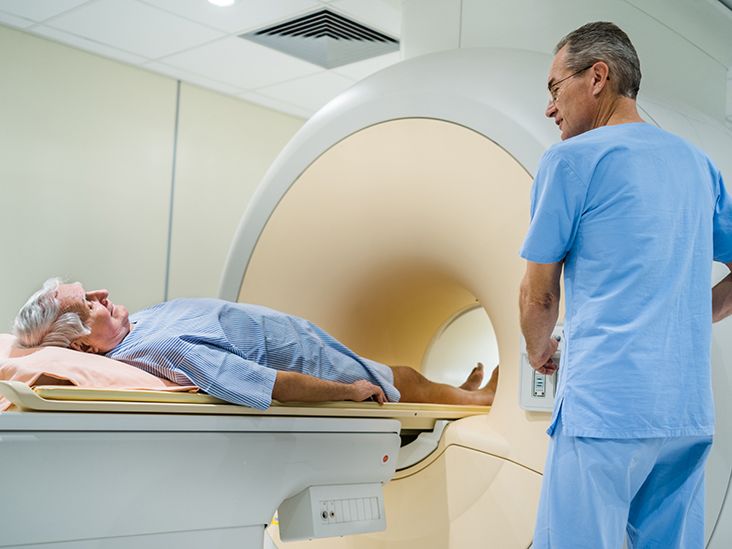

Magnetic resonance imaging sounds like something a superhero would use to inspect a spaceship, but in everyday medicine, an MRI scan is simply one of the most useful ways doctors look inside the body without making an incision. It can help evaluate soft tissues, joints, the brain, spine, blood vessels, tumors, infections, inflammation, and many other health concerns. The images are detailed, the machine is loud, and yes, the waiting room may still have magazines from three calendar years ago.
For people with Medicare, the big question is usually not “What does MRI stand for?” It is: Will Medicare cover my MRI, and how much will I pay? The answer depends on why the MRI is needed, who orders it, where it is performed, whether the imaging provider accepts Medicare, and whether the person has Original Medicare, Medicare Advantage, Medigap, Medicaid, employer coverage, or another secondary insurance plan.
In most medically necessary situations, Medicare does cover MRI scans. However, coverage is not the same as “free.” Under Original Medicare, most outpatient MRI scans fall under Medicare Part B, which generally means the annual Part B deductible applies first, followed by coinsurance. Medicare Advantage plans must cover medically necessary services that Original Medicare covers, but they may use networks, referrals, copays, and prior authorization rules.
What Is an MRI Scan?
An MRI, or magnetic resonance imaging scan, uses a strong magnetic field and radio waves to create detailed images of structures inside the body. Unlike X-rays and CT scans, MRI does not use ionizing radiation. That makes it especially helpful for examining soft tissues such as the brain, spinal cord, muscles, ligaments, tendons, organs, and certain blood vessels.
Doctors may order an MRI to help diagnose or monitor conditions such as back pain with nerve symptoms, stroke-related concerns, multiple sclerosis, joint injuries, tumors, infections, blood vessel problems, abdominal conditions, or unexplained symptoms that need a closer look. The MRI machine may look like a giant donut with commitment issues, but its job is serious: to give doctors clearer information before they recommend treatment.
Does Medicare Cover MRI Scans?
Yes, Medicare may cover MRI scans when they are medically necessary. Under Original Medicare, MRI scans are usually treated as diagnostic non-laboratory tests and are covered by Medicare Part B when ordered by a doctor or other qualified health care provider to diagnose or treat a medical problem.
That phrase “medically necessary” matters. Medicare is more likely to cover an MRI when the scan is connected to a documented health concern, ordered by an eligible provider, performed by a Medicare-approved or properly accredited facility, and supported by medical records. A scan ordered “just to check everything” may not qualify. Medicare is generous in many ways, but it is not a fan of curiosity shopping with billion-dollar imaging machines.
Common Medicare Coverage Requirements
For an MRI to be covered, the following conditions commonly apply:
- The MRI must be ordered by a doctor or qualified provider.
- The scan must be used to diagnose or treat a medical problem.
- The provider and imaging facility should accept Medicare or be within the plan network.
- The facility must meet Medicare requirements, including accreditation rules for certain advanced imaging providers.
- The scan must not be more frequent than Medicare or the plan considers reasonable for the condition.
How Original Medicare Covers MRI Scans
Original Medicare includes Part A and Part B. Most MRI scans are outpatient diagnostic tests, so they usually fall under Medicare Part B. Part B covers services from doctors and other health care providers, outpatient care, durable medical equipment, and many medically necessary services that are not covered under Part A.
Under Original Medicare, after the annual Part B deductible is met, beneficiaries generally pay 20% of the Medicare-approved amount for a covered MRI performed in a doctor’s office, independent diagnostic testing facility, clinic, or freestanding radiology center. The provider’s Medicare-approved amount may be much lower than the facility’s sticker price, which is one reason it is smart to ask for a Medicare-specific estimate instead of panicking over the first number you see.
Hospital Outpatient MRI Costs
If the MRI is performed in a hospital outpatient department, the cost can be higher. In addition to the Part B deductible and coinsurance, a hospital outpatient copayment may apply. Medicare notes that outpatient hospital copays for diagnostic tests may be more than 20% of the Medicare-approved amount, although in most cases they cannot be more than the Part A hospital stay deductible.
This is why two people can get the same type of MRI and pay different amounts. One person may go to an independent imaging center, while another goes to a hospital outpatient department. The images may answer similar medical questions, but the billing structure can look like it was designed by someone who enjoys puzzles.
Medicare MRI Costs in 2026
For 2026, the standard Medicare Part B monthly premium is $202.90, and the annual Part B deductible is $283. After the deductible is met, Original Medicare usually pays 80% of the Medicare-approved amount for covered Part B services, and the beneficiary pays the remaining 20%, assuming the provider accepts Medicare assignment.
Here is a simple example. Suppose Medicare approves $600 for a covered outpatient MRI at an independent diagnostic facility. If the beneficiary has already met the Part B deductible, Medicare would generally pay $480, and the beneficiary would pay $120. If the deductible has not been met, the person may first owe the remaining deductible amount, then 20% coinsurance on the approved amount after that.
The real amount can vary by body part, contrast use, facility type, geographic area, provider billing, and whether there are separate charges for the technical component, radiologist interpretation, or hospital outpatient services. The best approach is to ask both the ordering doctor and imaging facility: “What is the Medicare-approved amount, and what will my estimated out-of-pocket cost be?”
What Does “Accepting Assignment” Mean?
When a provider accepts Medicare assignment, they agree to accept the Medicare-approved amount as full payment for a covered service. This can help keep costs predictable. The beneficiary is generally responsible only for the deductible and coinsurance, and the provider submits the claim directly to Medicare.
If a provider does not accept assignment, costs may be higher. In many cases, non-participating providers can charge up to 15% above the Medicare-approved amount, called the limiting charge. Some providers may opt out of Medicare entirely, in which case Medicare generally does not pay for their services except in limited emergency situations.
Before scheduling an MRI, it is worth asking three direct questions: “Do you accept Medicare?” “Do you accept Medicare assignment?” and “Is the imaging facility accredited for Medicare-covered advanced diagnostic imaging?” These questions are not rude. They are wallet self-defense.
Does Medicare Advantage Cover MRI Scans?
Medicare Advantage, also called Part C, is another way to receive Medicare benefits through a private plan approved by Medicare. Medicare Advantage plans must cover medically necessary services that Original Medicare covers, which means they generally cover medically necessary MRI scans. However, the rules can feel different in daily life.
A Medicare Advantage plan may require members to use in-network imaging centers, get a referral, obtain prior authorization, or pay a fixed copay instead of 20% coinsurance. Some plans have lower MRI copays than Original Medicare, while others may require more steps before the scan is approved. The plan’s Evidence of Coverage document and provider directory are important resources, even if reading insurance paperwork is nobody’s idea of a wild Friday night.
Prior Authorization and MRI Scans
Prior authorization means the plan reviews the request before the scan is performed to decide whether it meets coverage rules. Advanced imaging such as MRI, CT, PET, and nuclear medicine scans may be subject to prior authorization under many Medicare Advantage plans. If approval is required but not obtained, the person may face delays or unexpected bills.
If a Medicare Advantage plan denies authorization, the beneficiary can appeal. The most practical first step is usually to contact the doctor’s office and ask whether the plan needs more documentation, such as prior X-ray results, physical therapy notes, neurological findings, lab results, or a stronger explanation of medical necessity.
Can Medigap Help Pay for MRI Costs?
Medigap, also called Medicare Supplement Insurance, can help pay some out-of-pocket costs in Original Medicare, such as deductibles, copayments, and coinsurance. A person generally must have Original Medicare Part A and Part B to buy Medigap. Medigap does not work with Medicare Advantage and cannot be used to pay Medicare Advantage copays or deductibles.
For someone with Original Medicare, Medigap can make MRI costs easier to manage. Depending on the Medigap plan, it may cover some or all of the 20% Part B coinsurance after the deductible. For example, many people choose Medigap because a sudden MRI, specialist visit, or outpatient procedure can otherwise lead to a bill that arrives with the emotional energy of a jump scare.
Does Medicare Cover MRI With Contrast?
Medicare may cover an MRI with contrast when it is medically necessary. Contrast agents, often gadolinium-based, can help radiologists see blood vessels, inflammation, tumors, scar tissue, or other details more clearly. Whether contrast is needed depends on the medical question being asked.
Before an MRI with contrast, the imaging center may ask about kidney disease, allergies, previous reactions to contrast, pregnancy status, implanted devices, and recent surgeries. This screening is not busywork. MRI machines use powerful magnets, and some implants, devices, or metal fragments require special evaluation before the scan.
How to Lower Out-of-Pocket Costs for an MRI
Medicare MRI costs are not always avoidable, but they are often manageable with preparation. The goal is to prevent surprise bills and scheduling headaches.
Ask for the Right Estimate
When calling the imaging center, do not ask only, “How much is an MRI?” Ask, “What is my estimated cost with Medicare?” If you have Medicare Advantage, ask for the plan-specific copay or coinsurance. If you have Original Medicare, ask whether the facility accepts Medicare assignment and whether the scan will be billed as hospital outpatient or independent diagnostic imaging.
Compare Facility Types
When medically appropriate, an independent imaging center may cost less than a hospital outpatient department. The doctor can help decide whether one setting is appropriate for the patient’s condition. Some scans need hospital-based resources; others do not. A five-minute phone call can sometimes save real money.
Confirm Network Status
For Medicare Advantage members, network status is crucial. An in-network imaging center may cost much less than an out-of-network facility. Some plans may not cover non-emergency out-of-network MRI scans at all, depending on the plan type.
Check Prior Authorization Early
If prior authorization is required, make sure the doctor’s office submits the request before the appointment. Ask whether approval has been received, not merely whether it was “sent.” Sent and approved are cousins, not twins.
What If Medicare Denies MRI Coverage?
If Medicare or a Medicare Advantage plan denies coverage for an MRI, do not assume the story is over. Denials can happen because of missing documentation, coding errors, lack of prior authorization, out-of-network facility use, or disagreement about medical necessity.
Start by reading the denial notice carefully. Then contact the doctor’s office, imaging facility, and plan or Medicare contractor. Ask what documentation is missing and whether the claim can be corrected, resubmitted, or appealed. Helpful documents may include office notes, symptom history, prior treatments, exam findings, previous imaging, and the doctor’s explanation of why the MRI was necessary.
People with Medicare Advantage have appeal rights for denied services. For Original Medicare, the process depends on whether the issue is a claim denial after the service or a prior authorization matter under a limited program. When in doubt, beneficiaries can contact Medicare, their plan, a State Health Insurance Assistance Program, or a trusted benefits counselor.
Questions to Ask Before Scheduling a Medicare MRI
- Why is the MRI medically necessary?
- Will it be billed under Medicare Part B?
- Does the doctor accept Medicare assignment?
- Does the imaging facility accept Medicare assignment?
- Is the facility accredited for Medicare-covered advanced imaging?
- Will the scan be done in a hospital outpatient department or independent imaging center?
- Do I need prior authorization?
- Will contrast be used?
- What is my estimated out-of-pocket cost?
- When and how will I receive the results?
Real-World Experiences: What People Often Learn About Medicare and MRI Scans
One of the most common experiences people have with Medicare and MRI scans is discovering that the doctor’s order is only the first step. A provider may say, “You need an MRI,” and the patient naturally thinks the scan is ready to schedule. In reality, there may be several invisible steps happening behind the scenes: diagnosis codes, medical records, facility selection, insurance verification, prior authorization, and cost estimates. It can feel like the MRI is less of a medical test and more of a small administrative parade.
A typical situation might look like this: a Medicare beneficiary has worsening knee pain after months of conservative care. The doctor orders an MRI to evaluate a possible meniscus tear. If the patient has Original Medicare, the next step may be relatively simple: choose a Medicare-participating imaging center, confirm assignment, and understand the Part B deductible and coinsurance. If the patient has Medicare Advantage, the doctor’s office may need to submit a prior authorization request before the scan can happen. The scan might be covered, but only at an in-network facility.
Another common experience involves the difference between hospital outpatient departments and freestanding imaging centers. Many patients are surprised to learn that location affects cost. The hospital may be familiar, close, and convenient, but convenience can come with a larger outpatient copayment. A freestanding imaging center may cost less, but it must still be appropriate for the patient’s medical condition and meet Medicare requirements. The lesson: where you get the MRI can matter almost as much as whether Medicare covers it.
Some people also learn the importance of wording. Calling an imaging center and asking “Do you take Medicare?” is useful, but not always enough. A sharper question is: “Do you accept Medicare assignment for this MRI?” For Medicare Advantage, the sharper question is: “Are you in network for my exact plan name, not just the insurance company?” A facility may accept a big insurer generally but not participate in every Medicare Advantage plan offered by that insurer. Insurance networks can be oddly specific, like restaurant menus that change depending on which door you enter.
Patients who need MRI with contrast may have a different experience. The facility may ask about kidney function, allergies, implanted devices, pacemakers, aneurysm clips, metal fragments, or previous surgeries. This can feel repetitive, especially when the patient already answered similar questions at the doctor’s office. But MRI safety screening is essential because the magnet is powerful. The best strategy is to bring a current medication list, implant card if available, and any information about previous reactions to contrast.
Another practical lesson is that results do not usually come from the MRI technologist. The technologist performs the scan, but a radiologist interprets the images and sends a report to the ordering provider. The patient may see results in an online portal before the doctor has explained them, which can lead to unnecessary stress. Medical imaging reports often use technical language that sounds alarming even when the finding is mild or common. When possible, schedule a follow-up appointment or message the ordering provider to review the results in plain English.
For caregivers, the experience often includes logistics: transportation, comfort, hearing aids, mobility issues, anxiety, and timing. MRI machines are loud, and the scan may require lying still for 20 to 60 minutes. People with claustrophobia should tell the doctor before the appointment. Some facilities offer wider-bore machines, music, mirrors, mild medication ordered by a physician, or other comfort measures. These details may not change Medicare coverage, but they can make the day much easier.
The biggest takeaway from real-life Medicare MRI experiences is simple: ask questions early, write down names and confirmation numbers, and do not assume every office is communicating with every other office. Medicare can cover a medically necessary MRI, but the smoothest experience usually belongs to the person who confirms the order, the facility, the network, the authorization, and the estimated cost before scan day.
Conclusion
Medicare often covers MRI scans when they are medically necessary and ordered to diagnose or treat a health problem. Under Original Medicare, outpatient MRIs are generally covered by Part B, with the Part B deductible and 20% coinsurance applying in many cases. Hospital outpatient settings may involve additional copays. Medicare Advantage plans also cover medically necessary MRIs, but they may require network use, referrals, copays, or prior authorization.
The smartest move is to verify coverage before the scan. Ask whether the provider accepts assignment, whether the imaging center is accredited, whether prior authorization is required, and what your estimated out-of-pocket cost will be. MRI scans may be high-tech, but avoiding surprise bills often comes down to low-tech habits: ask, confirm, write it down, and keep copies.
Note: This article is for general educational purposes only. Medicare costs and plan rules can change, and individual coverage depends on medical necessity, provider participation, facility type, plan rules, and other insurance. Beneficiaries should confirm details with Medicare, their Medicare Advantage plan, their provider, or a qualified benefits counselor before scheduling care.