
Some design trends whisper. This one arrives in a velvet cape, carrying beeswax tapers, a bundle of foraged branches, and a very convincing argument for dark green paint. The enchanted aesthetic is having a real moment, and honestly, it deserves one. After years of ultra-minimal rooms trying to look like they had never met a human being, people are falling hard for spaces with atmosphere, memory, texture, and just a little bit of drama. Not horror-movie basement drama. More like “someone here definitely reads novels near candlelight and owns a favorite mug for stormy weather” drama.
That is the heart of Current Obsessions: Enchanted. It is not about turning your home into a theme park version of a medieval castle or a Halloween superstore with commitment issues. It is about building a mood. Think jewel tones, moody corners, timeworn wood, brass candleholders, layered textiles, mossy centerpieces, storybook florals, and a little old-world mystery. In other words, it is cozy with better cheekbones.
What “Enchanted” Really Means Right Now
Today’s enchanted style pulls inspiration from several overlapping looks that have been gaining traction in home design: dark academia, castlecore, whimsigoth, witchcore, and moody fall decorating. They sound like the names of indie bands, but together they tell a clear story. People want homes that feel personal, cocooning, and a little transportive. Rooms are no longer expected to be merely tidy; they are expected to have a point of view.
That point of view usually begins with contrast. The enchanted look mixes dark and warm, soft and weathered, elegant and slightly wild. A velvet pillow sits beside a rough wood table. A brass candlestick glows next to a stack of worn books. Deep plum walls meet creamy linen curtains. A bowl of pears suddenly looks like fine art because it is near a taper candle and a branch that appears to have wandered in from a foggy forest with excellent taste.
The result is not clutter when it is done well. It is layered intention. The space feels lived in, a little storied, and undeniably magnetic.
The Essential Ingredients of an Enchanted Space
1. Candlelight That Does Most of the Seducing
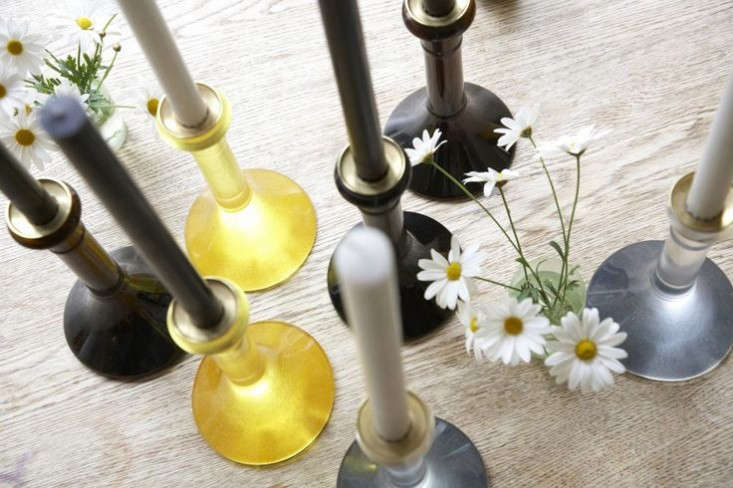
If enchanted interiors had a publicist, it would be candlelight. Nothing shifts a room faster. Tapers in brass holders, beeswax candles with a honey scent, a low cluster of pillars, or a tray of tea lights can turn an ordinary surface into a whole scene. This is the kind of lighting that forgives bad moods, bad weather, and sometimes bad furniture choices.
The best part is that candle styling does not require a huge budget. A few thrifted holders, some varied heights, and one central focal point can do plenty. The trick is to cluster candles intentionally rather than sprinkle them around like you lost a small fire. Keep them where people gather: on dining tables, mantels, sideboards, coffee tables, and near reading corners. Enchanted rooms are not always bright, but they are always glowing.
2. Rich, Storybook Color
Color is where the enchanted look stops being cute and starts becoming unforgettable. Forest green, deep navy, aubergine, oxblood, charcoal, warm brown, and black all play beautifully here. So do jewel tones like sapphire, emerald, burgundy, and dark teal. These shades create the cocooning effect people crave in cooler seasons, but they can also work year-round when balanced with natural light and lighter textiles.
You do not need to dunk an entire house in dramatic paint to get the effect. One moody wall in an entryway, a dark bookshelf, a burgundy throw, or a pair of velvet dining chairs can introduce the mood without making your home feel like it now charges admission for tarot readings. The goal is depth, not darkness for darkness’s sake.
3. Texture, Texture, and Then a Little More Texture
Flat rooms rarely feel enchanted. Layered rooms do. This style depends on tactile variety: velvet, worn leather, wool throws, crisp linen, nubby jute, faux fur, aged wood, antique brass, ceramic glaze, and maybe a little stone if you are feeling particularly dramatic in a healthy way.
Texture is also what keeps dark palettes from feeling heavy. A black room with slick, cold finishes can look severe. A black room with velvet cushions, a wooden side table, a wool throw, and leafy greenery looks like a very chic person lives there and probably makes excellent tea. Texture softens the mood and makes the enchantment feel inviting instead of theatrical.
4. Natural Elements With an Untamed Edge
Nature is a huge part of what makes enchanted style feel believable. Moss, dried flowers, twisting branches, seasonal fruit, seed pods, trailing plants, and foliage all help a room feel less decorated and more discovered. That is an important distinction. The enchanted look works best when it feels a little gathered rather than aggressively purchased.
Centerpieces are a perfect place to use this approach. A simple arrangement of knotty branches in a ceramic vase. A ring of moss around grouped candles. A table runner with pomegranates, figs, pears, or small gourds. A low arrangement in earthy tones with one dramatic floral moment. Nature adds irregularity, and irregularity adds charm.
5. Old-World Details That Hint at History
This is where the magic gets structure. Gothic inspiration, stained glass, pointed shapes, antique frames, ornate mirrors, carved wood, tapestries, candlesticks, and architectural details with a little age all fit naturally into the enchanted mood. Even when you are not literally living in a centuries-old manor, you can borrow the feeling.
That might mean adding a vintage mirror above a console, choosing a lamp with an aged brass finish, hanging botanical art in darker frames, or bringing in a small chest, cabinet, or side table with visible patina. Rooms feel enchanted when they suggest time, and time leaves marks. Luckily for all of us, patina is cheaper than perfection.
How to Bring the Enchanted Look Into Each Room
The Living Room
Start with the softest landing possible: the living room. This is where enchanted style can feel the most comforting. Choose one grounding color, such as moss green, espresso, or deep navy, then layer in lighter contrasts through cream upholstery, a faded rug, or pale curtains. Add one material with age, like a wood coffee table or leather chair, and one material with softness, like velvet or boucle.
Then build your “quiet magic” moments. A candle cluster on the mantel. A stack of art books beside a brass object. One oversized branch in a vase. A plaid or jewel-toned throw over the sofa. The room should look like it belongs to someone with taste, not someone currently rehearsing for a community theater production of Macbeth.
The Bedroom
Bedrooms are made for enchantment because the whole point is retreat. Use saturated bedding, dimmable lamps, and layered textiles. Velvet or linen curtains help. A dark duvet cover paired with ivory sheets keeps the mood rich but breathable. Add a bench or stool in leather or wood, and bring in one decorative note that feels just slightly romantic: a framed antique print, a candleholder, a tiny vase of dried stems, or an old-looking lamp with a warm glow.
If you want more atmosphere without repainting, focus on the bed. A jewel-toned quilt, a textured throw, and pillows in mixed fabrics can make even a plain room feel dramatically better behaved.
The Entryway
Small spaces love a strong point of view. An entryway painted in dark green or aubergine can be stunning. If paint is too much, use a runner, a vintage umbrella stand, a framed mirror, and a small bowl for keys in bronze, wood, or ceramic. Add one lamp or candle for evening ambience. A narrow console table topped with branches or a little greenery instantly tells guests they are entering a home with vibes. And yes, vibes are now a decorating tool.
The Dining Table
An enchanted table should feel abundant without feeling chaotic. Begin with a table runner or textured cloth in a natural or dark tone. Add candles at varied heights. Use fruit, foliage, or flowers in earthy shades. Mix in old-looking pieces, such as brass, ceramic, or stoneware. If you want a stronger seasonal look, mini pumpkins, pears, grapes, or moss can be beautiful when used sparingly.
The best enchanted tables do not scream “seasonal centerpiece” from across the room. They murmur it in a very compelling voice.
Enchanted Decorating Ideas That Actually Feel Livable
One reason this obsession keeps growing is that it can be adapted to real life. You can go full old-world drama, or you can simply borrow the best parts.
For a renter-friendly version, try these moves: swap in darker lampshades, use removable wallpaper with a botanical or vintage pattern, style books and candleholders on open shelving, bring in plaid or velvet pillows, and build a reading nook with a chair, lamp, throw, and side table. If you have an empty corner, congratulations: you are one candle away from a mood.
For a weekend project, consider something handmade and a little theatrical. A skull candleholder, dramatic string art, or a framed botanical arrangement can add personality without overwhelming the room. The key is restraint. One strong decorative wink is chic. Twelve are a costume.
Why We Keep Falling for the Enchanted Look
There is a deeper reason this style resonates. Enchanted interiors offer emotional relief. They slow a room down. They suggest ritual: lighting a candle, arranging flowers, making tea, reading before bed, setting the table even when it is only Tuesday and your dinner is somehow still pasta. These spaces encourage presence, and that feels luxurious now.
They also bring back individuality. For a long stretch, trend-driven rooms often looked interchangeable. The enchanted aesthetic makes room for collections, old finds, handmade pieces, and objects with memory. It values atmosphere over perfection, and that is part of its charm. A slightly crooked candlestick arrangement can still look wonderful if the light is warm and the room feels honest.
Most of all, enchanted style allows beauty to be a little moodier, a little stranger, and a lot more personal. Not everything has to be bright, streamlined, and eager to impress. Sometimes a room should feel like a secret.
Experiences Related to “Current Obsessions: Enchanted”
I think the reason people become obsessed with enchanted spaces so quickly is that the experience sneaks up on you. It does not always happen in a perfectly designed room. Sometimes it begins with one tiny decision. You light a taper candle during dinner instead of flipping on the overhead light. Suddenly your takeout pasta looks almost noble. The spoon catches the glow. The shadows soften the corners of the room. You sit down meaning to eat in ten minutes, and an hour later you are still there, fully convinced you are the main character in a much better-written life.
That is the enchanted effect. It turns ordinary routines into small rituals. A rainy afternoon becomes an event because you made tea in the good mug, threw a blanket over your knees, and read three pages of a book you have been ignoring for weeks. A hallway becomes charming because you placed one little lamp on a table and leaned a vintage mirror against the wall. Your bedroom becomes a retreat because you swapped a basic coverlet for a deep green quilt and added one brass candleholder that makes the whole dresser look more expensive than it has any right to look.
One of my favorite experiences tied to this aesthetic is the shift it creates at the end of the day. In a bright, practical room, evening can feel like a hard stop: work is over, dishes are waiting, the laundry has opinions. In an enchanted room, evening feels like a transition. You lower the lights. You strike a match. You straighten a stack of books. Maybe you bring in a few branches from outside and drop them into a vase with absolutely unreasonable confidence. The room changes first, and then your mood follows.
There is also something delightfully playful about it. Enchanted style gives adults permission to decorate with imagination again. Not childishness, exactly, but wonder. You can like velvet, moss, antique-looking frames, beeswax candles, old botanical prints, and a slightly dramatic dining table without having to apologize for it. You are not “too much.” You simply understand ambience. That is a skill. A beautiful, candlelit, slightly moody skill.
Another experience that keeps coming up with this obsession is how social it can be. People respond to atmosphere immediately. Invite friends over to a softly lit room with a good playlist, a few candles, fruit on the table, and layered textures everywhere, and the whole evening changes. Everyone lingers longer. Conversations stretch. Dessert mysteriously appears even if nobody planned dessert. The room tells people to settle in, and they listen.
Even the budget version can feel magical. Some of the most enchanted moments come from inexpensive choices: thrifted brass holders, a dark throw pillow, branches from the yard, an old wooden stool, a plaid blanket, a vase of grocery-store flowers arranged as if you are the artistic director of autumn. The point is not spending wildly. The point is noticing what creates feeling.
That may be the real obsession here. “Enchanted” is not just a look; it is a way of editing daily life so that it feels richer, warmer, and more memorable. It is letting your home hold a little mystery. It is making dinner prettier than necessary. It is building a reading nook for no reason except that the world is loud and your corner lamp is not. And once you have lived with that feeling for even a week, going back to a room with one ceiling bulb and zero personality feels a bit tragic. Or at least very underdressed.
Conclusion
Current Obsessions: Enchanted works because it gives us the best of both worlds: coziness and character, elegance and edge, comfort and a little theatrical fun. It asks for richer color, softer light, more texture, and a stronger sense of story. Whether you adopt it through candlelight, moody paint, gathered branches, velvet accents, or a table that looks ready for a beautiful stormy-night dinner, the message is the same: home should make you feel something.
And if that feeling happens to be “I may now require brass candlesticks and a reading nook immediately,” that seems perfectly reasonable.