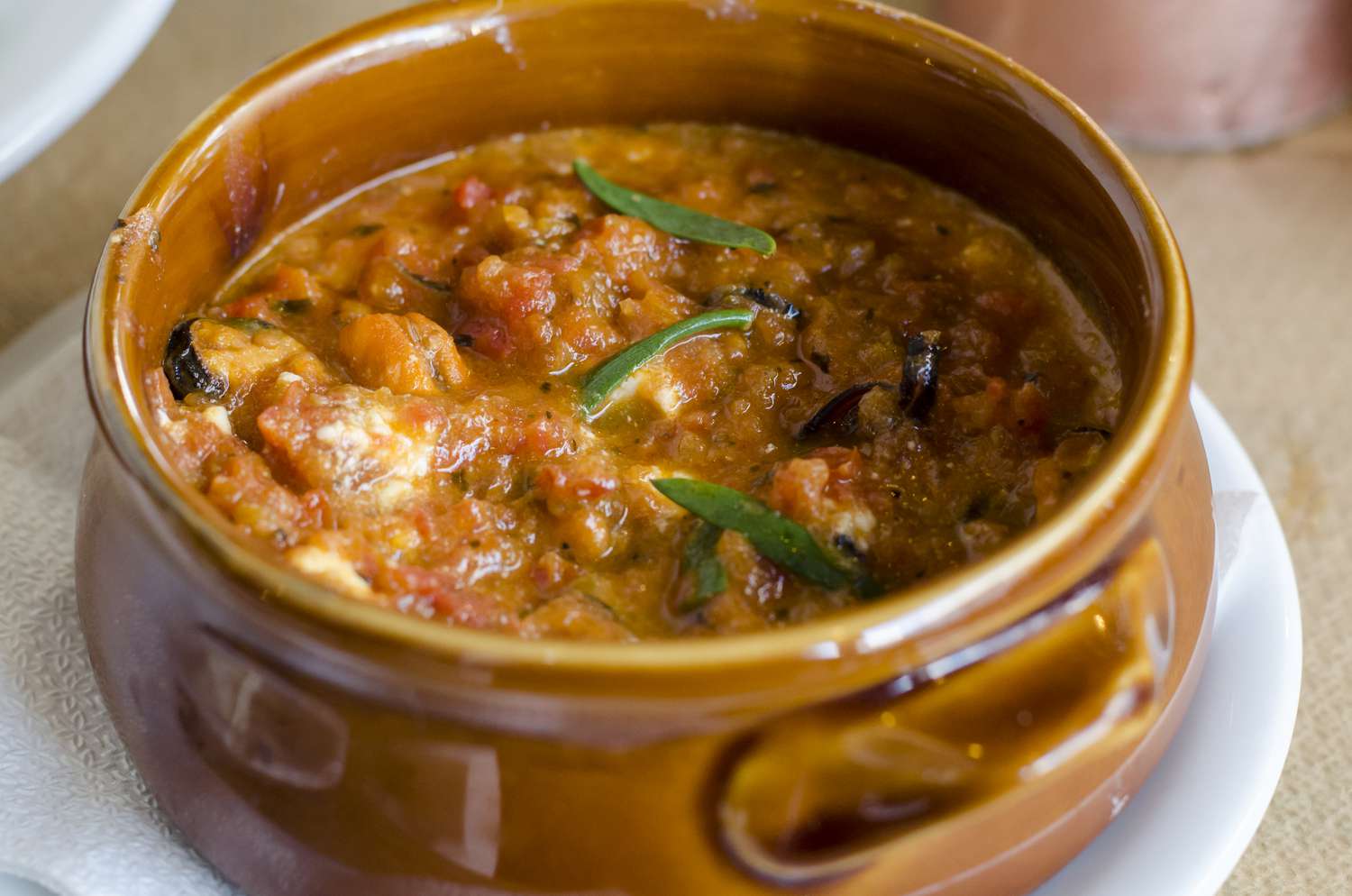

If cozy had a passport, it might very well stamp itself into a bowl of Greek beef stew with orzo pasta. This dish is rich, tomatoey, deeply savory, and gloriously unfussy in the way the best comfort foods tend to be. It takes the slow-cooked soul of a classic beef stew and gives it a Mediterranean accent: olive oil, garlic, red wine, warm spices, and that beautiful little rice-shaped pasta called orzo. The result is a dinner that feels just fancy enough for company, but still relaxed enough for a Sunday evening when your hair is in a clip and your standards are “please let this be delicious.”
At its heart, this recipe borrows inspiration from beloved Greek dishes like stifado and youvetsi. One brings the slow-braised beef, onions, tomato, and spice. The other brings the orzo and baked-stew comfort. Together, they create a meal that tastes like it simmered all day in a blue-and-white seaside kitchen, even if it actually came together in your Dutch oven while you ignored three emails and a laundry basket.
This guide gives you more than a simple ingredient list. You’ll get a full recipe, tips for building deeper flavor, ideas for serving, smart storage advice, and a longer reflection on the experience of making and eating this dish. So tie on your apron, pour yourself a splash of the red wine you’re using for the stew, and let’s make something wonderful.
What Makes Greek Beef Stew With Orzo So Special?
There are plenty of beef stews in the world, and many of them deserve applause. But Greek-style beef stew has a flavor profile that stands out immediately. Instead of leaning only on herbs and stock, it often uses tomato, wine, onion, garlic, and warming spices such as cinnamon, clove, or allspice. That combination sounds dramatic on paper, but in practice it creates a sauce that is savory, balanced, and deeply aromatic rather than sweet.
Then comes the orzo. Tiny, tender, and excellent at soaking up flavor, orzo gives this dish a soft, almost luxurious finish. Potatoes are lovely, but orzo has a way of making a stew feel like it dressed up for dinner without becoming fussy. Every spoonful catches a little sauce, a little pasta, and a little shredded-tender beef. It’s basically the culinary version of a good cashmere sweater.
Why This Recipe Works
1. Beef chuck becomes meltingly tender
Chuck roast is ideal here because it has enough connective tissue and fat to stay juicy during a long simmer. Give it time, and it goes from “respectably sturdy” to “fall-apart and glorious.”
2. Tomato, wine, and spices create depth
Tomato paste and crushed tomatoes give the sauce body and gentle sweetness. Red wine adds acidity and complexity. Cinnamon, oregano, and allspice make the stew unmistakably Greek-inspired without turning dinner into a spice cabinet stunt show.
3. Orzo turns the braise into a complete meal
Instead of serving the stew over a separate starch, the orzo becomes part of the experience. It catches the sauce beautifully and makes the whole dish feel cohesive, hearty, and extremely likely to disappear fast.
Greek Beef Stew With Orzo Pasta Recipe
This version is designed for home cooks who want maximum flavor without unnecessary drama. It is rich, comforting, and friendly to make-ahead planning.
Recipe Details
- Prep time: 25 minutes
- Cook time: 2 hours 15 minutes
- Total time: 2 hours 40 minutes
- Yield: 6 servings
- Difficulty: Moderate, but very manageable
Ingredients
- 2 1/2 pounds beef chuck roast, cut into 1 1/2-inch cubes
- 2 teaspoons kosher salt, divided
- 1 teaspoon black pepper
- 3 tablespoons all-purpose flour
- 3 tablespoons olive oil
- 1 pound pearl onions, peeled, or 2 large yellow onions, sliced
- 4 garlic cloves, minced
- 2 tablespoons tomato paste
- 1 cup dry red wine
- 1 can (28 ounces) crushed tomatoes
- 2 cups low-sodium beef broth
- 2 bay leaves
- 1 cinnamon stick
- 1 teaspoon dried oregano
- 1/2 teaspoon ground allspice
- 1/4 teaspoon ground cloves
- 12 ounces orzo pasta
- 1 tablespoon unsalted butter (optional, for silkier orzo)
- 2 tablespoons chopped fresh parsley
- 1/2 cup crumbled feta, for serving
- Lemon wedges, for serving
Instructions
- Dry and season the beef. Pat the beef dry with paper towels. This step matters more than people think. Wet beef steams; dry beef browns. Toss it with 1 1/2 teaspoons salt, the black pepper, and the flour until lightly coated.
- Brown the beef in batches. Heat 2 tablespoons olive oil in a large Dutch oven over medium-high heat. Brown the beef in batches so the pan does not crowd. Give each piece enough space to build a deep brown crust. Transfer the browned beef to a plate.
- Cook the onions. Add the remaining tablespoon of olive oil to the pot. Stir in the pearl onions or sliced onions and cook for 8 to 10 minutes, stirring occasionally, until softened and lightly golden. Add the garlic and cook for 30 seconds, just until fragrant.
- Wake up the tomato paste. Stir in the tomato paste and cook for 1 to 2 minutes. This quick step deepens the tomato flavor and keeps it from tasting raw or flat.
- Deglaze with wine. Pour in the red wine and scrape up every browned bit from the bottom of the pot. Those caramelized bits are pure flavor and should absolutely be invited to dinner. Simmer for 2 to 3 minutes.
- Build the stew. Return the beef and any juices to the pot. Add the crushed tomatoes, beef broth, bay leaves, cinnamon stick, oregano, allspice, cloves, and remaining 1/2 teaspoon salt. Stir well.
- Simmer low and slow. Bring the mixture to a gentle boil, then reduce the heat to low. Cover partially and simmer for 1 hour 45 minutes to 2 hours, stirring occasionally, until the beef is fork-tender and the sauce is rich.
- Cook the orzo. You have two good options:
- Option 1: Cook separately. Boil the orzo in salted water until just al dente, drain, and toss with butter or a drizzle of olive oil. Spoon the stew over the orzo when serving. This is the best option for leftovers because the pasta stays neater.
- Option 2: Finish in the stew. Stir the dry orzo directly into the pot during the last 10 to 12 minutes of cooking, adding a splash of broth or hot water if needed. This makes the dish extra cozy and unified, but the orzo will continue absorbing liquid as it sits.
- Finish and serve. Remove the bay leaves and cinnamon stick. Taste and adjust seasoning. Serve hot with parsley, crumbled feta, and a squeeze of lemon for brightness.
Tips for the Best Greek Beef Stew With Orzo Pasta
Choose the right beef cut
Chuck roast is the best bet for tenderness and flavor. Lean stew meat can work, but it is more likely to end up a little grumpy and chewy if overcooked.
Do not rush the browning
If you toss all the beef into the pot at once, you’ll get a crowded pan and pale meat. That is not a tragedy, but it is a missed opportunity. Browning creates a deeper, richer base.
Use a dry red wine you’d actually drink
You do not need a fancy bottle, but avoid anything syrupy or aggressively sweet. A dry red adds structure and balance to the tomato-based sauce.
Be strategic with the orzo
If you plan to eat the whole pot right away, cooking the orzo in the stew is lovely. If you want leftovers for tomorrow, cook it separately. Otherwise, the orzo may drink up the sauce overnight like it pays rent there.
Easy Variations
Add carrots for extra sweetness
Carrots are not always front and center in Greek beef stew, but they work beautifully if you like a slightly sweeter, more classic stew profile.
Use lamb instead of beef
If you want a more traditional flavor leaning toward certain Greek braises, lamb is excellent. Just keep in mind it has a stronger taste and can make the dish feel more special-occasion than weeknight casual.
Try a baked finish
For a youvetsi-style twist, transfer the finished stew and partially cooked orzo to a baking dish, cover, and bake until the pasta is tender and the top is lightly set. A little feta over the top is never a bad decision.
Make it brighter at the table
Fresh parsley, dill, or lemon zest added at the end can lift the whole pot. Rich stews love a bright finish.
What to Serve With Greek Beef Stew and Orzo
This dish is already a full meal, but a few simple sides make it even better:
- A crisp Greek salad with cucumber, tomato, olives, and red onion
- Warm crusty bread for sauce-related emergencies
- Roasted green beans or broccolini
- A small bowl of extra feta for anyone who believes cheese is a personality trait
- A glass of dry red wine or sparkling water with lemon
How to Store and Reheat It
Let the stew cool slightly, then refrigerate it in an airtight container. It keeps well for up to 3 to 4 days. If the orzo was stored separately, it will reheat more neatly. If stored together, just add a splash of broth or water before reheating, since the pasta will thicken the sauce as it sits.
For reheating, warm it gently on the stovetop over medium-low heat or microwave in short bursts, stirring in between. Make sure it is heated through before serving. This is one of those dishes that often tastes even better the next day, which is wonderful news for your lunch plans and terrible news for anyone else who thought the leftovers were communal.
Experiences Related to Making Greek Beef Stew With Orzo Pasta
One of the best things about this recipe is the way it changes the mood of a kitchen. You start with raw ingredients that look ordinary enough: a roast, a box of pasta, onions, garlic, tomatoes. Nothing is trying too hard. Nothing is plated with tweezers. And yet, once the beef starts browning and the wine hits the pot, the entire room begins to smell like you know exactly what you’re doing. It is one of those magical recipes that makes a home cook feel quietly impressive.
I’ve found that Greek beef stew with orzo is especially perfect for slow Sundays, rainy evenings, and those random cold days when everyone suddenly wants “something hearty” but cannot define what that means. This dish answers the question before anyone finishes asking it. It has the comfort of classic beef stew, but the tomato, spice, and feta give it a brighter personality. It feels familiar, yet not boring. Cozy, but not sleepy. Like a comfort food that spent a semester abroad.
There is also something deeply satisfying about the pacing of this recipe. It does not demand constant attention. Once the stew is simmering, you get long stretches of time to straighten the kitchen, set the table, or simply sit down for a minute and remember that cooking should sometimes be enjoyable instead of a speed competition. Every now and then, you lift the lid, stir the pot, and the sauce looks a little darker, the onions a little silkier, the beef a little more tender. It is dinner slowly becoming itself.
This recipe also has a way of impressing people without making them suspiciously formal. Serve it to guests, and they usually react like you produced a family heirloom rather than a Dutch oven. The flavors feel layered and thoughtful, but the dish is still easy to eat. No one is wrestling with a steak knife. No one is wondering which fork is emotionally appropriate. They just settle in, take another bite, and start asking whether there is extra bread.
Then there is the orzo, which might be the most underappreciated little overachiever in the pantry. Rice is lovely. Potatoes are dependable. But orzo makes the stew feel soft, elegant, and just a little special. Kids usually like it because it is pasta. Adults like it because it absorbs flavor like a tiny edible sponge with ambition. Everyone wins.
Some of my favorite versions of this dish have happened the day after it was made. The sauce thickens slightly, the spices settle in, and the leftovers feel somehow richer and calmer. Reheated in a bowl with a bit of extra feta and a squeeze of lemon, it becomes the kind of lunch that makes the rest of the day seem less chaotic. That alone is worth the pot.
In the end, Greek beef stew with orzo pasta is more than just dinner. It is the kind of recipe that makes a kitchen smell welcoming, a table feel fuller, and a cook feel capable. And honestly, in a world full of rushed meals and disappointing takeout containers, that is a pretty excellent thing to put on repeat.
Conclusion
Greek beef stew with orzo pasta is the kind of recipe that earns a permanent spot in your cold-weather rotation. It is hearty without being heavy, cozy without being dull, and packed with Mediterranean character from olive oil, tomato, wine, warm spices, and tender beef. Whether you cook the orzo separately for tidy leftovers or finish it right in the stew for extra comfort, the result is a deeply satisfying meal that feels both rustic and special. Make it once, and it has a good chance of becoming the dinner people “casually” request again and again.