
Using a parking valet sounds simple: pull up, hand over the keys, walk away feeling like a person in a movie. In real life, it can feel a little more awkward the first time. Where do you stop? Do you leave the car running? When do you tip? What if your car has a personality, a mysterious dashboard light, or a trunk full of gym shoes that could legally be classified as a biohazard?
The good news: valet parking is designed to make your life easier, not turn your arrival into a social exam. Whether you are visiting a hotel, restaurant, hospital, wedding venue, airport, casino, or private event, the process follows a predictable rhythm. You arrive prepared, follow the attendants’ directions, communicate clearly, keep your ticket safe, and retrieve your car with patience and courtesy.
This guide breaks down how to use a parking valet in 15 practical steps, with real-world etiquette tips, safety advice, tipping guidance, and examples that will help you look confident even if your inner monologue is shouting, “Do I put it in park or just vanish?”
What Is Valet Parking?
Valet parking is a service where an attendant parks and retrieves your vehicle for you. Instead of searching for a parking spot, walking from a distant garage, or circling the block while your dinner reservation slowly turns into a missed opportunity, you drop your car at a designated valet stand. The attendant gives you a claim ticket, parks the car in a lot or garage, and brings it back when you return.
Valet service is common at upscale restaurants, hotels, medical centers, event venues, shopping centers, airports, and crowded downtown areas where parking is limited. Sometimes it is complimentary, sometimes it is required, and sometimes it is “complimentary” in the same way hotel bottled water is complimentary until you read the tiny sign. Always check the posted fee or ask before handing over the keys.
How to Use a Parking Valet: 15 Steps
1. Prepare Before You Arrive
The smoothest valet experience starts before your tires reach the valet lane. Gather anything you will need: phone, wallet, purse, sunglasses, medication, tickets, laptop, charger, keys, parking pass, coat, or anything else you do not want trapped in the car for the next two hours.
Think of it like boarding an airplane, except the plane is your own car and the pilot is a stranger in a vest. If you forget your phone or purse, the valet may be able to retrieve it, but that can slow down the line and delay your plans. A quick check before arrival saves everyone time.
2. Remove or Hide Valuables
Take valuable items with you whenever possible. That includes wallets, phones, laptops, tablets, jewelry, cameras, cash, important documents, and shopping bags. If you must leave something in the car, place it out of sight before you arrive, not while sitting in the valet lane advertising your “please notice this laptop bag” routine.
Most valet companies work hard to protect vehicles, but personal items are often not covered the same way the vehicle itself may be. Removing valuables is simple, smart, and much less stressful than trying to remember whether you left your tablet on the passenger seat.
3. Check the Valet Sign and Lane
Look for signs that say “Valet,” “Valet Parking,” “Vehicle Drop-Off,” or “Hotel Entrance.” Valet lanes are usually close to the main entrance, under a canopy, near a podium, or marked with cones. Drive slowly and follow any hand signals from attendants.
Do not stop in the middle of traffic unless directed. Valet areas can be busy, especially before weddings, conferences, dinner rushes, concerts, and hotel check-in times. The attendants are trying to choreograph cars, guests, luggage, pedestrians, and the occasional person who forgot how turn signals work.
4. Pull Forward and Stop Where Directed
When an attendant waves you in, pull forward as far as directed. This keeps the line moving and leaves room for other vehicles behind you. Put the car in park, keep your foot on the brake, and wait for the valet to approach.
At some locations, the valet may ask you to leave the engine running. At others, they may prefer that you turn it off and hand over the key. Follow the attendant’s instructions. The exact process can vary depending on the property, traffic flow, security policies, and whether your vehicle uses a traditional key, push-button start, or key card.
5. Be Ready to Exit Quickly
Valet drop-off is not the ideal place to reorganize your backpack, answer a group chat, apply lip balm, debate dinner plans, or start a deep search for the hotel confirmation email. Once you stop, gather your belongings and step out safely.
If you have passengers, luggage, a stroller, or mobility needs, take the time you need, but stay aware of the flow around you. A good valet team will help, but a prepared driver makes the process easier for everyone.
6. Tell the Valet About Vehicle Quirks
If your car has unusual features, tell the attendant before walking away. Mention things like sensitive brakes, a sticky gear shift, an alarm system, a tricky push-start button, low ground clearance, a manual transmission, a custom ignition, a weak battery, or a door handle that only works when treated with emotional respect.
Specific instructions help prevent confusion. Say, “The parking brake is electronic,” or “The driver’s window sometimes sticks,” or “It is a manual transmission.” Keep it short and useful. You do not need to provide your car’s entire biography unless the biography includes something that affects safe operation.
7. Hand Over the Correct Key
Give the valet the key or key fob needed to start and move the vehicle. If your key ring contains house keys, office keys, mailbox keys, or a tiny reward card collection dating back to 2011, consider carrying a separate car key or valet key when available.
For modern keyless vehicles, make sure the fob actually stays with the valet. A common mistake is leaving the car running, stepping away with the fob in your pocket, and forcing the attendant to discover that the vehicle has separation anxiety. Hand over the fob clearly.
8. Get and Protect Your Claim Ticket
The claim ticket is how the valet identifies your vehicle when you return. Treat it like your car’s temporary passport. Put it in your wallet, phone case, purse, or another secure place. Do not casually stuff it into a pocket that also contains gum wrappers, receipts, and the emotional remains of last week’s errands.
If you lose the ticket, your car is not gone forever, but retrieval may take longer. The staff may need your identification, vehicle description, license plate, room number, or other proof. Keeping the ticket safe is the easiest way to avoid delay.
9. Ask About Fees, Hours, and Pickup Timing
Before leaving the valet stand, confirm anything that affects your plans. Ask, “Is there a valet fee?” “Can I charge it to my room?” “What time does valet close?” “How long should I allow for pickup?” These questions are especially helpful at hotels, hospitals, airports, and event venues.
At hotels, valet parking may be charged nightly. At restaurants, valet may be free, validated, or priced separately. At private events, the host may cover the fee, but tipping may still be appreciated. Knowing the rules upfront prevents surprise charges and awkward wallet gymnastics later.
10. Tip at the Right Time
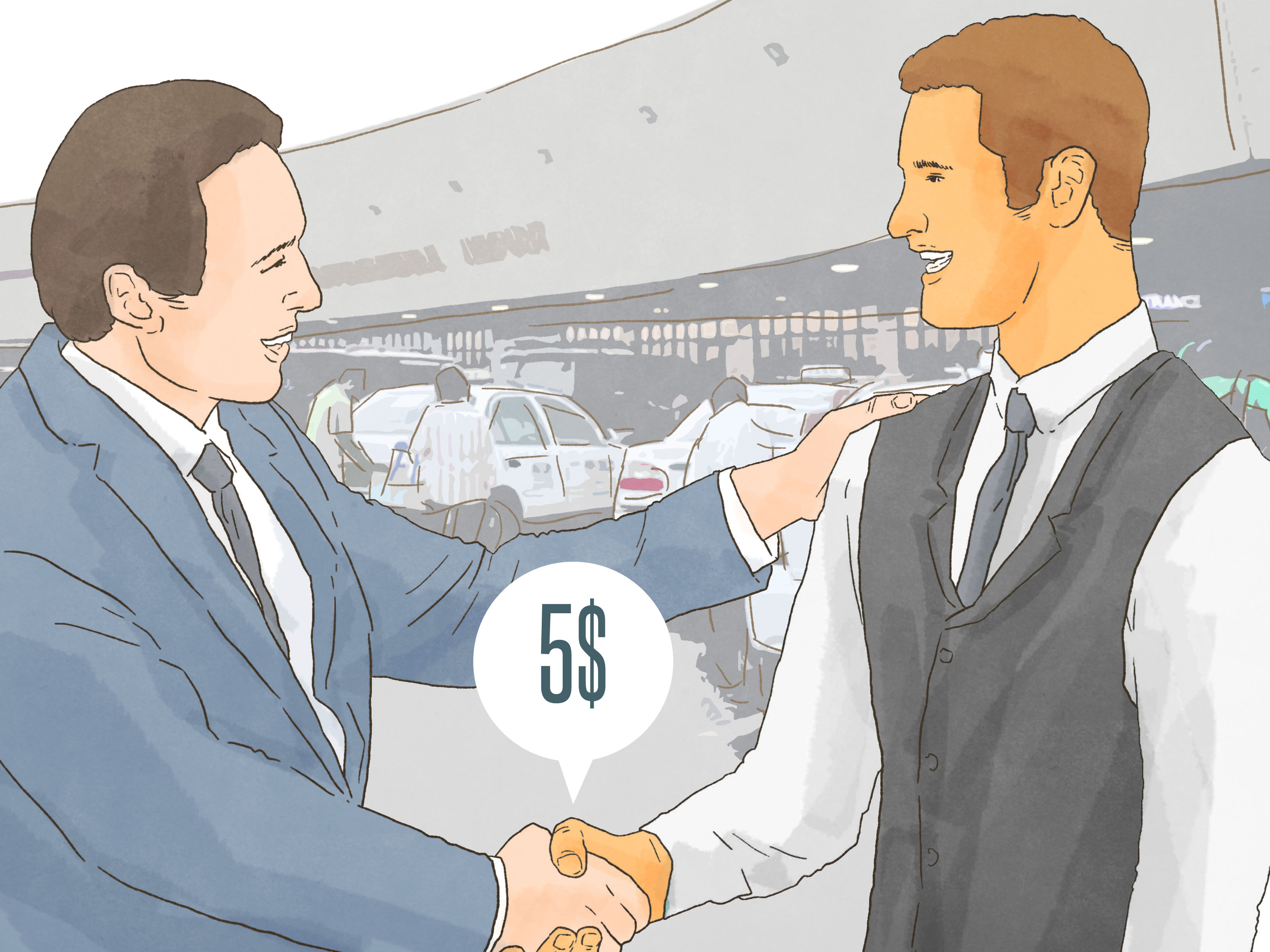
In the United States, it is customary to tip a valet when your car is returned. A common range is around $2 to $5, with more appropriate for excellent service, bad weather, heavy luggage assistance, special care, luxury settings, or complicated parking conditions.
Some people also tip at drop-off, especially if they want extra attention, have special instructions, or are using the same valet team repeatedly during a hotel stay. However, pickup is the most expected tipping moment. Cash is still preferred in many valet situations because it is immediate, simple, and easy for attendants to receive.
11. Keep Your Phone Available for Text Retrieval
Many valet services now use text-based systems. Your ticket may include a number to text when you are ready for your car. This is common at hotels, restaurants, hospitals, and event venues. If texting is available, use it before you reach the valet stand, especially during busy periods.
For example, if you are finishing dinner, text for your car when the check arrives rather than after everyone has put on coats and is standing at the curb. That small timing trick can make you look like a logistics genius, which is basically the adult version of having superpowers.
12. Request Your Car Early During Busy Times
Valet retrieval can take longer after concerts, weddings, conferences, sporting events, holiday parties, and hotel checkout rushes. If 300 people all want their cars at 10:15 p.m., even the fastest valet team cannot teleport vehicles through concrete.
Plan ahead. Request the car before you absolutely need it. If you have a flight, medical appointment, dinner reservation, or rideshare connection, build in extra time. Valet parking is convenient, but it is not instant.
13. Inspect Your Car When It Returns
When your vehicle arrives, do a quick visual check before driving away. Look for obvious damage, check that your belongings are where expected, and make sure the car seems normal. This does not need to be dramatic. You are not filming a courtroom scene. Just take a calm moment to notice anything unusual.
If you see a problem, report it immediately to the valet supervisor or property manager before leaving. Provide your ticket, describe the issue, and stay polite but clear. The sooner you raise a concern, the easier it is for the valet company or venue to review what happened.
14. Be Courteous to the Attendants
Valets work in heat, cold, rain, snow, late nights, crowded entrances, and high-pressure traffic patterns. A little courtesy goes a long way. Say hello, listen to directions, avoid barking orders, and remember that the person holding your key is performing a service that requires trust, speed, and attention.
If the line is long, frustration is understandable, but taking it out on the valet rarely makes your car arrive faster. Patience and politeness are not just good manners; they are practical tools for a smoother experience.
15. Drive Away Safely
Once your car is returned, load your passengers and belongings carefully. Check mirrors, watch for pedestrians, and exit the valet lane slowly. Valet areas often have people walking behind cars, luggage carts crossing lanes, and drivers trying to merge into busy streets.
Before pulling away, confirm you have your key, phone, wallet, claim ticket if needed for payment, and any receipt. Then leave with the quiet confidence of someone who has mastered one of modern life’s small but oddly intimidating rituals.
Valet Parking Tipping Etiquette
Tipping a valet is one of the biggest questions for first-time users. In most U.S. settings, tip when the car is brought back. A typical amount is $2 to $5, but $5 is a safe, respectful standard at many hotels and restaurants. Consider tipping more if the valet runs in bad weather, handles luggage, retrieves something you forgot, manages a difficult vehicle, or provides especially quick and friendly service.
If valet parking is complimentary, tipping is still appropriate. The service may be free to you because the restaurant, hotel, casino, or event host covers the parking cost, but the attendant is still doing the work. Think of it like a coat check or bell service: the absence of a posted fee does not always mean the absence of tipping etiquette.
Common Valet Parking Mistakes to Avoid
Leaving Valuables in Plain Sight
Do not leave phones, laptops, handbags, wallets, or shopping bags visible. Even if the valet area is secure, visible valuables create unnecessary risk.
Losing the Claim Ticket
Your claim ticket speeds up retrieval. Losing it can cause delays, especially when many similar vehicles are parked in the same area.
Forgetting to Mention Special Instructions
If your car has a manual transmission, unusual alarm system, low clearance, or a tricky start process, say so. A ten-second explanation can prevent ten minutes of confusion.
Waiting Until the Last Minute
Valet service takes time. During peak periods, request your car before you are in a hurry.
Assuming the Valet Fee Includes the Tip
A parking fee usually goes to the property or valet operator. A tip goes to the attendant. Unless a sign clearly says gratuity is included, it is smart to budget separately.
When Should You Avoid Valet Parking?
Valet parking is convenient, but it is not always the right choice. You may prefer self-parking if you are uncomfortable handing over your vehicle, carrying highly sensitive items, driving a rare collectible car, transporting fragile equipment, or leaving in a major hurry. You may also choose self-parking if you need frequent access to your vehicle during a short visit.
That said, valet parking can be extremely helpful in bad weather, crowded neighborhoods, formal events, hospitals, business meetings, and hotels where self-parking is far away. The best choice depends on convenience, cost, time, comfort, and the setting.
Extra Experiences and Real-Life Advice for Using a Parking Valet
The first time many people use a valet, they overthink everything. They pull up too slowly, then too far, then not far enough. They wonder whether to shut off the engine, whether to tip now or later, and whether the valet will judge the half-empty water bottles in the cup holders. The truth is that valets have seen everything: luxury cars, rental cars, family minivans, messy trunks, nervous drivers, confused tourists, and people who accidentally hand over their house keys instead of the car key. Your job is not to be perfect. Your job is to be prepared and polite.
One useful habit is to create a “valet routine.” Before you arrive, say out loud or mentally check: phone, wallet, bag, ticket, valuables, key. This tiny checklist is especially helpful when you are traveling. At a hotel, you may have luggage, passports, chargers, snacks, and tired passengers all moving at once. If you gather everything before entering the drop-off lane, you avoid the classic scene where the valet is waiting, the car behind you is waiting, and you are digging under the seat for one missing earbud like it contains national secrets.
Another smart experience-based tip is to photograph your vehicle if you are using valet for a rental car, a luxury car, or a long hotel stay. You do not need to make a production out of it. A quick walkaround video in the hotel driveway or parking area can document the car’s condition. This is especially useful with rental vehicles, where you may already be responsible for explaining scratches, dents, wheel damage, or fuel levels. Most valet experiences are uneventful, but documentation gives you peace of mind.
For hotel stays, learn the rhythm of the property. Some hotels retrieve cars quickly at midday but get backed up during breakfast, checkout, wedding departures, or conference breaks. If you need to leave at 8:00 a.m., ask the night before how much time to allow. Some hotels also let you call or text down for the car. Using that system early can make the difference between strolling out calmly and sprinting through the lobby with coffee in one hand and regret in the other.
If you are attending a restaurant or event, keep small bills ready. Nothing makes tipping feel more awkward than wanting to give $5 and only having a $20, three coins, and a loyalty card for a sandwich shop that closed five years ago. Keep a few small bills in your wallet or car console specifically for valet, coat check, bell staff, and similar services. It is a simple habit that makes you look prepared and keeps the interaction smooth.
Parents and groups should plan the exit before the car returns. If children, grandparents, friends, or luggage are involved, decide who is getting in where. Valet lanes are busy, and the returned car may only be at the curb briefly before the next vehicle needs space. Load efficiently, buckle up, and avoid blocking the flow longer than necessary. The valet team will appreciate it, and so will the drivers behind you who are pretending not to stare.
Finally, remember that valet parking is a human service. A friendly greeting, clear instructions, patience during rushes, and a fair tip can turn a potentially awkward handoff into a pleasant convenience. You do not need fancy-car energy to use valet parking. You just need common sense, a claim ticket, and the wisdom not to leave your phone in the cup holder.
Conclusion
Using a parking valet is easy once you understand the flow: prepare your belongings, remove valuables, pull up carefully, communicate any vehicle quirks, keep your claim ticket safe, tip appropriately, and request your car with enough time to spare. The whole process is built around convenience. With a little preparation, valet parking can save time, reduce stress, and make arrivals feel smoother, especially at hotels, restaurants, events, hospitals, and busy city locations.
The key is to be ready before you reach the curb. A prepared driver helps the valet line move faster, protects personal belongings, and avoids last-minute confusion. Be courteous, tip fairly, and treat the claim ticket like the tiny paper lifeline it is. Do that, and you will use valet parking with confidence instead of panic-parking your way through the experience.