
Note: This article focuses on watering a fresh-cut Christmas tree, the kind that stands in a water reservoir, wears ornaments proudly, and quietly drinks more than you expect during its first few days indoors.
A real Christmas tree can make a room feel instantly festive. It smells like winter, looks beautiful under warm lights, and somehow convinces everyone in the house that pine needles on the floor are “part of the charm.” But if you want that tree to stay fresh, green, and less dramatic than a holiday movie marathon, you need to water it correctly.
Watering a Christmas tree is not complicated, but it is surprisingly easy to do wrong. A fresh-cut tree is still a plant stem, and once it comes indoors, it depends entirely on the water in its stand. If the cut end dries out, the tree may stop absorbing water well. That means drooping branches, brittle needles, early shedding, and a tree that looks ready for retirement before the cookies are even baked.
The good news is that a little attention goes a long way. With the right stand, a fresh trunk cut, plain clean water, and daily checks, your tree can stay attractive and fragrant for several weeks. Below is a practical, step-by-step guide to help you water a Christmas tree properly from the moment you bring it home until the last ornament comes down.
Why Watering a Christmas Tree Matters
A fresh Christmas tree loses moisture after it is cut. Indoors, warm air, lights, heaters, fireplaces, and sunny windows can speed that process along. Keeping the stand full of water helps the tree retain needles, maintain color, and reduce dryness. A well-watered tree is also safer because dry trees become more flammable and can burn quickly if exposed to a heat source or electrical problem.
Think of water as your tree’s holiday survival plan. Or, if you prefer a less scientific image, imagine your Christmas tree as a houseguest who arrived wearing 800 tiny green coats and now needs constant hydration to remain pleasant.
How Much Water Does a Christmas Tree Need?
A common rule of thumb is to use a stand that can hold at least one quart of water for every inch of trunk diameter. For example, if the trunk is four inches across, the stand should hold at least one gallon of water. Many full-size trees do best with a stand that holds one to two gallons, especially during the first week indoors.
Fresh trees often drink the most water during the first 24 to 72 hours. Some trees may use several quarts in a single day at first. After that, water use may slow down, but the reservoir should still be checked daily. Never allow the water level to drop below the cut base of the trunk.
How to Water a Christmas Tree: 11 Steps
1. Choose a Fresh Tree Before You Even Think About Watering
Good watering starts before the tree reaches your living room. A fresh tree can absorb water better than one that has been sitting too long on a lot. When choosing a tree, gently run your hand along a branch. The needles should feel flexible, not brittle. Give the tree a light shake or tap the trunk on the ground. A few brown inner needles may fall, which is normal, but a shower of green needles is a red flag.
Also check the trunk. It should feel slightly sticky or moist at the cut end, not dry and cracked. If the tree already looks tired, no amount of heroic watering will turn it into a forest superstar. You cannot hydrate your way out of a bad tree purchase, just like you cannot turn stale toast back into bread by complimenting it.
2. Measure the Trunk and Pick the Right Stand
Before setting up the tree, measure the trunk diameter. This helps you choose a stand with enough water capacity. A small decorative stand may look cute, but if it holds only a cup or two of water, you will be refilling it constantly. Worse, it may run dry overnight.
Choose a sturdy stand with a large reservoir and strong tightening screws. The stand should fit the tree’s trunk without requiring you to shave away the outer layers of wood. Those outer layers help move water upward, so carving the trunk down to force it into a too-small stand is not a smart shortcut. It is the Christmas tree version of wearing shoes two sizes too small and pretending everything is fine.
3. Make a Fresh, Straight Cut Across the Base
If your tree was cut more than a few hours before setup, make a fresh cut from the bottom of the trunk before placing it in water. Remove about one-quarter to one inch from the base, depending on how dry the end looks. The cut should be straight across, not angled, not V-shaped, and not drilled with holes.
A straight cut helps the tree sit securely in the stand and keeps the full cut surface in contact with water. Angled cuts can make the tree unstable and may expose less of the trunk to water if part of the cut rises above the water line. Drilling holes in the trunk does not improve water uptake in a meaningful way. A clean, flat cut is simple, effective, and much less likely to make you question your life choices while wrestling a tree in the driveway.
4. Put the Tree in Water Immediately
Once you make the fresh cut, place the tree in water as soon as possible. The cut surface can begin to seal as it dries, which makes water absorption harder. Ideally, move the tree directly into its stand and fill the reservoir right away. If you are not ready to decorate, place the tree in a bucket of water in a cool, shaded area until setup.
This step matters more than many people realize. The tree does not need a dramatic entrance, a family photo session, and a half-hour debate about whether it leans left. It needs water. You can admire it after its trunk is safely soaking.
5. Fill the Stand With Plain, Clean Water
Use plain tap water. You do not need sugar, aspirin, bleach, soda, corn syrup, flower food, or secret family potions. Research-based Christmas tree care recommendations consistently point to clean water as the best option for keeping a cut tree hydrated. Additives may not help, and some can be unsafe for pets or messy around children.
If your household has curious pets, avoid treated water completely. Cats and dogs may view the tree stand as a seasonal drinking bowl with branches, and additives can make that water risky. Use plain water, cover the stand if needed, and keep ornaments and cords out of reach.
6. Check the Water Level Twice Daily for the First Few Days
The first few days are when your tree is likely to drink heavily. Check the stand in the morning and again in the evening. If the water level has dropped, refill it immediately. Do not wait until tomorrow, because tomorrow is when you discover the trunk has been sitting above the water line and the tree has begun auditioning for the role of “giant indoor tumbleweed.”
A flashlight can help you see the water level, especially if the stand is hidden by a tree skirt. You can also use a long-spout watering can or funnel to refill the reservoir without crawling under the branches like a festive raccoon.
7. Never Let the Water Fall Below the Trunk
This is the golden rule of Christmas tree watering: the cut end of the trunk must always remain underwater. If the water drops below the cut surface, the trunk can dry and seal. Once that happens, the tree may absorb less water even after you refill the stand.
If the stand accidentally runs dry for several hours, the best fix is to remove the tree, make another fresh cut, and place it back into water. Is that convenient after the tree is decorated? Absolutely not. Is it better than watching your tree turn crunchy in real time? Also yes.
8. Keep the Tree Away From Heat Sources
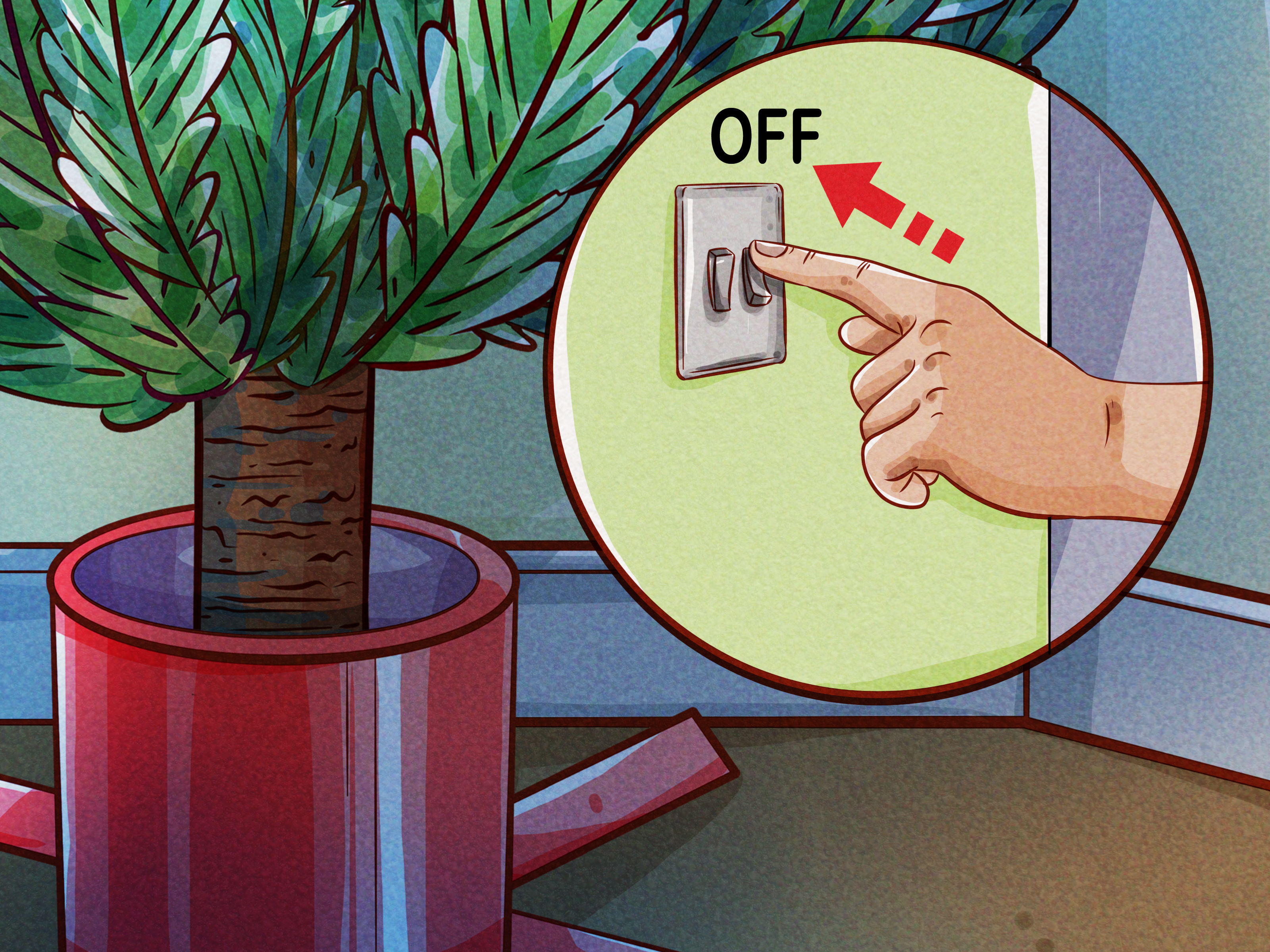
Watering works best when the tree is not fighting constant heat. Place your Christmas tree away from fireplaces, heat vents, radiators, wood stoves, space heaters, and sunny windows. Heat dries the needles faster and increases water demand. It can also create a fire risk if the tree becomes too dry.
Even a beautiful tree can struggle in the wrong location. A spot beside the fireplace may look charming in photos, but your tree may interpret it as a slow sauna appointment. Choose a cooler location where the tree can remain fresh longer and where cords and decorations can be arranged safely.
9. Use Cooler Rooms and Humidity to Your Advantage
Dry indoor air can pull moisture from the tree. If your home runs very warm in winter, consider lowering the thermostat slightly in the room where the tree stands, especially overnight. A humidifier in the same general area may also help reduce dryness in the room, although it does not replace watering the stand.
Do not mist the tree heavily near lights, cords, or ornaments. The main hydration source should be the trunk in the water reservoir. The goal is not to create a rainforest in your living room. The goal is to keep the tree comfortable without giving your extension cords a spa day.
10. Watch for Signs the Tree Is Drying Out
A properly watered Christmas tree should keep most of its needles and remain flexible for several weeks. Signs of dryness include brittle needles, dull color, drooping branch tips, excessive needle drop, and a trunk that no longer seems to drink water. If the tree stops taking up water and becomes noticeably dry, it may be time to remove it from the home.
Do not rely only on the calendar. Some trees last longer than others based on species, freshness, indoor conditions, and care. A fresh, well-watered fir may look good for weeks, while a neglected tree near a heat vent may give up before the holiday playlist reaches track five.
11. Remove the Tree Before It Becomes Too Dry
When the holidays are over, or when the tree becomes dry and brittle, remove it promptly. Many communities offer Christmas tree recycling, curbside pickup, mulch programs, or designated drop-off sites. Before disposal, remove all ornaments, lights, tinsel, hooks, and the tree stand.
Do not burn a Christmas tree in a fireplace or wood stove. Dry evergreen branches can burn very quickly and create intense heat. A tree that made your living room magical should not end its career as a fireball. Recycle it safely, sweep up the needles, and begin pretending you will organize the ornaments better next year.
Common Christmas Tree Watering Mistakes
Using a Stand That Is Too Small
A small stand means frequent refilling and a higher chance the tree will run dry. Choose a stand with a generous reservoir, especially for trees over six feet tall.
Adding Home Remedies to the Water
Plain water is the safest and most reliable choice. Additives are unnecessary and may create problems, especially in homes with pets.
Cutting the Trunk at an Angle
An angled cut can make the tree unstable and may reduce water contact. Always make a straight cut across the base.
Forgetting the Water After Decorating
Once gifts, skirts, lights, and decorations are in place, watering becomes easier to ignore. Make it part of your daily routine, like turning off the lights at night or checking whether someone already ate the last cookie.
Christmas Tree Watering FAQ
Should Christmas tree water be warm or cold?
Plain tap water is fine. Some people use warm water for the first filling, but the most important factor is not temperature. It is keeping the reservoir full and never letting the trunk dry out.
How often should I water a Christmas tree?
Check the water level at least once a day. During the first few days, check twice daily because a fresh tree may drink a surprising amount.
Why is my Christmas tree not drinking water?
The trunk may have dried and sealed, the tree may already be old, or the water level may have dropped below the cut end. If the tree recently ran dry, making a new straight cut at the base may help, though this is difficult once the tree is decorated.
Can I put sugar in Christmas tree water?
It is better to use plain water. Sugar and other additives are not necessary for normal Christmas tree care and may attract pests or create safety concerns for pets.
How long will a watered Christmas tree last?
A fresh, well-cared-for Christmas tree can often last three to four weeks indoors. Actual results depend on the tree species, freshness at purchase, room temperature, stand size, and watering routine.
Extra Experience: What Actually Works When Watering a Christmas Tree
After dealing with real Christmas trees, the biggest lesson is that the tree usually tells you what it needs if you pay attention early. The first evening is the most important. Many people bring the tree home, set it up, admire it, take pictures, and then forget that the stand reservoir may already be half empty by bedtime. A fresh tree can drink like it just crossed a desert wearing a sweater. If you fill the stand once and walk away for two days, you may be setting yourself up for needle confetti.
A practical habit is to water the tree at the same time every day. Morning works well because the room is quiet, the lights are off, and you can see what you are doing. Keep a dedicated watering can nearby, preferably one with a long narrow spout. This prevents the classic holiday yoga pose known as “crawling under the tree while trying not to knock off the fragile ornament from Aunt Linda.” A funnel and a short piece of clean tubing can also help if the stand opening is difficult to reach.
Another useful trick is to mark the inside of the stand, if possible, so you know the minimum safe water level. Some stands are dark, awkward, and apparently designed by people who enjoy guessing games. A small flashlight makes checking easier. You can also gently touch the water surface with the end of a wooden dowel or ruler to see how deep it is. Just keep that tool separate from kitchen use, because nobody wants “subtle evergreen reservoir flavor” in soup.
Tree placement also matters more than people expect. One family may water daily and still have a tree dry quickly because it sits beside a heating vent. Another may water the same amount and keep the tree fresh longer because it stands in a cooler corner. If you can choose between the dramatic fireplace location and the practical wall away from heat, choose the practical wall. Your tree will look better, last longer, and drop fewer needles into places you will still be vacuuming in March.
It also helps to decorate thoughtfully. Heavy ornaments can make drying branches sag faster, so place the heaviest decorations closer to the trunk where branches are stronger. Use modern, cool-running lights and inspect cords before putting them on the tree. Turn lights off when you leave the house or go to bed. Watering keeps the tree fresher, but smart decorating keeps the whole setup safer.
Finally, accept that a real tree is a temporary guest. Even with perfect watering, it will not last forever. When needles become brittle, branches lose flexibility, or the tree stops taking up water, it is time to say goodbye. Removing it before it becomes extremely dry is not giving up; it is good tree care and good home safety. Besides, by then the tree has done its job: it held the lights, made the room smell festive, guarded the presents, and gave everyone at least one moment of holiday magic.
Conclusion
Learning how to water a Christmas tree is one of the simplest ways to protect your holiday centerpiece. Start with a fresh tree, make a straight cut at the base, use a sturdy stand with enough capacity, and fill it with plain water immediately. Check the water daily, especially during the first few days, and never let the trunk sit above the water line.
A hydrated Christmas tree keeps its needles longer, smells fresher, looks brighter, and is less likely to become a dry hazard. The routine takes only a minute, but it can add weeks of beauty to your home. In other words, your tree does not need fancy potions, complicated tricks, or a motivational speech. It needs water, a good stand, and someone responsible enough to remember it between cookie runs.