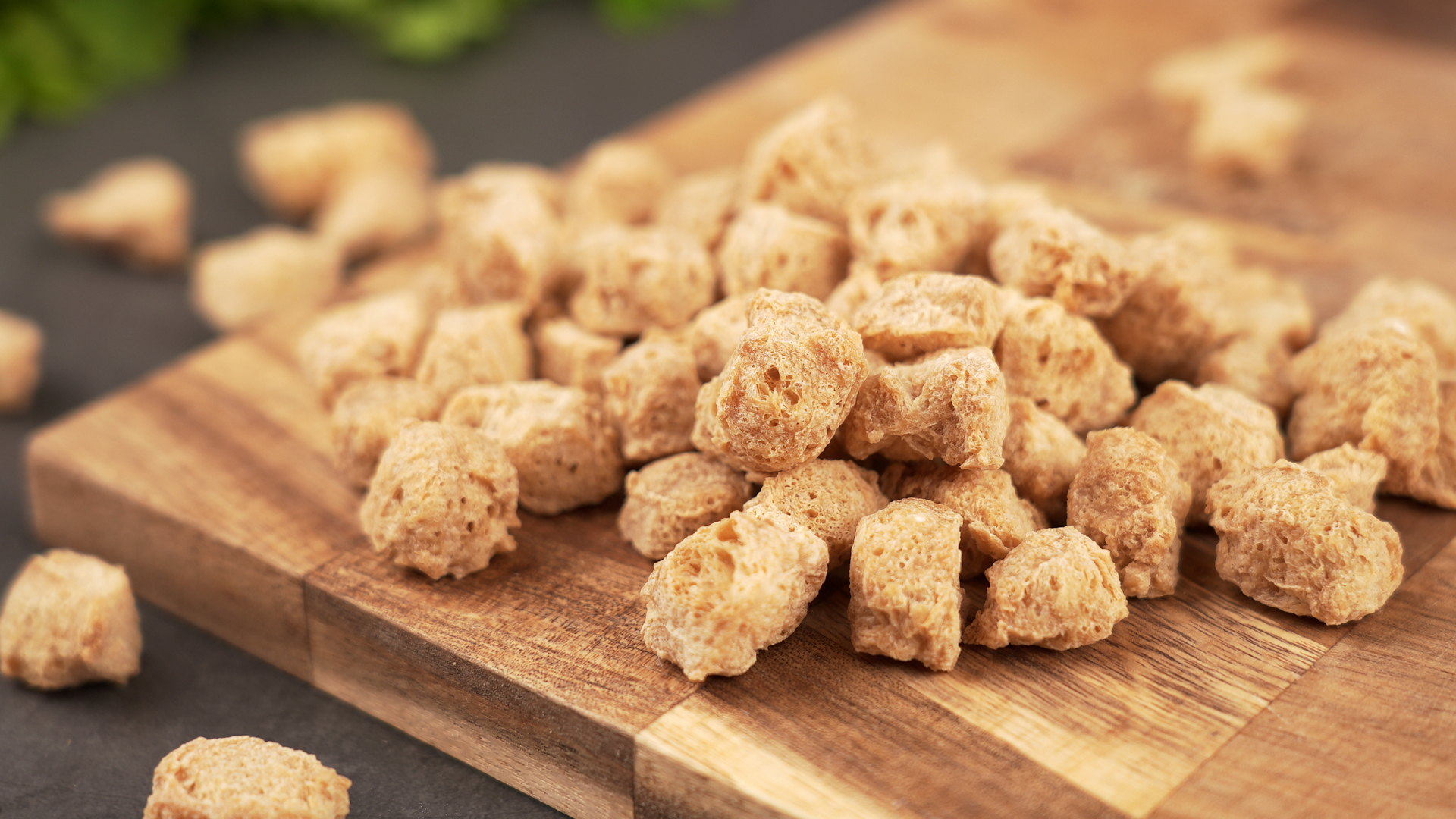

Soya chunks are the little kitchen shapeshifters that look boring in the package, act like sponges in hot water, and then somehow become the star of curry, stir-fry, wraps, rice bowls, soups, and snack plates. If tofu is the calm roommate who reads quietly, soya chunks are the dramatic cousin who shows up wearing sunglasses and says, “Give me spices and I’ll become dinner.”
The best part? You can cook soya chunks without oil and still get bold flavor, chewy texture, and satisfying meals. No slippery pan, no oily leftovers, no sad “healthy food” energy. Oil-free cooking simply means using smarter moisture, heat, seasoning, and texture techniques. Broth, tomato puree, yogurt, lemon juice, spices, steam, air frying, and baking can do a lot of the heavy lifting.
Before we start, let’s clear up what soya chunks are. Soya chunks, also called soy chunks or textured vegetable protein, are usually made from defatted soy flour. They are dried, shelf-stable, high in plant-based protein, and famous for absorbing flavor like they have unpaid rent in your spice cabinet. Because they are naturally low in fat, they work beautifully in oil-free recipes when handled correctly.
Why Cook Soya Chunks Without Oil?
Cooking soya chunks without oil can be useful for people who prefer lighter meals, follow a plant-based diet, want to reduce added fats, or simply do not enjoy greasy food. It is not about making food boring. It is about building flavor from spices, aromatics, sauces, herbs, vegetables, and good cooking technique.
Oil-free soya chunk recipes can still be rich and deeply seasoned. The trick is to avoid tossing dry chunks into a dry pan and expecting magic. Soya chunks need hydration, seasoning, and a little patience. Treat them like a flavor sponge, not like a potato chip with ambition.
How to Prepare Soya Chunks Before Cooking
Most oil-free soya chunk recipes begin with the same basic preparation. This step removes the raw “beany” smell and gives the chunks a better bite.
Basic Prep Method
- Boil 3 cups of water with a pinch of salt.
- Add 1 cup of dry soya chunks.
- Simmer for 5 to 8 minutes, or until the chunks soften.
- Drain and rinse with warm water.
- Squeeze gently to remove extra water.
- Marinate or cook with spices, sauce, broth, or vegetables.
Do not skip the squeeze. If you leave too much water inside, the chunks may taste watery and bland. Squeezing them makes room for flavor to move in. Think of it as politely evicting the boring water before inviting the masala, garlic, herbs, and sauce to the party.
8 Simple Ways to Cook Soya Chunks Without Oil
1. Boiled and Spiced Soya Chunks
This is the easiest method and a great starting point for beginners. After boiling, rinsing, and squeezing the soya chunks, simmer them again in a flavorful spice mixture. Use water or vegetable broth as the base, then add turmeric, cumin, coriander, chili powder, black pepper, garlic powder, onion powder, and a squeeze of lemon.
For a quick meal, add chopped tomatoes, green peas, carrots, and bell peppers. Let everything simmer until the vegetables soften and the soya chunks absorb the seasoning. The result is simple, warm, and comforting. Serve it with rice, quinoa, flatbread, or a baked potato.
Flavor tip: Add garam masala or smoked paprika near the end, not at the beginning. Finishing spices keep their aroma better and make the dish smell like you know exactly what you are doingeven if you are still wearing pajamas.
2. Oil-Free Soya Chunk Curry
A curry without oil can still taste deep and satisfying. The secret is to build the base with onions, tomatoes, ginger, garlic, and spices using water sautéing. Instead of oil, heat a nonstick pan and add chopped onions with 2 tablespoons of water. Cook until the onions soften and lightly brown, adding small splashes of water whenever they begin to stick.
Next, add ginger, garlic, tomato puree, turmeric, cumin, coriander, chili powder, and salt. Let the tomato mixture cook down until thick. Add boiled and squeezed soya chunks, then pour in enough water or vegetable broth to create a gravy. Simmer for 10 to 15 minutes so the chunks absorb the sauce.
For creaminess without oil, blend soaked cashews with water, use plain low-fat yogurt, or add blended white beans. Coconut milk also works, but use it according to your preference because it adds richness. Finish with cilantro and lemon juice.
3. Air Fryer Soya Chunks Without Oil
If you want chewy edges and a snack-like texture, the air fryer is your best friend. It gives soya chunks a roasted bite without deep frying. First, boil, rinse, and squeeze the chunks. Then marinate them with lemon juice, soy sauce or tamari, garlic powder, smoked paprika, cumin, chili flakes, and a spoonful of tomato paste or thick yogurt to help spices cling.
Place the marinated chunks in a single layer in the air fryer basket. Cook at 375°F for 8 to 12 minutes, shaking halfway through. They should become slightly crisp outside and chewy inside.
Use air-fried soya chunks in wraps, salads, grain bowls, or tacos. They are also excellent with a dip made from yogurt, lemon, mint, and black pepper. Warning: once they are crispy, people may start “just tasting one” until half the batch mysteriously disappears.
4. Oven-Baked Soya Chunks
Baking is perfect when you want a hands-off method. It is also helpful for meal prep because you can cook a large tray at once. Prepare the soya chunks, then toss them with a thick oil-free marinade. Good options include barbecue sauce, buffalo-style hot sauce, teriyaki sauce, tikka-style yogurt marinade, or tomato-chili seasoning.
Line a baking sheet with parchment paper. Spread the chunks in one layer and bake at 400°F for 15 to 20 minutes, flipping once. If the marinade dries too quickly, brush or spoon on a little extra sauce halfway through.
Baked soya chunks work well in sandwiches, lettuce cups, rice bowls, and pasta dishes. For a smoky version, mix tomato paste, apple cider vinegar, garlic powder, onion powder, smoked paprika, black pepper, and a little maple syrup. It gives barbecue flavor without needing oil.
5. Water-Sautéed Soya Chunks With Vegetables
Water sautéing is one of the most useful skills for oil-free cooking. Start with a hot nonstick pan. Add onions, garlic, ginger, mushrooms, bell peppers, carrots, cabbage, or zucchini. Instead of oil, add water or vegetable broth 1 to 2 tablespoons at a time. Let the vegetables brown slightly, then deglaze the pan with another splash of liquid.
Once the vegetables are tender-crisp, add prepared soya chunks. Season with soy sauce, vinegar, chili sauce, black pepper, and a little maple syrup if you like sweet-savory flavor. Cook until the liquid reduces and coats the chunks.
This method is great for quick weeknight meals. Serve with brown rice, noodles, or steamed greens. The vegetables add moisture, color, fiber, and flavor, while the soya chunks bring chew and protein. It is the kind of dinner that looks planned even when it started as “What is hiding in the fridge?”
6. Soya Chunk Soup or Stew
Soya chunks are excellent in soups because they soak up broth beautifully. Add them to vegetable soup, lentil stew, minestrone-style soup, chili, or spicy tomato broth. For best texture, use boiled and squeezed chunks, then simmer them in the soup for 10 to 20 minutes.
A simple oil-free soya chunk stew can include onions, carrots, celery, potatoes, tomatoes, garlic, vegetable broth, herbs, black pepper, and cooked soya chunks. Add beans or lentils if you want an extra hearty bowl. For Indian-style comfort, simmer soya chunks with tomatoes, cumin, turmeric, coriander, spinach, and lentils.
Soup is forgiving. If your chunks are a little too chewy, simmer longer. If the broth tastes flat, add lemon juice, vinegar, herbs, or a pinch of chili. Acid brightens the whole dish and keeps it from tasting like boiled homework.
7. Oil-Free Soya Chunk Pulao or Rice Bowl
Soya chunks and rice are a practical pair. To make an oil-free pulao, water-sauté onions, garlic, ginger, and whole spices such as bay leaf, cinnamon, cloves, or cumin seeds. Add chopped vegetables, rinsed rice, prepared soya chunks, salt, and water or broth. Cook until the rice is tender and the chunks are flavorful.
If you prefer bowls, keep the components separate. Add steamed rice or quinoa to a bowl, top with spiced soya chunks, roasted vegetables, cucumber, herbs, pickled onions, and a sauce. Try lemon-tahini sauce, yogurt-mint sauce, tomato salsa, or soy-ginger dressing.
This method is great for meal prep because the chunks stay chewy after reheating. Add fresh herbs or crunchy vegetables right before serving so the bowl does not feel tired on day two. Nobody wants lunch that looks like it has already lived a full life.
8. Soya Chunk Wraps, Tacos, and Lettuce Cups
For fast, fun meals, turn oil-free soya chunks into fillings. Use Mexican-inspired seasoning with cumin, chili powder, garlic, tomato paste, and lime. Use Mediterranean flavors with lemon, oregano, garlic, cucumber, and yogurt sauce. Use Indian flavors with garam masala, turmeric, coriander, mint chutney, and onions.
To make a taco-style filling, simmer prepared soya chunks with tomato sauce, cumin, paprika, chili powder, garlic, and a splash of broth until thick. Spoon into corn tortillas with lettuce, salsa, avocado, cabbage, and lime. For lettuce cups, use crisp romaine or butter lettuce and top with soy-ginger chunks, shredded carrots, scallions, and sesame-free chili sauce if you want to keep it oil-free.
Wraps are also a smart way to use leftovers. Add cooked chunks, fresh vegetables, sauce, and herbs to a whole-grain tortilla. Roll it tightly and pretend you run a lunch café. Bonus points if you cut it diagonally, because diagonal sandwiches always look more professional.
Best Oil-Free Flavor Builders for Soya Chunks
Oil-free cooking depends on flavor layering. Since oil usually carries spices and richness, you need other ingredients to do that job. Luckily, your pantry has plenty of candidates.
- Vegetable broth: Adds savory depth and prevents sticking.
- Tomato paste: Creates thickness, color, and umami.
- Lemon juice or vinegar: Brightens heavy flavors.
- Garlic and ginger: Bring warmth and aroma.
- Soy sauce or tamari: Adds salty, savory flavor.
- Yogurt: Helps spices stick and adds tang.
- Spice blends: Curry powder, garam masala, taco seasoning, Cajun seasoning, and Italian herbs all work well.
- Fresh herbs: Cilantro, parsley, mint, basil, and scallions make the final dish taste fresher.
Common Mistakes When Cooking Soya Chunks Without Oil
Skipping the Rinse
Some soya chunks have a strong aroma after boiling. Rinsing and squeezing improves the taste and texture. It is a small step with a big payoff.
Using Too Much Water in the Final Dish
Soya chunks should absorb flavor, not float around like tiny life rafts. Add liquid gradually and let sauces reduce.
Underseasoning
Soya chunks are mild on their own. Season the boiling water, the marinade, and the final sauce. Flavor needs layers, not one lonely sprinkle of salt at the end.
Cooking Too Briefly
Once the chunks are in sauce, give them time. Ten extra minutes of simmering can turn bland pieces into savory bites.
Simple Oil-Free Marinade Ideas
Spicy Tikka Marinade
Mix plain yogurt, lemon juice, ginger, garlic, turmeric, paprika, cumin, coriander, garam masala, and salt. Coat prepared soya chunks and bake or air fry.
Barbecue Marinade
Combine tomato paste, apple cider vinegar, smoked paprika, garlic powder, onion powder, black pepper, mustard, and a little maple syrup. Bake until sticky.
Asian-Inspired Marinade
Mix soy sauce, rice vinegar, ginger, garlic, chili flakes, and a touch of date syrup or maple syrup. Simmer in a pan until glossy.
Lemon Herb Marinade
Use lemon juice, garlic, oregano, parsley, black pepper, vegetable broth, and a spoonful of thick yogurt or blended white beans for body.
What to Serve With Oil-Free Soya Chunks
Oil-free soya chunks pair well with many sides. Serve curry-style chunks with rice, roti, or millet. Add air-fried chunks to salads, wraps, and grain bowls. Use tomato-based chunks in pasta or stuffed bell peppers. Spoon spicy chunks over baked sweet potatoes for a filling meal.
For balance, add vegetables and a source of carbohydrates. A simple plate might include soya chunk curry, brown rice, cucumber salad, and steamed greens. A quick lunch might be a wrap with baked soya chunks, lettuce, tomato, onions, and yogurt sauce. A cozy dinner might be soya chunk stew with potatoes and carrots.
Real Kitchen Experiences: What Actually Works
After cooking soya chunks without oil many times, one lesson becomes obvious: texture is everything. The first time many people try soya chunks, they boil them, toss them into sauce, and wonder why the result tastes like a sponge that attended a meeting but did not participate. The fix is simple. Boil, rinse, squeeze, and then cook them again in a strong sauce. That second cooking step is where the flavor moves in and signs the lease.
Another experience worth sharing is that dry heat can make a huge difference. Air frying or baking after marinating gives soya chunks a firmer exterior. This is especially helpful if you are serving them in wraps, tacos, or salads. Soft chunks are fine in curry, but for handheld meals, a little chew makes the whole dish more satisfying. The air fryer method is especially friendly for busy days because it needs very little attention. Shake the basket once, look proud, and continue with your life.
Water sautéing also gets easier with practice. At first, it may feel strange to cook onions without oil. They may stick, complain, and act dramatic. Keep the heat at medium, add small splashes of water or broth, and let the onions slowly soften and brown. Do not flood the pan. A tablespoon or two at a time is enough. The goal is not onion soup; the goal is a flavorful base. Once the onions, garlic, ginger, and spices smell good, the soya chunks have a much better chance of tasting good too.
One of the best everyday tricks is to season the soaking or boiling liquid. Plain water hydrates the chunks, but seasoned water starts the flavor process early. Add salt, bay leaf, garlic powder, or broth. Then squeeze the chunks and finish them in sauce. This creates flavor from inside and outside. It is like giving the chunks a personality before sending them into the pan.
For meal prep, tomato-based recipes tend to hold up well. Soya chunks cooked in tomato, spices, and broth often taste even better the next day because they keep absorbing flavor. Creamy yogurt-based versions are delicious too, but they should be reheated gently to avoid splitting. If packing lunches, keep fresh toppings separate. Add cucumber, herbs, lemon, or crunchy cabbage right before eating.
Finally, do not expect soya chunks to taste exactly like meat. They are their own ingredient, and that is a good thing. They are chewy, affordable, pantry-friendly, and extremely adaptable. When cooked without oil, they can still be spicy, smoky, tangy, saucy, crispy, or comforting. The real secret is not oil. The real secret is moisture control, bold seasoning, and enough cooking time for the flavor to settle in.
Conclusion
Cooking soya chunks without oil is not a compromise; it is a technique upgrade. With boiling, squeezing, marinating, simmering, baking, air frying, water sautéing, and smart seasoning, you can turn dry soy chunks into meals that are hearty, flavorful, and easy to repeat. Whether you prefer curry, soup, rice bowls, tacos, wraps, or crispy snacks, soya chunks can fit the plan without needing a drop of oil.
The biggest rule is simple: do not treat soya chunks like an instant miracle. Prepare them properly, season them generously, and let them absorb flavor. Do that, and these humble little protein nuggets will stop looking like emergency pantry filler and start acting like the weeknight dinner hero they were born to be.
Note: This article is for general cooking and nutrition information. Ingredient labels, sodium levels, and dietary needs can vary, so adjust seasonings and portions based on personal preference and health requirements.