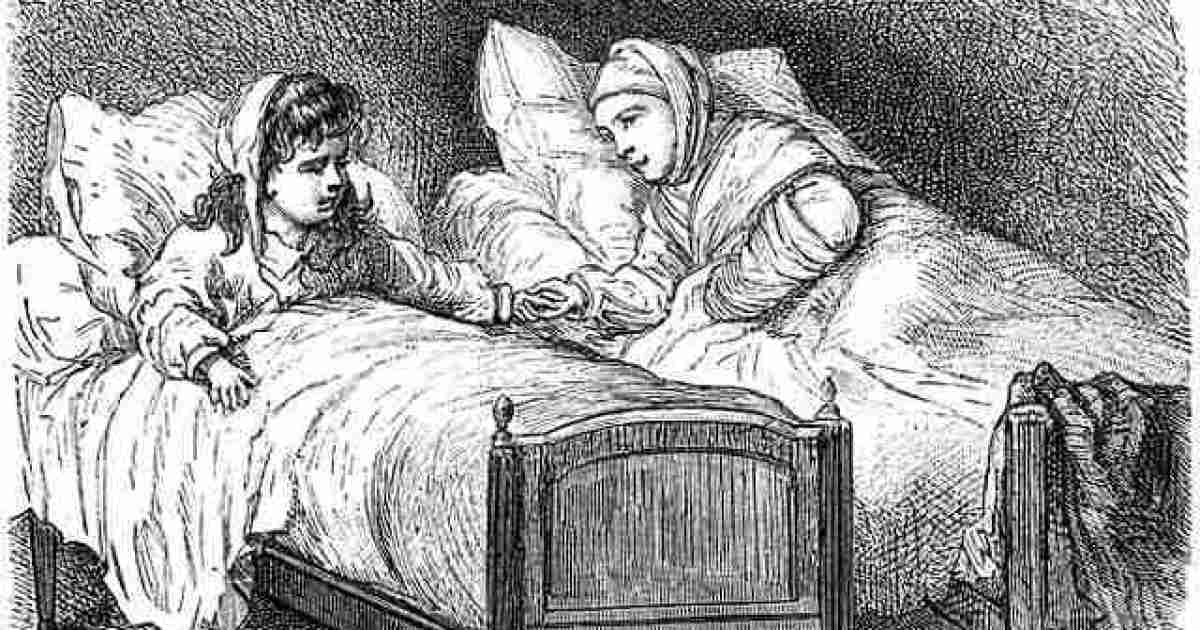

History is not just a neat row of kings, wars, inventions, and people in dramatic hats. It is also a wonderfully strange attic filled with customs that make modern readers blink twice and ask, “Wait… they did what?” From jeweled teeth and blackened smiles to ship burials, skull surgery, hair jewelry, and festivals where society turned upside down for a few chaotic days, our ancestors had plenty of traditions that feel bizarre today.
But here is the twist: many of these unusual ancient customs made sense in their own time. They were shaped by religion, medicine, beauty standards, social rank, fear of death, love for family, and the eternal human desire to belong. In other words, people in the past were not simply being weird for sport. They were trying to solve problems, honor beliefs, impress neighbors, mourn loved ones, and explain a world that often felt mysterious.
So, buckle up. We are about to take a tour through some of the most bizarre customs from historycustoms that are fascinating, occasionally unsettling, and very good at making modern life look slightly less dramatic.
Why Ancient Customs Can Look So Strange Today
Before we start pointing at the past and giggling into our reusable coffee cups, it helps to remember one thing: every culture has customs that outsiders may find odd. Modern people wear neckties, spend fortunes on weddings, take photos of lunch, and voluntarily sit in traffic for hours. Future historians may have questions.
Ancient traditions often grew from practical needs. Burial customs helped people cope with death. Body modifications showed status, maturity, courage, or beauty. Medical rituals were attempts to heal before modern science existed. Festivals gave communities a way to release pressure, celebrate harvests, and reset social relationships. The customs may seem bizarre now, but they reveal how creative, anxious, symbolic, and surprisingly familiar human beings have always been.
1. Ancient Egyptian Mummification: Preparing for the Ultimate Road Trip
Few bizarre ancient customs are as famous as Egyptian mummification. For ancient Egyptians, death was not the end of the story. It was more like a dramatic relocation process, and the body needed to be ready for the afterlife. That meant careful preservation, ritual wrapping, and a great deal of planning.
During mummification, embalmers removed organs, dried the body using natron salt, treated it with oils and resins, and wrapped it in layers of linen. Important organs such as the lungs, liver, stomach, and intestines were often preserved separately in canopic jars, while the heart was usually left in place because it was believed to be central to judgment in the afterlife.
To modern eyes, this sounds like an extremely elaborate funeral package. To Egyptians, it was sacred technology. A preserved body gave the soul a recognizable home. Grave goods, amulets, food, furniture, and even mummified animals could accompany the dead. It was spiritual insurance with linen wrapping.
2. Trepanation: Ancient Skull Surgery With Very Limited Customer Service
Trepanation, also called trepanning, is one of the oldest known surgical practices. It involved drilling, scraping, or cutting a hole into the skull. Yes, the skull. No, this was not a spa treatment.
Archaeological evidence shows that trepanation was practiced in many regions, including Europe, Africa, Asia, and the ancient Americas. Some skulls show signs of healing around the openings, which means certain patients survived the procedure. In some cases, trepanation may have been used to treat head injuries, relieve pressure, or address neurological symptoms. In other cases, it may have had ritual or spiritual meaning, such as releasing harmful forces believed to be trapped inside the head.
The most surprising part is not that ancient people tried it. The most surprising part is that some became skilled at it. In parts of the Andes, later pre-Columbian practitioners achieved impressive survival rates. That does not mean anyone should attempt a backyard version. Please leave skull holes to licensed neurosurgeons and horror movies.
3. Maya Dental Decoration: When Your Smile Needed Jewelry
Modern dentistry gives us braces, whitening strips, and the occasional lecture about flossing. The ancient Maya took dental style in a different direction. Some elite Maya individuals had teeth filed into shapes or drilled with tiny holes to hold precious inlays such as jade, pyrite, or other decorative stones.
This was not random decoration. Dental modification could signal status, identity, beauty, and social position. A sparkling mouth was not just a fashion statement; it was a résumé with enamel. Skilled specialists performed these procedures, and evidence suggests they had a detailed understanding of how to work with teeth without instantly ruining them.
Of course, there were risks. Infection, gum disease, and abscesses could happen. Still, the custom shows how deeply humans have connected appearance with meaning. Today people may buy luxury watches or designer sneakers. In the Maya world, your front teeth could do the flexing.
4. Maya Bloodletting: Royal Pain With Religious Purpose
Another striking Mesoamerican custom was ritual bloodletting. Maya rulers and priests pierced body parts such as the tongue, lips, or ears and offered their blood to the gods. This was not casual paper-cut symbolism. Blood was viewed as sacred, powerful, and necessary for communicating with divine forces.
Bloodletting rituals could mark major political or religious events. The pain, blood loss, and ceremonial setting may have helped participants enter altered states or experience visions. For rulers, these rituals reinforced authority by showing that they could personally nourish the cosmic order.
To modern readers, it sounds intense. To the Maya elite, it was leadership with a very sharp edge.
5. Roman Saturnalia: The Holiday Where Rules Took a Vacation
The ancient Roman festival of Saturnalia was one of the most anticipated events on the Roman calendar. Held in December in honor of Saturn, the agricultural god, Saturnalia involved feasting, gift-giving, games, public celebration, and a temporary loosening of social rules.
One of the strangest features was role reversal. Normal hierarchies softened. Enslaved people could be treated with unusual freedom during the festival, and household order could be playfully inverted. Work stopped, businesses slowed, and the city leaned into a mood of controlled chaos.
Saturnalia reminds us that even strict societies need release valves. Rome had laws, ranks, duties, and military discipline. It also had a holiday that basically said, “For a few days, let us all become ridiculous.” Honestly, relatable.
6. Lupercalia: Ancient Rome’s Fertility Festival With Running, Goats, and Awkward Energy
If Saturnalia was Roman winter chaos, Lupercalia was Roman fertility theater. Celebrated in February, Lupercalia was associated with purification, fertility, and the legendary origins of Rome. Rituals involved sacrifice, feasting, and young men running through the city in ceremonial fashion.
One famous part of the festival involved strips of goat hide used in fertility rites. Roman women reportedly allowed themselves to be touched with these strips because the act was believed to encourage fertility or ease childbirth. From a modern perspective, this is the kind of event that would cause an immediate HR investigation. In ancient Rome, it was tradition.
Lupercalia shows how fertility customs often blended religion, public performance, and symbolic contact. It also proves that ancient festivals were rarely boring.
7. Greek Kottabos: The Drinking Game That Required Aim
Ancient Greek symposia were social drinking parties where elite men discussed politics, philosophy, poetry, and probably a fair amount of gossip. One popular party game was kottabos, which involved flicking the dregs of wine at a target.
Imagine a room full of reclining guests, cups in hand, attempting to launch leftover wine with style and accuracy. The game could be playful, flirtatious, competitive, and messy. It was not just drinking; it was drinking with physics.
Kottabos may seem silly, but it reveals an important point about ancient customs: people have always invented games to make social gatherings more entertaining. The technology changes. The human need to show off at parties does not.
8. Viking Ship Burials: Sailing Into the Afterlife
Viking burial customs were diverse. Some people were cremated, others were buried in graves, and a small number of high-status individuals were buried with boats or ships. Ship burials were rare and prestigious, connected to wealth, identity, and beliefs about the journey after death.
In some cases, the dead were placed in vessels with grave goods such as weapons, jewelry, tools, animals, textiles, or household items. The ship itself symbolized power and passage. For a seafaring culture, what better way to travel into the next world than in the object that defined life in this one?
Modern funerals may include flowers, photographs, and favorite songs. Viking elites sometimes got a boat. It was dramatic, expensive, and extremely on-brand.
9. Foot Binding in China: Beauty, Status, and Pain
Foot binding is one of history’s most painful beauty customs. Practiced for centuries in China, it involved tightly binding young girls’ feet to alter their shape and size. Small feet became associated with beauty, refinement, marriageability, and elite femininity.
The custom was not merely personal fashion. It reflected broader social values, including gender hierarchy, family ambition, and expectations of obedience. Bound feet limited mobility, which reinforced ideals of domesticity and dependence. Mothers and grandmothers often participated in the process, not necessarily out of cruelty, but because they believed it could improve a girl’s social future.
Foot binding is a powerful reminder that beauty standards can become systems of control. It also raises an uncomfortable question for the present: which modern beauty practices will future generations find shocking?
10. Japanese Ohaguro: The Beauty of Blackened Teeth
In Japan, the practice known as ohaguro involved blackening the teeth using a solution often connected with iron and tannins. For centuries, blackened teeth were associated at different times with beauty, maturity, marriage, social status, and dental protection.
To many modern readers, black teeth suggest an emergency dental appointment. In historical Japan, however, the look could be elegant and desirable. The dark color also contrasted with pale facial makeup in courtly and theatrical aesthetics.
Ohaguro is a perfect example of how beauty is culturally coded. White teeth are prized in much of modern America. Blackened teeth once communicated refinement in another setting. The mouth stayed the same; the meaning changed.
11. Victorian Mourning Jewelry: Wearing Grief Close to the Skin
The Victorian era had a famously intense relationship with mourning. Death was a visible, structured part of social life, especially after Queen Victoria’s long public mourning for Prince Albert. Clothing, etiquette, stationery, and jewelry could all signal grief.
One especially striking custom was mourning jewelry made with human hair. Locks of a deceased loved one’s hair were woven, braided, or placed under glass in brooches, rings, lockets, and bracelets. Some pieces were beautiful. Some were deeply sentimental. Some feel a little spooky if you discover them in a drawer without warning.
Hair was meaningful because it lasted after death and carried a physical connection to the person who was gone. In a time before digital photos and voice recordings, a strand of hair could be a powerful keepsake. It was grief you could pin to your dress.
12. Corpse Medicine: The Medical Cabinet Nobody Wants Back
Some historical medical customs are difficult to read about without making a face. In parts of Europe, ingredients derived from human remains were once used in medicine. This practice, often called corpse medicine, included remedies involving powdered mummy, human fat, blood, skull moss, or other body-related substances.
People believed these materials could treat conditions ranging from bleeding to epilepsy. The logic came from older medical ideas about life force, sympathy, and the supposed power of substances taken from the human body. It sounds horrifying now, but it existed within medical systems that lacked modern anatomy, germ theory, antibiotics, and clinical testing.
The lesson is not that our ancestors were foolish. It is that medicine without evidence can become very strange very quickly. Today, we have peer review, medical licensing, and warning labels. Progress deserves applause.
What These Bizarre Customs Tell Us About Human Nature
These bizarre customs from history may seem unrelated at first. What does a Roman fertility festival have to do with Egyptian mummification or Japanese tooth blackening? Quite a lot, actually.
People Wanted Control Over Uncertainty
Death, illness, fertility, harvests, and social status were uncertain. Rituals gave people a way to act when they could not fully control outcomes. Mummification addressed death. Bloodletting addressed cosmic duty. Lupercalia addressed fertility. Trepanation addressed pain, injury, or spiritual fear.
Beauty Was Always Social
Foot binding, ohaguro, Maya dental inlays, tattoos, and cranial modification all show that beauty is not universal. It is taught, repeated, rewarded, and sometimes enforced. What one society sees as elegant, another may see as strange.
Memory Needed Physical Objects
Mourning jewelry, grave goods, ship burials, and mummies reveal the human need to keep the dead close. Long before cloud storage, people preserved memory through objects, bodies, hair, symbols, and ceremonies.
Festivals Let Society Breathe
Saturnalia and similar celebrations show that people needed breaks from order. Even ancient civilizations with strict social rules understood the value of temporary reversal, laughter, feasting, and collective release.
Experience Section: What It Feels Like to Explore Bizarre Ancestral Customs
Reading about bizarre customs our ancestors had can feel like walking through a museum after dark with a flashlight and a slightly overactive imagination. At first, the objects and rituals look strange. A jar for organs. A brooch made of hair. A skull with a carefully carved hole. A tooth decorated with jade. You pause, lean closer, and think, “I am grateful for modern dentistry, modern hospitals, and modern party games that do not involve wine projectiles.”
But the longer you study these customs, the less distant they feel. You begin to notice emotions you recognize. The ancient Egyptian family burying a loved one with food and amulets was trying to protect someone beyond the limits of life. The Victorian mourner wearing a lock of hair was holding onto memory in the only physical way available. The Roman celebrating Saturnalia wanted laughter, rest, and a break from daily pressure. The Maya ruler performing bloodletting believed leadership required sacrifice. The Viking elite buried in a ship was surrounded by symbols of identity, achievement, and hope for another journey.
That is where history becomes powerful. It stops being a parade of weird facts and becomes a mirror. Our ancestors had different tools, beliefs, and social rules, but many of their needs were familiar. They wanted love to last. They wanted sickness to end. They wanted children, status, beauty, luck, protection, and meaning. They wanted to explain why bad things happened and what might come after death. They wanted to be remembered.
Exploring these customs also makes modern life look a little more suspicious. We may not drill holes in skulls for spiritual reasons or blacken teeth to show elegance, but we still follow customs that future generations may find amusing. We spend months planning weddings around color palettes. We preserve baby teeth in boxes. We buy expensive skincare made from ingredients we barely understand. We wear uncomfortable shoes because they look good. We take hundreds of photos of ordinary days because memory still matters.
In that sense, studying bizarre ancestral customs is not only entertaining; it is humbling. It reminds us that culture is powerful. It shapes what we fear, what we admire, what we eat, how we grieve, how we celebrate, and even what we consider beautiful. The past may look strange, but it is not separate from us. It is the long, messy, fascinating family album of humanity.
And perhaps that is the best reason to keep looking back. Not to laugh at our ancestors, but to understand them. Their customs may be bizarre, but they were human responses to human problems. Somewhere in the future, people may look back at us with the same raised eyebrow. Let us hope they are kindand that they understand why we took so many pictures of brunch.
Conclusion
Bizarre customs from history are more than spooky trivia or conversation starters for people who enjoy making dinner parties slightly uncomfortable. They are windows into how our ancestors understood life, death, beauty, medicine, power, and community. Egyptian mummification, Maya dental inlays, Roman festivals, Viking ship burials, foot binding, ohaguro, mourning jewelry, trepanation, and corpse medicine all show how deeply culture influences human behavior.
Some practices were beautiful. Some were painful. Some were medically risky. Some were symbolic, sacred, or socially strategic. Together, they prove that humanity has always been inventive, emotional, and occasionally very, very odd. The more we learn about the customs our ancestors had, the more we understand not just the past, but ourselves.