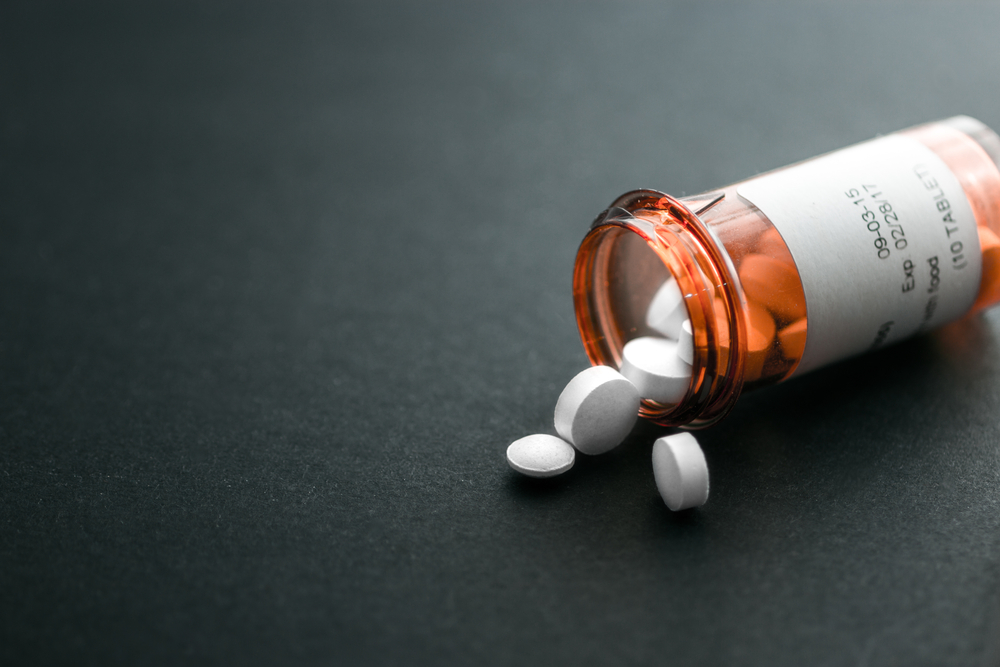

When a doctor prescribes an opioid for your child, your brain may do a tiny parent-cartwheel of panic. One part of you thinks, “Great, pain relief!” Another part whispers, “Wait… opioids? For my kid?” Both reactions make sense. Opioids can be appropriate for short-term, severe pain after surgery, injury, or certain medical procedures. They can also carry real risks when used incorrectly, stored casually, or treated like just another bottle in the medicine cabinet.
This guide is not here to scare you into refusing pain treatment. Pain matters. A child who cannot sleep, eat, breathe deeply, or move after an injury or operation may need stronger help than ice packs and brave smiles. But opioids deserve respectthe kind of respect you give a toddler holding a permanent marker near a white couch. With the right questions, careful dosing, secure storage, and prompt disposal, parents can help children get pain relief while lowering the chances of accidental exposure, misuse, or leftover-pill trouble later.
What Are Opioids, and Why Might a Child Receive One?
Opioids are strong pain-relieving medicines that act on the nervous system. Common prescription opioids include oxycodone, hydrocodone, morphine, hydromorphone, and fentanyl in medical settings. A child may be prescribed an opioid after a significant surgery, a serious fracture, a painful burn, or another short-term condition where pain is expected to be intense.
The key phrase is short-term. For many children, opioids are used for only a few days, often alongside non-opioid pain relievers and comfort measures. The goal is not to make pain vanish into a magical unicorn cloud. The goal is to bring pain down enough so your child can rest, drink fluids, move safely, and heal.
First Question: Is an Opioid Truly Needed?
Before leaving the clinic, hospital, dental office, or pharmacy, ask the prescriber: “Is this opioid necessary for my child’s level of pain, or can we start with non-opioid options?” This is not rude. This is parenting with a clipboard.
Many types of acute pain can be managed with acetaminophen, ibuprofen, local anesthetics, ice, elevation, distraction, rest, or a combination plan. For example, after some dental procedures or minor surgeries, scheduled non-opioid medication may work well. After more painful procedures, a doctor may recommend an opioid only if pain breaks through despite those safer first steps.
A good pain plan is layered. Think of it like dressing for winter: one giant coat may help, but layers usually work better. Non-opioid medicines, sleep, hydration, emotional reassurance, and careful movement can reduce how much opioid medicine is needed.
Ask These Questions Before the First Dose
1. What pain level should trigger this medicine?
Do not guess. Ask whether the opioid should be used only for severe pain, pain that prevents sleep, or pain that does not improve after non-opioid medicine. Clear instructions prevent “just in case” dosing, which is where many medication mistakes begin.
2. How long should my child take it?
Most pediatric opioid prescriptions for acute pain should be brief. Ask the clinician when you should expect to stop, what signs mean your child is improving, and what to do if pain remains severe beyond the expected recovery window.
3. Can my child take acetaminophen or ibuprofen with it?
Sometimes the answer is yes, but timing and ingredients matter. Some opioid products already contain acetaminophen. Doubling up by accident can be dangerous. Ask your pharmacist to review every medicine your child is taking, including fever reducers, cough products, allergy medicine, sleep aids, and supplements.
4. What side effects should I watch for?
Common opioid side effects can include sleepiness, nausea, vomiting, itching, dizziness, and constipation. More serious warning signs include unusual confusion, extreme sleepiness, trouble waking, slow or difficult breathing, blue or gray lips, or limpness. If those occur, treat it as an emergency and call 911.
5. Should we have naloxone at home?
Naloxone is an overdose-reversal medicine. Parents sometimes think, “That sounds dramatic.” But having naloxone available is like having a fire extinguisher in the kitchen. You hope it collects dust forever, but if you need it, you need it immediately. Ask the prescriber or pharmacist whether naloxone is recommended for your household and how to use it.
Important Warning: Avoid Codeine and Tramadol in Children Unless Specifically Directed by a Specialist
Parents should be especially cautious about codeine and tramadol. These medicines have been linked to serious breathing problems in children, and federal warnings restrict their use in many pediatric situations. If your child is prescribed codeine or tramadol, ask why that medicine was chosen, whether safer alternatives exist, and whether your child has any risk factors that make it inappropriate.
This is especially important after tonsil or adenoid surgery, in children with sleep apnea, breathing problems, obesity-related breathing concerns, or in younger children. The basic rule: if the medication name sounds familiar from an old cough syrup bottle in grandma’s cabinet, do not assume it is harmless. Medicine history has plot twists.
Use the Exact DoseNot a Vibe, Not a Kitchen Spoon
For liquid opioid medicine, use the dosing syringe or measuring device provided by the pharmacy. Kitchen spoons are for soup, cereal, and late-night peanut butter decisionsnot opioid dosing. Confirm the amount in milliliters, the timing between doses, and the maximum number of doses per day.
For tablets, ask whether the pill may be split or crushed. Some medicines should not be altered. If your child cannot swallow pills, tell the doctor or pharmacist before improvising. “Creative medicine administration” is not the parenting category where anyone wants bonus points.
Keep a Written Dose Log
During a stressful recovery, parents are tired. Grandparents may help. Another caregiver may step in. Everyone means well, and that is exactly how duplicate doses happen. Keep a simple written log on paper or your phone:
- Time the dose was given
- Name of the medicine
- Amount given
- Pain level before and after
- Any side effects
This tiny habit can prevent big mistakes. It also gives your doctor useful information if pain is not improving or side effects appear.
Storage: Treat Opioids Like You Treat Your Passwords
Opioids should be stored locked, out of sight, and out of reach. Not “high shelf behind the vitamins.” Not “bathroom drawer but the kids never go in there.” Locked. Children are curious, teens are not immune to curiosity, and visitors may also have access to your home.
A small medication lockbox is inexpensive compared with the risk of accidental ingestion or misuse. Keep the medicine in its original container with the label attached. Do not transfer pills into baggies, travel cases, or mystery bottles. Mystery bottles are how family group chats turn into emergency-room updates.
Never Share the Prescription
An opioid prescribed for your child is for your child only. Do not give it to a sibling with a sports injury, a parent with back pain, or anyone else. Body size, medical history, other medications, and breathing risks matter. Sharing prescription opioids is unsafe and illegal.
Also avoid framing the medicine as “super strong stuff” in a way that makes it sound exciting. For younger kids, use plain language: “This is medicine for severe pain. A grown-up gives it exactly as the doctor said.” For teens, be direct: “This can help pain, but it can also be dangerous if taken differently than prescribed.”
Watch the Combination Risks
Opioids can become more dangerous when combined with medicines or substances that cause sedation. Ask the pharmacist specifically about allergy medicines, sleep medicines, anti-anxiety medicines, muscle relaxers, seizure medicines, cough medicine, and any other prescription or over-the-counter products in the house.
For teens, also be clear that alcohol, cannabis, or pills from friends must never be mixed with an opioid prescription. This is not a lecture about being perfect; it is a safety conversation about breathing, judgment, and staying alive.
Constipation Is Not a Small Detail
Opioids commonly slow the gut. That means constipation can show up quickly, even after a short course. Ask the clinician whether your child should increase fluids, eat fiber-rich foods, move gently when allowed, or use a stool softener. Do not start extra medicines without checking first, especially after surgery.
Parents often focus on pain and forget the poop department until the household has entered a dramatic subplot. Prevention is easier than rescue.
When to Call the Doctor
Call your child’s medical team if pain is not improving as expected, your child needs the opioid longer than planned, side effects are hard to manage, vomiting prevents medicine from staying down, or your child seems unusually sleepy or confused. Also call if you feel uneasy. Parent instincts are not diagnostic equipment, but they are excellent alarm bells.
Seek emergency help if your child has trouble breathing, cannot be awakened normally, has bluish lips, collapses, or you suspect an overdose. If naloxone is available and overdose is suspected, use it as instructed and call 911 immediately. Naloxone can help temporarily, but emergency care is still needed.
Disposal: Leftover Opioids Should Not Retire in Your Cabinet
Once your child no longer needs the opioid, get rid of leftovers promptly. The safest option is usually a drug take-back location, pharmacy disposal kiosk, or local take-back event. Many communities offer secure disposal through pharmacies, police stations, hospitals, or public health programs.
If no take-back option is available, follow the disposal instructions on the medication guide or ask your pharmacist. Do not keep leftover opioids “just in case.” That phrase sounds practical, but with opioids it can create risk for accidental poisoning, teen experimentation, theft, or misuse by someone else in the home.
A Real-Life Example: The Wisdom Tooth Weekend
Imagine a 15-year-old has wisdom teeth removed on Friday. The oral surgeon prescribes a few opioid tablets for severe pain. The parent asks whether ibuprofen and acetaminophen can be used first, confirms the opioid is only for breakthrough pain, locks the bottle in a medication box, and writes down every dose. By Sunday, the teen is sore but improving. The parent calls the dentist Monday to confirm the plan, then takes the unused tablets to a pharmacy disposal kiosk.
That is not overreacting. That is the ideal boring outcome. In medicine safety, boring is beautiful.
Another Example: The Broken Arm That Hurts at Night
A younger child breaks an arm and has severe pain the first night after treatment. The doctor prescribes a short opioid course. The family uses ice and elevation, gives non-opioid medicine as directed, and reserves the opioid for severe nighttime pain. They monitor sleepiness, keep the child close, and stop the opioid once pain becomes manageable. They do not wait months to dispose of leftovers.
This balanced approach respects both truths: children deserve pain relief, and opioids require careful handling.
How to Talk to Your Child About Opioids Without Making It Weird
For young children, keep it simple: “This medicine is only for your pain after surgery. Only I give it to you.” For older children and teens, be honest but calm: “This medicine can help when pain is severe, but taking extra or mixing it with other substances can be dangerous.”
Avoid shame. Avoid drama. Avoid turning the conversation into a courtroom monologue. Kids listen better when adults sound steady. The goal is not fear; the goal is respect.
What Parents Should Remember Most
If your child is prescribed an opioid, you do not need to panic. You do need a plan. Confirm why the opioid is needed. Use non-opioid options when appropriate. Give the exact dose. Track doses. Store it locked. Watch for side effects. Ask about naloxone. Dispose of leftovers quickly.
Opioid safety is not about being suspicious of doctors or denying children comfort. It is about teamwork. The prescriber, pharmacist, parent, and child each have a role. When everyone does their part, opioids can be used more safely for the short periods when they are truly needed.
Parent-to-Parent Experience: What This Feels Like in Real Life
The first thing many parents notice when their child receives an opioid prescription is how ordinary the moment feels. You may be standing at a pharmacy counter with a backpack over one shoulder, a tired child leaning against you, and a cashier asking whether you want text alerts. Nothing about the scene screams, “Important safety decision happening right now!” But that is exactly what it is.
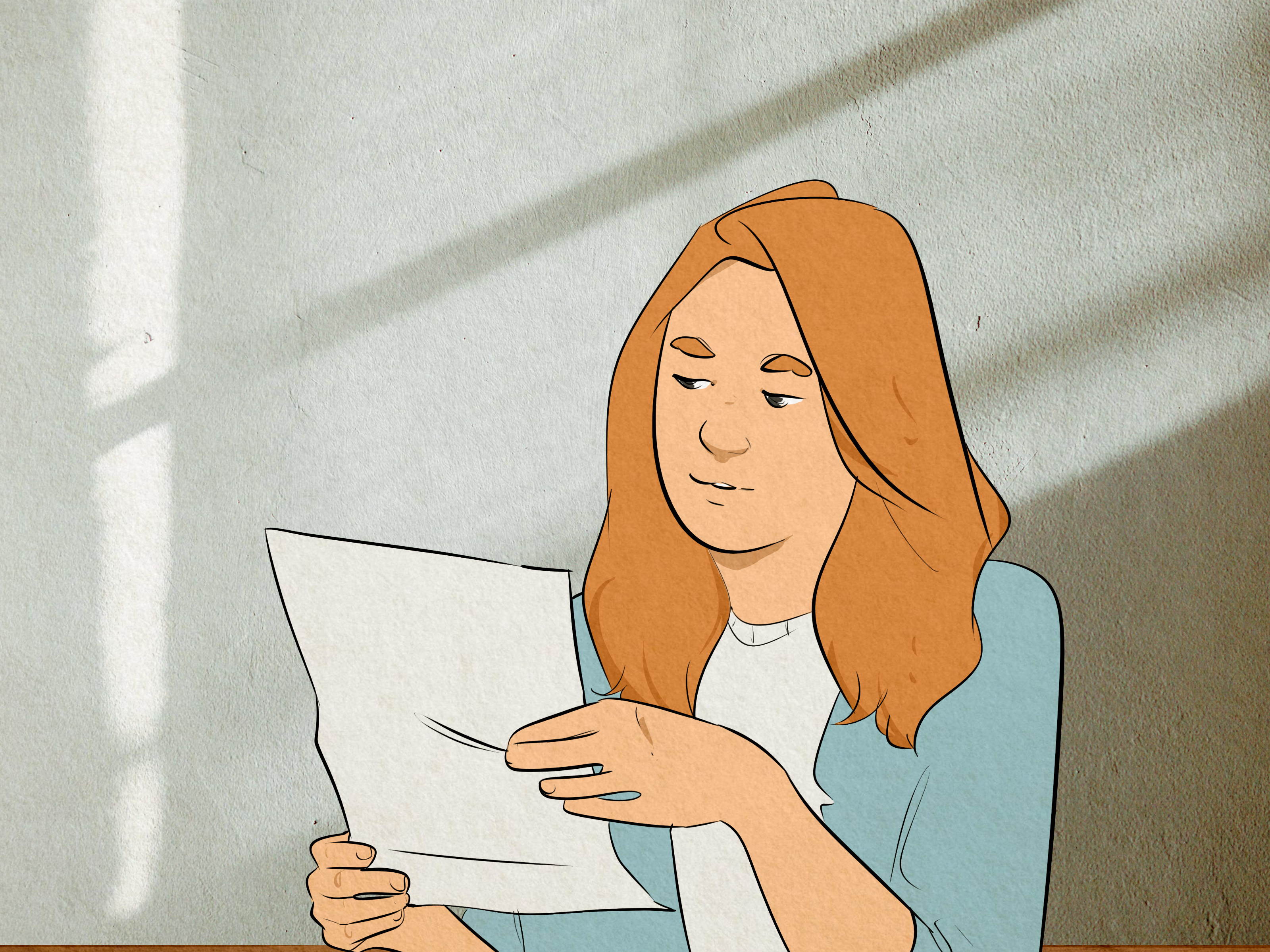
One useful habit is to slow the moment down. Before you leave the pharmacy, step aside and read the label. Check the child’s name, medicine name, dose, timing, and whether the bottle includes acetaminophen. Ask the pharmacist to explain the plan in plain English. You can say, “I’m tired and my child is hurtingcan you walk me through this like I have not slept since Tuesday?” Pharmacists are used to this. Honestly, they may prefer it to guessing whether you understood the tiny-print label written in pharmacy dialect.
At home, create a “medicine command center.” It does not need to be fancy. A locked box, a notebook, a pen, the dosing syringe, and the doctor’s phone number are enough. Put the log where caregivers will see it. If two adults are helping, agree that only one person gives medicine unless both confirm the log. This prevents the classic “I thought you gave it” or “I thought you didn’t” confusion that happens in exhausted households.
Expect emotions. A child in pain may cry, snap, refuse food, or act younger than usual. A teen may insist they are fine because they want independence, then suddenly admit the pain is worse at 1 a.m. Stay calm and keep the plan visible. Use comfort measures too: pillows, ice if allowed, quiet shows, music, breathing exercises, short walks when approved, and reassurance. Pain care is not only pills; it is the whole environment around the child.
Another practical lesson: do not wait until the prescription is finished to think about disposal. Decide on the disposal location early. Search for a local pharmacy kiosk or take-back program while your child is resting. When the medicine is no longer needed, remove it from the house. Parents are busy, and leftover medicine has a sneaky way of becoming invisible. It sits behind sunscreen, cough drops, and that one thermometer that may or may not work. Do future-you a favor: get rid of it promptly.
Finally, trust that asking questions does not make you difficult. It makes you prepared. Doctors and pharmacists would rather answer careful questions than see a preventable mistake. Your child does not need a fearless parent. Your child needs a steady onea parent who can say, “We are going to manage your pain, and we are going to do it safely.” That sentence may not fit on a pharmacy label, but it is the heart of the whole plan.
Conclusion
An opioid prescription for a child should never be treated casually, but it should not automatically be treated as a disaster either. The safest path sits in the middle: use opioids only when needed, for the shortest appropriate time, exactly as directed, with strong storage and disposal habits. Ask questions early, involve your pharmacist, keep a dose log, and call the medical team when something feels off.
Parenting often feels like managing a tiny unpredictable circus. Opioid safety is one place where a little structure goes a long way. Lock it up, write it down, watch closely, and remove leftovers. That is not paranoia. That is smart, modern, evidence-based parentingwith fewer elephants and better labels.
Note: This article is for educational purposes only and does not replace medical advice. Always follow your child’s prescriber and pharmacist instructions, and seek emergency care for serious symptoms or suspected overdose.