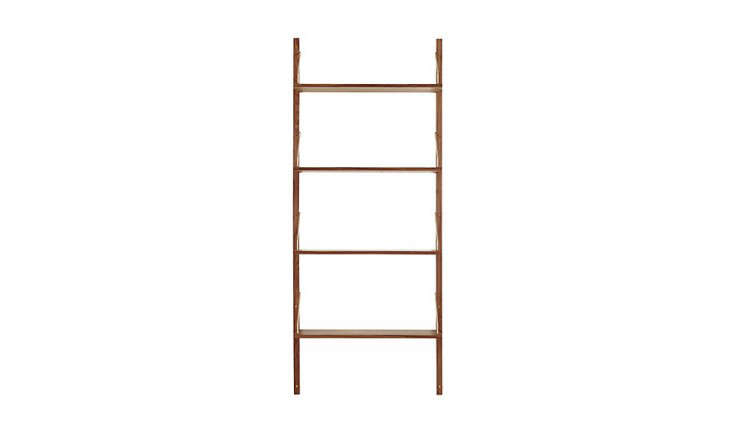

The Royal System Shelving Unit A is the kind of furniture that quietly walks into a room, straightens its collar, and makes every bulky bookcase look a little embarrassed. Designed by Danish furniture legend Poul Cadovius, the Royal System was introduced in 1948 as a clever answer to one of the oldest home design problems: too much furniture, not enough floor.
Instead of letting storage squat heavily on the ground, Cadovius lifted it onto the wall. The result was a modular shelving system that felt lighter, smarter, and more flexible than the conventional cabinets of its time. Unit A, often understood as the compact one-bay version of the Royal System, captures that philosophy beautifully. It is simple, practical, sculptural, and surprisingly modern for a design born in the mid-20th century.
For homeowners, collectors, interior designers, and anyone trying to make a small room breathe, this Danish wall shelving unit is more than a place to park books. It is a design idea: storage should serve the room, not swallow it whole.
What Is the Royal System Shelving Unit A?
The Royal System Shelving Unit A is a compact wall-mounted shelving configuration based on Cadovius’s original Royal System design. It typically features vertical wooden rails, several wooden shelves, and slender metal brackets that allow the shelves to appear light and refined while remaining functional.
Unlike a freestanding bookcase, Unit A does not require legs, side panels, or a heavy base. The structure is mounted to the wall, freeing up floor space and creating an open, airy look. That is exactly why it remains popular in modern apartments, home offices, reading corners, and living rooms where every square foot has to earn its rent.
A Compact Version of a Bigger Idea
The beauty of Unit A is that it gives you the essence of the Royal System without requiring an entire wall. It is ideal for people who want a mid-century modern shelving unit but do not want their room to feel like a furniture showroom from 1962. It can stand alone as a small bookcase, become part of a larger modular wall unit, or be extended with additional bays, cabinets, or desk elements depending on the configuration available.
The History Behind Royal System
Poul Cadovius was not merely a furniture designer; he was a restless inventor. Trained originally in upholstery, he went on to become one of the most inventive figures in Danish furniture history, with hundreds of patents associated with his name. His mind seemed to work like a toolbox with excellent taste.
In 1948, Cadovius introduced the Royal System, one of the earliest wall-mounted furniture systems. His central idea was bold but wonderfully simple: if furniture could move off the floor and onto the walls, rooms would gain more space, light, and flexibility. This principle helped transform storage from a static object into a configurable architectural feature.
The Royal System became a major success during the 1950s and 1960s, and it helped define the clean, functional, and elegant spirit of Danish modern design. It was later relaunched by dk3 in 2010, bringing the system back for a new generation of design lovers who wanted authentic mid-century style without hunting through dusty warehouses and questionable online listings.
Why Royal System Shelving Unit A Still Looks Modern
Some vintage furniture looks charming because it feels old. The Royal System Shelving Unit A looks charming because it does not. Its proportions, materials, and wall-mounted design still feel current in today’s interiors, especially as more people look for flexible storage that works in smaller homes.
It Uses Vertical Space Wisely
Modern homes often need smarter storage, not more furniture. Unit A takes advantage of wall space while leaving the floor open. This makes the room feel less crowded and visually lighter. In a small apartment, that difference can be dramatic. A chunky cabinet says, “I live here now.” A wall-mounted Royal System shelf says, “I am helping.”
It Has a Calm Scandinavian Look
The Royal System fits beautifully into Scandinavian interiors because it values simplicity without becoming cold. The wood rails and shelves add warmth, while the metal brackets provide clean lines and subtle contrast. Whether finished in oak, walnut, or a similar natural wood tone, the unit brings texture without shouting for attention.
It Is Modular Without Looking Mechanical
Many modular storage systems look like they were designed by a committee of filing cabinets. The Royal System is different. Its parts are practical, but the overall effect is graceful. The rails, shelves, and brackets create rhythm on the wall, making the unit feel almost architectural.
Design Features That Make Unit A Special
The Royal System Shelving Unit A succeeds because every visible detail has a purpose. Nothing feels decorative for decoration’s sake, yet the finished piece has plenty of personality.
Wall-Mounted Wooden Rails
The vertical rails are the backbone of the system. They support the shelves and create the visual structure. Because the rails are exposed, they also become part of the design language. This is not furniture pretending to disappear; it is furniture showing its logic proudly.
Slim Metal Brackets
The brackets are small but important. They hold the shelves while giving the system its signature lightness. Depending on the finish and production version, brackets may appear in brass or stainless steel tones. Brass brings warmth and a slightly luxurious note, while stainless steel feels crisp and understated.
Wood Shelves with Refined Proportions
The shelves are typically slim enough to preserve the floating effect but sturdy enough for everyday use. Books, ceramics, framed photos, small speakers, and office items all feel at home here. The shelf depth is especially useful for display and general storage, though heavier objects should always be placed according to the manufacturer’s installation and weight guidance.
Best Rooms for Royal System Shelving Unit A
One reason this modular Danish shelving remains so appealing is its versatility. Unit A can adapt to different rooms without losing its identity.
Living Room
In a living room, the Royal System Shelving Unit A works as a refined display area. Use it for art books, a small plant, ceramics, framed family photos, and one or two objects that make guests say, “Where did you find that?” Avoid overcrowding the shelves. This system rewards restraint.
Home Office
For a home office, Unit A can hold reference books, notebooks, paper trays, and decorative objects that make work feel less like a punishment. When paired with a desk shelf or nearby writing table, it creates a compact workstation with a distinctly mid-century modern attitude.
Bedroom
In a bedroom, it can replace a bulky bookcase or serve as a stylish wall-mounted storage zone. Use it for books, a lamp if the setup allows, small boxes, and personal keepsakes. Because it leaves the floor clear, the room feels more peaceful and less furniture-heavy.
Entryway
An entryway is a surprisingly good place for a compact wall shelving unit. Unit A can hold a small tray for keys, a decorative bowl, mail, sunglasses, and a few objects that make coming home feel civilized. It is basically a landing strip for daily life, but with better manners.
How to Style Royal System Shelving Unit A
Styling this shelving unit is about balance. The Royal System already has strong design character, so the goal is to complement it rather than cover every inch with stuff.
Follow the One-Third Rule
Try leaving about one-third of the shelf space visually open. Negative space makes each object feel intentional. It also preserves the airy quality that made the Royal System famous in the first place.
Mix Books with Objects
Books give the unit usefulness and color. Objects give it personality. A good arrangement might include a short stack of books, a ceramic vase, a framed print, and a small plant. The result feels collected, not cluttered.
Use Repetition
Repeating materials or colors creates harmony. For example, if the shelving unit has walnut tones and brass brackets, consider warm ceramics, amber glass, tan leather boxes, or art with earthy colors. If the unit is oak with stainless steel details, lighter ceramics, white frames, and soft gray accents can look especially clean.
Royal System Shelving Unit A vs. Standard Bookcases
A standard bookcase is easy to buy and simple to move, but it usually occupies floor space and adds visual weight. The Royal System Shelving Unit A does the opposite. It attaches to the wall, creates a custom look, and keeps the floor open.
That said, it is not the right choice for everyone. Because it requires wall installation, renters may need permission before mounting it. Homeowners should ensure proper anchoring, especially if the shelves will hold books or heavier objects. A beautiful shelf that falls off the wall is no longer a design classic; it is a dramatic home improvement incident.
Installation and Practical Considerations
Before buying or installing a Royal System Shelving Unit A, measure carefully. Consider the width, height, depth, wall type, stud placement, and how you plan to use the shelves. A professional installer may be worth the cost, especially for older homes, masonry walls, or plaster walls.
Think About Wall Strength
Wall-mounted furniture depends on proper support. Drywall alone may not be enough for heavy loads. The safest approach is to anchor the rails into studs or use appropriate hardware recommended for the wall material. When in doubt, ask a professional. Your books deserve better than a surprise floor meeting.
Plan the Shelf Heights
Because the system is modular, shelf placement matters. Leave enough vertical space for tall books, framed art, or storage boxes. If you want the unit to function as a display shelf, vary the heights slightly to create visual movement.
Consider Future Expansion
One of the best parts of the Royal System is its ability to grow. Unit A can be a starting point rather than a final destination. If you think you might add a cabinet, desk shelf, or extension bay later, plan the original placement with future expansion in mind.
Who Should Buy Royal System Shelving Unit A?
The Royal System Shelving Unit A is ideal for people who appreciate design history, smart storage, and furniture that does not dominate a room. It suits homeowners who want a premium wall-mounted shelving system with authentic mid-century roots. It also appeals to collectors who value Poul Cadovius’s role in Danish modern design.
It may not be the best option for someone who needs extremely low-cost storage, frequently moves homes, or cannot mount furniture to the wall. In those cases, a freestanding bookcase or budget modular unit may be more practical. But for those who want long-lasting style, flexible storage, and a piece with a genuine design story, Unit A is a strong choice.
Why Designers Still Love Poul Cadovius Shelving
Interior designers often return to Royal System shelving because it solves several problems at once. It adds storage, introduces warmth, creates vertical interest, and works in both vintage and contemporary rooms. It can look elegant in a minimalist apartment, relaxed in a family home, or scholarly in a home office full of books and coffee cups that claim to be “inspiration.”
The system also has the rare ability to look designed without feeling fussy. That is a difficult balance. Some furniture tries so hard to be iconic that it practically asks for applause. The Royal System simply does its job beautifully.
Buying Tips for Royal System Shelving Unit A
When shopping for a Royal System Shelving Unit A, pay attention to whether you are buying a new licensed version, a vintage original, or a similar wall-mounted shelving system inspired by Danish modern design. Each option has its own advantages.
New Licensed Versions
New production versions offer consistency, cleaner sourcing, and easier access to replacement parts or matching extensions. They are usually the safest choice for buyers who want the Royal System look without the uncertainty of vintage condition.
Vintage Units
Vintage Royal System units can be beautiful, especially in teak or walnut, but they require careful inspection. Check the rails, brackets, shelf edges, veneer condition, hardware, and any evidence of repair. Original patina can be charming. Structural damage is less charming, unless your decorating style is “expensive problem.”
Inspired Alternatives
There are many wall-mounted shelving systems inspired by mid-century modular design. Some are excellent. Others merely borrow the look. If authenticity matters, verify the designer, manufacturer, dimensions, materials, and hardware before purchasing.
Real-Life Experience: Living With Royal System Shelving Unit A
Living with the Royal System Shelving Unit A is different from living with an ordinary shelf. The first thing you notice is the floor. Suddenly there is more of it. In a small living room or apartment office, that open space changes the mood of the room. A freestanding bookcase often creates a visual stop sign; the Royal System creates a pause. Your eye keeps moving, the wall feels taller, and the room feels more intentional.
The second experience is flexibility. At first, you may style it carefully with three books, one vase, and a plant that you promise not to kill. Then real life arrives. Mail appears. A notebook lands there. A pair of reading glasses begins living on the second shelf. The good news is that Unit A handles everyday life gracefully. It looks best when curated, but it does not collapse aesthetically the moment you add something practical.
In a home office, the unit can become a quiet productivity partner. Keeping reference books at eye level makes the workspace feel organized without needing a bulky cabinet. Small storage boxes can hide chargers, stationery, sticky notes, and the mysterious cable that no one can identify but everyone is afraid to throw away. The shelves also create a good background for video calls. Instead of a blank wall or chaotic pile of paperwork, you get a warm, architectural backdrop that says, “I read books and pay attention to proportions.”
In a living room, the experience is more emotional. The Royal System Shelving Unit A gives favorite objects a stage. A handmade bowl from a trip, a framed black-and-white photo, a design book, a small sculpture, or even a humble houseplant all look more deliberate on these shelves. The system encourages editing. You start asking better questions: Do I love this object? Does it deserve to be visible? Why do I own seven nearly identical candles? The shelf becomes storage, display, and gentle life coach.
Cleaning is straightforward, but the open design means dust is visible. That is not a flaw so much as a reminder that beautiful furniture still lives in the real world. A soft cloth, occasional wood care appropriate to the finish, and a light hand with styling will keep the unit looking fresh. Avoid overloading it, and treat the wall installation seriously. Once properly mounted, it feels secure and integrated, almost like the room was waiting for it.
The most satisfying part is how timeless it feels after the novelty fades. Some furniture impresses for a week and then becomes part of the background. Unit A continues to add value because it is useful every day and beautiful every time you notice it. It does not chase trends. It quietly outlives them, which is exactly what good design is supposed to do.
Conclusion
The Royal System Shelving Unit A remains a standout example of Danish modern design because it combines beauty, intelligence, and everyday usefulness. Poul Cadovius created more than a shelving unit; he created a flexible way to think about space. By moving storage from the floor to the wall, he made rooms feel lighter, more open, and more adaptable.
Unit A is especially appealing because it delivers that design legacy in a compact, livable format. It can work in a living room, bedroom, entryway, or home office. It can display treasured objects, organize daily essentials, or become the beginning of a larger Royal System configuration. Most importantly, it proves that practical furniture does not have to be boring. Sometimes the smartest solution is also the most elegant one.