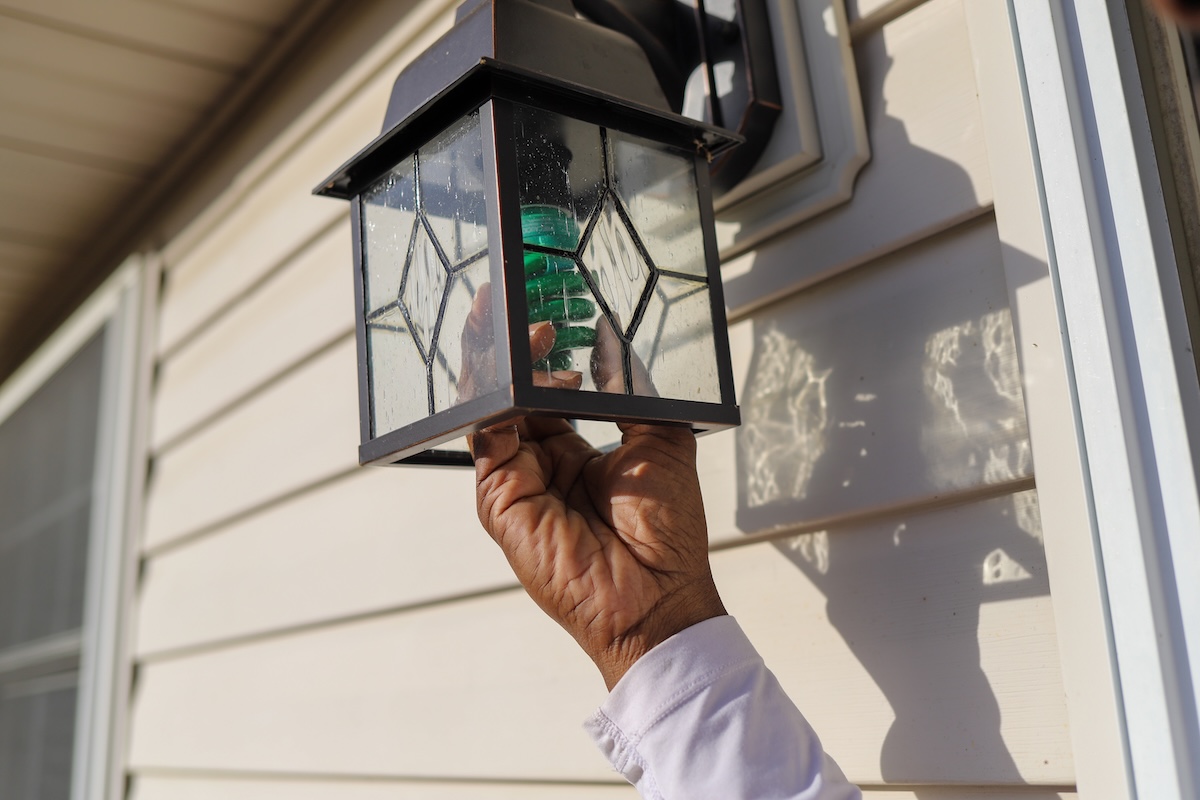

A green porch light can make a front door look calm, festive, mysterious, or slightly like the house is auditioning for a friendly sci-fi movie. But in the United States, a green porch light usually carries a thoughtful message. Most often, it is used to show support for U.S. military veterans. Depending on the date, community, and local campaign, it can also represent mental health awareness, Lyme disease awareness, St. Patrick’s Day, or simply a homeowner’s love of colorful outdoor lighting.
In other words, the green bulb on your neighbor’s porch may not be random. It might be a tiny glowing handshake, a tribute, a conversation starter, or a seasonal decoration. Context matters, and this guide explains the most common meanings behind a green porch light, when people use one, and how to choose the right bulb without turning your entryway into an airport runway.
The Most Common Green Porch Light Meaning: Support for Veterans
The most widely recognized meaning of a green porch light is support for U.S. veterans. Many homeowners, businesses, county offices, and public buildings switch to green lights around Veterans Day to honor the people who have served in the military.
This symbolism became especially popular through campaigns such as Greenlight A Vet and Operation Green Light. The idea is simple: change one visible light to green as a public sign of appreciation. A porch light works perfectly because it is visible from the street, easy to change, and quietly powerful. You do not need a marching band, a giant banner, or a lawn full of inflatable eagles. One green bulb can say, “We see you, we appreciate you, and you belong here.”
Why Green?
Green was chosen partly because the word “greenlight” suggests moving forward. For veterans transitioning from military service to civilian life, that message matters. A green light can symbolize progress, welcome, safety, renewal, and community support. It also stands out clearly at night without feeling aggressive or overly bright.
Many communities encourage residents to display green lights from November 4 through November 11, leading up to Veterans Day. Some households keep the light on throughout November, while others use it all year as a steady tribute to veterans and active-duty service members.
Green Porch Lights and Operation Green Light
Operation Green Light is a nationwide effort that encourages counties, municipalities, businesses, and residents to illuminate buildings and homes in green to recognize veterans. The campaign is especially visible during the week before Veterans Day.
When county courthouses, bridges, landmarks, and front porches glow green at the same time, the effect is more than decorative. It turns a private thank-you into a public message. For veterans who may feel overlooked after returning to civilian life, that visible support can be meaningful. It also reminds neighbors to learn about local veteran services, check in with veterans they know, and support veteran-owned businesses or community programs.
The beauty of a green porch light is that it is small enough for anyone to do. You do not need to organize an event or write a speech. You simply replace one bulb, flip a switch, and let the porch do the talking.
Does a Green Porch Light Mean Mental Health Awareness?
Yes, in many places a green porch light can also symbolize mental health awareness. Green is commonly associated with mental health campaigns because it represents hope, growth, renewal, and healing. During Mental Health Awareness Month in May, some communities encourage residents, schools, local governments, and businesses to “light up green.”
A green porch light in May may be a sign that the homeowner supports mental health awareness, wants to reduce stigma, or hopes to remind others that they are not alone. It is a gentle visual cue that says, “Mental health matters here.” That may sound simple, but simple messages can be powerful, especially when they are visible every evening.
Green as a Symbol of Hope
Green is the color of spring leaves, fresh starts, garden shoots, and traffic lights that say “go.” No wonder awareness campaigns like it. When used for mental health, green suggests that recovery is possible and support is available. A green porch light is not a replacement for therapy, crisis care, or community resources, of course, but it can be a small public sign of compassion.
If you see green porch lights in May, check whether your city, county, school district, or local health organization is running a “Light Up Green” campaign. The meaning may be very specific to your area.
Green Porch Lights and Lyme Disease Awareness
Another meaning of a green or lime-green porch light is Lyme disease awareness. Lyme disease is a tick-borne illness that can cause symptoms such as fever, fatigue, rash, and joint pain. Awareness campaigns often use lime green, especially during May, which is commonly recognized as Lyme Disease Awareness Month.
Homeowners may use a green porch light to support people affected by Lyme disease, encourage tick prevention, or participate in a community awareness event. In areas where ticks are common, this meaning may be more familiar than it is elsewhere.
What the Light Is Really Saying
A green light for Lyme disease awareness is not just about color. It is a reminder to take prevention seriously: check for ticks after outdoor activities, use repellents appropriately, keep yards maintained, and pay attention to symptoms after tick bites. The porch light becomes a bright little nudge that says, “Enjoy the outdoors, but do not let tiny eight-legged vampires ruin your summer.”
Is a Green Porch Light for St. Patrick’s Day?
Absolutely. Around March 17, a green porch light may simply mean someone is celebrating St. Patrick’s Day. Green has long been associated with Irish heritage, shamrocks, parades, and the cheerful seasonal tradition of turning everything from cupcakes to rivers a suspiciously festive shade of emerald.
In this case, the meaning is usually decorative rather than symbolic of a cause. A homeowner may use green lights with shamrock wreaths, green garlands, or other holiday décor. If the porch light appears in mid-March beside a leprechaun sign, it is probably not a secret neighborhood code. It is just St. Patrick’s Day having its annual moment.
Can a Green Porch Light Be Just Decoration?
Yes. Sometimes a green porch light means the homeowner likes green. That is it. No campaign, no coded message, no dramatic neighborhood mystery. People use colored bulbs for Halloween, Christmas, sports team colors, garden ambiance, parties, or because smart bulbs make it fun to change the mood of a house with one tap.
Green can feel peaceful, natural, and slightly magical. It pairs well with plants, brick, stone, black doors, white siding, and wood accents. For homeowners who want curb appeal with personality, a green porch light can be a stylish choice.
How to Tell What a Green Porch Light Means
Because a green porch light can mean several things, timing and context are your best clues.
Look at the Date
If you see green lights in early November, the meaning is likely connected to veterans and Veterans Day. If you see them in May, they may relate to mental health awareness or Lyme disease awareness. If they appear in mid-March, St. Patrick’s Day is the likely explanation.
Look for Other Decorations
A green bulb with an American flag, veteran sign, or patriotic display probably honors military service. A green light with ribbons or mental health signs may support awareness. A green light surrounded by shamrocks and a plastic leprechaun who looks like he knows too much is probably just holiday décor.
Check Local Campaigns
Some cities and counties announce lighting campaigns for veterans, mental health, Lyme disease, or other causes. If several buildings in town are glowing green at the same time, there is probably an organized reason behind it.
Should You Use a Green Porch Light?
If the message fits your values, using a green porch light is a simple and affordable way to participate. It can show support for veterans, mental health awareness, Lyme disease awareness, or a local community event. It can also make your home feel more inviting and seasonal.
Before you install one, think about what you want it to communicate. If you are displaying it for veterans, consider using it during the week before Veterans Day or keeping it visible year-round. If you are using it for mental health awareness or Lyme disease awareness, May is a natural time. If you are using it for St. Patrick’s Day, March is the obvious choice.
Pair the Light With Action
A colored bulb is a good symbol, but action makes the symbol stronger. If your green porch light supports veterans, consider donating to a reputable veteran service organization, hiring veteran-owned businesses, or checking in on veterans in your life. If it supports mental health awareness, share trusted resources, encourage open conversations, and treat people with patience. If it supports Lyme disease awareness, learn prevention basics and help others understand tick safety.
The light opens the door. What you do next gives it meaning.
How to Choose the Best Green Porch Light Bulb
A green porch light should be visible, safe, and appropriate for outdoor use. Not every bulb belongs outside, even if it looks brave in the packaging.
Choose an Outdoor-Rated Bulb
Use a bulb and fixture rated for outdoor conditions. If the bulb is protected under a covered porch, a damp-rated product may work. If it can be exposed to direct rain, wind, or snow, choose a wet-rated bulb or fixture. Outdoor-rated lighting helps reduce the risk of electrical problems and premature failure.
Use LED When Possible
LED bulbs are usually the best choice for porch lights because they use less energy and last longer than traditional incandescent bulbs. Since porch lights may stay on for several hours each night, an efficient LED can save energy while keeping your entryway glowing.
Do Not Exceed Fixture Wattage
Always check the maximum wattage listed on your fixture. Using a bulb with higher wattage than recommended can create excess heat. That is not cozy; that is a fire-safety problem wearing a decorative hat.
Consider Brightness
A porch light should help people see the entryway, steps, house numbers, and visitors without blasting the sidewalk like a football stadium. For most homes, a moderate LED bulb is enough. If your green light is mostly symbolic, it does not need to be extremely bright.
Green Porch Light Etiquette
Colored porch lights are public-facing symbols, so a little etiquette helps. If your green light supports a cause, make sure you understand the cause before displaying it. You do not need to become a walking encyclopedia, but you should know the basic message.
Also consider your neighbors. A bright green floodlight shining into someone’s bedroom at midnight may communicate “I support veterans,” but your neighbor may interpret it as “I support insomnia.” Aim lights downward, choose reasonable brightness, and use timers or motion sensors when appropriate.
Green Porch Light vs. Other Porch Light Colors
Green is not the only porch light color with meaning. Different colors are often tied to different causes or seasons.
Blue Porch Light
Blue porch lights are often associated with autism awareness, support for law enforcement, or general calm decorative lighting. The meaning varies by community and timing.
Red Porch Light
Red can be used for heart health awareness, firefighter support, Valentine’s Day, Christmas, or Halloween. It is one of the most flexible porch light colors, which is a polite way of saying it has a very busy social calendar.
Purple Porch Light
Purple porch lights are commonly used to raise awareness about domestic violence and support survivors, especially during Domestic Violence Awareness Month in October.
Yellow or Amber Porch Light
Yellow and amber lights are often chosen for practical reasons. They tend to be softer and may attract fewer insects than cool white or blue-rich lighting. They can also create a warm, welcoming look.
Common Myths About Green Porch Lights
Myth 1: A Green Porch Light Always Means the Same Thing
Not quite. The most common meaning is support for veterans, but green lights can also represent mental health awareness, Lyme disease awareness, St. Patrick’s Day, or simple decoration.
Myth 2: You Can Only Use Green Lights in November
No. November is popular because of Veterans Day and Operation Green Light, but some people use green porch lights all year. Others use them in May or March depending on the cause or holiday.
Myth 3: A Green Porch Light Is Political
Usually, no. Most green porch light meanings are about support, awareness, gratitude, or celebration. That said, symbols can be interpreted differently by different people, so context matters.
Myth 4: Colored Porch Lights Are Unsafe
Colored porch lights are safe when you use properly rated bulbs, follow fixture guidelines, avoid overloaded outlets, and keep outdoor lighting protected from weather when required.
Real-Life Experiences and Examples Related to Green Porch Lights
One of the most interesting things about green porch lights is how such a small change can spark real conversations. Picture a quiet suburban street in early November. Most houses have ordinary warm white lights, but one porch glows green. A neighbor walking the dog notices it and asks, “Is that for Veterans Day?” The homeowner says yes and mentions that her father served in the Navy. Suddenly, what could have been a two-second glance becomes a friendly conversation about family, service, and gratitude. The porch light did its job without needing to shout.
In another example, a small-town business might switch its entrance lights to green during Operation Green Light. Customers come in asking what the color means, and staff members explain that the store is honoring veterans in the community. Maybe they add a small sign at the counter encouraging people to learn about local veteran services. The green light becomes more than decoration; it becomes a doorway to awareness.
During May, a family might use a green porch light for mental health awareness. To someone driving past, it may look like a pretty color. But to a friend who knows the family has supported a loved one through anxiety or depression, the light may feel deeply personal. It can communicate compassion without forcing anyone to share private details. Sometimes quiet support is exactly the right kind.
Green lights can also help with Lyme disease awareness in communities where outdoor life is part of the local culture. A homeowner near wooded trails might turn the porch light green in May and share tick-prevention reminders with neighbors. Kids may ask why the bulb changed color, giving parents a chance to explain checking for ticks after hikes or backyard play. No one expects a porch light to deliver a medical seminar, but it can help start a useful conversation.
Then there are the holiday experiences. Around St. Patrick’s Day, green porch lights can make a block feel festive and cheerful. Add a wreath, a few shamrocks, and maybe a welcome mat with questionable puns, and the whole entryway feels ready for March. In this setting, the light is less about awareness and more about joy. That matters too. Homes are allowed to have a little personality.
Some homeowners also discover that colored lighting changes the mood of their entryway. A soft green glow can make plants look lush, brick look richer, and a front door feel more inviting. Smart bulbs make this even easier because you can set the porch light to green for Veterans Day, warm white for everyday use, orange for Halloween, and red or green for Christmas. The porch becomes a tiny stage, and the bulb is the costume department.
The best experience, however, comes when the light matches the intention. A green porch light is most meaningful when it is paired with a reason: honoring a veteran, supporting mental health awareness, encouraging tick safety, celebrating heritage, or participating in a local event. The bulb itself is small. The message behind it can be much bigger.
Conclusion: A Small Green Light Can Carry a Big Message
So, what does a green porch light mean? Most commonly, it means support for U.S. veterans, especially around Veterans Day and Operation Green Light. But it can also stand for mental health awareness, Lyme disease awareness, St. Patrick’s Day, or simple seasonal decoration. The exact meaning depends on timing, community context, and the homeowner’s intention.
If you want to display a green porch light, choose an outdoor-rated LED bulb, keep the brightness neighbor-friendly, and think about the message you want to share. A green light is easy to install, inexpensive to use, and surprisingly good at starting conversations. It is proof that even a front porch can say something kind after dark.