
Note: This article is written for web publishing and synthesized from official PlayStation information plus reputable U.S. gaming and technology coverage, without inserting source links or citation clutter into the body.
PlayStation Plus used to be simple. You paid for it, you played online, you grabbed a few monthly games, and you occasionally forgot you had subscribed until your renewal email popped up like a boss fight you did not prepare for. Then Sony rebuilt the service into something bigger: a tiered subscription model designed to offer different levels of value for different kinds of players.
The new PlayStation Plus subscription tiers changed the service from a basic online membership into a more flexible gaming library system. Instead of one plan, players now choose between PlayStation Plus Essential, PlayStation Plus Extra, and PlayStation Plus Premium. In some regions where cloud streaming is not available, the top plan is called PlayStation Plus Deluxe.
At first glance, this sounds like Sony simply added more price tags to your gaming life. And yes, your wallet may glance nervously from across the room. But the real story is more interesting: PlayStation Plus now sits somewhere between traditional console membership, digital game rental, retro library access, and a modern subscription service competing for your attention.
What Changed With PlayStation Plus?
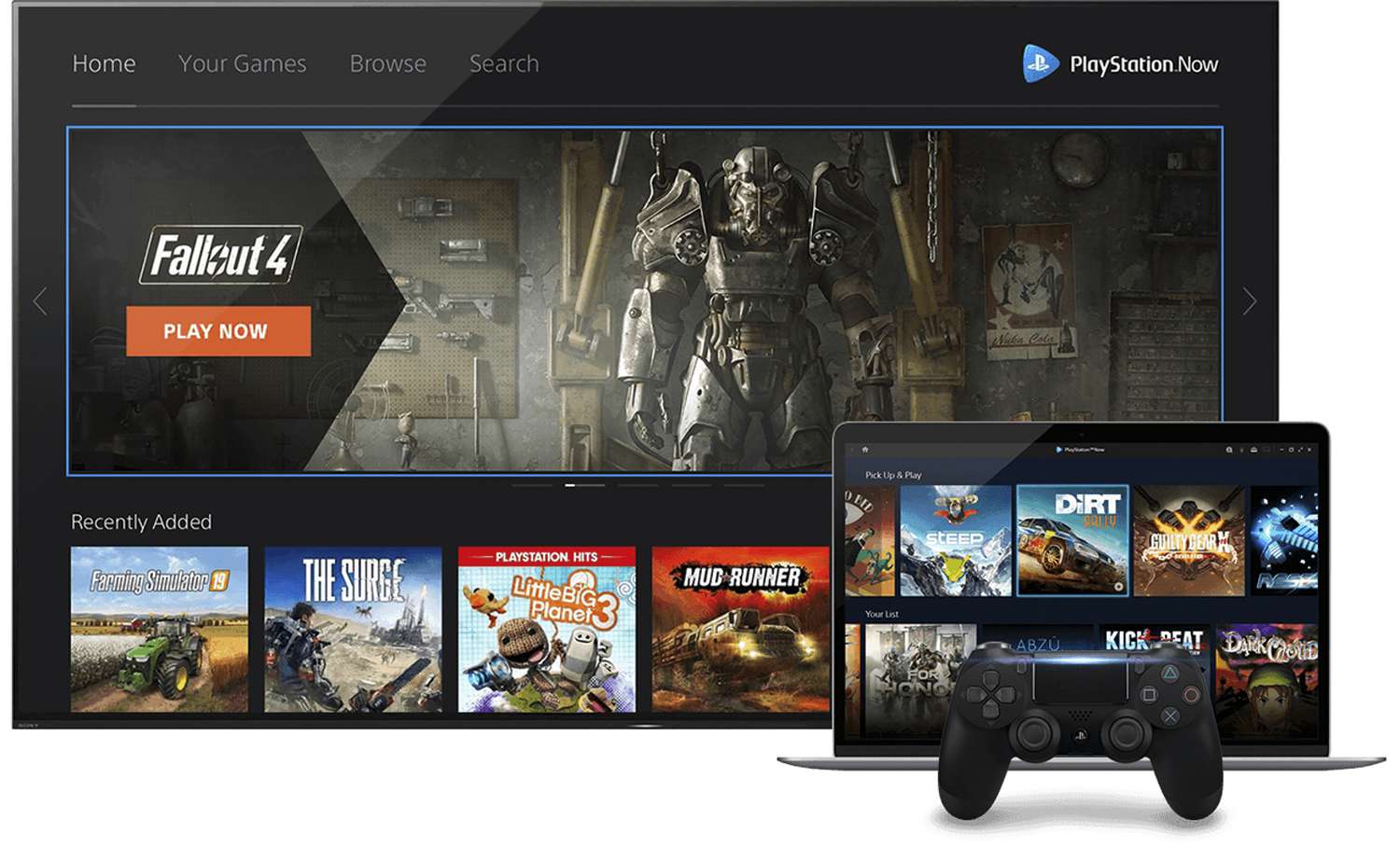
The big change is that PlayStation Plus is no longer only about online multiplayer and monthly downloadable games. Sony merged the old PlayStation Plus concept with parts of PlayStation Now, the company’s former cloud gaming and game catalog service. The result is a three-tier system where each level adds more benefits.
Essential keeps the familiar PlayStation Plus foundation. Extra adds a large downloadable game catalog. Premium adds classic titles, cloud streaming in supported markets, and time-limited game trials. That structure gives players a clearer choice: pay less for the basics, pay more for a Netflix-style game catalog, or go all-in for the widest set of features.
The move also reflects a bigger shift in the gaming industry. Subscriptions are no longer a side dish; they are part of the main menu. Xbox Game Pass, Nintendo Switch Online, Ubisoft+, EA Play, and other services have trained players to think about access, libraries, rotating catalogs, and monthly value. Sony’s answer is not a perfect copy of Game Pass, but it is clearly built for the same era.
PlayStation Plus Essential: The Familiar Base Plan
PlayStation Plus Essential is the closest version to the old PlayStation Plus. If you mainly subscribe because you want to play online multiplayer on PS4 or PS5, this is the tier that covers the basics.
What Essential Includes
Essential includes online multiplayer for most paid PlayStation games, monthly downloadable games, exclusive PlayStation Store discounts, cloud storage for saved data, Share Play, and selected exclusive content. In other words, this is the “I just need my console to work like a modern console” plan.
For players who mostly play Call of Duty, EA Sports FC, NBA 2K, Helldivers 2, fighting games, racing games, or other multiplayer-heavy titles, Essential may be enough. It does not include the larger Game Catalog, but it keeps the core PlayStation experience intact.
The monthly games remain one of the biggest reasons people keep Essential. These games are usually available to claim for a limited window. Once claimed, they stay in your library as long as you maintain an active PlayStation Plus membership. It is a little like collecting digital souvenirs, except some of them are excellent games and some of them are, well, character-building experiences.
PlayStation Plus Extra: The Sweet Spot for Many Players
PlayStation Plus Extra is where the service starts to feel like a true game subscription. It includes everything in Essential and adds access to the Game Catalog, a rotating library of PS4 and PS5 titles that members can download and play.
Why Extra Matters
Extra is probably the most important tier for players who want value beyond online multiplayer. The Game Catalog includes a mix of big-budget releases, indie games, family titles, open-world adventures, RPGs, shooters, horror games, and hidden gems. The selection changes over time, so it is not a permanent ownership library. Think of it more like a buffet: wonderful, dangerous, and likely to make your backlog look at you with disappointment.
For a new PS5 owner, Extra can be especially useful. Instead of buying five or six full-price games immediately, a player can subscribe and explore a broad library. This makes it easier to try genres you normally avoid. Maybe you discover you enjoy tactical RPGs. Maybe you finally understand why people talk about soulslike games with the haunted eyes of someone who has seen things. Either way, the catalog lowers the risk of experimenting.
Extra also includes Ubisoft+ Classics, which adds selected Ubisoft games to the service. This is useful if you enjoy open-world adventures, stealth action, and games where the map has enough icons to qualify as modern art.
PlayStation Plus Premium: The Full Package
PlayStation Plus Premium includes everything in Essential and Extra, then adds the Classics Catalog, game trials, and cloud streaming in supported markets. This is the most expensive tier, but also the most feature-packed.
What Premium Adds
Premium is aimed at players who want the widest PlayStation Plus experience. The Classics Catalog includes select games from older PlayStation generations, such as original PlayStation, PS2, PSP, and PS3 titles. Availability varies by region and by title, especially because PS3 games are typically tied to cloud streaming rather than local downloads.
Game trials are another Premium feature. They let players test selected games for a limited time before buying. This can be genuinely helpful for expensive releases. A two-hour trial may not reveal every secret, but it can tell you whether the combat feels right, the performance holds up, and the opening tutorial is going to treat you like you have never held a controller before.
Cloud streaming is also part of Premium in supported regions. Players can stream select games without downloading them, which saves storage space and makes trying games faster. Streaming quality depends heavily on internet speed and stability, so it is not magic. It is more like borrowing a game through a very fancy garden hose: great when the flow is strong, annoying when it sputters.
What About PlayStation Plus Deluxe?
In regions without PlayStation cloud streaming, Sony offers PlayStation Plus Deluxe instead of Premium. Deluxe usually includes the benefits of Essential and Extra, along with classic games and game trials, but without cloud streaming. It is typically priced lower than Premium because one of Premium’s major features is missing.
This distinction matters because PlayStation Plus is a global service, but not every feature works the same way in every country. Game libraries, streaming access, pricing, and availability may vary. Before subscribing, players should check their local PlayStation Store rather than assuming the U.S. plan is identical everywhere.
Current PlayStation Plus Pricing in the United States
In the United States, PlayStation Plus pricing is currently structured by tier and billing period. Essential is the least expensive, Extra sits in the middle, and Premium is the top plan.
As of the current pricing structure, PlayStation Plus Essential costs about $9.99 per month, $24.99 for three months, or $79.99 per year. PlayStation Plus Extra costs about $14.99 per month, $39.99 for three months, or $134.99 per year. PlayStation Plus Premium costs about $17.99 per month, $49.99 for three months, or $159.99 per year.
The annual plans are usually cheaper than paying month by month for a full year, but they also require more commitment. That is where the adult part of gaming appears: budgeting. Terrifying, yes, but sometimes more difficult than the final boss.
How the Game Catalog Works
The Game Catalog is available through Extra and Premium. Unlike the monthly games in Essential, catalog games are not claimed permanently. They are available while they remain in the catalog and while your subscription is active. If a game leaves the catalog, you lose access unless you buy it separately.
This is one of the most important details for players to understand. PlayStation Plus Extra and Premium are not the same as building a permanent digital collection. They are access services. That makes them excellent for sampling and playing through a rotating library, but less ideal if you want guaranteed long-term access to one specific game.
New games are typically added on a monthly schedule, with Essential monthly games refreshed early in the month and Extra/Premium catalog updates arriving later. This rhythm keeps the service active and gives subscribers regular reasons to check what is new.
How This Compares to Xbox Game Pass
It is impossible to talk about PlayStation Plus tiers without mentioning Xbox Game Pass. Microsoft’s subscription service helped define the modern “big game library for a monthly fee” model. Sony’s updated PlayStation Plus clearly responds to that market, but the approach is different.
The biggest difference is day-one first-party releases. Xbox Game Pass has often emphasized major Microsoft-published games launching directly into the service. PlayStation Plus, by contrast, has generally not been built around adding brand-new PlayStation Studios blockbusters on release day. Sony still treats many first-party launches as premium boxed or digital purchases first.
That does not make PlayStation Plus weak. It simply means the value proposition is different. Instead of promising every major new Sony exclusive immediately, PlayStation Plus focuses on a curated catalog, older hits, third-party games, classic titles, cloud features, and trials.
Who Should Choose Each Tier?
Choose Essential If You Only Need the Basics
Essential is best for players who mostly want online multiplayer, cloud saves, discounts, and monthly games. If you already buy only the specific games you want and rarely browse subscription catalogs, Essential is the cleanest choice.
Choose Extra If You Want the Best Overall Value
Extra is likely the best fit for many PS5 and PS4 players. It adds the Game Catalog without pushing you into the highest price tier. If you play several games per year and enjoy discovering titles you might not buy individually, Extra can quickly justify itself.
Choose Premium If You Love Classics, Trials, and Streaming
Premium is best for players who want everything: classic PlayStation games, streaming options, game trials, and the largest feature set. It is also useful for players who like testing games before buying or who want access to older PlayStation history.
The PS5 Shift: What It Means for PS4 Players
Sony has also signaled a stronger focus on PS5 titles within PlayStation Plus. Starting in January 2026, PS4 games are no longer positioned as a key monthly benefit and are expected to appear only intermittently in monthly games and the Game Catalog.
This does not mean PS4 games vanish overnight. Previously claimed monthly PS4 games remain accessible as long as your subscription is active, and PS4 catalog titles can still be played while they remain available. But the direction is clear: PlayStation Plus is moving deeper into the PS5 generation.
For PS4-only players, this is worth considering before upgrading to a higher tier. Extra may still offer value, but the long-term catalog focus is increasingly built around PS5. For PS5 owners, the shift makes sense. For PS4 owners, it may feel like the service is gently nudging them toward new hardware with a polite smile and a very expensive shopping cart.
Real-World Experience: What the New Tiers Feel Like in Daily Gaming
The biggest difference between the PlayStation Plus tiers is not just what appears on a comparison chart. It is how each plan changes your gaming habits. Essential feels like a maintenance plan. You subscribe, you play online, you claim the monthly games, and you occasionally browse discounts. It does not dramatically change how you discover games. It simply keeps the lights on.
Extra feels different almost immediately. The Game Catalog encourages curiosity. Instead of staring at a $69.99 price tag and wondering whether a game deserves your grocery money, you can download something, try it, and move on if it does not click. That freedom changes behavior. Players become more willing to test genres outside their comfort zones: strategy, horror, platformers, narrative adventures, roguelikes, and indie experiments that might otherwise stay buried under blockbuster marketing.
Premium is more specialized. Some players will love it; others will barely touch the extra features. The Classics Catalog is attractive if you have nostalgia for older PlayStation eras or want to understand why certain franchises became legendary. Game trials are practical, especially when modern releases can be expensive and storage space is precious. Cloud streaming can be convenient, but it depends on connection quality. When streaming works well, it feels futuristic. When it does not, it feels like your router is auditioning for a villain role.
One practical experience many subscribers notice is backlog pressure. A bigger library sounds wonderful until you realize you now have twenty games installed and have finished exactly none of them. Extra and Premium can make gaming feel abundant, but abundance needs discipline. The smartest approach is to treat the catalog like a rotating playlist, not a homework assignment. Pick two or three games, play them seriously, and ignore the rest until later.
Another important experience is the emotional difference between ownership and access. With purchased games, you know they are yours, subject to digital storefront rules. With catalog games, there is always a small countdown clock in the background. A game can leave the service. That means PlayStation Plus is excellent for discovery and short-to-medium-term play, but buying still makes sense for favorites you expect to revisit for years.
For families, Extra can be especially useful because it provides a broad selection without buying every game separately. Parents can find family-friendly games, teens can explore bigger adventures, and everyone can argue over storage space together, which is the modern version of fighting over the TV remote.
For budget-conscious players, the best experience usually comes from matching the tier to actual habits. If you only play one multiplayer game all year, Essential is enough. If you finish several single-player games and enjoy variety, Extra is probably the sweet spot. If you actively use classics, trials, and streaming, Premium can be worth it. The wrong tier is not the expensive one; it is the one you pay for and never use.
Is the New PlayStation Plus Tier System Worth It?
The new PlayStation Plus subscription tiers make the service more flexible, but also more complicated. That is the trade-off. Players now have more choice, more games, and more ways to play. They also have more pricing decisions, more catalog rules, and more fine print to understand.
For many players, PlayStation Plus Extra is the strongest middle ground. Essential is good for online multiplayer and monthly games. Premium is appealing for completionists, classic fans, and players who use streaming or trials. Extra, however, gives the biggest everyday upgrade by adding a large game catalog without requiring the highest subscription price.
The smartest move is to audit your own gaming habits before subscribing. Look at how many games you buy each year, how often you play online, whether you revisit classics, and whether you actually finish games from subscription libraries. Be honest. Your backlog already knows the truth.
Conclusion
PlayStation Plus getting new subscription tiers marked a major evolution for Sony’s gaming ecosystem. What began as a simple online membership has become a layered service with monthly games, online multiplayer, downloadable catalogs, classic titles, game trials, and cloud streaming in supported regions.
The three-tier model is not perfect, but it gives players more control. Essential keeps things simple. Extra offers the strongest value for catalog-focused players. Premium delivers the fullest version of the service for those who want classic games, trials, and streaming. The best tier depends less on marketing and more on how you actually play.
In the end, PlayStation Plus is no longer just a pass for online multiplayer. It is a choose-your-own-adventure subscription. Choose wisely, keep an eye on rotating games, and remember: downloading ten catalog titles at once does not count as finishing them. Sadly.