
Want brighter, beachier hair without marching straight into a cloud of salon bleach? You are not alone. Natural hair lighteners have become the beauty-world equivalent of making coffee at home: cheaper, more customizable, and sometimes surprisingly satisfying. But here is the honest truth before we squeeze a lemon over anything: “natural” does not always mean “damage-free,” and “lightener” does not always mean “instant blonde transformation.”
Natural hair lightening works best when your goal is subtle warmth, soft highlights, or a sun-kissed effectnot a dramatic color change. If your hair is already blonde, dark blonde, light brown, or naturally highlighted, ingredients such as chamomile tea, diluted lemon juice, raw honey, apple cider vinegar, sea salt, and cinnamon may help brighten your tone over time. If your hair is very dark, these methods may barely show up or may create warm, brassy, orange, or reddish tones. Translation: natural lighteners are more “golden hour selfie” than “platinum pop star.”
This guide walks through 10 favorite natural hair lightener options, how they work, who they are best for, and how to use them more safely. You will also find practical experience notes at the end, because real hair does not behave like a perfectly lit product photo. It has moods. It has opinions. Sometimes it has leftover dry shampoo.
What Is a Natural Hair Lightener?
A natural hair lightener is any plant-based, kitchen-friendly, or low-chemical method used to make hair appear slightly lighter, brighter, warmer, or more golden. Unlike professional bleach, natural lighteners usually do not force the hair cuticle open aggressively or remove large amounts of pigment in one session. Instead, they rely on mild acidity, botanical pigments, minerals, enzymes, or sunlight-assisted oxidation.
The trade-off is simple: natural methods are usually gentler but slower. You may need several applications before noticing a change, and the final result depends heavily on your starting hair color, hair porosity, previous dye history, sun exposure, and how dry or damaged your hair already is.
Before You Start: The Safety Rules Nobody Should Skip
Do a strand test first
A strand test is the tiny experiment that saves you from a big hair regret. Apply the mixture to a small hidden section of hair, wait, rinse, dry, and check the result in natural light. This is especially important if your hair is dyed, highlighted, relaxed, permed, heat-damaged, or naturally very dark.
Protect your scalp and skin
Lemon juice and other citrus ingredients can irritate skin, especially when combined with sunlight. Keep citrus-based mixtures on the hair rather than the scalp, wash your hands after applying, and avoid letting the mixture drip onto your face, neck, or shoulders.
Condition like you mean it
Many natural lightening methods work partly by drying or roughening the hair surface. Follow with conditioner, a moisturizing mask, or a leave-in treatment. Your hair should feel like hair afterward, not like a broom with career ambitions.
Manage expectations
Natural hair lighteners can create brightness, shine, and soft highlights. They cannot reliably take black or dark brown hair to blonde. For a major color change, a professional colorist is safer and more predictable.
10 Favorite Natural Hair Lighteners
1. Chamomile Tea for Soft Golden Brightness
Chamomile tea is one of the gentlest natural hair lighteners, especially for blonde, dark blonde, gray, or light brown hair. It is loved for its soft golden effect and low-drama personality. If lemon juice is the loud friend who wants to go skydiving, chamomile is the friend who brings snacks and SPF.
To use it, brew a strong chamomile tea using several tea bags, let it cool, and pour or spray it through clean, damp hair. Leave it on for 30 to 60 minutes, then rinse and condition. Some people sit in mild sunlight while the tea is on their hair, but sun exposure should be limited and paired with skin protection.
Chamomile works best as a repeated rinse. It may not create dramatic lift, but it can make lighter hair look warmer, softer, and more reflective. It is a smart first choice for beginners because it is less harsh than acidic options.
2. Diluted Lemon Juice for Classic Sun-Kissed Highlights
Lemon juice is the famous natural hair lightenerthe one that has been passed around summer sleepovers, beach bags, and questionable internet hacks for decades. Its citric acid can help brighten hair when combined with UV exposure, but it can also be drying.
The safer approach is dilution. Mix one part fresh lemon juice with two parts water, apply it only to the sections you want to brighten, and limit sun exposure. Afterward, rinse thoroughly and condition generously. Do not use lemon juice on irritated skin or a sensitive scalp, and do not let it run onto exposed skin before going outside.
Lemon juice usually works best on blonde to light brown hair. On darker brunette hair, it may create copper, orange, or brassy tones instead of blonde highlights. That is not a disaster if you love warmth, but it is not ideal if your dream shade is cool beige blonde.
3. Raw Honey for Gentle Warmth and Moisture
Raw honey is often mentioned as a natural hair lightener because it contains enzymes that can produce tiny amounts of peroxide under the right conditions. In practice, honey is more of a subtle brightening and conditioning treatment than a powerful bleach alternative.
To try it, mix raw honey with distilled water or conditioner until it becomes easy to spread. Apply it to damp hair, cover with a shower cap, and leave it on for 30 to 60 minutes before rinsing well. Honey is sticky, so patience is required. Think of it as a spa treatment with breakfast energy.
Honey may be especially useful for dry or textured hair because it acts as a humectant, helping hair feel softer when used properly. Results are usually gradual and warm-toned, not icy or dramatic.
4. Cinnamon for Warm Highlights
Cinnamon is a popular natural brightening booster, often mixed with honey, conditioner, or olive oil. It may help create warm golden or reddish highlights, particularly on light brown and medium brown hair.
A simple cinnamon mask can be made by combining conditioner, a small amount of cinnamon, and honey. Apply it to a test strand first, because cinnamon can irritate some skin. Avoid rubbing it into the scalp. Leave it on for 30 minutes, rinse thoroughly, and follow with conditioner if needed.
Cinnamon is best for people who like warm tones. If you are fighting brassiness, this may not be your perfect match. If you want cozy caramel sparkle, cinnamon might deserve a spot in your routine.
5. Apple Cider Vinegar for Shine and Subtle Brightening
Apple cider vinegar, often called ACV, is more of a clarifying rinse than a true lightener. It can help remove product buildup, which may make hair look brighter and shinier. On some hair colors, repeated diluted rinses may add a slightly lighter appearance.
Always dilute it. A good starting point is one tablespoon of apple cider vinegar in one cup of water. Pour it through clean hair, leave it for a few minutes, and rinse. Do not overuse it; too much acidity can make hair feel dry or rough.
ACV is especially helpful if your hair looks dull because of hard water, styling products, or heavy conditioners. It may not change your natural pigment much, but it can make your existing color look fresher.
6. Sea Salt Spray for Beachy Brightness
Sea salt does not bleach hair by itself, but saltwater plus sunlight can create a lighter, beach-worn effect over time. It works by encouraging texture and helping the sun interact with the hair surface.
You can make a basic sea salt spray with warm water, a small pinch of sea salt, and a little conditioner or aloe vera to reduce dryness. Mist it lightly through the mid-lengths and ends, not the scalp. Use it occasionally, not daily.
This method is best for people who already enjoy textured, undone hair. If your hair is curly, fragile, color-treated, or dryness-prone, sea salt can make it feel rough. Moisture is not optional here; it is the rent you pay for beachy texture.
7. Vitamin C for Brightening Dull or Dyed Hair
Vitamin C is often used to fade semi-permanent dye or brighten hair that has become dull. It is not a true natural bleach, but it can help reduce some artificial color buildup.
Many DIY methods involve crushed vitamin C tablets mixed with shampoo. However, this can be drying, so it should be used carefully and only after a strand test. Avoid it if your hair is already brittle, breaking, or freshly colored.
Vitamin C is most useful when your hair color looks too dark after a temporary or semi-permanent dye. It is less useful for lifting virgin dark hair. Use it as a correction helper, not a miracle worker.
8. Calendula or Marigold Rinse for Golden Tones
Calendula, also known as marigold, is a flower often used in herbal rinses to bring out golden tones. It does not aggressively lighten hair, but it can enhance warmth and brightness in blonde, gray, or light brown shades.
Brew dried calendula flowers like a tea, let the liquid cool, strain it carefully, and pour it through clean hair. Leave it on for several minutes before rinsing. Repeated use may create a soft sunny effect.
This is a great option for anyone who wants a botanical approach without the sharp acidity of lemon juice or vinegar. The result is subtle, but subtle can be beautifullike highlighter makeup for your hair color.
9. Cassia for Blonde Shine and Golden Glow
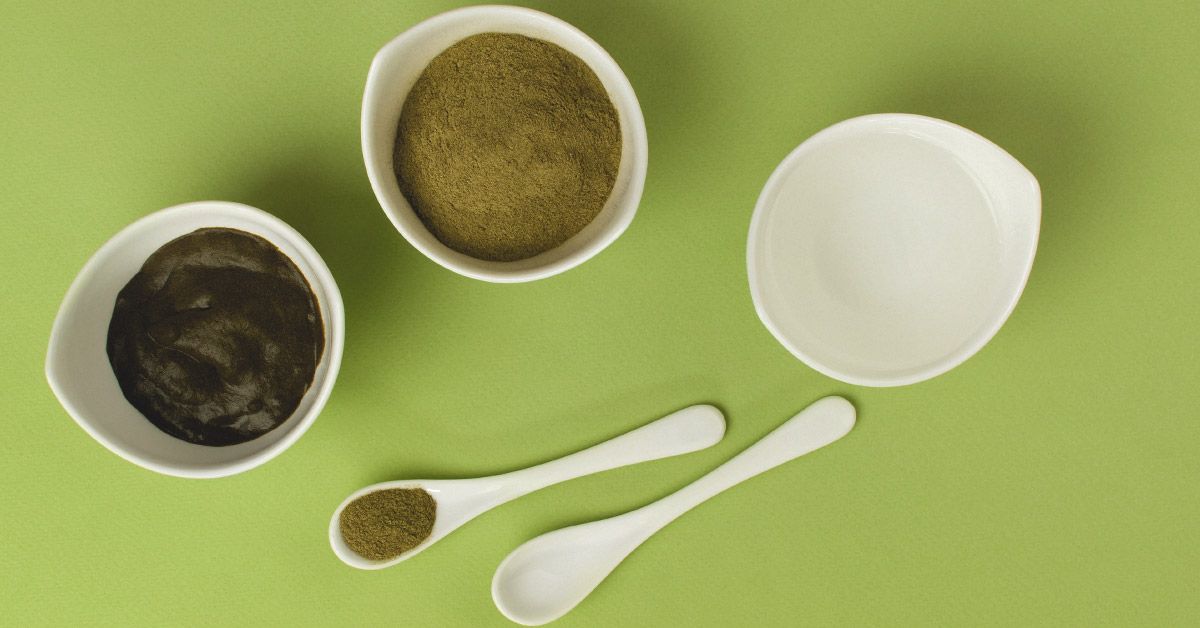
Cassia is sometimes called “neutral henna,” although it is not the same as traditional henna. It can add shine and a pale golden tone to light hair. On darker hair, the color effect may be minimal, but the conditioning effect can still be noticeable.
Cassia powder is usually mixed with warm water into a paste, applied to hair, left on for a period of time, and rinsed thoroughly. Always buy from a reputable supplier and check that the powder is pure. Some herbal powders are blended with other ingredients that may alter color.
Cassia is best for blondes, gray hair, or light brunettes who want warmth and shine rather than dramatic lift. Do a strand test because herbal color can be unpredictable on chemically treated hair.
10. Rhubarb Root for Old-School Golden Highlights
Rhubarb root has a long history in herbal hair rinses, especially for adding yellow-gold tones to light hair. Like calendula and chamomile, it is more of a color enhancer than a powerful lightener.
A rhubarb rinse is usually made by simmering dried rhubarb root in water, cooling it, straining it, and applying the liquid to the hair. Because herbs can stain, test first on a hidden strand and use an old towel.
This option is best for adventurous natural-beauty fans who enjoy a slow, botanical process. It is not the fastest route, but it can create a soft golden cast on lighter hair.
Natural Hair Lightener Comparison Guide
| Natural Lightener | Best For | Expected Result | Caution |
|---|---|---|---|
| Chamomile tea | Blonde, gray, light brown hair | Soft golden brightness | Very subtle on dark hair |
| Diluted lemon juice | Blonde to light brown hair | Sun-kissed highlights | Can dry hair and irritate skin |
| Raw honey | Dry or dull hair | Gentle warmth and softness | Sticky and slow-working |
| Cinnamon | Warm brunette tones | Caramel or reddish warmth | May irritate sensitive skin |
| Apple cider vinegar | Dull, product-heavy hair | Shine and mild brightness | Must be diluted |
| Sea salt | Beachy texture lovers | Texture and gradual brightness | Can cause dryness |
| Vitamin C | Fading semi-permanent dye | Color softening | Can be drying |
| Calendula | Light hair needing warmth | Golden tone | Subtle results |
| Cassia | Blonde, gray, light brown hair | Shine and pale gold tone | Test on dyed hair first |
| Rhubarb root | Herbal color fans | Yellow-gold highlights | May stain towels or porous hair |
How to Choose the Best Natural Hair Lightener for Your Hair Color
For blonde hair
Chamomile, calendula, cassia, and diluted lemon juice are usually the most noticeable. Blonde hair shows subtle changes quickly, so start slowly and avoid overdoing acidic treatments.
For light brown hair
Lemon juice, honey, cinnamon, and chamomile may create warm highlights. Expect caramel, honey, or golden brown tones rather than bright blonde.
For medium to dark brown hair
Natural lighteners may create warmth, but they rarely create obvious blonde pieces. Cinnamon, honey, and sun-assisted methods may bring out copper or amber tones. If you dislike red or orange warmth, proceed carefully.
For black hair
Natural lightening is usually very subtle. You may see shine or warmth in sunlight, but not a major lift. Professional color is the better option for visible highlights.
For dyed hair
Be careful. Natural ingredients can interact unpredictably with artificial color, especially if your hair is porous or recently processed. Strand testing is essential.
Common Mistakes to Avoid
Using lemon juice too often
Lemon juice can dry hair quickly, especially with sun exposure. Once a week or less is plenty for most people. If your ends feel rough, stop and focus on conditioning.
Skipping conditioner
Lightening and dryness often travel together like matching luggage. Always condition after rinsing out a natural lightener.
Expecting bleach-level results
Natural hair lighteners are not salon bleach. They are better for glow, dimension, and tone than for dramatic transformation.
Applying acidic mixtures to the scalp
Your scalp is skin, not a cutting board. Keep lemon juice, vinegar, and salt mixtures mostly on the hair lengths and ends.
Aftercare: How to Keep Lightened Hair Soft
Once you begin lightening your hair naturally, your aftercare routine matters. Use a moisturizing shampoo and conditioner, reduce heat styling when possible, and add a weekly deep-conditioning mask if your hair feels dry. A leave-in conditioner can help protect the ends, especially if you use sea salt, lemon juice, or sun exposure.
Sun protection also matters. A wide-brimmed hat, scarf, or UV-protective hair product can help reduce dryness and fading. Remember: the same sun that gives hair that pretty vacation glow can also make it brittle if you overdo it.
Experience Notes: What Natural Hair Lightening Is Really Like
Natural hair lightening is less like flipping a switch and more like slowly turning up a dimmer. The first time you use chamomile tea, you may look in the mirror and think, “Did anything happen?” Then you step outside, sunlight hits your hair, and suddenly the ends look a little warmer. That is the rhythm of natural lighteners: small changes, real patience, and a lot of checking your hair in different lighting like a detective in a beauty mystery.
One of the most common experiences is that the results appear uneven at first. This is not always a bad thing. Natural highlights are often irregular because the sun naturally hits the top layers, face-framing pieces, and ends more than the underlayers. If you apply lemon water or chamomile tea mostly to the front pieces and ends, you may get that soft “I spent the weekend outdoors” effect. But if you spray randomly while rushing, you can end up with one heroic bright streak and several sections that missed the meeting.
Hair texture also changes the experience. Fine hair may show brightness faster, but it can also become dry faster. Thick hair may need more product and more repeat applications. Curly and coily hair can be more prone to dryness, so honey, conditioner-based masks, and gentle herbal rinses may feel better than salt or lemon-heavy mixtures. If your curls start looking frizzy or limp after lightening attempts, pause the brightening project and give your hair moisture, protein if needed, and a few low-manipulation days.
Another real-world lesson: previous hair color matters. Virgin hair usually responds more predictably than dyed hair. If you have box dye, salon gloss, toner, old highlights, or semi-permanent color sitting in your strands, natural lighteners may reveal unexpected warmth. Sometimes that warmth is prettysoft caramel, honey, strawberry blonde. Sometimes it is more “traffic cone but make it fashion.” This is why strand testing is not a boring rule; it is the tiny preview trailer before the full movie.
The best results usually come from combining mild methods with good aftercare. For example, a weekly chamomile rinse, occasional honey mask, and careful sun exposure can create a gradual glow without making hair feel crispy. A person with light brown hair might use chamomile on wash day, then apply a honey-conditioner mask a few days later. Someone with blonde hair might use calendula or cassia to refresh golden tones. Someone trying to fade a too-dark semi-permanent color might use a vitamin C method once, then switch to deep conditioning rather than repeating it aggressively.
The biggest surprise for many people is that natural hair lightening is not only about color. It is also about shine, softness, and dimension. Apple cider vinegar may not turn brown hair blonde, but it can remove dull buildup and make the color look clearer. Chamomile may not create dramatic highlights, but it can make blonde hair look sunnier. Honey may not bleach much, but it can make dry ends feel smoother. In other words, the “win” may be healthier-looking brightness rather than a totally new shade.
The smartest mindset is playful but cautious. Treat natural hair lightening like seasoning food: add a little, check the result, then decide whether you need more. Do not dump the whole spice jar in and hope for elegance. Start with the gentlest option for your hair type, take photos in the same lighting each time, and stop if your hair feels rough, brittle, sticky, itchy, or irritated. Beautiful hair is not just lighter hair. It is hair that still feels good when you run your fingers through it.
Conclusion
Natural hair lighteners can be a fun, budget-friendly way to add brightness, warmth, and dimension to your hair. Chamomile, honey, calendula, cassia, and diluted apple cider vinegar are great gentle starters, while lemon juice, sea salt, cinnamon, and vitamin C require more caution because they can be drying or irritating. The most important rule is to work with your natural color rather than against it.
If you want subtle golden highlights, a natural hair lightener may be perfect. If you want a dramatic blonde transformation, a professional colorist is the safer route. Either way, strand test first, protect your scalp and skin, condition generously, and remember: the goal is not just lighter hair. The goal is hair that still looks healthy enough to swish dramatically when you leave the room.