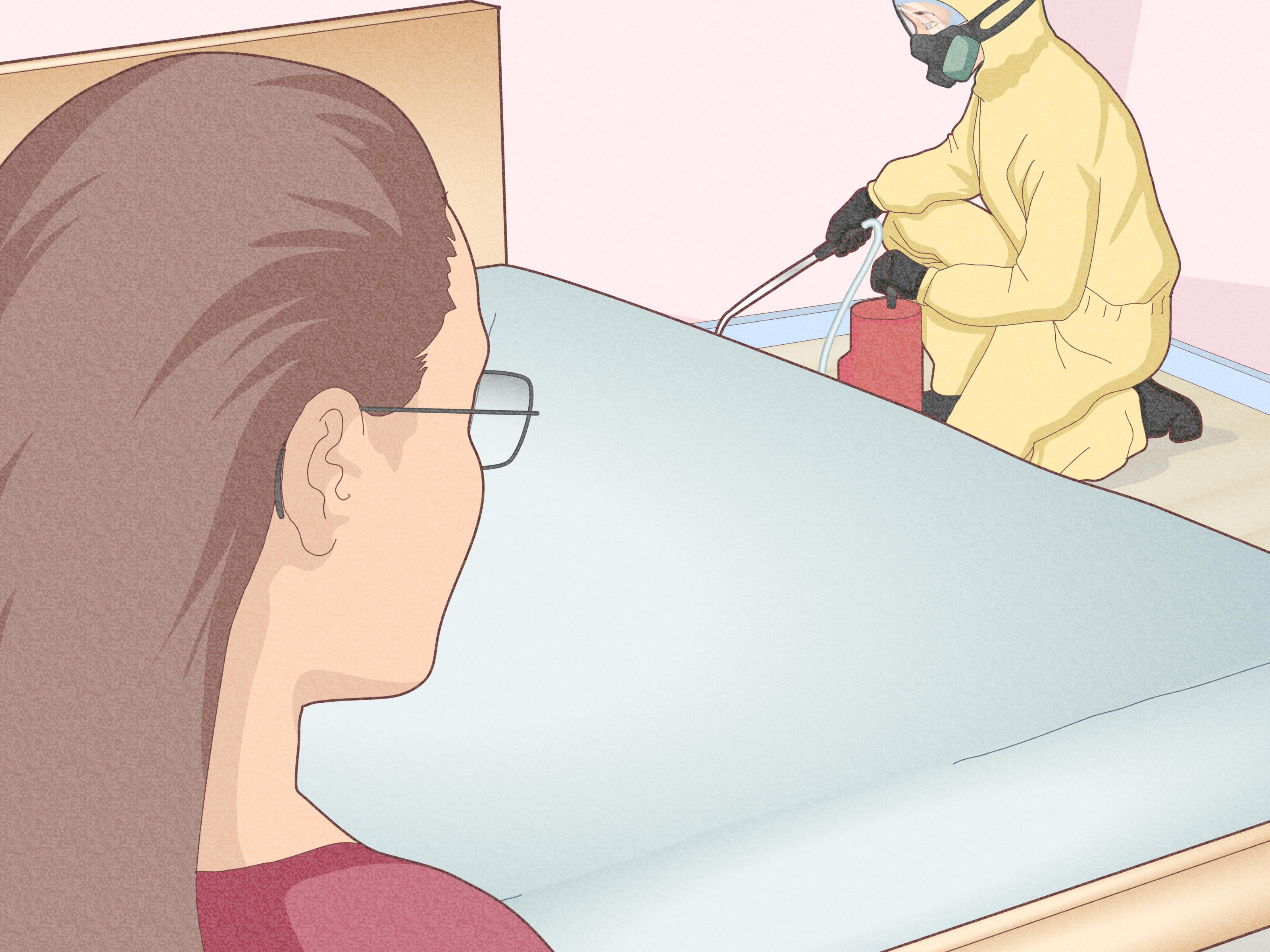

If the idea of a mouse turning your bedroom into its late-night obstacle course makes your skin crawl, you are not being dramatic. A mouse near your bed is not just creepy. It can contaminate bedding, leave droppings, chew stored items, and turn a restful room into a place where every tiny sound suddenly feels like a full-blown horror soundtrack. The good news is that keeping mice away from your bed usually does not require medieval-level warfare. It requires strategy.
The most effective approach is simple: make your bedroom hard to enter, boring to explore, and completely unrewarding to stay in. In plain English, that means no food, fewer hiding places, fewer entry points, and a fast plan for removing any mouse that has already moved in without paying rent. Below are 10 practical, evidence-based solutions that actually work.
Why Mice End Up Near Beds in the First Place
Mice do not show up because your bed is luxurious. They show up because your room offers what they need: warmth, shelter, fabric for nesting, crumbs, pet food, clutter, and quiet corners. Bedrooms can be surprisingly mouse-friendly, especially when there are snack wrappers in drawers, laundry on the floor, under-bed storage full of soft materials, or small gaps around pipes, baseboards, doors, and closets.
That is why the goal is not just to scare mice away from the bed itself. The goal is to make the whole bedroom ecosystem less attractive. Think of it as changing the reviews on your room from “cozy boutique lodging” to “absolutely not worth the trip.”
1. Make Your Bedroom a Strict No-Food Zone
This is the big one. If you eat in bed, store snacks in your nightstand, leave a coffee cup on the dresser, or keep pet treats in the room, you are basically sending tiny engraved invitations. Mice are opportunists. They do not need a buffet. A few cracker crumbs, a forgotten granola bar wrapper, or a sweet drink residue on a bedside table can be enough.
Start by removing all food and drinks from the bedroom except water in a sealed bottle. If children snack in bed, change that habit. If you work from your room and tend to keep “just one little snack” nearby, move it to the kitchen. Wash mugs and bowls promptly, wipe down hard surfaces, and vacuum crumbs from around the bed, under the nightstand, and along baseboards.
One of the fastest ways to reduce mouse activity is to stop offering a midnight snack menu. It sounds obvious, but in pest control, obvious usually works.
2. Clear Out Under-Bed Clutter and Store Soft Items in Sealed Bins
Mice love soft, quiet nesting materials. That means extra blankets, paper bags, tissue paper, cardboard boxes, piles of clothes, fabric storage cubes, and anything fluffy enough to feel like a luxury mouse mattress. The area under a bed is especially tempting because it is dark, low-traffic, and easy to access.
Remove loose storage from under the bed, especially cardboard boxes and fabric bins. Replace them with sealed hard-plastic containers that snap shut. Store extra bedding, winter clothes, stuffed animals, and spare linens in bins rather than open baskets. If you keep a laundry hamper in the bedroom, choose one with a lid.
This step matters because it reduces both shelter and nesting material. A mouse that cannot hide comfortably near your sleeping area is much less likely to stick around.
3. Create a Cleaner “Bed Zone”
Your bed should not touch the wall with blankets cascading onto the floor like a dramatic movie set. From a design perspective, charming. From a mouse perspective, delightful. Mice tend to travel along edges and walls, so anything that gives them cover near the bed makes movement easier.
Pull the bed slightly away from the wall if possible. Keep comforters, bed skirts, and throws from dragging on the floor. Avoid storing piles of books, magazines, shoes, or soft baskets beside the bed. Vacuum under the bed and behind the headboard regularly. If your bedroom has a closet, keep the floor as open as possible so you can quickly spot droppings or gnaw marks.
This does not make your bed mouse-proof by magic, but it removes easy runways and nesting spots right where you least want them.
4. Seal Every Entry Point You Can Find
If mice are getting into the bedroom, they are coming from somewhere. Common access points include gaps around heating pipes, holes around cable lines, cracks near baseboards, openings behind furniture, loose trim, closet corners, and spaces around doors. Small gaps matter. Very small gaps matter. Mice are built like tiny furry liquid when it comes to squeezing through openings.
Inspect your room carefully with a flashlight. Check along baseboards, behind the bed, around radiators, near vents, inside closets, and where wires or pipes enter the wall. Seal small gaps with caulk. For larger gaps, use durable repair materials appropriate to the surface, such as metal mesh, hardware cloth, flashing, or patching material, then seal around them. Temporary stuffing alone is rarely enough because mice can chew through many soft materials.
If you live in an apartment, document the gaps and report them to management. In multi-unit buildings, mouse control is only half successful when one person is diligent and the wall voids are basically running a rodent subway system.
5. Install Door Sweeps and Fix Windows, Screens, and Vents
A bedroom door with a generous gap underneath is not just bad for privacy. It is a mouse lane. The same goes for damaged window screens, poorly sealed vents, and gaps around frames. If mice are active elsewhere in the home, these openings help them graduate into your sleeping area.
Add a quality door sweep to the bedroom door if there is visible space beneath it. Check windows for torn screens or loose frames. Make sure vents are covered properly and not damaged. If you keep windows cracked open, confirm screens fit tightly with no tears.
This solution is especially helpful when the infestation begins in another part of the house and your immediate goal is to block mice from reaching the bed area while you solve the bigger problem.
6. Cut Off Water and Moisture Sources
Food gets most of the attention, but moisture matters too. Mice need water, and even small sources can help them stay indoors. In bedrooms, moisture problems often show up as leaking radiators, humidifiers, pet water bowls, condensation near windows, damp bathroom-adjacent walls, or en-suite plumbing issues.
Fix leaks promptly. Empty water glasses at night rather than leaving them for the next morning. If your bedroom connects to a bathroom, pay extra attention to plumbing penetrations under the sink or behind the toilet wall on the other side. Use a dehumidifier if the space is chronically damp. If pet bowls are kept in or near the bedroom, move them to a more controlled area and clean up spills.
A dry room is less inviting. A damp room with crumbs is basically a mouse bed-and-breakfast.
7. Clean Mouse Signs Safely, Especially on or Near Bedding
If you find droppings, urine stains, nesting material, or signs of gnawing near the bed, cleanup matters. This is not the moment to attack the mess with a dry broom like you are in a cleaning-product commercial. Disturbing rodent waste carelessly can spread contaminated particles into the air.
If you suspect bedding, clothing, or stuffed items have been contaminated, wash them in hot water with detergent and dry them thoroughly on a high heat setting if the fabric allows. For hard surfaces, disinfect first, allow the product to sit as directed, then wipe up the material. Wear disposable or washable gloves while cleaning. Dispose of waste properly, and wash your hands when finished.
Do not use a vacuum on fresh droppings or nesting material before proper disinfection. That shortcut can make the situation less safe, not more convenient. In other words, this is one of those rare household chores where “spray first, wipe later” is the winning move.
8. Use Snap Traps Correctly if a Mouse Is Already Inside
Prevention is the star of the show, but if a mouse is already in your room or nearby, you need removal as well. The most effective DIY tool is usually a well-placed snap trap. Placement matters more than drama. Mice tend to run along walls, not through the middle of a room like they are making a grand entrance.
Place traps along walls, behind furniture, along baseboards, and near signs of activity. Position snap traps so the trigger end faces the wall. Use enough traps; one lonely trap in a giant house is a motivational poster, not a control plan. Small amounts of bait such as peanut butter can help. Check traps daily and keep them away from children and pets or use covered trap stations when needed.
If the thought of traps in the sleeping area makes you uneasy, place them in the pathways leading into the bedroom rather than right beside the pillow. The point is interception, not bedside drama.
9. Do Not Rely on Folk Remedies as Your Main Defense
Strong smells, ultrasonic gadgets, and random internet hacks are often marketed like miracle fixes. Some may make a room smell aggressively minty, but smell alone is rarely a complete solution. If mice still have access to food, shelter, and entry points, they may tolerate a scent you personally find powerful enough to clear a yoga studio.
That does not mean every deterrent is useless. It means deterrents should be secondary. Your primary defenses should always be exclusion, sanitation, and trapping when necessary. Also, skip risky ideas such as loose poison use in sleeping spaces, especially where children or pets may be present. Safety matters just as much as effectiveness.
In short, do not let a cute “natural fix” distract you from the boring steps that actually solve the problem.
10. Call a Professional When the Signs Keep Returning
Sometimes the issue is bigger than one bedroom. If droppings keep reappearing, scratching continues at night, traps stay active for more than several days, or you suspect mice are living in walls, ceilings, or shared building spaces, it is time to escalate. A professional can inspect hidden access points, identify the scale of the infestation, and use a broader integrated pest management plan.
This matters even more in older homes, apartment buildings, and houses with crawl spaces, basements, attached garages, or cluttered utility areas. If you only treat the bedroom while the rest of the structure remains mouse-friendly, the problem tends to circle back like an annoying sequel nobody asked for.
Common Mistakes That Keep Mice Coming Back
- Eating snacks in bed and forgetting crumbs in sheets or under furniture
- Keeping cardboard boxes, paper bags, or fabric piles under the bed
- Ignoring tiny holes because they “look too small to matter”
- Using too few traps or placing them in open areas instead of along walls
- Leaving pet food or pet water in the bedroom overnight
- Cleaning droppings carelessly instead of disinfecting first
- Stopping control efforts the second you stop hearing noises
The last mistake is especially common. Mice often become less visible before they are truly gone. A quiet room is encouraging, but it is not proof. Continue monitoring, keep up sanitation, and recheck entry points regularly.
Experience Corner: What People Usually Learn the Hard Way
In real homes, mouse problems near the bed often start with something small and almost laughable. Someone hears a tiny rustle and assumes it is the heater. Someone else spots one dropping behind the nightstand and decides it is probably old. Another person swears the wrapper under the bed is “not a real food source,” which is exactly the kind of confidence mice love in a homeowner.
A common pattern goes like this: the bedroom looks tidy at first glance, but under the bed there are shoe boxes, old magazines, extra blankets, charging cables, and a tote bag full of who-knows-what. The closet floor has laundry. There is a protein bar in a purse, a half-finished bag of cough drops in a drawer, and maybe a pet bowl nearby. Nothing seems outrageous. But to a mouse, it is a whole neighborhood.
People who successfully solve the problem usually say the same thing afterward: the breakthrough came when they stopped focusing only on the sighting and started changing the environment. Once the snacks disappeared, the clutter got cleared, the entry holes were sealed, and traps were placed where mice actually travel, the problem finally started to shrink.
Another frequent lesson is that bedrooms can hide rodent signs longer than kitchens. In a kitchen, crumbs and droppings are often noticed quickly because counters are wiped often and the area gets daily traffic. In a bedroom, signs can stay hidden behind a headboard, inside a closet corner, or under a bed skirt for weeks. By the time the homeowner notices, the mouse has already memorized the floor plan.
There is also an emotional side to this issue that people do not always talk about. A mouse near the bed can make even a clean, comfortable room feel unsettling. Sleep gets lighter. Every blanket shift sounds suspicious. A perfectly innocent creak in the wall suddenly feels like a tiny trespasser writing a memoir inside the drywall. That reaction is normal. The best antidote is action. Once you have a clear plan, the anxiety tends to drop fast.
One practical experience many people report is that a single change rarely fixes everything. Peppermint scent alone does not do it. One trap does not do it. One cleaning session does not do it. But several boring steps stacked together often work surprisingly well. That is the real secret: consistency beats gimmicks.
And finally, the people who keep mice away for good usually adopt a few permanent habits. They stop storing soft clutter under the bed. They keep snacks out of the bedroom. They inspect baseboards and doors every season. They treat one dropping as useful information, not an excuse for denial. It is not glamorous, but neither is sharing a bedroom with an uninvited rodent.
Final Thoughts
If you want to keep mice away from your bed, think beyond the bedframe. Focus on what attracts them, how they enter, where they hide, and how they move through the room. The most effective solutions are not mysterious: remove food, reduce clutter, store fabrics properly, seal gaps, cut off moisture, clean safely, and trap strategically when needed.
Done together, these steps turn your bedroom into the opposite of mouse-friendly. That means fewer creepy surprises, cleaner bedding, better sleep, and the comforting knowledge that the only thing skittering across your room at night should be your imagination after too much coffee.