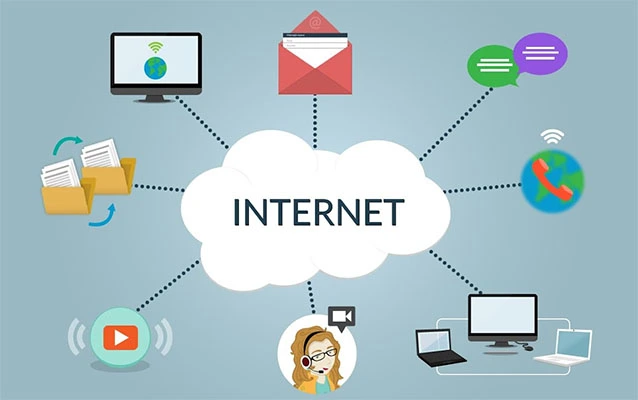

The internet has turned alternative medicine into a 24-hour marketplace, classroom, support group, rumor mill, and herbal tea party all at once. One minute you are searching for “natural ways to sleep better,” and the next minute an algorithm is confidently suggesting a mushroom powder, a detox foot patch, three breathing techniques, and a man on video telling you that doctors hate this one weird root. Welcome to modern wellness, where ancient practices meet broadband speed.
Alternative medicine has always attracted curiosity because people want more than symptom management. They want relief, control, comfort, prevention, and sometimes a gentler path than the one offered by a prescription bottle. The internet has made that curiosity easier to explore. It has also made misinformation easier to package in calming colors and sell with a coupon code.
This article takes a clear, balanced look at alternative medicine and the internet: what is useful, what is risky, how to evaluate online claims, and how patients can make smarter health decisions without falling into the digital rabbit hole wearing a turmeric-stained cape.
What Is Alternative Medicine?
Alternative medicine refers to health practices, products, or systems that are used instead of conventional medical care. Complementary medicine, by contrast, is used alongside standard treatment. Integrative medicine combines evidence-based conventional care with carefully selected complementary approaches. That distinction matters because “alongside” and “instead of” can lead to very different outcomes.
Examples of complementary and alternative medicine include acupuncture, massage therapy, meditation, yoga, tai chi, chiropractic care, herbal supplements, probiotics, special diets, homeopathy, naturopathy, aromatherapy, and traditional healing systems. Some approaches have reasonable evidence for specific uses. Others have weak evidence, exaggerated claims, or safety concerns. A yoga class for back flexibility is not the same risk category as skipping chemotherapy for an unproven juice cleanse. One stretches your hamstrings; the other gambles with your life.
Why the Internet Changed Alternative Medicine Forever
Before the internet, alternative medicine spread through books, local practitioners, family advice, community traditions, and health food stores. Today, it spreads through search engines, podcasts, video platforms, online forums, influencer content, newsletters, telehealth-style consultations, and targeted ads.
This shift has benefits. People can find information about meditation for stress, acupuncture for certain pain conditions, or nutrition basics from credible medical centers. Patients with chronic conditions can discover support communities and learn questions to ask their clinicians. Someone living far from a major hospital can access educational resources that were once locked behind geography.
But the internet also rewards attention, not accuracy. A careful explanation of supplement safety rarely travels as fast as a dramatic claim that “one mineral fixes fatigue overnight.” Algorithms often push content similar to what users already clicked, which can create wellness echo chambers. In those spaces, skepticism may be treated like betrayal, and personal testimonials may be mistaken for scientific proof.
The Good Side: When Online Alternative Medicine Helps
1. It Encourages People to Participate in Their Health
One of the best things about online health information is that it can make patients more engaged. A person who reads about mindfulness for anxiety, gentle exercise for arthritis, or dietary changes for heart health may arrive at a medical appointment better prepared. Good online research can help patients ask sharper questions and understand their options.
2. It Makes Low-Risk Wellness Practices More Accessible
Many complementary practices are not mysterious at all. Breathing exercises, sleep hygiene, meditation, stretching, walking, and stress-reduction routines can be learned online from qualified sources. These tools may not cure disease, but they can support quality of life. For many people, that is not a small thing. Better sleep and less stress are not glamorous, but neither is feeling like a raccoon who drank espresso at midnight.
3. It Helps Patients Find Integrative Care
Major U.S. medical institutions increasingly discuss integrative medicine, especially when complementary approaches are used to support standard care. Acupuncture may be considered for certain pain or nausea concerns. Meditation and yoga may help with stress, mood, flexibility, and coping. Massage may provide comfort for some people dealing with pain or cancer-related distress. The key is that these approaches should be coordinated with medical care, not used as secret side quests.
The Risky Side: When the Internet Turns Wellness Into a Trap
1. “Natural” Does Not Always Mean Safe
One of the most persistent myths in alternative medicine is that natural products are automatically harmless. Poison ivy is natural. So is arsenic. Nature is not a customer service department.
Herbs and supplements can contain active compounds that affect the body. Some may interact with prescription medications, increase bleeding risk, affect blood pressure, interfere with anesthesia, or complicate treatment for chronic disease. St. John’s wort, for example, is known for potential interactions with many medications. High-dose supplements can also create problems, especially when people combine multiple products without telling their healthcare provider.
2. Supplements Are Regulated Differently Than Drugs
In the United States, dietary supplements are not approved in the same way prescription drugs are before they reach consumers. Manufacturers are responsible for making sure their products are safe and properly labeled, but many supplements can enter the market without the same premarket proof required for medications. This does not mean every supplement is bad. It means consumers need to be alert.
Quality can vary. A product may contain more or less of an ingredient than the label says. Some products may include contaminants or hidden drug ingredients. Third-party testing from reputable organizations can help, but even then, a supplement should be chosen for a clear reason, not because an online ad showed a smiling person holding a leaf next to a waterfall.
3. Testimonials Can Be Powerful but Misleading
Online alternative medicine thrives on personal stories. “This cured my pain.” “This tea changed my life.” “My aunt used this and felt better in three days.” Stories are emotionally persuasive because they feel human. They may even be true for the person telling them. But testimonials do not prove that a treatment works for everyone, or that the treatment caused the improvement.
Symptoms can improve naturally. People may use multiple therapies at once. Placebo effects can be real and meaningful. A person may misremember timelines. A dramatic story can be sincere and still be unreliable as medical evidence.
4. Delaying Proven Treatment Can Be Dangerous
The greatest danger is not usually someone using peppermint tea for mild indigestion. The real danger appears when unproven alternative treatments replace evidence-based medical care for serious conditions such as cancer, heart disease, diabetes, severe infections, autoimmune disease, or mental health crises.
For serious illness, time matters. A delay can allow disease to progress. Online claims that promise to cure cancer, reverse diabetes instantly, eliminate the need for medication, or “detox” the body from complex disease should be treated with extreme caution. If a treatment claims to cure everything, it probably cures your wallet first.
How to Evaluate Alternative Medicine Information Online
Check Who Is Behind the Information
Start with the source. Is the website run by a government health agency, university, hospital, medical association, or recognized nonprofit? Is the author named? Are credentials listed? Is the article reviewed by medical professionals? Anonymous advice may be fine for fixing a squeaky door, but it is not ideal for managing blood pressure, cancer symptoms, or drug interactions.
Look for Evidence, Not Just Excitement
Reliable health content explains what is known, what is uncertain, and what risks exist. Be suspicious of pages that use only emotional language, miracle claims, conspiracy framing, or “doctors don’t want you to know” messaging. Real science is usually less dramatic. It wears comfortable shoes and brings footnotes.
Watch for Conflicts of Interest
If an article praises a supplement and sells that same supplement five inches below the headline, slow down. Selling a product does not automatically make information false, but it creates a financial incentive. Ads should be clearly labeled. Sponsored content should be transparent. Reviews should not pretend to be neutral if they are part of a sales funnel.
Compare Several Reputable Sources
Do not rely on one website, one influencer, or one viral video. Compare information from multiple credible sources. If major medical organizations consistently say evidence is limited, but a sales page says the treatment is “clinically proven” without showing meaningful research, believe the pattern, not the pitch.
Ask Whether the Claim Is Specific
A trustworthy claim is usually specific: “This may help reduce nausea in some people during chemotherapy,” or “This practice may reduce stress.” A suspicious claim is broad and magical: “This removes toxins, balances hormones, cures inflammation, boosts immunity, restores energy, and makes your neighbor finally return your lawn mower.”
Red Flags in Online Alternative Medicine Claims
Some warning signs appear again and again. Be careful when you see claims that a product works for many unrelated diseases, requires no lifestyle changes, has no side effects, is backed only by testimonials, or must be purchased immediately before a discount expires. Also watch for claims that all conventional medicine is harmful or that a single hidden cause explains every illness.
Another red flag is the misuse of scientific language. Terms like “quantum,” “cellular,” “biofrequency,” “detox pathway,” and “immune reset” can sound impressive while saying very little. Real medical explanations should become clearer as you read, not foggier.
Alternative Medicine, Social Media, and the Influencer Effect
Social media has made wellness advice more personal and more visual. A creator can show a morning routine, supplement shelf, smoothie recipe, and transformation story in under sixty seconds. That format is engaging, but it often leaves out medical history, dosage, contraindications, and uncertainty.
Influencers may be excellent communicators, but they are not automatically medical experts. Some are paid to promote products. Some repeat claims they do not fully understand. Some build communities where disagreement is unwelcome. The result can be a polished stream of confidence without enough caution.
That does not mean all social media health content is useless. Many licensed clinicians and reputable organizations share helpful education online. The challenge is learning to separate qualified guidance from wellness theater. A white coat, a ring light, and a confident tone are not the same as evidence.
How Doctors and Patients Should Talk About Alternative Medicine
Patients often hesitate to tell doctors about supplements or alternative treatments because they fear judgment. That silence can be risky. Clinicians need to know what patients are taking and trying, especially before surgery, cancer treatment, pregnancy, or medication changes.
A productive conversation does not have to be awkward. Patients can say, “I read about this supplement online. Is it safe with my medication?” or “I am interested in acupuncture for pain. Is there evidence for my condition?” Good clinicians should respond with curiosity and clarity, not eye-rolling. Good patients should bring questions, not a suitcase full of mystery capsules.
The best approach is shared decision-making. That means considering evidence, safety, cost, patient values, and medical priorities. Sometimes the answer will be “This may be reasonable.” Sometimes it will be “This is unlikely to help.” Sometimes it will be “Please do not take that with your medication unless you enjoy chaos.”
Practical Examples: Smart Choices vs. Risky Choices
Smart Choice: Meditation for Stress
A person with work-related stress uses a reputable hospital website to learn basic mindfulness techniques. They practice ten minutes daily and also seek therapy when anxiety becomes disruptive. This is a sensible use of complementary care.
Risky Choice: Supplements Instead of Diabetes Medication
A person with diabetes sees online claims that a supplement can replace medication. They stop prescribed treatment without medical advice. Blood sugar rises, and complications become more likely. This is where alternative medicine crosses from hopeful to hazardous.
Smart Choice: Acupuncture as Part of Pain Management
A patient with chronic pain asks their physician whether acupuncture might fit into a broader plan that includes physical therapy, medication review, exercise, and sleep support. This is integrative care at its best: coordinated, realistic, and safety-aware.
Risky Choice: Cancer Cure Claims Online
A person with cancer delays oncology treatment after watching videos promoting an unproven natural cure. This can be life-threatening. Complementary practices may help with comfort and side effects, but they should not replace evidence-based cancer care.
The Future of Alternative Medicine Online
The future will likely bring more digital wellness tools: apps for meditation, online supplement subscriptions, wearable devices, virtual integrative medicine consultations, AI-generated health content, and personalized wellness plans. Some of this will be useful. Some of it will be expensive confetti.
The central question will remain the same: Does the claim match the evidence? Technology can make health information faster, prettier, and more personalized, but it cannot turn weak proof into strong proof. A beautiful website does not make a treatment effective. A viral video does not make a supplement safe. A chatbot, influencer, or online quiz should not replace a qualified healthcare professional who knows your medical history.
Experiences Related to Alternative Medicine, and the Internet
Anyone who has searched for health advice online knows how quickly a simple question can become a full expedition. You begin with “Why am I tired?” and twenty minutes later you are reading about magnesium, thyroid function, sleep apnea, adrenal fatigue, vitamin D, blue light, cold plunges, and whether your houseplants are silently judging your circadian rhythm. The internet is helpful, but it has no natural stopping point.
One common experience is the feeling of hope. People often turn to alternative medicine online after conventional care feels rushed, expensive, confusing, or incomplete. A patient with chronic pain may have tried several medications and still feel miserable. A person with digestive symptoms may have normal test results but ongoing discomfort. Someone with anxiety may want tools that feel practical between therapy sessions. In these moments, online alternative medicine can feel warm and empowering. It speaks the language of possibility.
Another common experience is overwhelm. Search results rarely arrive in a neat, medically reviewed order. A government health page may sit next to a supplement store, a personal blog, a video testimonial, and an online forum where twelve strangers are arguing about apple cider vinegar. For the average reader, it can be hard to know who is credible. The most confident voice often wins attention, even when the most cautious voice is more accurate.
Many people also experience the “it worked for them, so maybe it will work for me” effect. This is understandable. Human beings are wired for stories. A testimonial from someone who looks relatable can feel more convincing than a clinical summary. But bodies are complicated. Two people with the same symptom may have different causes, different risks, and different treatment needs. What helped one person sleep may do nothing for another person or may interact badly with medication.
There is also the experience of embarrassment. Some patients buy supplements or try online remedies and then feel awkward telling their doctor. They may worry about being dismissed. But hiding this information can make care less safe. A better habit is to keep a simple list of supplements, dosages, online programs, and alternative therapies. Bring that list to appointments. A good healthcare conversation should not feel like a courtroom scene. It should feel like teamwork.
The most useful personal strategy is to treat the internet as a starting point, not a final diagnosis. Use it to learn vocabulary, compare credible sources, prepare questions, and understand possible options. Do not use it to replace urgent care, stop prescribed medication, or diagnose serious symptoms alone. Chest pain, sudden weakness, severe shortness of breath, suicidal thoughts, signs of stroke, uncontrolled bleeding, or rapidly worsening symptoms deserve immediate medical attention, not a search bar and a hopeful herbal tea.
In real life, the best outcomes often come from combining curiosity with caution. The curious person learns, asks, explores, and participates. The cautious person checks evidence, considers safety, and talks to professionals. Together, those two qualities make a much better health guide than fear, hype, or blind trust.
Conclusion
Alternative medicine and the internet are now deeply connected. That connection can help people learn about wellness practices, manage stress, explore supportive therapies, and become more active participants in their care. It can also expose them to exaggerated claims, unsafe products, and advice that delays proven treatment.
The goal is not to reject every alternative approach or believe every natural remedy. The goal is to think clearly. Use credible sources. Be skeptical of miracle claims. Check supplement safety. Talk openly with healthcare providers. Choose complementary practices that support health without replacing necessary medical care.
The internet can be a powerful health tool, but it needs a careful driver. Otherwise, it may take you from “I need better sleep” to “I bought yak butter capsules from a pop-up ad” before lunch.
Note: This article is for educational purposes only and is not a substitute for professional medical advice, diagnosis, or treatment. Always consult a qualified healthcare provider before starting, stopping, or combining treatments, supplements, or alternative therapies.