
There are few things more humbling than planting an edible garden with cinematic dreams of rustic baskets, sun-kissed tomatoes, and casual barefoot harvesting… only to discover that basil can become a diva, cucumbers can act like they own the zip code, and one missed watering can turn lettuce into a bitter little protest sign.
Still, here we are: a little wiser, a lot dirtier, and very pleased to report that our edible garden is not only alive, but gloriously pulling its weight. This season has been less about perfection and more about paying attention. We learned which plants are thriving, which ones need a pep talk, and which ones would like a trellis, a drink, and a personal assistant.
In this edible garden update, we’re sharing what’s working, what surprised us, what we’d do differently next time, and how a few simple gardening habits made the whole thing easier, more productive, and far less dramatic than expected. If you’ve been growing herbs, vegetables, or fruit at home, consider this your friendly field report from the front lines of backyard abundance.
What’s Thriving in the Garden Right Now
The stars of the show are the usual crowd-pleasers: basil, cherry tomatoes, peppers, beans, and a few leafy greens that have somehow managed to hang on with admirable optimism. Basil, in particular, has been acting like it signed a growth contract. Regular snipping has kept it bushy, fragrant, and kitchen-ready, which is excellent news for pasta nights and anyone who believes pesto counts as emotional support.
Our cherry tomatoes have been the overachievers. Once they got established, they moved from shy little blossoms to nonstop production mode. The best part is that harvesting them often seems to encourage even more fruit, which creates a lovely cycle of “I’ll just grab a few” followed by “Why am I suddenly holding nineteen tomatoes in my shirt hem?”
Beans have also earned a gold star. Pole beans, especially, have been generous producers, climbing upward like tiny green acrobats and rewarding frequent picking with more pods. They’ve taken up less ground than expected, which makes them ideal for gardeners working with modest space and unrealistic ambition.
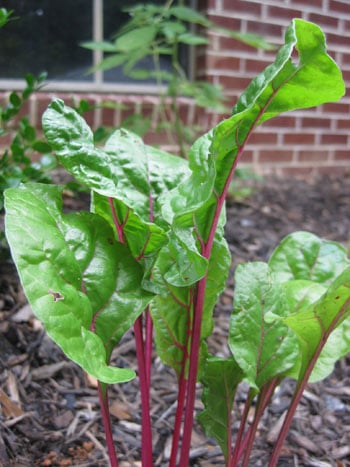
The peppers took a little longer to settle in, but once the weather warmed and moisture stayed consistent, they started setting fruit more reliably. Meanwhile, leafy crops like Swiss chard and kale proved once again that some plants are simply built with more emotional resilience than others. They tolerated heat swings better than lettuce and still gave us enough harvests to feel downright competent.
The Habits That Made the Biggest Difference
1. Starting with Better Soil, Not Better Luck
If this season had a secret hero, it was the soil. Not glamorous, not photogenic, but absolutely carrying the team. We stopped treating soil like plain brown background material and started treating it like the main event. Adding compost improved texture, helped the beds hold moisture more evenly, and gave plants a stronger foundation from the start.
Instead of tossing random “garden miracle” ingredients into the beds and hoping for wizardry, we focused on a more boring and much smarter approach: building organic matter and paying attention to actual plant needs. It turns out vegetables are less impressed by internet folklore than by healthy, workable soil with proper fertility. Rude, but fair.
That shift in mindset also changed how we think about feeding plants. Rather than over-fertilizing everything in sight, we learned that different crops have different appetites. Beans, for instance, are not nearly as needy as heavier feeders like tomatoes or potatoes. Once you stop treating every plant like it wants the same buffet, the whole garden behaves a little better.
2. Watering More Consistently, Not More Dramatically
One of the biggest lessons from this edible garden update is that consistent watering solves a shocking number of problems. Tomatoes, peppers, greens, beans, and root crops all perform better when moisture levels stay relatively even. When watering swings wildly between drought and deluge, plants get cranky. Fruits crack, leaves toughen, roots split, and blossom-end rot starts lurking like an unwelcome sequel.
We had much better results once we shifted to deep, regular watering instead of panicked splash sessions. A soak that reaches the root zone does more good than daily surface sprinkles that mostly moisturize the top inch and the gardener’s conscience. In hot stretches, we checked soil more often, especially around containers and thirsty crops like basil and tomatoes.
The other game-changer was accepting that “even moisture” is not a boring phrase gardeners repeat for fun. It is, in fact, the difference between crisp, productive plants and vegetables that taste like stress.
3. Mulch Deserves a Standing Ovation
Mulch turned out to be the garden equivalent of hiring a competent assistant. It helped keep moisture in the soil, reduced weed pressure, moderated temperature swings, and cut down on muddy splash-up around vulnerable plants. Around tomatoes especially, mulch made the whole area look tidier and function better.
Without mulch, weeds seem to appear overnight with the confidence of unpaid interns who think they run the place. With mulch, the garden is calmer, cleaner, and less needy. That alone would be enough to win our affection, but the extra help with soil moisture made it indispensable during warm weather.
4. Giving Plants Some Vertical Real Estate
Trellises and cages earned their keep this season. Tomatoes stayed cleaner and more manageable once supported, and cucumbers behaved far better when they were encouraged upward instead of sprawling across the bed like they were paying rent. Vertical growing also made harvesting easier and improved airflow, which is always a nice bonus when disease pressure starts creeping in.
If you have a small garden, going vertical is one of the easiest ways to make the space feel bigger. Suddenly, peas, beans, cucumbers, and some melons stop acting like land hogs and start acting like team players.
What Didn’t Go Perfectly, Because Of Course It Didn’t
No honest garden update would pretend every plant came out looking like it belonged on a seed packet. We had a few missteps, a few mysteries, and at least one moment where we stared at a leaf and said, “That doesn’t look expensive, but it does look concerning.”
The biggest challenge was heat management. Cool-season crops that looked cheerful in spring became noticeably less enthusiastic once the temperatures rose. Lettuce, spinach, and radishes are wonderful until they decide summer is beneath them. We harvested quickly, accepted the timing lesson, and made a note to stagger those plantings better next year.
Pests also made their customary cameo. Aphids showed up on tender growth, and a few leaves told the unmistakable tale of flea beetles or caterpillar nibbling. The good news is that not every pest issue needs an all-hands chemical response. In several cases, a strong spray of water, removing damaged leaves, and staying on top of garden hygiene made a real difference.
We also had to let go of a few gardening myths. Eggshells were not a magic shield. Epsom salt was not a miracle productivity potion. The garden responded much better to sensible watering, mulch, and measured soil care than to trendy shortcuts. Apparently the plants prefer science over theater.
Harvest Notes: The Best Part of the Whole Operation
The most satisfying part of this season has been how often the garden has contributed to actual meals instead of vague good intentions. Basil went into pasta, salads, and sandwiches. Cherry tomatoes disappeared by the handful before they even reached the cutting board. Beans made it into quick sautés. Peppers joined sheet-pan dinners. Swiss chard, once unfairly ignored, finally got its moment in garlicky skillets and egg dishes.
That’s the quiet magic of an edible garden. It doesn’t just give you produce; it changes the way you cook. Dinner becomes more flexible, more seasonal, and a little more joyful. You stop asking, “What do I need from the store?” and start asking, “What is the garden trying to hand me today?”
Even small harvests feel oddly luxurious. A bowl of tomatoes on the counter. A bunch of herbs clipped in the morning. A few peppers picked before lunch. None of it has to be huge to feel meaningful. The freshness alone changes the experience. So does the smugness, if we’re being honest.
What We’re Changing for the Next Round
This edible garden update wouldn’t be complete without looking ahead. The next step is not a massive redesign; it’s a smarter version of what already works.
First, we’re planning more succession planting. Once early crops finish, there’s no reason those spaces should sit around looking abandoned. Quick-growing greens, bush beans, beets, carrots, and cool-season fall crops can keep the beds productive longer if we refresh the soil and replant with intention.
Second, we’re spacing a few crops more generously. It is emotionally difficult to thin seedlings when every sprout looks like hope, but overcrowding leads to poor airflow, smaller harvests, and a jungle that only mosquitoes appreciate. We have learned. We will perhaps even apply that lesson.
Third, we want more flowers and herbs woven through the vegetable beds. Not because we’re trying to turn the place into a cottagecore fever dream, though we are not opposed, but because a mixed planting can make the garden healthier, more attractive to pollinators, and generally more balanced.
And finally, we’re keeping better notes. Which tomato variety produced first? Which pepper tolerated heat best? Which bed dried out faster? Memory is a charming liar, and next year’s garden deserves written receipts.
Why This Garden Feels Bigger Than Its Footprint
What surprised us most is that the edible garden has become more than a place to grow food. It has become a rhythm. Watering in the morning, checking new blossoms, harvesting before dinner, noticing what changed overnightthese small routines made the season feel more grounded. The garden asks for attention, yes, but it also returns it in a form that feels tangible.
There is also something deeply satisfying about seeing progress in real time. A trellis fills in. A flower becomes a fruit. A bare patch becomes a second planting. The whole thing offers proof that steady care matters, even when the results are not instant. In a world obsessed with fast outcomes, an edible garden remains gloriously analog. You do the work, you wait, and eventually a tomato shows up like a tiny red applause break.
So this update is a happy one. Not because everything went perfectly, but because enough things went well to make us excited for the next round. The garden fed us, taught us, corrected us, and occasionally outsmarted us. Frankly, that feels like a successful season.
Extra Garden Experience: What This Season Actually Felt Like
If the practical side of gardening is about compost, spacing, watering, and harvest timing, the emotional side is about something much harder to measure. This season reminded us that an edible garden changes your relationship with time. You stop thinking in abstract chunks like “sometime next month” and start thinking in tiny, living milestones: first true leaves, first flowers, first fruit set, first harvest, first sign that something has chewed a suspiciously artistic hole through a leaf.
There is a strange and wonderful intimacy in that. You notice weather differently. A hot afternoon is no longer just hot; it is the reason the basil needs checking. A hard rain is not just cozy background ambiance; it is either free irrigation or a dramatic event that may flatten the lettuce. The garden pulls your attention downward and outward at the same time. It makes you more observant, more patient, and occasionally more ridiculous. We have absolutely celebrated a bean vine for “finally getting its act together.”
One of the best experiences this season has been sharing the harvest in casual ways. Not giant baskets worthy of a farmhouse magazine, but little moments. A handful of tomatoes set beside lunch. Extra basil clipped for a neighbor. Peppers added to dinner because they were ready and it would feel rude not to invite them. These are small gestures, but they make homegrown food feel generous in a way store-bought produce rarely does.
The garden also taught us not to confuse productivity with perfection. Some plants were messy. Some leaves were chewed. Some carrots were a little crooked and looked as though they had been grown by committee. None of that made the harvest less useful. In fact, it made the garden feel more real and less like a stage set. Growing food at home is not about turning every cucumber into a beauty queen. It is about flavor, learning, resilience, and the oddly thrilling act of eating something that was in the soil a few hours earlier.
We also learned that maintenance becomes easier when the garden is part of daily life instead of a separate, intimidating project. Five minutes of observation often prevented twenty minutes of repair. A quick tie on a tomato stem, a fast harvest of beans, a check for dry soil, a little trimming around crowded leavesthose tiny tasks kept problems from snowballing. The edible garden responded best when we treated it like a living space we visited often, not a weekend chore we dramatically conquered with a hose and misplaced confidence.
And maybe that is the real update: the garden has moved from experiment to habit. It is no longer the thing we planted to see if we could. It is now part of how we live, cook, and pay attention. We expect to make mistakes again next season, because gardening has a delightful way of keeping people humble. But we also expect more flavor, more confidence, and more moments of standing in the yard eating a tomato like it is a prize. Honestly, it is a pretty great way to spend a season.
Conclusion
Our edible garden update comes down to this: the season worked not because we discovered some secret gardener handshake, but because we focused on fundamentals. Better soil, steadier watering, helpful mulch, smart supports, frequent harvesting, and realistic expectations gave us a garden that felt productive without becoming exhausting.
That is probably the most encouraging lesson of all. You do not need a giant yard, a greenhouse, or an encyclopedic knowledge of heirloom squash to grow useful, delicious food at home. You need a decent plan, a willingness to observe, and the ability to laugh when one zucchini leaf suddenly becomes the size of a beach towel. The garden will still throw surprises at you, but that is part of the fun. Every season is a conversation, and this one had a lot to say.
We are ending this round with dirt under our nails, herbs in the kitchen, and a much clearer idea of what to do next. That feels like a win. And if the tomatoes keep behaving like this, we may become absolutely unbearable about it.