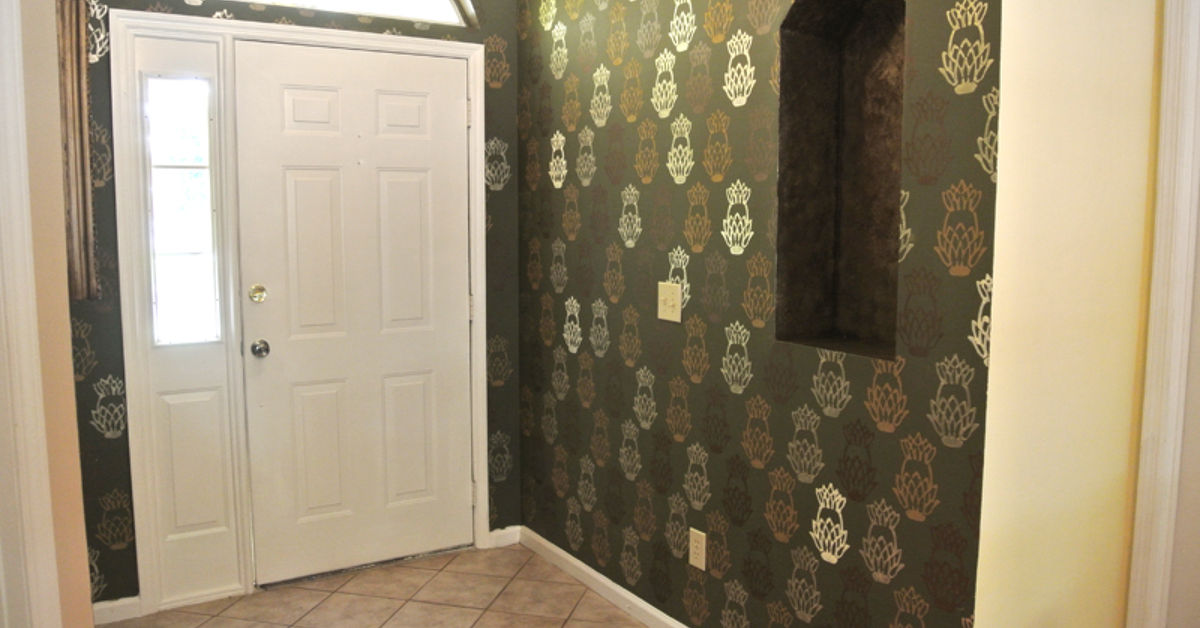

There are accent walls, and then there are walls that walk into the room wearing sunglasses. A hand stenciled pineapple wall belongs to the second category. It is cheerful without being childish, tropical without turning your living room into a cruise-ship buffet, and classic enough to nod politely at history while still feeling fresh in a modern home.
Hand stenciled pineapple walls combine three powerful design ideas: pattern, personality, and craft. Instead of applying wallpaper or settling for one flat paint color, you create a repeated pineapple motif directly on the wall using a stencil, paint, and a little patience. The result can look like custom wallpaper, boutique hotel décor, coastal cottage charm, or playful powder-room magicdepending on your colors, scale, and spacing.
The pineapple has long been associated with welcome, hospitality, and gracious entertaining in American decorative tradition. That makes it a surprisingly meaningful wall motif, especially in entryways, dining rooms, kitchens, breakfast nooks, guest rooms, and bathrooms. In other words, anywhere people gather, linger, snack, laugh, or ask where you bought that wall treatment.
Why Pineapple Walls Work So Well in Interior Design
A pineapple is not a shy shape. It has a crown, texture, symmetry, and a little tropical drama built right in. As a stencil pattern, it offers enough detail to feel decorative but enough structure to repeat beautifully across a wall. That balance is exactly why pineapple wall stencils can look charming in both traditional and contemporary spaces.
In a coastal home, a pineapple stencil can feel breezy and vacation-ready. In a Southern-inspired dining room, it can echo the classic hospitality motif often seen in architecture, textiles, ceramics, and furniture. In a modern apartment, a simplified pineapple pattern in soft neutrals can add just enough wit to keep the room from feeling like a catalog page with commitment issues.
The Hospitality Factor
One of the reasons pineapple décor has survived so many design trends is its symbolic warmth. A pineapple pattern says, “Come in, relax, stay for coffee,” but it says it with more style than a sign that literally says “Gather.” Hand stenciling gives that traditional symbol a personal twist because the pattern is not mass-produced wallpaper; it is something you made by hand.
The Wallpaper Look Without Wallpaper Stress
Wallpaper can be beautiful, but it is not always forgiving. Pattern matching, adhesive, seams, removal, and commitment can make even confident DIY decorators suddenly remember an urgent appointment elsewhere. A hand stenciled pineapple wall gives you a wallpaper-like effect with paint. If you get tired of it later, you can paint over it. No steaming, scraping, or questioning your life choices required.
Choosing the Right Pineapple Stencil
The stencil you choose determines the mood of the entire project. A large pineapple stencil creates a bold statement wall, while a smaller repeating stencil feels more like patterned wallpaper. A detailed pineapple with leaves, crosshatching, and fruit texture feels traditional or tropical. A minimal pineapple silhouette feels clean, modern, and playful.
Before buying or cutting a stencil, think about the room size and viewing distance. A tiny pineapple pattern may look adorable up close but busy across a large dining room wall. A huge pineapple may look fabulous behind a bed but overwhelming in a narrow hallway. Scale is the quiet boss of pattern design. Ignore it, and it will absolutely send an email.
Best Rooms for Hand Stenciled Pineapple Walls
Entryways are natural candidates because the pineapple motif reinforces a welcoming feeling right where guests arrive. Powder rooms are another excellent option because small rooms can handle bold patterns better than large open spaces. Kitchens and breakfast nooks work beautifully with fruit-inspired motifs, especially when paired with white cabinetry, brass hardware, rattan accents, or warm wood.
For a guest bedroom, consider a softer pineapple stencil in pale gold, sage green, dusty blue, or warm beige. The result feels thoughtful and charming without shouting “theme room.” For a kids’ room or creative studio, brighter colors can turn pineapple walls into pure visual joy.
Color Ideas for Pineapple Wall Stencils
Color changes everything. The same pineapple stencil can look elegant, beachy, vintage, quirky, or luxurious based entirely on the paint palette.
Classic White and Gold
A white wall with metallic gold pineapples is crisp, glamorous, and instantly eye-catching. It works especially well in powder rooms, small foyers, and dining spaces. The key is restraint. Metallic paint already brings shine, so let the pattern breathe with generous spacing and simple surrounding décor.
Soft Green on Cream
Sage, olive, or eucalyptus green pineapples on a cream wall create a relaxed botanical look. This palette is perfect for farmhouse, cottage, coastal, and vintage-inspired interiors. It also pairs well with woven baskets, linen curtains, terracotta pots, and wood furniture.
Navy and White
Navy pineapple stencils on a white wall create a preppy coastal look that feels polished but still fun. Add brass sconces, natural fiber rugs, and framed botanical prints for a space that says “summer house,” even if the nearest ocean is your bathtub.
Tone-on-Tone Neutrals
If you like pattern but fear visual chaos, use two shades from the same color family. Try warm white over ivory, greige over beige, or soft charcoal over medium gray. Tone-on-tone stenciling gives depth and texture without taking over the room.
Tools and Materials You Will Need
A successful hand stenciled pineapple wall begins with the right supplies. You do not need a professional studio, but you do need basic tools that help control paint and keep the pattern aligned.
- Pineapple wall stencil
- Painter’s tape or low-tack stencil adhesive
- Level or laser level
- Pencil for light registration marks
- High-quality acrylic or latex wall paint
- Dense foam roller or stencil brush
- Paper towels or a paint tray liner
- Drop cloth
- Small artist brush for touch-ups
- Base wall paint, if repainting the wall first
The most important tool is not expensive. It is restraint. Stenciling usually goes wrong when too much paint is loaded onto the roller or brush. Excess paint seeps under the stencil and turns crisp pineapple edges into fuzzy little regrets.
How to Prepare the Wall Before Stenciling
Preparation is not glamorous, but neither is peeling paint. Before stenciling, clean the wall to remove dust, grease, fingerprints, and mystery smudges that nobody in the house will admit creating. If the wall has holes or cracks, patch them, sand smooth, and wipe away sanding dust.
If you plan to repaint the base color, allow the paint to dry fully before stenciling. Fresh paint may feel dry to the touch before it has cured enough to handle tape, adhesive, and repeated stencil repositioning. Patience here prevents peeling, smearing, and dramatic sighing.
What About Textured Walls?
Lightly textured walls can still be stenciled, but the final result may look softer and more handmade. Heavy texture makes crisp stencil lines harder to achieve. If you want a clean wallpaper-like finish, a smoother wall surface is best. If your wall has orange peel or subtle plaster texture, use less paint and build coverage slowly.
Step-by-Step Guide to Hand Stenciled Pineapple Walls
Step 1: Plan the Pattern Placement
Do not begin randomly in the middle of the wall unless chaos is part of your design concept. Decide whether the pattern should be centered, start from a corner, or align with a major feature such as a vanity, headboard, console table, or window. Use a level to mark a straight guideline.
For repeating pineapple patterns, check how the stencil connects from one repeat to the next. Many wall stencils include registration marks that help align the pattern. Use them. They are tiny gifts from the stencil universe.
Step 2: Secure the Stencil
Tape the stencil to the wall with painter’s tape or use a light stencil adhesive. The stencil should sit flat against the surface without bowing. Pay extra attention to delicate pineapple crown details because those leafy points can lift if ignored.
Step 3: Offload the Paint
Dip your foam roller or stencil brush into paint, then remove most of it on a paper towel or tray liner. The roller should feel almost dry. This is the secret to crisp stencil work. Multiple light layers are better than one heavy coat.
Step 4: Apply Paint Gently
Use light pressure. With a foam roller, roll gently over the stencil openings. With a stencil brush, use a tapping or stippling motion rather than brushing back and forth. Brushing sideways can push paint under the stencil edges and blur the design.
Step 5: Lift and Check
Carefully peel back one corner of the stencil to check coverage. If the pineapple looks too faint, lay the stencil back down and add another thin coat. If it looks crisp, remove the stencil slowly and admire your first pineapple. Congratulations: your wall now has fruit with architectural ambition.
Step 6: Repeat Across the Wall
Line up the stencil using registration marks or your level. Continue across the wall, cleaning the stencil as needed. Paint buildup on the back of the stencil can cause smudges, especially around detailed pineapple textures.
Step 7: Handle Corners and Edges
Edges are where stenciling tests your commitment. Bend the stencil carefully into corners or use a smaller cut section of the stencil for tight spots. Do not worry if edge repeats are imperfect. Most people will notice the overall pattern, not the tiny partial pineapple hiding behind the doorframe.
Design Styles That Pair Beautifully With Pineapple Walls
Coastal Chic
Pair a pineapple stencil wall with white trim, woven shades, cane chairs, seagrass rugs, and blue accents. This style feels breezy and inviting without requiring seashells on every available surface.
Grandmillennial Charm
For a fresh traditional look, combine pineapple walls with vintage mirrors, pleated lampshades, floral fabrics, and antique brass. The pineapple motif fits naturally into this layered, collected style.
Modern Tropical
Use a simplified pineapple stencil in black, white, or muted green. Add clean-lined furniture, oversized plants, matte finishes, and natural wood. The result feels tropical but not kitschy.
Playful Maximalism
If you love bold interiors, use saturated colors like coral, teal, mustard, or emerald. Mix the pineapple wall with striped rugs, colorful art, and patterned pillows. The trick is to repeat at least one color across the room so the space feels intentional rather than like a decorating cart exploded.
Common Mistakes to Avoid
The biggest mistake is using too much paint. The second biggest mistake is rushing. The third is assuming “close enough” alignment will not matter. A single pineapple leaning slightly may look handmade. A whole wall slowly drifting downhill may look like the fruit is trying to escape.
Another common issue is choosing colors with too much contrast for a large wall. High-contrast patterns can be stunning, but they are visually energetic. In bedrooms or relaxing spaces, consider softer contrast. In powder rooms or foyers, go bold if your heart says yes and your lighting agrees.
Finally, do not skip the test board. Paint a sample pineapple on cardboard or poster board first. Tape it to the wall and observe it in morning, afternoon, and evening light. A gold that looks elegant at noon may look surprisingly disco at night.
How to Maintain Hand Stenciled Pineapple Walls
Once the paint has cured, hand stenciled walls are fairly easy to maintain. Dust gently with a microfiber cloth. For smudges, use a damp cloth and mild soap, but avoid aggressive scrubbing unless the wall paint finish is washable. Satin and eggshell finishes are usually more practical in busy spaces than flat paint.
If the wall is in a bathroom or kitchen, make sure the room has good ventilation. Moisture, steam, and grease can shorten the life of any decorative paint finish. For extra durability, some DIYers apply a clear water-based protective topcoat, especially in high-touch areas. Always test first to make sure the topcoat does not change the color or sheen.
Budget Benefits of Stenciling Instead of Wallpaper
Hand stenciling is often more budget-friendly than wallpaper, especially for small rooms or accent walls. You buy the stencil once and can reuse it on walls, furniture, trays, fabric, or even stair risers. Paint also allows more color flexibility. If you want pineapples in soft champagne, dusty terracotta, or moody forest green, you are not limited to whatever wallpaper manufacturers decided was trendy this season.
The trade-off is time. Wallpaper may go up faster when handled by a professional, while stenciling requires steady repetition. But for many homeowners, that slower process is part of the appeal. A hand stenciled wall feels personal because it is personal. Every pineapple was placed by you, possibly while listening to music and wondering why your shoulder has suddenly developed opinions.
Creative Variations for Pineapple Stenciled Walls
Single Accent Wall
The safest and most popular approach is one pineapple accent wall. Place it behind a bed, sofa, dining banquette, bathroom vanity, or entry table. This gives the room a focal point without overwhelming every surface.
Chair Rail Treatment
Stencil pineapples above or below a chair rail for a more traditional look. Below the rail, the pattern feels cozy and grounded. Above the rail, it feels lighter and more decorative.
Oversized Pineapple Mural
Instead of repeating a small pattern, use one oversized pineapple stencil as a mural-like centerpiece. This works beautifully in a breakfast nook, creative studio, or playful guest bath.
Metallic Accent Pineapples
Try adding a few metallic pineapples into a matte pattern for subtle sparkle. For example, stencil most pineapples in sage green, then add an occasional antique gold pineapple. It is like jewelry for your wall, but less likely to get lost in a drawer.
Experience Notes: What It Feels Like to Create Hand Stenciled Pineapple Walls
The first thing you learn when creating hand stenciled pineapple walls is that the project looks more intimidating before you begin than it does once the first motif is on the wall. Standing in front of a blank wall with a stencil, paint tray, tape, and ambitious optimism can feel like preparing for a small domestic exam. But after the first pineapple appears, the whole process becomes less mysterious. You begin to understand the rhythm: tape, check level, offload paint, stencil lightly, lift carefully, smile, repeat.
The second thing you learn is that “almost dry” paint application is not a suggestion. It is the law. The best results come when the roller seems underloaded. At first, this feels wrong. You may think, “Surely I need more paint.” You do not. The wall wants patience, not frosting. Thin coats create cleaner edges and give the pineapple texture a more refined look. Once you see the difference between a heavily loaded stencil and a lightly built one, you become very loyal to paper towels.
Another experience that surprises many DIY decorators is how quickly the wall begins to change the mood of the room. After just a few repeats, the space feels more designed. After half the wall is complete, furniture and accessories start making more sense. A plain mirror suddenly looks intentional. A brass lamp looks smarter. A rattan basket acts like it has been waiting its whole life for this exact pineapple moment.
Of course, the project is not completely free of drama. Corners can be awkward. Outlets interrupt the pattern. Your hand may smudge a small section when you forget where wet paint is hiding. But these moments are manageable. A small artist brush can repair many mistakes, and slightly imperfect edges often disappear once the full pattern is complete. The human eye reads the overall rhythm before it inspects every tiny leaf tip.
The best practical advice from experience is to take breaks. Stenciling a full wall requires focus, and tired eyes lead to crooked repeats. Step back often. Look at the wall from the doorway. Check alignment before each new placement. Keep the stencil clean. Put on a playlist or podcast, but avoid anything so funny that your hand shakes while painting the pineapple crown.
There is also a quiet satisfaction in knowing the finished wall is not peel-and-stick, mass-printed, or installed by someone else. It has your effort in it. Guests may ask whether it is wallpaper, and you will get to say, with casual dignity, “No, I stenciled it by hand.” Try not to say this while pointing dramatically at the wall, although honestly, you have earned at least one dramatic point.
Hand stenciled pineapple walls are especially rewarding because they blend charm with skill. They are cheerful, but they do not have to be silly. They are decorative, but they can still feel sophisticated. They bring a sense of welcome into the room while giving the homeowner a project that is creative, affordable, and deeply customizable. In a world full of beige boxes and rushed renovations, a pineapple wall says the home has a heartbeatand possibly excellent snacks.
Conclusion
Hand stenciled pineapple walls are a stylish way to bring pattern, warmth, and personality into a home without committing to wallpaper. With the right stencil, careful paint control, thoughtful color choices, and a little patience, you can create a wall that feels custom, welcoming, and full of character. Whether your style leans coastal, traditional, modern, tropical, or joyfully maximalist, pineapple wall stencils offer a flexible design idea that can be as subtle or as bold as you want.
The beauty of this project is that it feels both decorative and personal. A pineapple motif carries a long association with hospitality, but hand stenciling makes it yours. The result is not just a patterned wall. It is a handmade welcome sign, a design statement, and a small reminder that home improvement can be funeven when your painter’s tape is stuck to your elbow.