
A cold hard-boiled egg is useful, dependable, and about as glamorous as a pair of socks in a lunchbox. It gets the job done, sure. But when you want a warm, tender egg for breakfast toast, ramen, a grain bowl, or a quick protein snack, eating it straight from the fridge can feel like biting into a tiny edible ice pack. The good news: you can reheat a hard-boiled egg without turning it rubbery, chalky, or dramatically explosive.
The trick is gentle heat. Hard-boiled eggs are already fully cooked, so reheating is not about cooking them again. It is about warming the egg through while protecting the delicate texture of the white and yolk. Too much direct heat tightens the egg white and dries the yolk. Too little heat leaves you with a lukewarm egg that tastes like it just lost a staring contest with the refrigerator.
This guide explains how to reheat a hard boiled egg safely and deliciously using three foolproof methods: the boiling-water bath, the stovetop steam method, and the quick warm-water mug method. You will also learn what not to do, how long reheated eggs last, and how to serve them so they taste intentional instead of “I forgot this was in the fridge.”
Can You Reheat a Hard Boiled Egg?
Yes, you can reheat a hard-boiled egg, but the method matters. The safest and most reliable approaches use hot water or steam instead of harsh direct heat. A hard-boiled egg contains moisture, and when that moisture heats too quickly, pressure can build inside the egg. That is why microwaving a whole hard-boiled egg is a bad idea, whether it is peeled or still in the shell. It can burst in the microwave, on the plate, or even after you cut into it. Nobody wants breakfast with a jump scare.
For best results, warm the egg slowly. A hot-water bath lets heat move evenly through the shell and into the egg. Steam works well for reheating several eggs at once. Warm water in a mug is ideal when you need one peeled egg for toast, salad, or a snack. These methods protect the texture, reduce mess, and make the egg taste freshly prepared.
Food Safety First: Before You Reheat
Before you start reheating, check whether the egg is still safe to eat. Hard-boiled eggs should be refrigerated within two hours of cooking and used within one week. Store them in the refrigerator at 40°F or below. If an egg has been sitting at room temperature for more than two hours, it is better to throw it away than to gamble with your stomach. Your future self will thank you.
Also inspect the egg before reheating. A safe hard-boiled egg should smell clean and mild once peeled. If it smells sour, rotten, or unusually strong, discard it. A green-gray ring around the yolk is usually just a sign of overcooking or a reaction between sulfur and iron in the egg; it is not automatically unsafe. Sliminess, mold, odd discoloration, or a seriously unpleasant odor are different stories. When in doubt, toss it out.
Shell-On or Peeled: Which Is Better for Reheating?
Shell-on eggs are easier to reheat gently because the shell helps protect the egg from drying out. Peeled eggs can still be reheated, but they need a softer touch. If the egg is peeled, use warm water rather than boiling water when possible, and avoid leaving it in too long. Peeled eggs absorb flavors and odors more easily, so store them in a clean, covered container and eat them sooner for best quality.
Method 1: The Boiling-Water Bath
This is the best all-around method to reheat a hard boiled egg. It is simple, safe, and reliable. It works especially well for shell-on eggs, but it can also warm peeled eggs if you reduce the time slightly.
Best For
Whole hard-boiled eggs, meal-prepped eggs, breakfast plates, lunchboxes, and anyone who wants a warm egg without babysitting the stove.
What You Need
- 1 to 4 hard-boiled eggs
- A heatproof bowl
- Boiling water
- A plate, lid, or clean towel to cover the bowl
- Tongs or a spoon
Step-by-Step Instructions
- Place the hard-boiled egg or eggs in a heatproof bowl.
- Bring water to a boil in a kettle or saucepan.
- Pour the boiling water over the eggs until they are completely submerged.
- Cover the bowl to trap heat.
- Let shell-on eggs sit for 8 to 10 minutes.
- For peeled eggs, start checking after 4 to 6 minutes.
- Remove the eggs with tongs or a spoon, dry them, peel if needed, and serve.
The boiling-water bath warms the egg gradually instead of attacking it with aggressive heat. The yolk becomes pleasantly warm, the white stays tender, and the whole process requires almost no effort. It is the egg equivalent of a spa day, minus the cucumber slices.
Pro Tips for Better Texture
If the egg came straight from a very cold refrigerator, give it the full 10 minutes. If it has been sitting out briefly while you prepared toast or salad, 6 to 8 minutes may be enough. Do not keep the egg in boiling water for 20 minutes unless you enjoy rubber. The goal is to warm, not recook.
Method 2: The Gentle Stovetop Steam Method
The stovetop steam method is excellent when you want to reheat several hard-boiled eggs at once. Steam surrounds the eggs evenly, warms them faster than a mild water bath, and avoids the rough bubbling that can crack shells.
Best For
Batch reheating, breakfast for multiple people, meal prep, brunch plates, and eggs that will be served whole.
What You Need
- A saucepan with a lid
- A steamer basket or metal colander that fits inside the pan
- About 1 inch of water
- Hard-boiled eggs
- Tongs
Step-by-Step Instructions
- Add about 1 inch of water to a saucepan.
- Place a steamer basket inside the pan, making sure the water does not cover the basket.
- Bring the water to a gentle simmer.
- Add the hard-boiled eggs to the basket in a single layer.
- Cover the pan with a lid.
- Steam shell-on eggs for 3 to 5 minutes.
- Remove carefully, peel if needed, and serve warm.
Steam is efficient, so do not wander away and reorganize your entire pantry. A few minutes is usually enough. If the eggs are peeled, keep the time closer to 2 to 3 minutes and watch carefully so the whites do not toughen.
Why This Method Works
Steam transfers heat quickly but gently. Because the egg is not bouncing in boiling water, the shell is less likely to crack. The method is also easy to scale. One egg, four eggs, or enough eggs to feed a brunch table can be warmed with the same basic setup.
Method 3: The Quick Warm-Water Mug Method
This is the fastest method for one peeled hard-boiled egg. It is especially handy when you want to add a warm egg to avocado toast, a rice bowl, a salad, or a bowl of soup. It is not as powerful as the boiling-water bath, but it is gentle, convenient, and perfect for small servings.
Best For
One peeled egg, sliced eggs, halved eggs, quick snacks, desk lunches, and meals where the egg only needs to be pleasantly warm.
What You Need
- 1 peeled hard-boiled egg
- A mug or small bowl
- Very hot tap water or recently boiled water cooled slightly
- A small plate to cover the mug
Step-by-Step Instructions
- Place the peeled egg in a mug or small bowl.
- Cover it completely with very hot water.
- Place a small plate over the mug to hold in heat.
- Let the egg sit for 3 to 5 minutes.
- Remove, pat dry, season, and serve.
For a sliced or halved egg, 2 to 3 minutes is often enough. For a whole peeled egg from the refrigerator, use 4 to 5 minutes. The result is not piping hot, but it is warm enough to taste better with toast, noodles, or a grain bowl.
Flavor Tip
After reheating, season the egg immediately. Warm eggs grab flavor better than cold ones. Try flaky salt, cracked black pepper, smoked paprika, chili crisp, everything bagel seasoning, or a tiny drizzle of olive oil. A hard-boiled egg does not need much to become snack royalty.
Can You Microwave a Hard-Boiled Egg?
You should not microwave a whole hard-boiled egg. This is the most important warning in the entire guide. Whole boiled eggs can burst because steam builds pressure inside the egg faster than it can escape. The shell does not make it safer, and peeling the egg does not completely remove the risk. Even a peeled whole egg can pop because the dense white and yolk can trap steam pockets.
If you absolutely must warm egg pieces in a microwave, the safer approach is to chop or slice the egg first, cover it loosely, and heat in very short bursts. However, this is not the best method for texture, and it is not one of the foolproof methods recommended here. Hot water is easier, cleaner, and less likely to redecorate your kitchen with yolk confetti.
How Long Should You Reheat a Hard-Boiled Egg?
The right time depends on whether the egg is shell-on, peeled, whole, or sliced. Use these general timing guidelines:
- Shell-on egg in boiling-water bath: 8 to 10 minutes
- Peeled whole egg in hot water: 4 to 6 minutes
- Shell-on egg in steamer: 3 to 5 minutes
- Peeled egg in steamer: 2 to 3 minutes
- Sliced egg in warm water: 2 to 3 minutes
If the egg is still too cool, return it to hot water for another minute or two. It is better to warm slowly than to overheat quickly. Overheated egg whites become bouncy and tough, while yolks turn dry and crumbly. A perfectly reheated hard-boiled egg should be warm, moist, and easy to bite into.
How to Store Hard-Boiled Eggs Before Reheating
Good reheating starts with good storage. Keep hard-boiled eggs in the refrigerator at 40°F or below. If they are still in the shell, store them in a clean covered container. Avoid placing them back in the original raw-egg carton because cooked eggs should be kept separate from anything that may have touched raw shells.
Peeled eggs should be stored in an airtight container. To prevent drying, you can place a slightly damp paper towel in the container, but do not let the eggs sit in old water for days. Freshness matters. The better the egg tastes cold, the better it will taste warm.
Best Ways to Serve Reheated Hard-Boiled Eggs
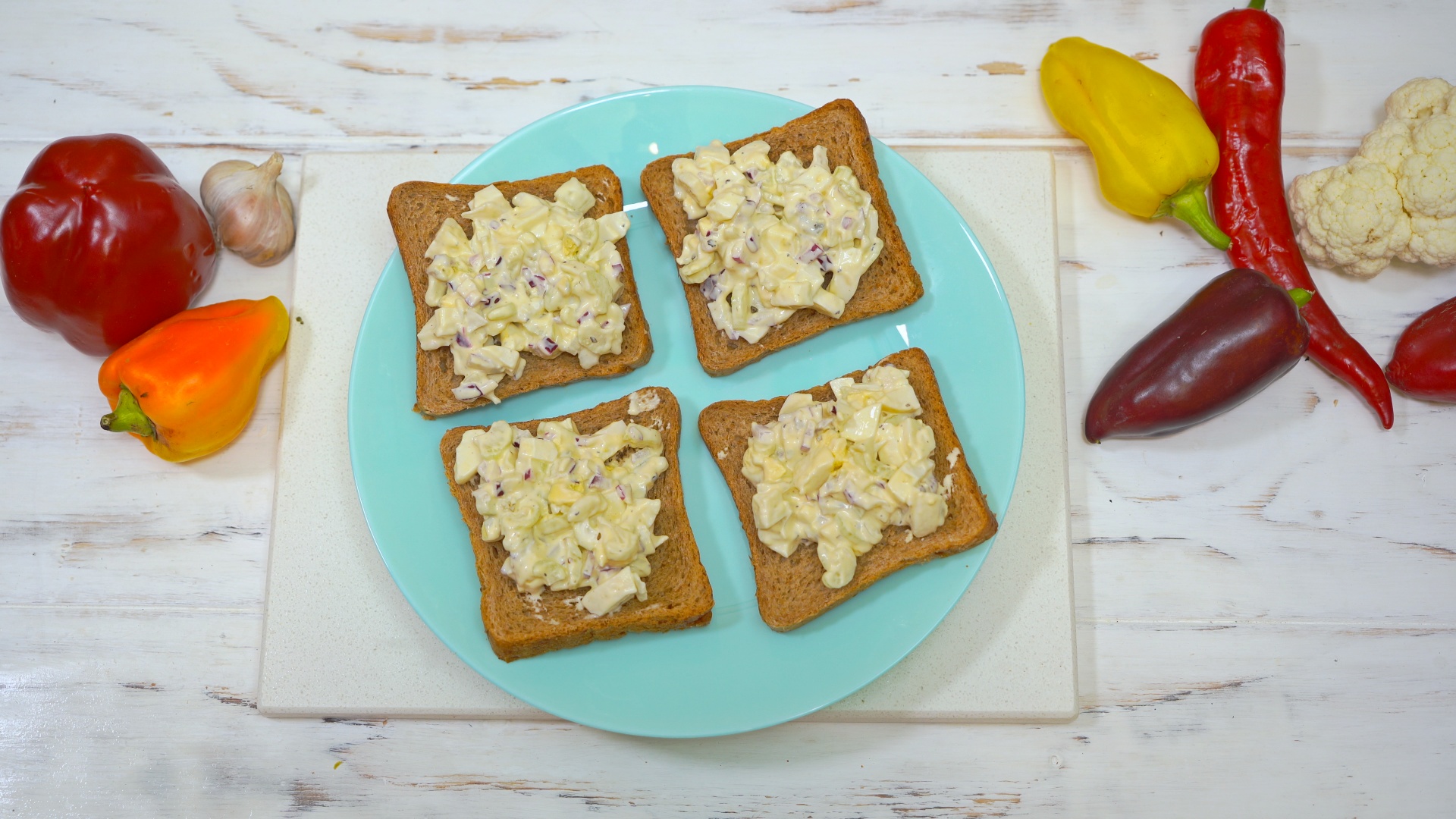
A reheated hard-boiled egg can upgrade simple meals in seconds. Slice one over buttered toast with salt and pepper. Add halves to ramen, noodle soup, or rice bowls. Chop warm eggs into potato salad right before serving for a softer texture. Tuck slices into breakfast sandwiches. Mash with a little Greek yogurt, mustard, and herbs for a quick warm egg salad.
Easy Serving Ideas
- Breakfast toast: Sliced warm egg, avocado, chili flakes, and lemon.
- Protein snack: Warm egg with salt, pepper, and smoked paprika.
- Ramen topper: Halved reheated egg with scallions and sesame seeds.
- Lunch bowl: Warm egg over rice, spinach, cucumber, and soy-ginger dressing.
- Simple salad: Chopped warm egg over greens with vinaigrette.
Warm eggs pair especially well with bold flavors. Mustard, hot sauce, pickles, herbs, pepper, curry powder, and chili oil can turn a plain boiled egg into something you actually look forward to eating.
Common Mistakes When Reheating Hard-Boiled Eggs
Mistake 1: Microwaving the Egg Whole
This is the big one. Whole hard-boiled eggs and microwaves are a risky combination. Use hot water or steam instead.
Mistake 2: Boiling the Egg Again
Dropping a cooked egg into actively boiling water and letting it roll around can overcook it. A covered bowl of hot water is gentler and more predictable.
Mistake 3: Reheating Old Eggs
Reheating does not rescue an egg that is past its safe storage window. If the egg is older than one week, smells off, or has been left out too long, discard it.
Mistake 4: Forgetting to Dry the Egg
After reheating in water, pat the egg dry before slicing or seasoning. This helps salt and spices stick instead of sliding away like they have somewhere better to be.
Kitchen-Tested Experience: What Actually Works Best
After reheating hard-boiled eggs in different ways, one lesson becomes obvious: gentle heat wins every time. The boiling-water bath is the method that feels the most dependable for everyday use. It is forgiving, requires no special equipment, and works whether you made two eggs yesterday or a whole batch for the week. When the egg stays in the shell, the result is usually the closest to freshly boiled. The white stays smooth, the yolk warms evenly, and peeling feels easier when the egg is not refrigerator-cold.
The steam method is the best choice when reheating several eggs for breakfast or brunch. It is faster than waiting 10 minutes for a water bath, and the eggs do not soak. That said, steam can overdo the job if you forget the timer. Three to five minutes is plenty for most shell-on eggs. If you leave them longer, the yolks can become drier and the whites can tighten. The method rewards attention, but not stress. Set a timer and you are golden.
The warm-water mug method is the quiet hero for busy mornings. It is not dramatic. It does not require a pot. It barely feels like cooking. You peel the egg, drop it into hot water, cover the mug, and let time do the work. This method is especially useful for office lunches or quick snacks because it warms the egg just enough without making the texture strange. It is also great when the egg will be sliced over another warm food, such as oatmeal with savory toppings, rice, noodles, or toast.
One practical experience worth remembering: seasoning matters more when the egg is warm. A cold hard-boiled egg can taste flat, even with salt. A warm one tastes richer and softer, so a tiny bit of seasoning goes further. Salt and pepper are classic, but smoked paprika makes the egg taste almost deviled without the mixing bowl. Chili crisp adds crunch and heat. A little mustard gives it brightness. Fresh dill or chives can make a plain egg feel like something from a café instead of a container in the back of the fridge.
Another useful tip is to match the reheating method to the final dish. For a whole egg with toast, use the boiling-water bath. For six eggs on a breakfast platter, use steam. For one peeled egg going into a lunch bowl, use the mug method. This keeps the process simple and prevents overthinking. The goal is not to turn reheating an egg into a culinary thesis. The goal is a warm, pleasant, protein-rich bite that does not bounce like a rubber ball or explode like a tiny breakfast volcano.
Finally, reheated hard-boiled eggs taste best when eaten right away. They are not a food that improves after multiple rounds of warming and cooling. Reheat only what you plan to eat, keep the rest refrigerated, and use your batch within the safe storage window. That small habit keeps the texture better and the meal safer.
Conclusion
Learning how to reheat a hard boiled egg is really about respecting the egg’s texture. It is already cooked, so your job is to warm it gently, not punish it. The boiling-water bath is the best overall method, the stovetop steam method is ideal for batches, and the warm-water mug method is perfect for quick single servings. Skip the whole-egg microwave routine, store your eggs safely, and season them while warm for the best flavor.
A reheated hard-boiled egg can be simple, satisfying, and surprisingly delicious. With the right method, it becomes more than a cold meal-prep leftover. It becomes breakfast, lunch, snack, ramen topping, salad booster, and emergency protein hero. Not bad for something that fits in the palm of your hand.