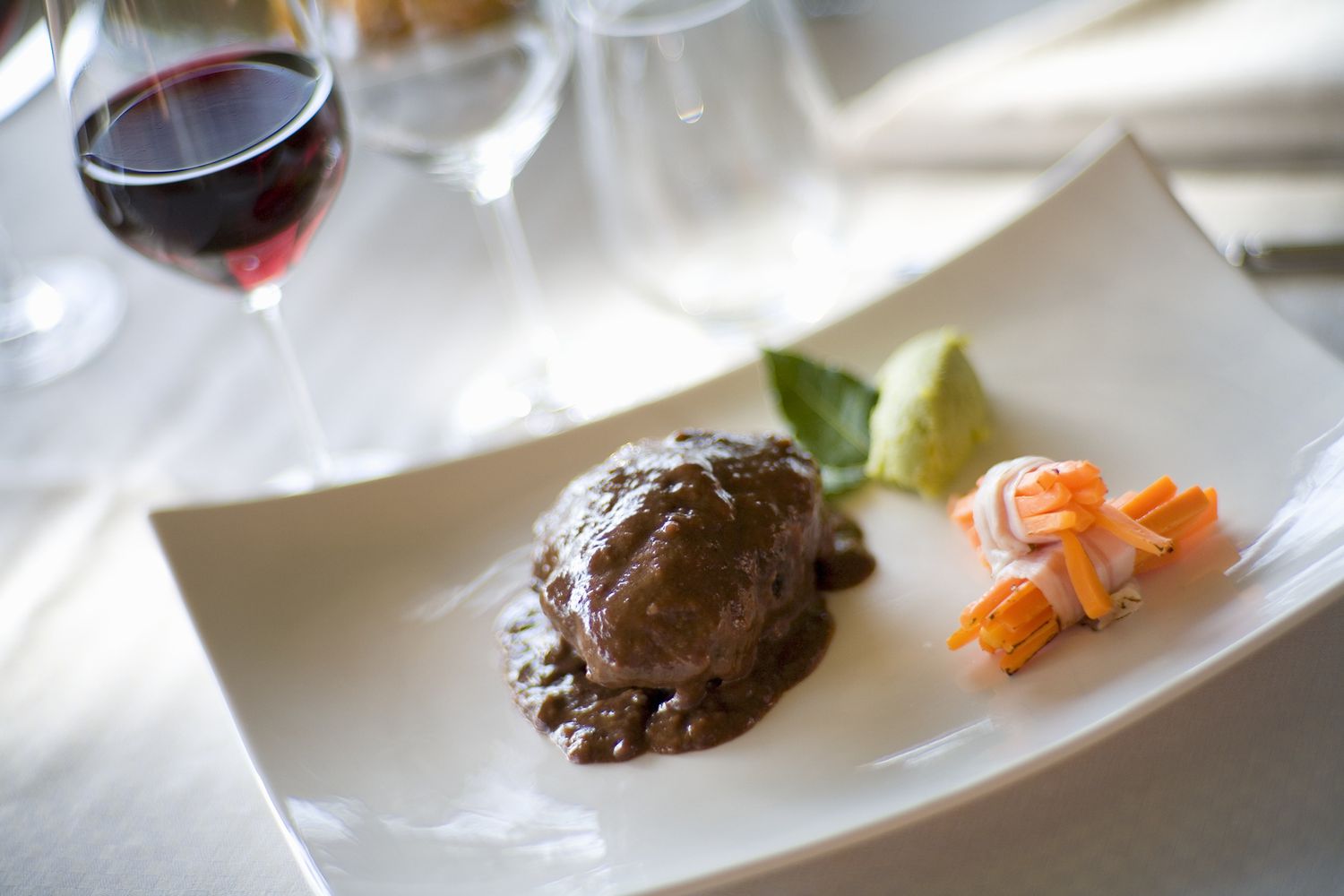

Some dishes whisper. Brasato al Barolo does not. It strolls into the room trailing the scent of red wine, herbs, slow-cooked beef, and the kind of confidence only a Dutch oven can provide. This classic dish from Piedmont in northern Italy is the glamorous cousin of pot roast: deeper, darker, and just dramatic enough to make a regular Sunday dinner feel like a tiny Italian holiday.
If you love a recipe that rewards patience, fills your kitchen with cozy aromas, and turns a humble cut of beef into something swoon-worthy, this is your dish. Below, you’ll find everything you need: what brasato al Barolo is, why it works, the best cut of beef to use, a practical step-by-step recipe, serving ideas, troubleshooting tips, and a final section on the experience of making and sharing it at home.
What Is Brasato al Barolo?
Brasato al Barolo is an Italian beef braise traditionally made with Barolo, the famous red wine from Piedmont. In plain kitchen English, it is a richly flavored pot roast slowly cooked in wine with aromatics until the meat becomes tender enough to surrender at the sight of a fork.
The beauty of this dish lies in the contrast. It starts with a tough cut of beef, a sturdy bottle of red wine, and a handful of simple vegetables. Hours later, the beef is silky, the sauce is glossy, and everyone near the stove starts asking suspiciously specific questions about dinner time.
Classic versions often include onion, carrot, celery, rosemary, bay leaf, garlic, peppercorns, and sometimes spices like clove or cinnamon. Some cooks marinate the beef in wine overnight before braising, while others go straight to the pot. Both routes can work, but marinating helps layer the wine flavor and gives the final dish that signature old-world depth.
Why This Brasato al Barolo Recipe Works
This Brasato al Barolo recipe is built for home cooks who want authentic flavor without culinary melodrama. It keeps the spirit of the traditional dish while using methods that make sense in an American kitchen.
1. It uses a braise-friendly cut of beef
Chuck roast is the star here. It has the marbling and connective tissue that break down beautifully during a long braise, giving you meat that is luscious instead of stringy. Brisket can work too, but chuck is usually easier to find, easier to cook evenly, and easier on the wallet.
2. The marinade does real work
An overnight soak in red wine with vegetables and herbs is not just culinary theater. It builds aroma, seasons the meat from the outside in, and gives the dish its unmistakable personality. Your refrigerator will smell like a very ambitious trattoria, which is frankly a win.
3. Browning adds serious flavor
Before the beef goes low and slow, it gets a proper sear. That dark crust means flavor. Skip this step and the sauce may still be tasty, but it will not have the same savory backbone.
4. The sauce becomes part gravy, part velvet cape
After the beef is done, the cooking liquid is reduced and the vegetables are either strained or blended. That creates a silky, deep red wine sauce that coats the meat instead of puddling around it like a polite but distant acquaintance.
Ingredients for Brasato al Barolo
This recipe serves 6 to 8, depending on whether your guests are normal or “I’ll just have a tiny extra slice” people.
For the beef and marinade
- 1 boneless beef chuck roast, about 3 1/2 to 4 pounds
- 1 bottle dry red wine, preferably Barolo or another full-bodied red
- 1 large yellow onion, roughly chopped
- 2 medium carrots, roughly chopped
- 2 celery stalks, roughly chopped
- 4 garlic cloves, smashed
- 2 rosemary sprigs
- 2 bay leaves
- 1 teaspoon whole black peppercorns
- 2 whole cloves
For cooking
- 2 tablespoons olive oil
- 2 ounces pancetta, finely chopped (optional, but excellent)
- 2 tablespoons tomato paste
- 1 1/2 to 2 cups beef stock, as needed
- Kosher salt, to taste
- Freshly ground black pepper, to taste
- 1 tablespoon butter, optional, for finishing the sauce
Wine note: Traditional brasato al Barolo uses Barolo, a Nebbiolo-based wine known for structure and complex notes like red fruit, rose, herbs, and licorice. If buying a full bottle of Barolo for cooking makes your budget blink twice, use a solid dry red wine for the pot and pour the good stuff at the table.
How to Make Brasato al Barolo
Step 1: Marinate the beef
Place the chuck roast in a large nonreactive bowl or container. Add the onion, carrots, celery, garlic, rosemary, bay leaves, peppercorns, and cloves. Pour in the wine so the meat is mostly submerged. Cover and refrigerate for 8 to 12 hours, turning once or twice if possible.
This is the “do almost nothing now, get rewarded later” phase of the recipe.
Step 2: Dry the meat and strain the marinade
Remove the beef from the marinade and pat it very dry with paper towels. This matters. Wet meat steams; dry meat browns. Strain the marinade, keeping the liquid and solids separate.
Step 3: Brown the beef
Season the roast generously with salt and pepper. Heat the olive oil in a Dutch oven over medium-high heat. If using pancetta, cook it first until lightly crisp, then remove it with a slotted spoon. Sear the beef on all sides until deeply browned. Take your time here. Good color equals good flavor.
Step 4: Build the flavor base
Lower the heat to medium. Add the strained vegetables to the pot and cook until softened and lightly caramelized, about 8 to 10 minutes. Stir in the tomato paste and cook for another minute. Add the pancetta back in if using.
Step 5: Add the wine and braise
Pour in the reserved wine marinade and bring it to a boil. Let it cook for 5 to 10 minutes to soften the raw alcohol edge. Add enough beef stock so the liquid comes about halfway up the meat. Return the roast to the pot, cover, and braise in a 325°F oven for about 3 to 3 1/2 hours.
Turn the roast once during cooking if you remember. If you forget, the beef will forgive you.
Step 6: Check for tenderness
The meat is ready when a fork slides in easily and the roast feels relaxed rather than stubborn. If it still seems tight, give it another 20 to 30 minutes. Braised beef is less about the clock and more about the mood.
Step 7: Make the sauce
Transfer the beef to a platter and tent loosely with foil. Skim excess fat from the braising liquid. Then either:
- Strain the sauce for a cleaner, more elegant finish, or
- Blend the vegetables into the sauce for a thicker, more rustic style.
Simmer the sauce until slightly reduced and glossy. Taste and adjust with salt and pepper. Swirl in a tablespoon of butter at the end if you want a richer finish.
Step 8: Slice and serve
Slice the beef against the grain and spoon the sauce generously over the top. This is not the time for restraint. Nobody writes songs about under-sauced brasato.
What to Serve with Brasato al Barolo
Because the sauce is the whole point, the side dish should be something that welcomes it warmly.
Best pairings
- Creamy polenta: the classic choice, and probably the most comforting
- Mashed potatoes: fluffy, buttery, and gloriously practical
- Pappardelle or tagliatelle: great if you want an extra-luxurious dinner
- Soft roasted carrots or root vegetables: to echo the braising flavors
- Crusty bread: because leaving sauce behind would be tragic
A glass of Barolo, Barbera, or another structured red wine works beautifully on the side. Rich beef and firm red wine are one of those culinary marriages that deserve a tiny round of applause.
Common Mistakes to Avoid
Using a lean cut
Lean beef dries out and sulks in long braises. Choose chuck, brisket, or another cut with enough connective tissue to transform during slow cooking.
Not drying the meat before searing
If the roast comes out of the marinade dripping wet, it will not brown properly. Pat it dry like you mean it.
Rushing the braise
High heat is not your friend here. Brasato wants a gentle oven and enough time to become tender without turning stringy.
Serving it immediately if you have time to wait
This dish is excellent the day it is made, but it can be even better after resting overnight. Chilling the beef in its sauce also makes it easier to remove excess fat and reheat everything gently the next day.
Make-Ahead and Storage Tips
If you are planning a dinner party, brasato al Barolo is your sly best friend. Make it a day ahead, let it cool in the sauce, and refrigerate. The next day, remove the fat cap from the top, reheat slowly on the stovetop or in a low oven, and serve when everything is hot and glossy again.
Stored in an airtight container, it keeps well in the refrigerator for up to 4 days. It also freezes nicely, though the sauce is at its silkiest when enjoyed fresh or within a few days.
Why This Recipe Belongs in Your Cold-Weather Rotation
There are plenty of beef braise recipes in the world, but Brasato al Barolo (Italian-Style Beef Braised in Red Wine) earns its place by being both rustic and refined. It has the comfort of pot roast, the elegance of dinner-party food, and the practical charm of a dish that often tastes even better after a night in the fridge.
It is also a deeply satisfying recipe to cook. You marinate, brown, simmer, wait, reduce, slice, spoon, and suddenly a basic chunk of beef has become a meal that feels celebratory. Not bad for a recipe that begins with onions, carrots, celery, and a long nap in wine.
The Experience of Making Brasato al Barolo at Home
Cooking brasato al Barolo is not just about dinner. It is about atmosphere. The process changes the kitchen in stages, almost like a little domestic play with a very delicious final act.
First comes the marinade. You gather the beef, the chopped vegetables, the herbs, and the wine, and it already feels like something meaningful is underway. There is a slight thrill to pouring an entire bottle of red wine over a roast. It feels bold, a little luxurious, and slightly mischievous. You tuck the container into the refrigerator and spend the next several hours knowing tomorrow’s meal is quietly becoming interesting.
The next day, the house starts filling with aroma in layers. The sear hits first: beefy, savory, and toasty. Then the vegetables soften in the pot, and suddenly the kitchen smells like every good decision that has ever been made with onions and olive oil. Once the wine goes in, everything gets deeper. Less “Tuesday dinner,” more “someone in this house clearly has standards.”
There is also something deeply satisfying about the pace of the recipe. Brasato refuses to be rushed, and that is part of its charm. You cannot bully it into greatness with high heat or frantic stirring. It asks for patience instead. In return, it gives you a few quiet hours where the oven does the heavy lifting and you get to enjoy the kind of slow cooking that makes a home feel warm and alive.
Serving it is its own moment. The meat slices beautifully, the sauce falls over it in dark, glossy ribbons, and everyone at the table suddenly becomes very attentive. Even people who were “not that hungry” develop a remarkable interest in second helpings. A bowl of polenta or mashed potatoes underneath makes the dish feel even more generous, like comfort food wearing a tailored Italian coat.
It is also a wonderful recipe for gatherings because it feels special without demanding last-minute chaos. In fact, it rewards planning ahead. Make it the day before, reheat it gently, and you get all the elegance with much less stress. That means more time to set the table, open a bottle of wine, and pretend you always cook like this.
And maybe that is the best part of brasato al Barolo: it creates a memory as much as a meal. People remember the smell, the sauce, the tenderness of the beef, and the way the whole dinner felt a little more relaxed and celebratory than usual. It is not flashy food. It is better than flashy food. It is the kind of meal that makes people linger. The kind that inspires bread-sweeping, plate-tilting, and enthusiastic compliments with their mouths half full.
So yes, this recipe takes time. Yes, it uses a whole bottle of wine. Yes, it may encourage dramatic sighs of happiness at the table. But that is exactly the point. Brasato al Barolo is not just something you cook. It is something you experience, and frankly, it is a delicious way to spend a day.
SEO Tags