
Note: This article is written for responsible adult readers and web publication. Fire starters, campfires, fireplaces, grills, and fire pits can be dangerous when handled carelessly. Always follow local laws, burn bans, campground rules, weather warnings, and manufacturer instructions. Minors should not make, store, light, or use fire-starting materials without direct adult supervision.
Introduction: The Humble Paper Roll Has Entered the Chat
Some household items live glamorous lives. Scented candles sit on bathroom shelves pretending to be luxury. Throw pillows receive compliments they absolutely did not earn. And then there is the empty paper roll: ignored, recycled, or tossed aside after completing its quiet cardboard mission.
But for many campers, backyard fire pit owners, and practical-minded adults, paper rolls and dryer lint have become a familiar low-waste fire-starting idea. The concept is simple: reuse dry cardboard and clean lint instead of buying heavily packaged fire-starting products. It is cheap, lightweight, and oddly satisfying in the way only “I made this from trash” projects can be.
That said, this is not a project to treat casually. Dryer lint is flammable. Cardboard burns. Outdoor conditions can change quickly. A cozy campfire can become a serious hazard if it is started in the wrong place, during dry weather, near tents or brush, or without water nearby. So this guide takes a safety-first approach. Instead of encouraging shortcuts, it explains the seven responsible steps adults should understand before deciding whether this DIY fire starter idea fits their situation.
What Are Paper Roll and Dryer Lint Fire Starters?
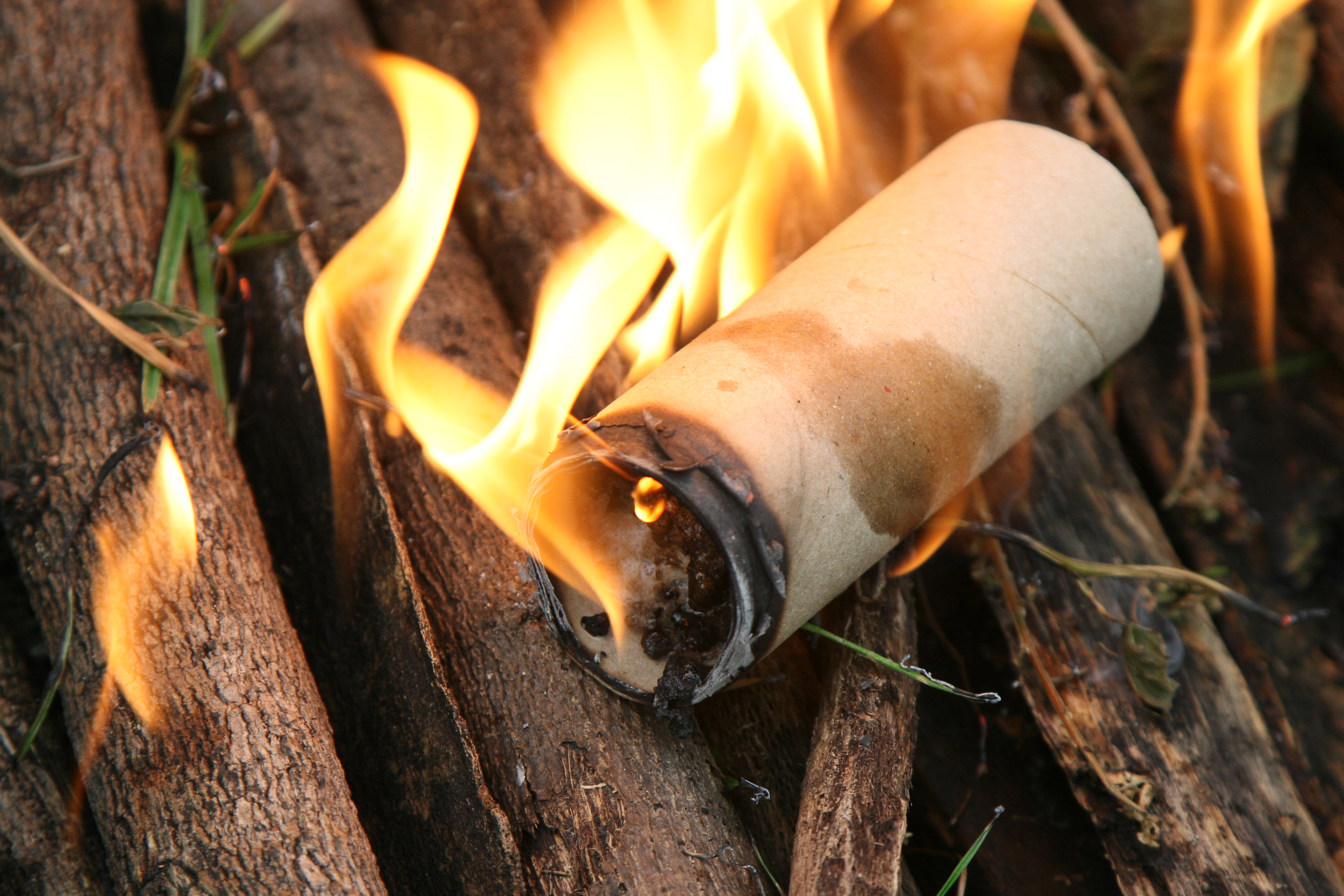
Paper roll and dryer lint fire starters are homemade fire-starting aids commonly discussed among campers and outdoor enthusiasts. They usually involve clean, dry lint and an empty cardboard paper roll. The appeal comes from three things: the materials are easy to find, the project reuses household waste, and the finished item is compact enough for adult camping kits or backyard fire pit supplies.
However, “easy to find” does not mean “automatically safe.” Dryer lint can include cotton, wool, polyester, nylon, pet hair, detergent residue, dryer sheet residue, or tiny bits of synthetic fabric. Some lint burns differently than expected, and synthetic material may melt or create unpleasant fumes. For that reason, adults should be selective about what they save, where they store it, and where they use it.
Before You Begin: Safety Comes First
Before thinking about materials, think about the setting. Fire starters should only be considered where fires are allowed, controlled, and appropriate. That means no experimenting indoors, no lighting anything near dry leaves or grass, no use during burn bans, and no treating fire as entertainment. Fire is useful, but it is not a toy, a challenge, or a “let’s see what happens” science fair with worse insurance.
Responsible adults should also keep fire-starting materials away from children, pets, heat sources, stoves, heaters, candles, vehicles on hot days, and cluttered garages. If an item is designed to help something burn, it should be stored with the same seriousness as matches or lighters.
7 Safety-First Steps for Adults Considering This DIY Fire Starter Idea
Step 1: Confirm That Fires Are Allowed Where You Plan to Use Them
The first step is not collecting lint. It is checking whether fire is allowed at all. Campgrounds, parks, counties, and states may restrict campfires during dry, windy, or high-risk wildfire conditions. Even if a fire was allowed last weekend, that does not mean it is allowed today.
Adults should check local fire restrictions, campground signage, park websites, ranger guidance, and weather conditions before planning any open flame. If the rule says no campfires, the correct DIY fire starter is no fire starter. A camp stove, lantern, or other approved alternative is the better choice.
Step 2: Choose Only Clean, Dry, Appropriate Household Materials
The safest low-waste approach begins with clean, dry materials. Empty cardboard paper rolls should be free of glue globs, plastic film, foil, food residue, cleaning chemicals, or decorative coatings. Dryer lint should be dry and should ideally come from loads of natural fibers such as cotton towels or cotton clothing.
Avoid lint from heavily synthetic laundry, oily rags, cleaning cloths, shop towels, or anything exposed to chemicals. Do not use lint that smells like fuel, solvent, paint, grease, or strong cleaning products. When in doubt, throw it out. A homemade fire starter should never become a mystery chemistry experiment wearing a cardboard hat.
Step 3: Keep the Design Simple and Avoid Accelerants
Many online tips suggest adding waxes, oils, petroleum jelly, or other substances to homemade fire starters. For a safety-focused household article, it is better to keep the message simple: do not use liquid fuel, gasoline, lighter fluid, alcohol, aerosol sprays, or unknown accelerants. These can flare unexpectedly, increase burn risk, and make storage more hazardous.
A simple, dry, low-waste fire-starting aid is easier to store and easier to understand. The goal is not to build the most aggressive flame possible. The goal is to support a legal, supervised, well-managed outdoor fire in a controlled setting.
Step 4: Prepare Materials Away from Flame, Heat, and Clutter
Any adult preparing fire-starting materials should do so on a clean surface away from open flames, pilot lights, stovetops, candles, heaters, electrical equipment, and smoking materials. The area should be dry, organized, and free of loose paper piles or other flammable clutter.
This may sound obvious, but many fire-safety problems begin with ordinary distractions. A craft table becomes a storage pile. A storage pile moves near a heater. A heater turns on. Suddenly, the “simple DIY project” is auditioning for a fire department training video. Good preparation includes choosing a safe workspace and cleaning up afterward.
Step 5: Store Finished Materials Like Fire-Starting Supplies
Once prepared, any fire-starting supplies should be stored in a clearly labeled, dry, secure container. Keep them away from children and pets. Keep them away from heat, sparks, electrical panels, dryers, furnaces, water heaters, grills, fireplaces, and direct sunlight.
Moisture can make the materials less useful, while heat can make storage unsafe. A small sealed metal container or sturdy lidded box kept in a cool, dry adult-controlled area is more responsible than tossing them loose into a drawer next to batteries, birthday candles, and the screwdriver nobody can ever find.
Step 6: Use Only in a Legal, Outdoor, Supervised Fire Area
If adults choose to use this type of fire starter, it should only be in a legal and controlled fire area such as an established campsite fire ring or an approved outdoor fire pit. The area should be clear of tents, shrubs, leaves, low branches, decks, fences, and anything else that can burn.
Water and a shovel should be nearby before any fire begins. The fire should remain small, supervised, and appropriate for the setting. No fire should ever be left unattended, even briefly. “I was only gone for a minute” is a sentence that has never improved a fire report.
Step 7: Extinguish Completely and Leave No Trace
The final step is the one too many people rush: putting the fire out completely. Responsible fire use means staying until the fire is fully extinguished and cool. Outdoor ethics also matter. Use existing fire rings when available, keep fires small, avoid damaging natural areas, and pack out trash.
A fire is not finished when the flames disappear. Hot coals and ashes can remain dangerous. Adults should follow established fire-safety guidance for fully extinguishing campfires and should never leave a site until it is safe.
Why People Like This DIY Idea
It Reuses Common Household Waste
Paper rolls and dryer lint are the kind of things most households produce without trying. Reusing them can feel practical and satisfying, especially for campers who like simple systems. Instead of buying a plastic-wrapped product, adults can repurpose dry cardboard and lint that might otherwise go into the trash.
It Is Lightweight and Easy to Pack
For adult campers, compact fire-starting supplies can be convenient. Paper rolls are light, and dry lint compresses easily. Stored properly, the materials take up little space in a camping bin. That said, convenience should never outrank fire restrictions, local rules, or weather conditions.
It Encourages Planning Ahead
Good outdoor habits begin before the trip. Checking rules, packing water, choosing the right campsite, and preparing supplies responsibly all help reduce risk. A homemade fire starter is not a substitute for planning; it is only one small item in a much larger safety checklist.
Common Mistakes to Avoid
Using Synthetic or Chemical-Contaminated Lint
Not all dryer lint is the same. Lint from fleece, polyester, nylon, athletic wear, or heavily treated fabrics may behave differently than lint from cotton towels. It may melt, smell bad, or produce more smoke. Lint from oily, greasy, or chemical-exposed fabrics should never be saved for this purpose.
Using Fire Starters Indoors
Indoor use raises concerns about fumes, smoke, sparks, and ventilation. Many homes also have fireplaces, stoves, or appliances with manufacturer instructions that should not be ignored. When in doubt, skip homemade fire starters indoors and use only approved products recommended for the specific appliance.
Adding Liquid Fuel
Liquid fuel is not a shortcut; it is a hazard. Gasoline, alcohol, lighter fluid, and similar accelerants can flash, spill, vaporize, or ignite unpredictably. A safe article on DIY fire starters should make this point clearly: do not add liquid accelerants.
Storing Them Casually
Because the materials look harmless, people may forget that they are intended to burn. Loose storage in a kitchen drawer, laundry room, garage shelf, or hot vehicle is a poor idea. Label them, contain them, and keep them out of reach.
Eco-Friendly Angle: Reuse Is Good, But Safety Is Better
Reusing household materials can support a reduce-and-reuse mindset. Paper and cardboard are common waste streams, and many households look for practical ways to reduce what they throw away. However, not every reusable item should be burned, and not every camping situation needs a fire.
Sometimes the most eco-friendly fire is no fire at all. In dry conditions, crowded public lands, or fragile environments, a camp stove may be the better choice. Leave No Trace principles encourage campers to minimize campfire impacts, use existing fire rings where fires are allowed, and avoid leaving scars on the land.
Responsible Fire Starter Storage Checklist
- Store only clean, dry materials.
- Use a labeled container with a secure lid.
- Keep away from children, pets, and heat sources.
- Do not store near dryers, furnaces, candles, grills, or fireplaces.
- Do not mix with matches, batteries, fuel, or chemicals.
- Discard anything that becomes damp, dirty, or suspicious-smelling.
- Review local fire rules before packing them for a trip.
When You Should Not Use Homemade Fire Starters
There are plenty of times when the best decision is to skip homemade fire starters entirely. Do not use them during burn bans, red flag warnings, drought conditions, high winds, or in areas where campfires are prohibited. Do not use them near dry grass, brush, tents, wooden decks, fences, or structures. Do not use them indoors unless the fireplace or stove manufacturer clearly allows that type of material.
Also avoid using them when the group cannot supervise the fire from beginning to end. If people are tired, distracted, rushing, or leaving soon, it is not the right time for a fire. Fire does not care that everyone wants s’mores. Fire has no snack loyalty.
Better Alternatives in High-Risk Conditions
When open flames are restricted or conditions are risky, adults can choose safer alternatives. Battery-powered lanterns provide light without sparks. Approved camp stoves may be permitted where campfires are not, depending on local rules. Warm clothing, insulated blankets, and hot drinks can replace the comfort of a campfire without adding wildfire risk.
The best outdoor skill is not knowing how to start a fire. It is knowing when not to start one.
of Real-World Experience: What Adults Learn After Trying This Idea
The first thing many adults notice about paper roll and dryer lint fire starters is that the idea sounds almost too simple. You look at an empty paper roll, look at the lint trap, and think, “Wait, have I been throwing away camping supplies for years?” It feels clever, frugal, and slightly ridiculous, which is a powerful combination for any DIY project.
But experience quickly teaches a more balanced lesson: the homemade part is easy; the responsible part is what matters. The people who get the best results are usually the ones who treat fire preparation like part of a larger system. They do not just save lint randomly. They pay attention to what kind of laundry produced it. Cotton towel lint feels different from synthetic athletic-wear lint. Clean, dry materials matter. So does storage. A labeled container in a controlled area is far better than a mystery bag in the garage that everyone forgets about until next summer.
Another real-world lesson is that conditions decide everything. A fire starter that seems useful on a calm, damp evening at an established campsite may be completely inappropriate during dry, windy weather. Experienced campers learn to check local restrictions before packing fire supplies. They also learn that a cold dinner is better than a careless fire. Nobody wants to be the person whose weekend trip becomes a local news headline.
Adults who use fire pits at home often learn similar lessons. Distance matters. Supervision matters. Having water nearby matters. A fire pit should not be treated like patio décor that happens to glow. It is an active fire area, and it deserves attention from start to finish. Homemade fire starters should never be placed near the pit casually, left on outdoor tables, or stored beside the grill like a forgotten condiment.
There is also the smell test, both literally and figuratively. If saved lint smells like detergent, dryer sheets, pet products, cleaning chemicals, or anything strange, many cautious adults choose not to use it. The point of a fire starter is not to burn questionable residue. It is to support a small, legal, controlled fire with as few surprises as possible.
One of the most useful habits is creating a “fire safety kit” instead of a “fire starter stash.” That kit might include adult-controlled fire-starting supplies, water access, gloves, a flashlight, and a reminder card about local fire restrictions and extinguishing steps. This shifts the mindset from “How do I start this quickly?” to “How do I manage this responsibly?” That small shift can make a big difference.
The final lesson is humility. Fire is ancient, useful, beautiful, and wildly unimpressed by human confidence. Whether you are camping, sitting around a backyard fire pit, or teaching family members about outdoor safety, the smartest approach is calm, careful, and rule-following. Paper rolls and lint may be ordinary household leftovers, but once they are saved for fire-starting, they deserve respect.
Conclusion: Simple Idea, Serious Responsibility
Paper rolls and dryer lint can be part of a low-waste fire-starting idea for responsible adults, but they should never be treated as a casual craft or shortcut. The real value of this topic is not just learning that household leftovers can be reused. It is learning that fire safety begins long before a flame appears.
Check the rules. Watch the weather. Choose clean materials. Avoid accelerants. Store supplies securely. Use only approved outdoor fire areas. Extinguish completely. When those habits come first, a simple DIY idea becomes part of a safer, smarter outdoor routine.