
Note: This article is based on current U.S. energy-saving guidance, practical home-efficiency recommendations, and real-world utility reduction strategies. Actual savings vary by home size, climate, utility rates, equipment age, and household habits.
Utility bills have a sneaky way of acting like uninvited houseguests: they show up every month, eat your budget, and somehow get bigger when you are not looking. Electricity, gas, water, sewer, trash, internet, and heating costs can quietly turn into a financial treadmill. The good news? You do not need to live in the dark, shower in rainwater, or start cooking dinner over a candle to lower your monthly bills.
With the right mix of small behavior changes, simple home upgrades, and smarter energy use, many households can realistically reduce utility costs by 10% to 20%. For some homes, especially older ones with air leaks, inefficient appliances, or heating and cooling systems working overtime like a stressed-out intern, savings can be even higher over time.
This guide explains how to save 20% on your utilities without turning your home into a survivalist cabin. We will cover heating and cooling, electricity, water, appliances, lighting, insulation, smart devices, and a few “why didn’t I do this sooner?” habits that can make your bills less dramatic.
Why Utility Bills Keep Going Up
Before you can save money on utilities, it helps to know where the money is going. In most American homes, heating, cooling, water heating, lighting, appliances, and electronics are the major energy users. Air conditioning can be a huge electricity hog in warm climates, while space heating dominates winter bills in colder regions. Water heating is often the quiet runner-up, faithfully charging you every time someone takes a 25-minute “thinking shower.”
Utility costs also rise because of higher energy prices, outdated equipment, poor insulation, drafty windows, inefficient habits, and standby power from devices that keep sipping electricity even when they appear to be off. That last one is often called “vampire energy,” which sounds like a rejected Halloween movie but is very real.
The goal is not to eliminate comfort. The goal is to stop paying for waste. If hot air leaks out of your attic, cold air sneaks under your doors, and your water heater is set high enough to make tea, your home is not just using energy. It is hosting an energy giveaway party, and your wallet is buying the snacks.
Can You Really Save 20% on Your Utilities?
Yes, but the path depends on your home. A newer apartment with efficient appliances may need habit changes and smart billing strategies to reach meaningful savings. An older single-family house with poor insulation, drafty doors, and an ancient HVAC system may have bigger opportunities. The “20%” target is best viewed as a practical challenge: stack several savings moves together until the total adds up.
For example, adjusting thermostat settings might save around 5% to 10% on heating and cooling. Sealing air leaks and improving insulation can reduce heating and cooling costs significantly. Switching to LED lighting cuts lighting energy use dramatically. Installing WaterSense fixtures can lower water use without making your shower feel like a sad drizzle. Add smart power strips, efficient laundry habits, better appliance settings, and water heater adjustments, and suddenly 20% is not a fantasy. It is a plan.
Start With a Utility Bill Audit
The fastest way to save money is to stop guessing. Pull out your last 12 months of utility bills and look for patterns. Which bill spikes in summer? Which one attacks in winter? Is your water bill suspiciously high even when no one is filling a swimming pool in the living room?
Check These Details First
Look at your electricity usage in kilowatt-hours, gas usage in therms, and water usage in gallons or hundred cubic feet. Compare month to month, not just dollars. Rates can change, but usage reveals behavior. If your electricity use jumps every July, cooling is probably the main suspect. If gas climbs in January, heating is likely the culprit. If water use is high all year, check toilets, faucets, irrigation, and family members who believe showers are podcasts.
Many utilities offer online dashboards that show daily or hourly usage. Use them. They can reveal whether energy is being wasted overnight, during peak hours, or when no one is home. A home energy audit, either DIY or professional, can also help identify insulation gaps, air leaks, inefficient equipment, and hidden problems that bills alone cannot explain.
Heating and Cooling: The Biggest Savings Zone
Heating and cooling are often the largest utility expenses, which means they are also the best place to hunt for savings. Your HVAC system is like the heavyweight champion of your utility bill. Treat it wisely, and it can save you serious money. Ignore it, and it will train by punching your bank account.
Use Your Thermostat Like a Money-Saving Tool
Set your thermostat a few degrees higher in summer and lower in winter when you are asleep or away. You do not need to make the house uncomfortable. Even small adjustments can reduce energy use because your system runs less often. A programmable or smart thermostat makes this easier by automatically changing temperatures based on your schedule.
In summer, try setting the thermostat around 78°F when you are home and a little higher when you are away. In winter, try around 68°F while awake and lower while sleeping, if comfortable. Use these numbers as starting points, not commandments engraved on a stone tablet. Pets, health needs, humidity, and local climate matter.
Change HVAC Filters Regularly
A clogged filter makes your heating and cooling system work harder. That means more energy, worse airflow, and a system that sounds like it is running a marathon in a wool sweater. Check filters monthly and replace or clean them as recommended. This simple habit improves airflow, comfort, and system efficiency.
Use Ceiling Fans Correctly
Ceiling fans do not lower room temperature; they make people feel cooler by moving air across the skin. In summer, run fans counterclockwise to create a cooling breeze. In winter, some fans can run clockwise on low speed to gently push warm air down from the ceiling. Turn fans off when you leave the room. Fans cool people, not furniture. Your couch does not need a breeze, no matter how fancy it thinks it is.
Seal Air Leaks Before Buying Big Equipment
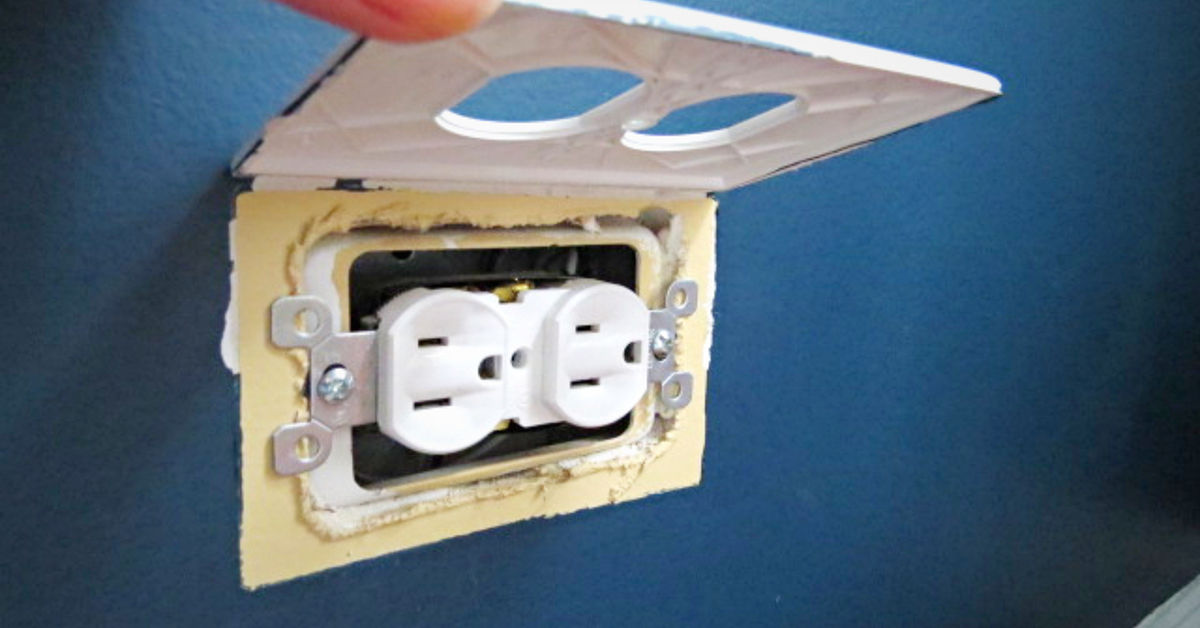
Air leaks are one of the most common reasons homes waste energy. Gaps around doors, windows, attic hatches, plumbing penetrations, baseboards, and electrical outlets can let conditioned air escape and outdoor air sneak in. That means your HVAC system works harder to maintain the same temperature.
Easy Places to Find Drafts
Check around exterior doors, window frames, attic access points, recessed lights, basement rim joists, and areas where pipes or cables enter the house. On a windy day, you may feel drafts with your hand. You can also use a lit incense stick carefully near suspected leaks and watch for smoke movement. Do not burn the house down in the name of savings; that is generally considered a poor return on investment.
Simple Air-Sealing Fixes
Use weatherstripping around doors, caulk small gaps around window trim, add door sweeps, seal attic bypasses, and use foam gaskets behind outlet covers on exterior walls. These upgrades are inexpensive and often pay back quickly. For larger leaks, attic sealing, duct sealing, and professional weatherization can make a noticeable difference in comfort and bills.
Improve Insulation for Long-Term Savings
Insulation slows heat movement. In winter, it helps keep warm air inside. In summer, it helps keep outdoor heat from turning your home into a toaster oven with Wi-Fi. The attic is usually the first place to check because heat rises, and underinsulated attics are common in older homes.
Adding insulation to attics, crawl spaces, basement rim joists, and floors over unconditioned spaces can lower heating and cooling demand. It also improves comfort by reducing hot and cold spots. If one room always feels like Antarctica while another feels like Phoenix in July, insulation and air sealing may be part of the problem.
Lighting: The Easiest Win
If your home still has incandescent bulbs, replacing them with LED bulbs is one of the simplest ways to reduce electricity use. LEDs use far less energy, last longer, produce less heat, and no longer come only in that harsh “interrogation room” color. You can choose warm, soft, daylight, dimmable, decorative, and smart options.
Replace the Most-Used Bulbs First
Start with the five lights you use most often: kitchen, living room, porch, bathroom, and home office. You do not need to replace every bulb in one heroic weekend. Focus on high-use fixtures first, then replace the rest as old bulbs burn out. Outdoor lights on timers or motion sensors can also cut waste while keeping your home safer.
Reduce Water Heating Costs
Water heating is one of the biggest energy expenses in many homes. Every hot shower, dishwasher cycle, laundry load, and faucet run uses energy. If your water heater is inefficient or set too high, you may be paying extra every day.
Lower the Water Heater Temperature
For many households, setting the water heater to 120°F provides enough hot water while reducing standby heat loss and lowering scalding risk. If your dishwasher requires a higher temperature, check the manufacturer’s instructions. A small adjustment can reduce energy use without changing your daily routine.
Insulate Hot Water Pipes
Insulating accessible hot water pipes helps water stay warmer as it travels from the heater to faucets. This can reduce wasted water while you wait for hot water to arrive. It is a small upgrade, but small upgrades are the secret sauce of utility savings.
Use Less Hot Water
Install efficient showerheads, fix leaks, wash clothes in cold water when possible, and run full dishwasher loads. Modern detergents work well in cold water, and your jeans do not need a luxury spa experience.
Save Water Without Feeling Deprived
Water savings matter, especially if you pay for water and sewer. Efficient fixtures can reduce water use while maintaining good performance. Look for WaterSense-labeled showerheads, faucets, faucet aerators, and toilets. These products are designed to use less water without turning your sink into a trickle of disappointment.
Fix Leaks Immediately
A dripping faucet or running toilet may look harmless, but leaks can waste hundreds or thousands of gallons over time. Add food coloring to the toilet tank. If color appears in the bowl without flushing, you may have a leak. Replace the flapper, adjust the chain, or call a plumber if needed.
Be Smart With Outdoor Water
Water lawns early in the morning, not during the heat of the day. Use mulch around plants, choose native or drought-tolerant landscaping, and adjust sprinklers so they water grass instead of sidewalks. Sidewalks are famously bad at growing.
Appliances: Stop Paying for Inefficiency
Old appliances can quietly drain energy and money. Refrigerators, freezers, washers, dryers, dishwashers, and room air conditioners all affect utility bills. You do not need to replace everything at once, but when an appliance is near the end of its life, choose an efficient model and compare estimated annual energy use.
Refrigerator Tips
Set your refrigerator around 37°F and freezer around 0°F. Clean coils if accessible, check door seals, and avoid keeping a second old refrigerator in the garage unless you enjoy paying to refrigerate nostalgia. A half-empty garage fridge from 1998 can cost more to run than you think.
Laundry Tips
Wash full loads, use cold water, and clean the dryer lint filter after every load. If possible, use high spin speed in the washer to remove more water before drying. Dry similar fabrics together, avoid overdrying, and consider air-drying some items. Your utility bill and your favorite T-shirts will both appreciate it.
Dishwasher Tips
Run full loads, skip heat-dry when possible, and avoid pre-rinsing dishes unless your dishwasher is ancient or your casserole dish has become a geological formation. Scrape food into the trash or compost, then let the dishwasher do its job.
Fight Vampire Energy
Many electronics use standby power even when turned off. TVs, game consoles, chargers, printers, coffee makers, speakers, and desktop setups can all contribute. Individually, the amount may seem small. Together, they can become a tiny army of electricity nibblers.
Use Smart Power Strips
Plug entertainment centers, home office equipment, and gaming stations into smart power strips. These strips can cut power to devices that are not in use. You can also unplug chargers when devices are full. A charger without a phone attached is basically sitting there collecting electricity crumbs.
Use Utility Programs and Rebates
Many utility companies offer rebates for smart thermostats, efficient appliances, heat pump water heaters, insulation, air sealing, HVAC upgrades, and home energy audits. Some also provide free energy-saving kits with LED bulbs, faucet aerators, weatherstripping, and advanced power strips.
Check your utility’s website before buying equipment. You may find instant rebates, mail-in rebates, low-interest financing, or seasonal promotions. Also review federal tax credits for qualifying energy-efficiency improvements. When rebates and tax incentives stack, a project that looked expensive can suddenly become much more reasonable.
Consider Time-of-Use Rates
Some utilities offer time-of-use plans where electricity costs more during peak demand hours and less during off-peak hours. If your schedule is flexible, you may save by running dishwashers, laundry, EV charging, and other high-use tasks during lower-cost periods.
Read the details carefully. Time-of-use plans can save money for disciplined households, but they can backfire if you run major appliances during peak hours. It is like a gym membership: useful if you actually use it correctly, expensive decoration if you do not.
Create a 30-Day Utility Savings Challenge
Trying to save 20% can feel vague. A 30-day challenge makes it measurable. Start by writing down your current monthly bills and usage. Then choose ten actions and stick with them for one billing cycle.
Your 30-Day Action List
- Adjust thermostat settings by 2 to 4 degrees.
- Replace the five most-used bulbs with LEDs.
- Wash laundry in cold water.
- Lower water heater temperature to 120°F if appropriate.
- Install faucet aerators or efficient showerheads.
- Seal obvious door and window drafts.
- Use smart power strips for electronics.
- Clean HVAC filters and dryer lint filters.
- Run full dishwasher and laundry loads only.
- Review utility rebates and rate plans.
At the end of the month, compare usage, not just dollars. Weather changes can distort results, but usage trends will show whether your habits are working.
Common Mistakes That Keep Bills High
One common mistake is buying expensive equipment before fixing basic problems. A new HVAC system will not perform well if ducts leak and attic insulation is poor. Another mistake is setting extreme thermostat temperatures. Cranking the thermostat lower does not cool the house faster; it just makes the system run longer.
People also ignore maintenance. Dirty filters, clogged dryer vents, leaky faucets, old fridge seals, and dusty coils all add up. Finally, many households forget to compare utility plans, internet packages, and service fees. Utilities are not always negotiable, but some related monthly services are. If your internet bill has been quietly growing like a houseplant in a sunny window, call and ask about current promotions.
Real-Life Experiences: What Saving 20% Actually Looks Like
The most useful lesson about cutting utility bills is that one magic trick rarely does the whole job. Real savings usually come from stacking boring little wins until they become surprisingly powerful. Think of it like cleaning a messy garage: one box does not change much, but after an afternoon, you suddenly discover you own a floor.
In one typical household example, the summer electricity bill was the villain. The air conditioner ran constantly, the upstairs bedrooms stayed warm, and the thermostat was treated like a video game controller. The family started with three changes: setting the thermostat higher during work hours, closing blinds on sunny windows, and replacing the HVAC filter. The first bill did not drop by half, but usage went down enough to get everyone’s attention. Then they added ceiling fans, sealed a leaky attic hatch, and stopped using the oven on the hottest afternoons. By the second full billing cycle, the savings were meaningful without anyone feeling punished.
Another common experience happens with water bills. A homeowner notices a higher-than-normal bill and assumes rates increased. After a quick toilet dye test, the real culprit appears: a silent leak. The toilet was not making noise, not overflowing, not waving a tiny red flag. It was simply wasting water all day. Replacing the flapper cost very little and reduced water usage quickly. The lesson is simple: before blaming the utility company, inspect the fixtures. Sometimes the enemy is a rubber part the size of a pancake.
Renters can save too, even without major renovations. One apartment renter cut costs by using blackout curtains, LED bulbs, smart plugs, cold-water laundry, and shorter drying cycles. They also moved furniture away from vents, which sounds obvious until you realize a sofa had been enjoying premium air conditioning for two years. The renter could not add attic insulation or replace the HVAC system, but they still lowered usage by focusing on behavior and low-cost upgrades.
Families with teenagers face a different challenge: utility savings become a group project, and not everyone signs up voluntarily. Long showers, half loads of laundry, gaming systems left on overnight, and open refrigerator doors can sabotage progress. The best solution is not endless nagging. Make the goal visible. Post the monthly usage target, share the bill difference, and agree on a reward if the household hits the savings goal. Suddenly “turn off the lights” becomes less of a parental catchphrase and more of a team sport.
One of the biggest practical discoveries is that comfort and savings can coexist. People often imagine energy saving as a life of scratchy sweaters, dim rooms, and suspiciously quick showers. In reality, air sealing can make rooms more comfortable, LEDs can improve lighting, efficient showerheads can feel great, and smart thermostats can reduce waste automatically. The best utility-saving upgrades are the ones you barely notice after installation, except when the bill arrives and looks less terrifying.
The final experience worth sharing is psychological: tracking works. When people see daily or weekly usage, they change behavior faster. It is the same reason step counters get people walking. A utility dashboard turns invisible consumption into a number you can actually manage. And once you see progress, saving becomes addictive in the healthiest possible way. You start turning off unused lights with the confidence of a budget ninja.
Conclusion: Make Your Home Cheaper to Run
Saving 20% on your utilities is not about suffering. It is about being smarter than the systems, leaks, habits, and appliances that waste money every month. Start with the biggest categories: heating, cooling, water heating, lighting, appliances, and water use. Then layer in easy changes such as thermostat scheduling, LED bulbs, cold-water laundry, leak repairs, smart power strips, air sealing, and rebate-supported upgrades.
The best approach is simple: measure your usage, fix the obvious waste, improve comfort, and repeat. Your home does not have to become perfect. It just has to become less wasteful than it was last month. Do that consistently, and your utility bills may finally stop acting like they own the place.