
Melanin is one of those body features people talk about all the time, usually in shorthand. More melanin. Less melanin. Melanin-rich skin. Melanin magic. But what is it, really? Is it just about skin color, or is it doing more behind the scenes like an overachieving coworker who never updates their email signature?
The short answer: melanin is a natural pigment made by specialized cells in the body. It helps determine the color of your skin, hair, and eyes, and it also plays an important protective role, especially when it comes to ultraviolet radiation from the sun. That said, melanin is not a superhero cape. It helps, but it does not make anyone invincible.
In this guide, we will break down the definition of melanin, how it is made, what it does, what benefits it offers, what can affect melanin production, and why changes in pigmentation sometimes point to common skin conditions. We will also cover real-life experiences related to melanin so the topic feels less like a textbook chapter and more like something you can actually use.
What Is Melanin?
Melanin is a natural pigment produced by cells called melanocytes. These cells are found mainly in the skin, but they also contribute to pigmentation in the hair and eyes. In simple terms, melanin is what gives much of the body its color.
Melanocytes make melanin inside tiny structures called melanosomes. Those pigment packets are then transferred to nearby skin cells. The amount, type, and distribution of melanin all help shape a person’s natural coloring. This is why human pigmentation comes in such a wide and beautiful range.
One important point that often surprises people: differences in skin tone are not mainly about how many melanocytes someone has. People generally have a similar number of melanocytes. What varies more is how active those cells are and how much melanin they produce and distribute.
The Main Types of Melanin
Melanin is not just one uniform substance. The body makes different forms of it, and each one has its own role.
Eumelanin
Eumelanin is the brown-to-black form of pigment. It is the main contributor to darker skin tones, brown eyes, and black or brown hair. It is also more effective at helping protect the skin from ultraviolet damage than other pigment types.
Pheomelanin
Pheomelanin is the yellow-to-reddish form of pigment. It is associated with red hair, freckles, and lighter coloring in some skin and hair types. Compared with eumelanin, pheomelanin offers less UV protection.
Neuromelanin
There is also a form called neuromelanin, found in certain brain cells. It is much less talked about in everyday skin care conversations, mostly because it is not the reason your summer tan showed up two days late like a flaky friend.
How Melanin Is Made
The process of making melanin is called melanogenesis. It begins with the amino acid tyrosine. Through a series of chemical reactions, and with the help of an important enzyme called tyrosinase, the body converts tyrosine into pigment.
This process takes place inside melanocytes. Once melanin is formed, it gets packaged and sent to nearby skin cells, where it helps create visible pigmentation. In the skin, melanin can form a kind of protective cap over cell nuclei, helping reduce some of the damage caused by ultraviolet exposure.
That protective role is why tanning happens in the first place. When the skin is exposed to UV radiation, the body may respond by producing more melanin. In other words, a tan is not your skin winning a beauty contest. It is your skin reacting to stress.
What Does Melanin Do?
Melanin has several important functions in the body, and not all of them are cosmetic.
1. It Gives Skin Its Color
The most obvious job of melanin is pigmentation. The amount and type of melanin in the skin help determine whether someone has a fair, medium, olive, brown, or deep skin tone.
2. It Helps Color Hair
Melanin also influences hair color. More eumelanin tends to produce black or brown hair, while more pheomelanin contributes to red or strawberry-blond tones. As melanin production in hair follicles decreases with age, hair turns gray or white.
3. It Affects Eye Color
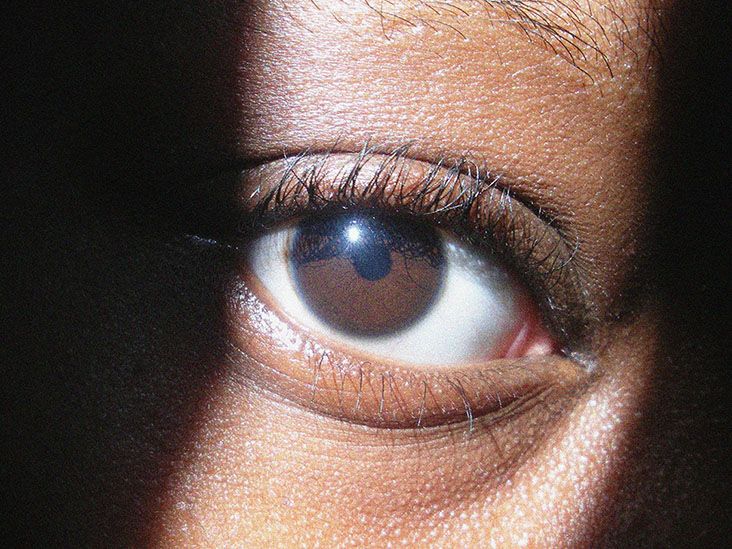
Eye color is influenced by melanin in the iris. More melanin usually leads to darker eyes such as brown, while less melanin is associated with lighter shades such as blue, green, or gray. Contrary to popular myths, blue eyes are not blue because of blue pigment. They appear blue because of how light scatters when melanin levels are lower.
4. It Helps Protect Against UV Damage
Melanin can absorb some ultraviolet radiation and help reduce certain types of cellular damage. This is one of its most important biological roles. It does not block all sun damage, but it does provide a degree of natural photoprotection.
5. It Supports Normal Eye Function
Melanin is found in parts of the eye, including the retina, where it contributes to normal visual function. When melanin production is significantly reduced, as in some forms of albinism, vision can also be affected.
Benefits of Melanin
When people talk about the “benefits of melanin,” they usually mean the positive roles melanin plays in health and appearance. Here are the most meaningful ones.
Natural Sun Defense
Melanin helps absorb some UV radiation, reducing part of the damage caused by sun exposure. This is why people with more melanin often burn less easily than people with very light skin. Still, “burn less easily” is not the same as “never burns.” Everyone needs sun protection.
Visible Pigmentation and Identity
Melanin is central to the rich range of human skin, hair, and eye colors. It contributes to visible identity in a way that is deeply personal, cultural, and social. In plain English, melanin helps make humans look like humans instead of a pack of identical phone chargers.
Some Protection Against Photoaging
Because melanin helps reduce some UV-related injury, it may offer partial protection against signs of sun-related aging. That does not mean wrinkles, discoloration, or sun damage cannot happen in darker skin tones. They absolutely can.
Protection for Pigmented Tissues
In the eyes and skin, melanin plays a protective role by interacting with light and helping shield delicate tissues from certain environmental stressors.
What Affects Melanin Production?
Melanin production is not fixed at one setting forever. A wide range of factors can influence it.
Genetics
Genetics are the biggest influence. They help determine your baseline skin tone, hair color, and eye color. Genes involved in melanin production and signaling affect how much pigment is made and which type is more dominant.
Sun Exposure
Ultraviolet light can stimulate the skin to produce more melanin. That is why tanning happens after time in the sun. However, a tan is still a sign of sun-triggered skin stress, not proof that your skin is suddenly bulletproof.
Hormones
Hormonal changes can influence melanin production. A common example is melasma, a form of hyperpigmentation often linked to pregnancy, hormonal shifts, or certain medications.
Inflammation or Skin Injury
Acne, eczema, burns, rashes, insect bites, and other skin irritation can trigger post-inflammatory hyperpigmentation. This means the skin gets darker in a spot after the original problem calms down. It is especially common in medium to deep skin tones.
Age
As people age, melanin patterns may change. Hair often loses pigment and turns gray. Skin may develop darker spots in some areas and lighter patches in others.
Medical Conditions and Genetics-Related Disorders
Conditions such as vitiligo and albinism affect melanin production or distribution. Vitiligo causes loss of pigment in patches of skin. Albinism involves reduced or absent melanin production and can affect the skin, hair, eyes, and vision.
When Melanin Changes: Common Pigmentation Concerns
Changes in melanin can show up as spots, patches, or broader shifts in color. Some are harmless. Others deserve medical attention.
Hyperpigmentation
Hyperpigmentation happens when the skin produces too much melanin or deposits pigment unevenly. It can appear as dark spots, patches, or areas of discoloration. Common forms include sun spots, melasma, and post-inflammatory hyperpigmentation after acne or irritation.
Hypopigmentation
Hypopigmentation means the skin loses some of its pigment and becomes lighter than the surrounding area. This can happen after inflammation, injury, infection, or certain skin conditions.
Depigmentation
Depigmentation refers to a more complete loss of pigment. Vitiligo is one of the best-known examples. It can affect the skin, hair, and sometimes mucous membranes.
Melasma
Melasma often appears as symmetrical brown or gray-brown patches, usually on the face. It is commonly associated with sun exposure and hormonal changes. Sun protection is a major part of managing it.
Albinism
Albinism is a genetic condition involving reduced melanin production. It affects pigmentation in the skin, hair, and eyes and is often linked with vision problems and increased sensitivity to sunlight.
Can You Increase Melanin Naturally?
This is where the internet gets creative in ways that dermatologists probably find exhausting. Plenty of products and posts promise to “boost melanin fast,” but the reality is more complicated.
Sun exposure can increase melanin production, but using UV exposure as a melanin strategy is not a healthy shortcut. It raises the risk of sun damage, premature skin aging, and skin cancer.
There is no universally proven everyday method that safely and dramatically increases melanin just because someone wants a deeper natural pigment. Good nutrition supports overall skin health, but food is not a magic paintbrush for changing your skin tone.
Self-tanners also do not increase melanin. They stain the outer layer of the skin temporarily. Useful? Sometimes. Actual melanin production? Not at all.
Does More Melanin Mean You Do Not Need Sunscreen?
No. This is one of the biggest melanin myths floating around online.
People with darker skin often have a lower risk of some sun-related damage compared with people with very fair skin, but they can still get sunburn, hyperpigmentation, photoaging, and skin cancer. In fact, delayed diagnosis of skin cancer in darker skin tones can sometimes make outcomes worse.
Everyone benefits from sun protection. That means broad-spectrum sunscreen, protective clothing, shade, and common sense. Your melanin may be helpful, but it is not filing paperwork with the sun on your behalf.
How to Support Healthy Pigmentation
If your goal is to keep your skin healthy and reduce unnecessary pigment problems, focus on habits that support the skin barrier and lower inflammation.
Use Daily Sun Protection
Choose a broad-spectrum sunscreen with SPF 30 or higher. If you are prone to dark spots or melasma, tinted sunscreen with iron oxides may be especially helpful because visible light can worsen pigmentation for some people.
Treat Acne and Irritation Early
The longer inflammation lingers, the more likely it is to leave pigment changes behind. Gentle treatment can help reduce the chance of post-inflammatory marks.
Avoid Harsh DIY Skin Experiments
Scrubbing your face with lemon juice, mystery acids, or whatever a random stranger called “life-changing” at 1:14 a.m. is a terrific way to anger your skin. Irritation can make pigmentation worse, not better.
See a Dermatologist for Ongoing Changes
If you notice new white patches, rapidly spreading discoloration, or spots that change in unusual ways, it is smart to get checked. Pigment changes are common, but not every change should be shrugged off.
Everyday Experiences Related to Melanin
To make the science feel more real, it helps to look at common experiences people have with melanin in daily life. These examples reflect situations that dermatologists and clinicians discuss often.
1. The “My Acne Is Gone, So Why Is the Mark Still Here?” Experience
A lot of people, especially those with medium or deeper skin tones, notice that a pimple disappears but leaves behind a stubborn dark mark. That is usually post-inflammatory hyperpigmentation, not an active breakout. The acne leaves, but the extra melanin hangs around like it forgot the party ended. These marks can take weeks or months to fade, and sun exposure can make them linger even longer. This is one reason sunscreen matters even when your main concern is acne, not beach weather.
2. The “I Never Burn, So I’m Fine” Experience
Many people with darker skin grow up hearing that sunscreen is optional for them. Then one day they notice uneven tone, dark patches, or skin changes after lots of sun exposure. Melanin does provide some natural protection, but not complete protection. People with brown or Black skin can still get sunburn and skin cancer, and visible light can worsen hyperpigmentation. For many, the lightbulb moment is realizing that sunscreen is not only about preventing redness. It is also about preventing discoloration and long-term damage.
3. The Pregnancy Pigmentation Surprise
Some people develop darker patches on the face during pregnancy or while taking hormonal medications. This is commonly called melasma. The experience can be confusing because the skin may suddenly look blotchy even if someone has never had a pigment issue before. Sun exposure often makes it worse. Many people find that their routine has to change during this period: more hats, more shade, more sunscreen, and fewer harsh products. It is a practical reminder that hormones can absolutely influence melanin production.
4. The Gray Hair Reality Check
One day you notice a silver strand. Then a few more. Then you start negotiating with your bathroom mirror like it has authority over biology. Graying happens because hair follicles gradually produce less melanin over time. It is one of the most familiar examples of pigment change, and it shows that melanin is not just about skin tone. It is active in hair, too. For some people, graying starts early because of genetics. For others, it arrives later and acts like it owns the place.
5. Living With Reduced Melanin
People with albinism often experience more than visible differences in coloring. Reduced melanin can also affect the eyes and vision, and it can make sun protection a much bigger everyday issue. Hats, sunglasses, UV-protective clothing, and careful skin monitoring are not occasional extras. They are part of routine life. This experience helps highlight something easy to miss: melanin is not just decorative pigment. It plays a real protective role in the body.
Conclusion
Melanin is far more than a color label. It is a biologically active pigment that helps determine skin, hair, and eye color while also contributing to the body’s natural defenses against UV damage. It is made by melanocytes, shaped by genetics and environment, and involved in everything from tanning and freckles to melasma, vitiligo, and albinism.
The biggest takeaway is this: melanin matters, but it is not magic. More melanin can provide some built-in protection, but it does not cancel out the need for sunscreen, smart skin care, or medical attention when something changes. Whether you are trying to understand pigmentation, treat dark spots, or simply stop believing that your summer tan equals infinite power, learning how melanin works is a smart place to start.