
Note: This article is for educational purposes only and is not a substitute for medical care. If symptoms are severe, treatment does not work, lice appear on the eyebrows or eyelashes, or the person affected is a child or teen, speak with a healthcare professional or a trusted adult promptly.
Pubic lice, often called “crabs,” are tiny parasitic insects that usually live in coarse body hair, especially around the pubic area. They are not a sign that someone is “dirty,” careless, or doomed to live under a laundry pile forever. They are simply parasites that spread through close body contact, most commonly sexual contact, and occasionally through shared clothing, towels, or bedding.
The good news: pubic lice are usually treatable. The less glamorous news: getting rid of them takes more than one heroic shower and a promise to “never think about this again.” Effective pubic lice treatment usually includes using a proven lice-killing product, removing remaining nits, cleaning recently used fabrics, and making sure close contacts are treated too. Skip one of those steps, and the lice may stage a tiny comeback tour.
This guide breaks the process into four practical ways to get rid of pubic lice safely, thoroughly, and with as little panic as possible.
What Are Pubic Lice?
Pubic lice are small insects that feed on human blood. They are different from head lice and body lice, even though all three belong to the unpleasant category of “things nobody invited.” Pubic lice usually attach to coarse hair, including pubic hair, but they may also appear in armpit hair, chest hair, beards, mustaches, eyebrows, or eyelashes.
They cannot jump or fly. They move by crawling, which is rude but at least not aerodynamic. Transmission usually happens through close skin-to-skin contact. Because pubic lice can be associated with intimate contact, sexually active people who discover pubic lice should consider getting checked for other sexually transmitted infections as well.
Common Symptoms of Pubic Lice
The most common symptom is itching, often worse at night. This itching is usually caused by the body’s reaction to lice bites. Other signs may include visible lice, tiny eggs called nits attached to hair shafts, small irritated spots from scratching, or dark specks in underwear from lice droppings.
Because lice and nits can be hard to spot, a bright light and magnifying glass may help. Still, guessing is not ideal. If you are not sure whether the problem is pubic lice, folliculitis, a rash, eczema, scabies, irritation from shaving, or something else entirely, a healthcare professional can help confirm the cause.
Way 1: Use an Approved Pubic Lice Treatment Correctly
The first and most important step is using a lice-killing medicine designed for pubic lice. Over-the-counter options commonly include products containing 1% permethrin or pyrethrins with piperonyl butoxide. These treatments are usually available as lotions, creams, foams, or shampoos at pharmacies.
Follow the package directions exactly. This is not the moment to freestyle like a cooking show contestant. Using too little may fail; using too much or leaving it on longer than directed can irritate the skin. Wash the affected area first, towel dry, apply the product as directed, wait the recommended time, and rinse according to the label.
Important Treatment Tips
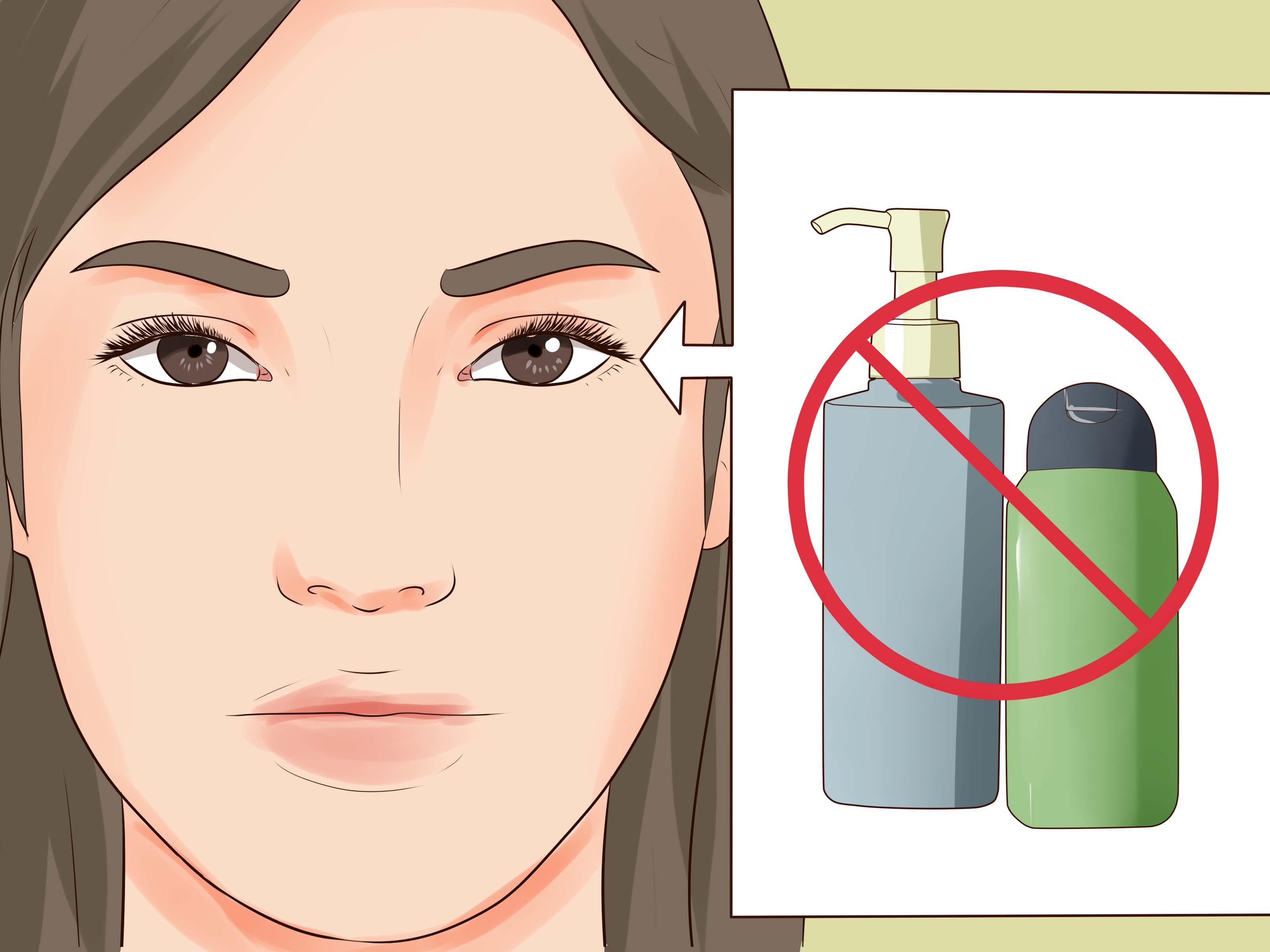
After treatment, put on clean underwear and clean clothing. Do not apply lice medicine near the eyes. If lice or nits are found on eyebrows or eyelashes, do not use standard pubic lice products there. That situation requires medical guidance because the eye area is delicate.
Also, do not rely on shaving, waxing, hot baths, essential oils, vinegar, mayonnaise, or internet “miracle cures.” Shaving may remove some hair, but it does not reliably kill lice or nits. Hot baths may make you feel cleaner, but lice are not impressed by spa energy. Proven lice medication is the tool that actually targets the infestation.
When Treatment May Need to Be Repeated
Some treatments may need to be repeated after several days if live lice remain. Follow the directions on the product label or your healthcare provider’s instructions. If live lice are still present after proper treatment, do not keep applying products again and again without advice. A clinician may recommend a prescription option if over-the-counter treatment fails.
Way 2: Remove Nits and Calm the Itch
Even after treatment, many nits may remain stuck to the hair shafts. That does not always mean treatment failed. Nits can cling stubbornly, like tiny unwanted decorations. You can remove them using a fine-toothed comb or your fingernails. Good lighting, patience, and a towel you can wash afterward are helpful.
Removing nits lowers the chance of confusion later. If you keep seeing old nits, you may not know whether the infestation is active or simply leaving behind evidence. Think of nit removal as cleaning up the crime scene after the lice have been evicted.
How to Handle Itching Safely
Itching may continue for a few days even after successful treatment. Avoid scratching as much as possible because broken skin can become irritated or infected. A cool compress may help soothe discomfort. A pharmacist or healthcare professional may suggest an appropriate anti-itch product, especially if the skin is very irritated.
Do not apply harsh chemicals, alcohol, bleach, pesticides, or household cleaners to the skin. Pubic lice are annoying, but chemical burns are worse. Skin in the genital area can be sensitive, so gentle care matters.
Signs You Should Call a Healthcare Professional
Get medical help if you see swelling, pus, increasing pain, fever, worsening rash, or open sores from scratching. Also seek care if you are pregnant, breastfeeding, treating a young person, have lice near the eyes, or are unsure which product is safe for you.
Way 3: Wash Bedding, Towels, and Clothing the Right Way
Medication treats the body, but fabrics can keep the cycle going if they are ignored. Wash clothing, underwear, towels, and bedding used during the two to three days before treatment. Use hot water when the fabric allows, and dry items on the hot dryer cycle. Heat is your friend here. Your dryer is basically the bouncer at the club, and lice are not on the guest list.
Items that cannot be washed can be dry-cleaned or sealed in a plastic bag for two weeks. This helps ensure lice and eggs die without access to a human host. You do not need to fumigate your home or call an exterminator for pubic lice. That would be like calling the fire department because your toast got dramatic.
What to Clean
Focus on items that touched the affected area or were used recently: underwear, pajamas, pants, towels, sheets, blankets, and similar fabrics. Vacuuming upholstered furniture or rugs may be reasonable if you are concerned, but massive home decontamination is usually unnecessary.
Do not share towels, clothing, or bedding until treatment is complete and the infestation is gone. After treatment, use freshly washed items to avoid reintroducing lice to the body.
Way 4: Treat Close Contacts and Prevent Reinfestation
One of the most common reasons pubic lice come back is that only one person gets treated. If a close contact still has lice, the problem can bounce back and forth like the world’s least romantic ping-pong match.
Anyone who has had intimate contact with the affected person in the past month should be informed so they can check for lice and get treated if needed. This conversation may feel awkward, but it is practical, responsible, and far less awkward than dealing with repeated infestations.
A Simple Way to Say It
You do not need a dramatic speech. A calm message works: “I found out I have pubic lice. It is treatable, but you should check yourself and consider treatment so we do not pass it back and forth.” No blame, no courtroom cross-examination, no conspiracy board with red string.
Avoid Close Contact Until Treatment Is Complete
Avoid intimate or close body contact until treatment is finished and live lice are gone. If multiple people need treatment, they should ideally treat themselves around the same time. This helps stop reinfestation before it becomes a frustrating loop.
Consider STI Testing
Pubic lice themselves are not known for spreading dangerous diseases the way some other parasites can, but because they are commonly transmitted through intimate contact, it is smart for sexually active people to consider testing for other sexually transmitted infections. This is not about shame. It is routine health maintenance, like checking the oil in a car before the engine starts making expensive noises.
What Not to Do When Treating Pubic Lice
Some “solutions” make pubic lice worse, or at least waste time. Do not use insect sprays, flea treatments, kerosene, gasoline, bleach, disinfectants, or cleaning products on your body. These can seriously irritate or injure the skin. Do not keep applying lice medicine repeatedly without guidance. More medicine does not always mean better results.
Do not assume itching means treatment failed immediately. Skin can remain itchy for a short time after lice are gone. On the other hand, if you still see moving lice after following directions carefully, you may need repeat treatment or medical advice.
How Long Does It Take to Get Rid of Pubic Lice?
Many people improve after one proper treatment, especially when they also clean fabrics and treat close contacts. However, full cleanup may take several days because itching can linger and nits may remain attached to hair. If live lice remain after the recommended waiting period, repeat treatment may be needed according to the product instructions or medical advice.
The key is not speed; it is completeness. Pubic lice treatment works best when medicine, nit removal, laundry, and contact management happen together.
When to See a Doctor
See a healthcare professional if over-the-counter treatment does not work, symptoms worsen, the skin looks infected, you are pregnant or breastfeeding, the affected person is a child or teen, or lice are found on eyelashes or eyebrows. For children and teens, pubic lice in eyebrows or eyelashes can sometimes raise concern for unsafe contact and should be handled carefully with professional support.
A clinician can confirm the diagnosis and may prescribe stronger treatment if needed. They can also check whether symptoms are actually caused by another condition, such as scabies, dermatitis, yeast infection, folliculitis, or another skin problem.
Experience Notes: What People Often Learn While Dealing With Pubic Lice
People who have dealt with pubic lice often say the hardest part is not the treatment itself; it is the embarrassment. The moment someone realizes what is happening, the brain tends to hit the emergency button. Suddenly every itch feels suspicious, every towel looks guilty, and the laundry basket becomes a crime scene. But once the first wave of panic passes, most people discover that the process is manageable. Pubic lice are unpleasant, but they are not a moral judgment. They are a health issue, and health issues are handled with facts, not shame.
One common experience is underestimating the importance of reading directions. Many people assume all lice products work the same way. They do not. Some products need to stay on for a specific amount of time, and using them incorrectly can reduce effectiveness or irritate the skin. A careful person reads the label twice, sets a timer, and resists the urge to invent “extra strong” treatment rules. The goal is to kill lice, not turn sensitive skin into a science experiment.
Another lesson is that laundry matters more than people expect. Someone may use the right treatment but then put on yesterday’s clothing or climb back into unwashed sheets. That is how lice get a second chance. The better approach is to prepare before treatment: gather clean clothes, wash bedding and towels, and bag anything that cannot be washed. It feels slightly annoying in the moment, but it saves time later. Future you will be grateful, probably while wearing freshly washed pajamas.
People also learn that communication prevents repeat problems. Telling a close contact about pubic lice may feel awkward, but silence can lead to reinfestation. A short, direct message is usually enough. Mature people appreciate honesty, especially when the issue is treatable. The conversation does not need drama, blame, or detective work. It simply needs clear information and a plan.
Finally, many people realize that itching does not always disappear instantly. After treatment, the skin may remain irritated for a few days. That can make people worry the lice are still alive. The best strategy is to look for actual moving lice, not just rely on itching. If there are no live lice and the skin is slowly improving, the treatment may be working. If live lice remain after proper treatment, or symptoms get worse, it is time to call a healthcare professional. Getting help is not embarrassing. Walking around miserable because of pride is much less impressive.
Conclusion
Getting rid of pubic lice requires a complete plan: use an approved lice treatment, remove remaining nits, wash or seal recently used fabrics, and make sure close contacts are treated too. Home remedies and shaving alone are not reliable, and harsh chemicals should never be used on the body. With the right steps, pubic lice can usually be cleared without turning your life upside down.
The most important takeaway is simple: act quickly, follow directions carefully, clean the right items, and do not let embarrassment delay treatment. Pubic lice are common enough that healthcare professionals know exactly how to help, and they are treatable enough that you do not need to panic. Handle the problem calmly, and those tiny uninvited guests can be shown the exit.