
Note: This original SEO article synthesizes publicly available information about Sheila Bridges, The Bald Mermaid: A Memoir, alopecia areata, and Bridges’s design career. It is written for web publication and is not medical advice.
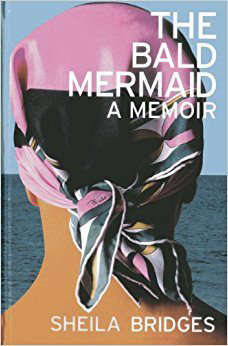
Some memoirs tiptoe into the room, politely clear their throat, and ask if now is a good time to discuss identity, success, beauty, race, family, loneliness, and the tiny social earthquake caused by losing one’s hair. The Bald Mermaid: A Memoir does not tiptoe. Sheila Bridges walks in with a designer’s eye, a sharp sense of humor, and the kind of honesty that makes the reader sit up straighter. This is not simply a book about hair loss. It is a memoir about what happens when the mirror changes, the world reacts, and a woman who has built beautiful rooms must redesign the emotional architecture of her own life.
Published by Pointed Leaf Press, The Bald Mermaid is the second book by Sheila Bridges, the celebrated Harlem-based interior designer, author, product designer, and former television host. Bridges is widely known for her iconic Harlem Toile de Jouy pattern, a witty and culturally charged reinvention of traditional French toile. In this memoir, however, the most important pattern is personal: ambition, achievement, disruption, grief, reinvention, and finally, a kind of hard-won peace. The result is candid, stylish, funny, uncomfortable in the best way, and unexpectedly tender.
What Is The Bald Mermaid: A Memoir About?
The Bald Mermaid: A Memoir follows Sheila Bridges through the layered rooms of her life: her education, career, family expectations, romantic disappointments, creative breakthroughs, and the emotional impact of alopecia, an autoimmune condition that can cause sudden hair loss. The book explores identity, femininity, race, success, independence, and the public pressure placed on women’s bodies. That sounds like a lot, because it is. But Bridges does not treat these themes like heavy furniture that must be dragged across the floor. She arranges them with rhythm, personality, and, when necessary, a wink.
The title itself is doing serious work while pretending to be playful. A mermaid is usually imagined as glamorous, mysterious, and blessed with an impossible amount of flowing hair. A bald mermaid, then, is a glorious contradiction. She is myth without the usual costume. She is beauty without the expected packaging. She is the fairy-tale creature who has tossed the wig, ignored the script, and decided that the ocean is still hers. In Bridges’s hands, the phrase becomes both a joke and a declaration: identity does not vanish just because the old image does.
A Memoir Told in Vignettes
One of the most appealing qualities of the book is its vignette-like structure. Rather than forcing her life into a neat “first this, then that, finally enlightenment arrived carrying a scented candle” format, Bridges offers personal scenes that build emotional meaning over time. This makes sense for a designer. Interior designers understand that a room is not made by one object; it is made by relationships between objects. A chair changes beside a window. A color shifts under natural light. A family photograph means something different when placed near a modern sculpture.
In the same way, Bridges’s memoir places career, illness, family, friendship, romance, humor, and self-image beside one another until the reader sees a fuller portrait. The book is beautifully illustrated with personal photographs and images of her interior design work, giving the memoir a visual layer that many life stories lack. It is not just a story to read; it is a story to look at, almost like walking through a house where every room contains a confession.
Who Is Sheila Bridges?
Sheila Bridges is one of the most influential names in American interior design. Based in Harlem, New York, she founded her design firm in the 1990s and became known for interiors that balance history, wit, elegance, and cultural intelligence. Her client list has included high-profile figures, and her work has appeared in major publications and museums. She has also been recognized by Time magazine and CNN as “America’s Best Interior Designer,” a title that sounds glamorous until you remember that even glamorous titles do not protect anyone from real life. Real life, as usual, does not check the press clippings before barging in.
Bridges’s creative legacy is strongly tied to Harlem Toile de Jouy, her celebrated reinterpretation of traditional toile. Classic toile often features pastoral European scenes: shepherds, trees, quaint little leisure activities, and the occasional person looking as if they have never once had to answer email. Bridges kept the decorative structure but changed the story. Her Harlem Toile satirizes stereotypes about African American life while celebrating Black culture, history, humor, and complexity. The design has appeared on wallpaper, fabric, clothing, tableware, and other products, and it has been included in important museum collections.
This background matters because The Bald Mermaid is not written by someone who merely endured a personal change. It is written by someone trained to see surfaces, symbols, and the stories people attach to them. Bridges knows that appearances speak before we do. She also knows they can lie.
Alopecia, Hair, and the Shock of Being Seen Differently
Alopecia areata occurs when the immune system attacks hair follicles, leading to hair loss that may appear in patches or become more extensive. For some people, hair regrows; for others, the condition is unpredictable and ongoing. The medical facts matter, but Bridges’s memoir focuses on something equally important: the social and emotional meaning of hair, especially for women.
Hair is rarely treated as “just hair.” It is tied to beauty, youth, gender, culture, confidence, professionalism, and even assumptions about health. A woman with a shaved or bald head may be read by strangers before she has said a word. People may assume illness. They may offer unsolicited advice. They may ask intrusive questions. Some may stare. Others may become amateur philosophers in the grocery store aisle, which is rarely helpful and almost never requested.
Bridges writes about the vulnerability of losing hair while also confronting the pressure to make other people comfortable with that loss. That is one of the memoir’s sharpest insights. A physical change may happen to one person, but suddenly everyone around them seems to have an opinion. Should she wear a wig? Should she explain? Should she hide? Should she perform confidence before she has actually found it? The book suggests that self-acceptance is not a single dramatic moment. It is more like renovating an old house while still living inside it: messy, inconvenient, occasionally expensive, and full of dust in places you did not know dust could reach.
The Main Themes of The Bald Mermaid
1. Beauty Without Permission
At its core, The Bald Mermaid challenges the idea that beauty must follow a pre-approved checklist. Hair has long been treated as a symbol of femininity, and Bridges’s hair loss forced her to confront how much of her self-image had been shaped by that assumption. The memoir does not pretend this was easy. That honesty is what makes it powerful. Instead of offering a glossy slogan about confidence, Bridges shows the awkward, painful, funny, and human process of learning to live without the old costume.
2. Success Does Not Cancel Vulnerability
Bridges had achieved impressive professional success before alopecia altered her appearance. She had designed beautiful homes, hosted television, written books, and built a respected brand. Yet success did not make her immune to insecurity, loneliness, or public judgment. This is one reason the memoir feels so relatable. Many readers know the strange gap between how accomplished someone looks from the outside and how uncertain they may feel inside. A polished career can still contain private panic. A beautiful room can still belong to someone having a very bad Tuesday.
3. Race, Class, and the Performance of “Having It All”
The book also explores the expectations placed on women, particularly Black women navigating elite professional spaces. Bridges writes about achievement, independence, family, social perception, and the cost of constantly appearing composed. The phrase “having it all” gets examined with a raised eyebrow. After all, what does “all” even mean? A career, a home, beauty, romance, health, money, approval, and inner peacepreferably before lunch? The memoir gently but firmly questions whether the fantasy of having it all is liberating or just another room women are expected to decorate perfectly.
4. Humor as Survival Equipment
One of the reasons The Bald Mermaid stands out is its humor. Bridges can be vulnerable without becoming sentimental and witty without dodging the truth. Humor becomes a tool for survival, a way to reclaim control over experiences that might otherwise feel humiliating or isolating. The book understands that laughter does not erase pain. It simply gives pain less authority over the entire room.
Why the Memoir Still Feels Relevant
Although The Bald Mermaid was published in 2013, its themes feel current because conversations about beauty standards, visible difference, autoimmune conditions, racial identity, and women’s autonomy have only grown louder. Social media has made public image even more intense. Today, people are encouraged to “be authentic,” but only if the authenticity photographs well, fits the brand, and arrives with flattering lighting. Bridges’s memoir cuts through that contradiction.
The book is especially meaningful for readers dealing with alopecia, hair loss, or any condition that changes how they are perceived. But its audience is wider than that. Anyone who has gone through a visible life change can understand the feeling of being treated like a new person before they have had time to catch up with themselves. Weight changes, aging, illness, disability, grief, motherhood, divorce, career loss, or simply becoming more honest about who you areeach can create a before-and-after that other people feel entitled to comment on.
Bridges’s story says: you are allowed to change without submitting a public relations statement. You are allowed to mourn what changed and still move forward. You are allowed to be funny before you are healed. You are allowed to be bald, brilliant, stylish, annoyed, grateful, imperfect, and still very much the main character of your own life.
The Design Mind Behind the Memoir
Reading The Bald Mermaid through the lens of design makes the book even richer. Interior design is about more than matching pillows, despite what certain television makeovers may suggest. Good design asks: How do people live? What do they value? What story does this space tell? What should be hidden, revealed, restored, or reimagined?
Bridges applies similar questions to the self. What parts of identity are inherited? What parts are styled for approval? What happens when the decorative layer disappears? Can loss become a form of editing? Can a person become more recognizable after losing something the world insisted was essential?
Her career gives her memoir a visual intelligence. She understands texture, contrast, and negative space. Baldness, in a symbolic sense, becomes negative space: the absence that makes everything else more visible. Without hair, Bridges is forced to see how much meaning society had placed there. Without the old frame, the portrait changes. But it does not become less valuable.
Who Should Read The Bald Mermaid?
This memoir is a strong choice for readers who enjoy honest personal essays, design culture, women’s memoirs, stories about reinvention, and books that mix beauty with bite. It will appeal to fans of interior design, but it is not only for design insiders. You do not need to know the difference between toile and tweed to enjoy it. Though, fair warning, after reading about Bridges, you may suddenly develop opinions about wallpaper. This is a known side effect of excellent design writing.
Readers experiencing alopecia or hair loss may find recognition in the book’s emotional landscape. Readers interested in race, femininity, and professional identity will find plenty to consider. Creative professionals may connect with Bridges’s reflections on public success and private uncertainty. And anyone who has ever been given unwanted advice by a stranger will likely nod so hard they risk a minor neck cramp.
The memoir is also useful for book clubs because it invites discussion. What makes us feel beautiful? How much of identity is chosen, and how much is assigned by others? When does independence feel empowering, and when does it become lonely? How do women survive constant commentary on their bodies? These are not small questions, but Bridges makes them approachable through story rather than lecture.
Reading The Bald Mermaid as a Story of Reinvention
Reinvention is often marketed as a glamorous before-and-after reveal. In real life, reinvention tends to include confusion, resistance, awkward conversations, and at least one moment of wondering whether everyone else received an instruction manual. The Bald Mermaid respects that complexity. Bridges does not become a new person simply because she loses her hair. Instead, she becomes more aware of the person she already was beneath the assumptions.
That is the emotional beauty of the memoir. It does not argue that loss is secretly wonderful. It does not wrap hardship in glitter and call it destiny. Instead, it shows how a person can be changed by loss without being reduced to it. Bridges’s baldness becomes part of her story, not the whole story. She remains a designer, a thinker, a daughter, a friend, a woman with standards, a person with humor, and a creative force. The mermaid may be bald, but she still swims.
Experience Reflections: What The Bald Mermaid Can Teach Us About Everyday Life
The experiences connected to The Bald Mermaid: A Memoir are not limited to the exact experience of alopecia. The book speaks to anyone who has ever had to walk into a room feeling visibly changed. Imagine preparing for a work meeting after something about your appearance has shifted. Maybe your hair is gone. Maybe your skin has changed. Maybe your body looks different after illness, stress, or time. You tell yourself to be calm, but the mirror has become a committee, and every member has notes.
One related experience is the strange burden of managing other people’s reactions. A person may be dealing with their own grief, confusion, or adjustment, yet still feel responsible for making everyone else comfortable. Someone stares too long, and suddenly you are the one smiling politely. Someone asks a personal question, and you must decide whether to educate them, joke, deflect, or pretend you did not hear. That emotional labor can be exhausting. Bridges’s memoir captures that reality with rare clarity.
Another familiar experience is the temptation to hide during transition. Many people know the instinct to wait until they feel “ready” before reentering the world. Ready with the right outfit. Ready with the right explanation. Ready with the right amount of confidence, preferably delivered overnight like a package with free shipping. But life does not always wait for readiness. Sometimes people must go to work, meet friends, attend events, and continue being human while still feeling unfinished. The Bald Mermaid offers a reminder that unfinished does not mean unworthy.
The memoir also connects to the experience of redefining beauty on personal terms. This can happen slowly. At first, someone may miss the old version of themselves. Then they may become curious about the new version. Eventually, they may discover that confidence is not always loud. Sometimes it is simply leaving the house without apologizing for how you look. Sometimes it is refusing to explain your body to strangers. Sometimes it is buying earrings that sparkle because, apparently, the head has become premium display space.
There is also a creative lesson here. Bridges’s life suggests that identity, like design, can be rearranged. When one element disappears, the whole composition changesbut change can reveal new balance. A room without curtains may suddenly show better light. A person without the feature they once depended on may discover a sharper voice, a stronger posture, or a deeper sense of humor. This does not make the loss painless. It makes the person larger than the loss.
Finally, the book reflects the experience of learning that self-acceptance is not a finish line. It is maintenance. Some days are easy; some days require extra courage and perhaps snacks. The power of The Bald Mermaid is that it does not demand perfect bravery. It allows room for grief, vanity, anger, laughter, elegance, and contradiction. That is why the memoir feels real. Human beings are not minimalist rooms. We are layered, crowded, sentimental, stylish, messy, and occasionally in need of better lighting. Bridges understands thisand she invites readers to understand it about themselves.
Conclusion: Why The Bald Mermaid Deserves a Place on the Shelf
The Bald Mermaid: A Memoir is more than the story of a successful interior designer who lost her hair. It is a smart, funny, visually rich exploration of what happens when identity is stripped of one of its most culturally loaded symbols. Sheila Bridges writes with the eye of a designer and the nerve of someone who has learned that beauty is not a contract signed by society. It can be revised. It can be reclaimed. It can even be bald.
For readers interested in memoirs about identity, alopecia, women’s lives, race, design, and self-reinvention, this book offers both style and substance. It is honest without being bleak, humorous without being shallow, and personal without becoming narrow. Like Bridges’s best design work, it invites you to look closely, question the pattern, and notice what has been hiding in plain sight.
SEO Tags