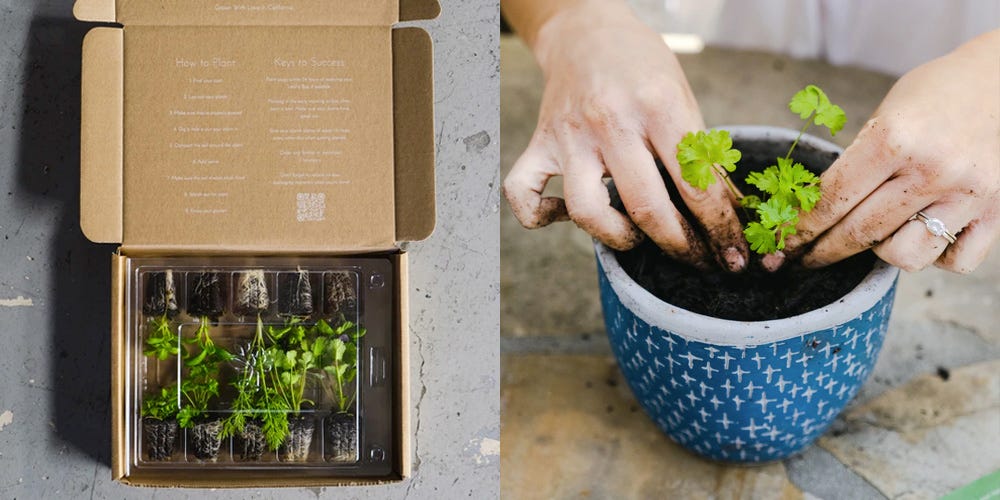

Gardening is one of those hobbies that sounds peaceful until you are standing in a hardware store staring at 47 kinds of soil, wondering whether “partial sun” means morning sun, afternoon sun, or the kind of sun that appears only when your plants have already given up. That is exactly why gardening subscription boxes became so popular: they turn the “Where do I even start?” problem into a tidy little package that arrives at your door.
The best gardening subscription boxes of 2024 are not all the same. Some send live houseplants. Others focus on vegetable seeds, herbs, succulents, bulbs, or full container-garden kits. A great box should match your space, skill level, climate, patience, and willingness to read plant care cards before accidentally turning a fern into decorative hay.
For this guide, the selections are based on real product information, expert-style evaluation criteria, gardening practicality, gift appeal, beginner friendliness, variety, and long-term value. Whether you have a backyard, a balcony, a windowsill, or a single sunny corner guarded by a suspicious cat, these gardening boxes can help you grow something beautiful, edible, or at least Instagram-worthy.
How We Chose the Best Gardening Subscription Boxes
To narrow the list, we looked at what serious gardeners and product reviewers usually care about: healthy plants or viable seeds, clear instructions, smart seasonal timing, customization, packaging quality, price, and whether the box actually helps someone become a better gardener. A pretty plant is nice. A pretty plant that survives longer than a bouquet of grocery-store basil is better.
We also considered different gardening lifestyles. A renter in Chicago may need indoor greenery. A patio gardener in Texas may want herbs and vegetables. A gift shopper may want something pre-potted and charming enough to say, “I put thought into this,” without requiring the recipient to assemble a greenhouse in their kitchen.
One smart tip before subscribing: check your USDA Plant Hardiness Zone if you are ordering outdoor plants, bulbs, herbs, or perennials. Your zone helps you understand which plants are most likely to survive your local winter temperatures. For indoor boxes, the bigger concerns are light, watering habits, pets, and whether you have a habit of “just adding a little more water,” which is how many houseplants meet their soggy doom.
Quick Comparison: Best Gardening Subscription Boxes of 2024
| Rank | Subscription Box | Best For | Main Contents |
|---|---|---|---|
| 1 | My Garden Box | Best overall gardening box | DIY plant projects, live plants, containers, growing media, accessories |
| 2 | House Plant Box | Best value for indoor gardeners | Monthly houseplants with care cards |
| 3 | Leaf & Clay Succulent Club | Best for small spaces | Succulents and cacti |
| 4 | Gardenuity Vegetable Garden Subscription | Best vegetable garden box | Seasonal herbs, vegetables, grow bags, soil, nutrients, support |
| 5 | Urban Organic Gardener Monthly Seed Club | Best seed club for customization | Non-GMO heirloom seeds and seed-starting supplies |
| 6 | Leaf’d Box Herb Garden Seasonal Subscription | Best herb garden box | Seasonal herb plants and growing instructions |
| 7 | Harry & David Bulb-of-the-Month Club | Best pre-potted flower gift | Pre-planted blooming bulbs |
| 8 | Horti Monthly Plant Subscription | Best 2024 beginner houseplant program | Beginner-friendly houseplants and care guidance |
| 9 | Seed Bank Box | Best vegetable seed subscription | Organic, heirloom, non-GMO seeds |
1. My Garden Box: Best Gardening Subscription Box Overall
Best for: Gardeners who want a complete, hands-on project instead of just another plant in a plastic pot.
My Garden Box earns the top spot because it feels like a craft kit, gardening lesson, and plant delivery rolled into one. Instead of simply shipping a mystery plant and wishing you luck, it typically focuses on themed DIY plant projects. Depending on the month, subscribers may receive live plants, decorative containers, soil or growing media, plant care instructions, and extra accessories that make the box feel polished.
This is especially useful for beginners because the box removes several common points of confusion. You do not have to guess which container fits the plant, which growing medium to buy, or whether your new green roommate prefers a misting bottle or emotional distance. The guided format makes the experience approachable, and the variety keeps it interesting throughout the year.
Why pros like it
The biggest strength is completeness. A strong gardening box should not make the customer immediately run to the store for three missing items. My Garden Box is built around the full experience, making it a smart gift and a satisfying option for people who enjoy assembling something beautiful.
Possible drawbacks
The plants may be smaller than what you would pick from a local nursery, and the price is higher than seed-only subscriptions. Still, for anyone who wants a curated project with real “unboxing joy,” this box feels like the most complete option.
2. House Plant Box: Best Value Gardening Subscription Box
Best for: Indoor gardeners, apartment dwellers, and anyone who wants to build a houseplant collection without spending a fortune.
House Plant Box is one of the most accessible plant subscriptions because it offers multiple subscription styles at relatively friendly prices. Options may include classic indoor plants, pet-friendly plants, succulents, premium plants, and other themed boxes. For someone who wants steady plant mail without needing a backyard, this is an easy place to start.
The appeal is simple: each month brings a different plant, usually with a care card or digital care information. That matters because many beginner plant owners do not fail because they lack enthusiasm; they fail because they treat a snake plant, a fern, and a calathea like they are all the same leafy intern. They are not.
Why pros like it
The value is strong, especially for subscribers who want variety. The brand’s broad subscription lineup also makes it easier to choose a box that fits your lifestyle. If you have pets, look for pet-friendly options. If you prefer low-maintenance greenery, avoid dramatic plants that faint whenever humidity drops below “rainforest spa.”
Possible drawbacks
Most plants arrive in nursery pots, so decorative planters may cost extra. Also, indoor plant subscriptions depend heavily on your home conditions. A bright Florida windowsill and a dim basement office are not the same gardening environment, no matter how optimistic the care card sounds.
3. Leaf & Clay Succulent Club: Best for Small Spaces
Best for: Small apartments, sunny windowsills, dorm rooms, office desks, and people who sometimes forget watering day.
Succulents are the houseplants of choice for people who want greenery but not a second job. Leaf & Clay’s succulent-focused subscription is ideal for small spaces because succulents are compact, sculptural, and generally more forgiving than thirsty tropical plants. They look good grouped on shelves, windowsills, coffee tables, and desks.
A succulent subscription is also a fun way to explore varieties you may not find at a local garden center. Over time, a subscriber can build a miniature collection with different shapes, colors, textures, and growth habits. Some look like tiny green roses. Others look like alien vegetables that somehow got invited to brunch.
Why pros like it
Succulents are space-efficient and beginner-friendly when given enough light and proper drainage. They are also easy to style, making this subscription especially appealing for design-minded plant lovers.
Possible drawbacks
The main limitation is variety within a narrow category. If you want herbs, vegetables, bulbs, and leafy houseplants, a succulent-only box will feel too specific. Succulents also need bright light, so they are not magic plants for dark rooms. Low water does not mean no care; it just means “please do not drown me with affection.”
4. Gardenuity Vegetable Garden Subscription: Best Vegetable Garden Subscription Box
Best for: Patio gardeners, balcony growers, beginner vegetable gardeners, and people who want fresh herbs and vegetables without building raised beds.
Gardenuity stands out because it focuses on container gardening and practical growing success. Its vegetable garden subscription is designed to bring the garden to spaces that may not have traditional garden beds. That makes it a strong choice for apartment dwellers, townhouse owners, and anyone whose “yard” is more accurately described as “a rectangle of concrete with ambition.”
The kits typically include seasonal plants, grow bags or containers, soil components, nutrients, and support resources. The big advantage is that the plants are selected with timing and growing conditions in mind. Instead of receiving random seeds in the wrong season, subscribers get a more guided system.
Why pros like it
Gardenuity is not just shipping plants; it is selling a structured growing experience. Weather alerts, reminders, expert support, and beginner-friendly instructions can make a major difference for new growers. It is one of the best gardening subscription boxes for people who want results they can actually harvest.
Possible drawbacks
It costs more than a seed subscription, and customization may be limited depending on the offer. However, the higher price makes sense for people who want fully rooted plants, support, and supplies instead of starting from scratch.
5. Urban Organic Gardener Monthly Seed Club: Best Custom Seed Subscription
Best for: Seed starters, organic gardeners, budget-minded growers, and people who like growing food from the beginning.
Urban Organic Gardener’s Monthly Seed Club is a strong pick for people who prefer seeds over live plants. The subscription focuses on non-GMO heirloom garden seeds, often including vegetables, herbs, edible flowers, and other useful varieties. Seed subscriptions are especially satisfying because they are affordable, lightweight, and full of potential. A tiny packet of seeds is basically a garden whispering, “Let’s see if you remember to label me.”
One of the biggest strengths is customization. During signup, subscribers can usually provide details about their growing space, sunlight, experience level, and interests. That helps the box feel more relevant than a random pile of seeds that may or may not work in your space.
Why pros like it
Customization matters in gardening. A sunny raised bed, a balcony container, and a small indoor setup require different crops and strategies. Urban Organic Gardener’s approach makes it easier for subscribers to receive seeds that match their actual growing conditions.
Possible drawbacks
Seeds require patience. If you want instant greenery, this is not the box. You will need containers or garden space, seed-starting discipline, and enough light. It is best for people who enjoy the process, not just the final tomato.
6. Leaf’d Box Herb Garden Seasonal Subscription: Best Herb Garden Box
Best for: Home cooks, families, beginner gardeners, and anyone who believes fresh basil improves nearly everything except maybe cereal.
Leaf’d Box is a great choice for people who want a useful, edible garden without being overwhelmed. Its herb garden seasonal subscription typically sends herb plants chosen for the season and climate, along with clear growing instructions. Herbs are one of the most rewarding categories for beginners because you can use them quickly in everyday meals.
Fresh herbs also teach good gardening habits. You learn to harvest, prune, water, and observe growth. A basil plant will politely tell you when it needs attention by wilting dramatically, while rosemary tends to act tougher and more mysterious. Either way, herbs make the learning process delicious.
Why pros like it
The seasonal format is a major advantage. Instead of monthly boxes piling up faster than you can plant them, seasonal deliveries feel more manageable. The focus on ready-to-grow plants also helps beginners skip some of the trickiest seed-starting steps.
Possible drawbacks
Herbs need adequate light, and outdoor success depends on climate and timing. If you cook rarely, you may not get as much value from a herb-specific subscription. But for food lovers, this is one of the most practical gardening boxes available.
7. Harry & David Bulb-of-the-Month Club: Best Pre-Potted Flower Subscription
Best for: Gift shoppers, flower lovers, and people who want blooms without starting seeds or transplanting seedlings.
Harry & David’s Bulb-of-the-Month Club is a polished gift option because the bulbs arrive pre-planted and ready to grow. Depending on the season, recipients may receive classic or dramatic flowering bulbs such as tulips, amaryllis, lilies, or other blooming selections. It is gardening with a lower barrier to entry: water, watch, admire, repeat.
This subscription is less about vegetable gardening and more about the emotional power of flowers. A blooming bulb on a kitchen counter can brighten a room in a way that a packet of carrot seeds simply cannot, no offense to carrots.
Why pros like it
Presentation is the star. For birthdays, holidays, thank-you gifts, or long-distance surprises, a bulb subscription feels more elegant than many standard plant boxes. It also suits recipients who may not identify as gardeners but still enjoy living beauty.
Possible drawbacks
This is not the best choice for someone who wants vegetables, herbs, or a long-term outdoor garden. It is also more expensive than basic subscriptions. Choose it when the goal is beauty, gifting, and convenience.
8. Horti Monthly Plant Subscription: Best 2024 Beginner Houseplant Program
Best for: Beginner plant parents in 2024 who wanted a confidence-building indoor plant program.
Horti was widely appreciated for its thoughtful beginner approach. Instead of throwing new plant parents into the deep end with fussy tropical divas, Horti’s model was designed to start with easier plants and gradually introduce more challenging varieties. That progression made it feel like a plant-care curriculum disguised as a subscription box.
Subscribers could choose options such as beginner-friendly plants, pet-friendly plants, or curated picks. That made Horti especially appealing for people who wanted to learn, not just collect. A good plant subscription should build confidence, and Horti’s 2024 appeal came from that educational structure.
Important availability update
Horti belongs in a 2024 roundup because it was a notable pick at the time. However, the company later announced that it closed as of May 31, 2025 and is no longer accepting new orders. If you are publishing this article for current readers, keep this update in place so shoppers do not waste time hunting for an inactive subscription.
Best current alternative
For readers who like the Horti concept, consider beginner-friendly houseplant subscriptions from active plant retailers, especially those offering pet-friendly choices, clear care cards, and gradual difficulty levels.
9. Seed Bank Box: Best Vegetable Seed Subscription Box
Best for: Food growers, heirloom seed fans, urban gardeners, and anyone who enjoys the thrill of growing unusual edible plants.
Seed Bank Box focuses on organic, non-GMO, heirloom, and sometimes rare seeds. It is built for gardeners who want to grow food, experiment with varieties, and develop a deeper relationship with what ends up on the plate. Over time, subscribers may receive root vegetables, leafy greens, vining crops, herbs, edible flowers, and other garden-worthy seeds.
This kind of subscription is especially useful for adventurous growers. Supermarket produce is designed for shipping and shelf life, not always flavor or diversity. Seed subscriptions can introduce gardeners to varieties they may never see in the average grocery aisle.
Why pros like it
Seed Bank Box offers strong variety and long-term value. Seeds are easy to store, share, and plan around. For people who enjoy garden journaling, crop rotation, and experimenting from season to season, this box provides plenty of material.
Possible drawbacks
Like any seed subscription, it requires more effort than live-plant boxes. Germination, timing, thinning, transplanting, and pest protection are all part of the journey. This is not a “set it on the counter and admire it” box. It is a “roll up your sleeves and label your trays” box.
What to Look for in a Gardening Subscription Box
1. Match the box to your real space
Do not subscribe to a vegetable garden box if your only growing area is a north-facing bathroom window. Be honest about your light, space, climate, and time. Small-space gardeners may prefer succulents, houseplants, or herbs. Outdoor growers can explore vegetables, bulbs, and seasonal seedlings.
2. Choose seeds or live plants wisely
Seeds are affordable and exciting, but they require patience and basic equipment. Live plants give faster satisfaction, but they cost more and can suffer during shipping if weather is extreme. Neither is automatically better; it depends on your personality. If you love process, choose seeds. If you love results, choose plants.
3. Check cancellation rules
Before subscribing, read the cancellation policy. Some boxes are easy to pause or cancel online, while others may require contacting customer service. A subscription should feel like a treat, not a long-term contract with a fern-shaped witness.
4. Consider pets and kids
If you have cats, dogs, or curious children, check plant safety before ordering. Some popular houseplants can be irritating or toxic if chewed. Pet-friendly subscriptions are worth considering for homes where “leave it alone” is treated as a casual suggestion.
5. Look for education, not just products
The best gardening subscription boxes teach you something. Care cards, planting guides, harvest reminders, recipes, and expert support can turn a box from a novelty into a real skill-building tool.
Extra Experience Notes: What It Is Really Like to Use Gardening Subscription Boxes
After comparing gardening subscription boxes, one practical lesson becomes clear: the best box is not always the fanciest box. It is the one that fits your life. A premium vegetable kit can be wonderful, but if you travel often or forget to water, it may become a guilt garden. A small succulent box may seem simple, but for a busy person with a sunny windowsill, it could be perfect.
One of the most enjoyable parts of a gardening subscription is momentum. Traditional gardening often begins with a huge burst of ambition: you buy seeds, tools, pots, gloves, labels, soil, compost, fertilizer, and one mysterious plant because it looked brave. Then real life appears, and the project stalls. Subscription boxes break gardening into smaller, less intimidating steps. A box arrives, you follow instructions, and suddenly you are a person who grows things on purpose.
For beginners, the care instructions are more valuable than they look. Many people assume plant care is mostly watering, but the real skill is observation. Is the soil drying too slowly? Are leaves stretching toward the window? Is the basil flowering too early? Is the succulent wrinkling because it is thirsty, or mushy because you loved it too much? Good subscription boxes train you to notice these details.
For families, gardening boxes can become a surprisingly good weekend ritual. Kids often enjoy opening the package, reading plant names, filling containers, labeling seeds, and checking growth every morning. Herbs and vegetables are especially rewarding because the payoff is edible. A child who ignores salad may suddenly become emotionally invested in basil because they personally supervised its leaf production like a tiny green CEO.
For gift buyers, gardening subscription boxes solve a common problem: how to give something personal without guessing clothing sizes, home decor taste, or whether someone already owns six scented candles named “Cozy Rain Blanket.” A plant, herb, bulb, or seed subscription feels thoughtful and alive. It also lasts longer than flowers, though flowers still win for drama.
The biggest mistake is subscribing to too many boxes at once. Plant mail is exciting, and suddenly you may think, “I can handle succulents, herbs, tomatoes, bulbs, and 10 varieties of heirloom squash.” Maybe you can. More likely, your windowsills will stage a quiet rebellion. Start with one subscription for two or three months. Learn your rhythm. Then expand.
Another real-world tip: prepare before the box arrives. Keep basic supplies on hand, including a small watering can, pruning snips, plant labels, a tray for mess, and a bag of quality potting mix. Even complete kits sometimes benefit from extra soil or a better pot. If you are growing seeds, invest in labels immediately. Every gardener believes they will remember what they planted. Every gardener is wrong at least once.
Finally, remember that gardening is not about perfection. A subscription box can improve your odds, but plants are living things. Some will thrive. Some will sulk. Some will perform a slow botanical exit despite your best efforts. That is normal. The real value of a gardening box is that it keeps you practicing, learning, and trying again. Over time, you stop seeing yourself as someone with or without a green thumb and start seeing yourself as what gardeners really are: patient experimenters with dirt under their nails and strong opinions about drainage holes.
Final Verdict: Which Gardening Subscription Box Should You Choose?
If you want the best all-around experience, choose My Garden Box. If you want affordable indoor greenery, House Plant Box is the easiest recommendation. If your space is tiny, Leaf & Clay offers compact succulent charm. For edible gardening, Gardenuity, Urban Organic Gardener, Leaf’d Box, and Seed Bank Box are the strongest choices, depending on whether you prefer live plants or seeds. For gifting, Harry & David’s Bulb-of-the-Month Club is polished and cheerful.
The best gardening subscription boxes of 2024 prove that gardening does not require a huge yard, a greenhouse, or a mysterious ability to speak fluent tomato. With the right box, you can start small, learn steadily, and enjoy the rare pleasure of receiving mail that is not a bill, an ad, or a coupon for something you already bought yesterday.