Jessica Williams Says ‘The Daily Show’ Was a Better Option Than ‘SNL’ Because the People There Are Actually Nice

Jessica Williams has never been the kind of performer who needs to bang a cymbal over your head to prove she is funny. Her comedy has always worked more like a very smart friend leaning across the table and saying the thing everyone else was too polite, too nervous, or too under-caffeinated to say. So when Williams recently explained why The Daily Show was a better fit for her than Saturday Night Live, the answer felt less like celebrity gossip and more like a small workplace philosophy seminarwith jokes.
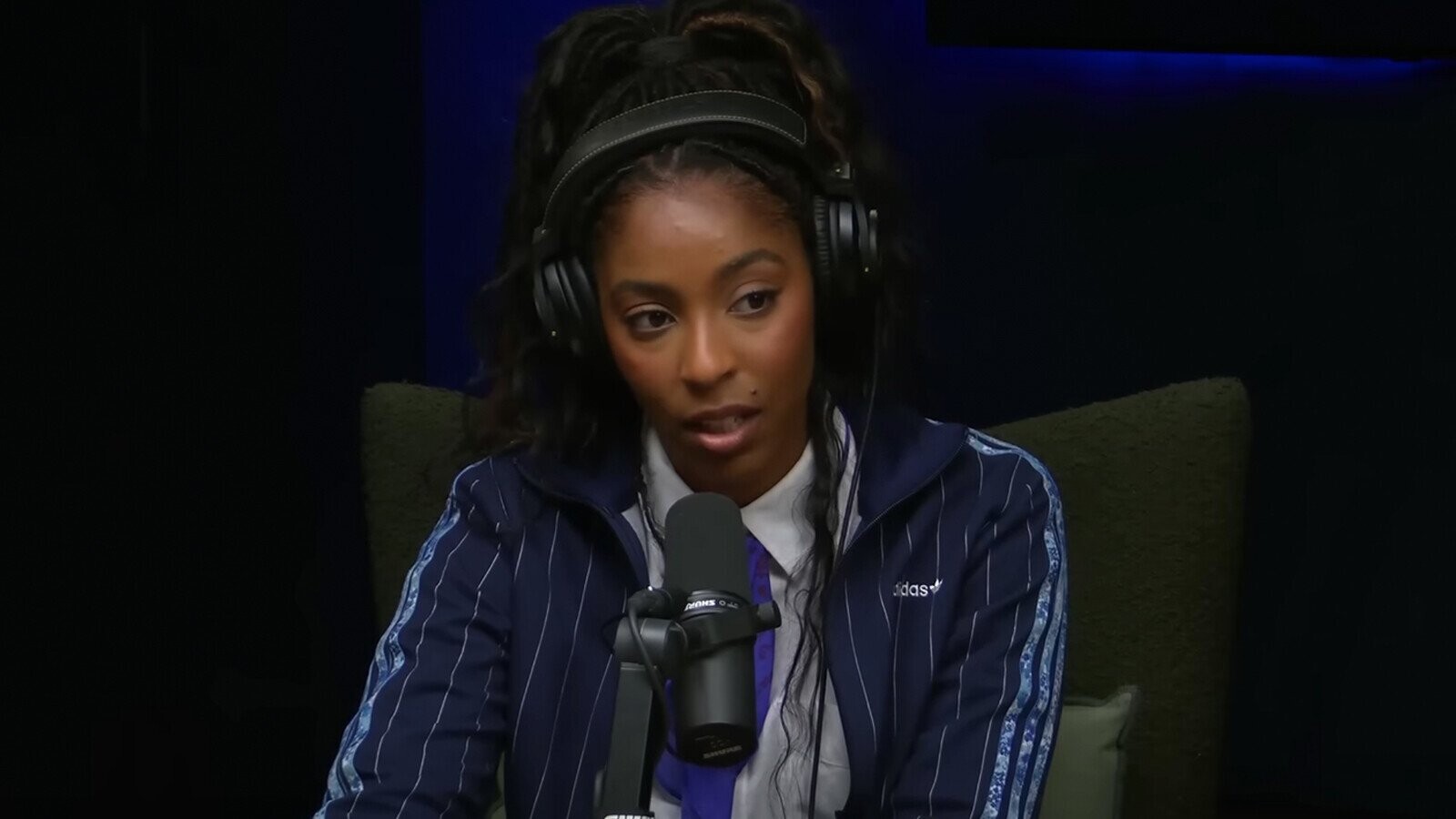
Appearing on Conan O’Brien Needs a Friend, Williams reflected on her early comedy path, including the moment when her career could have gone toward either the high-pressure sketch-comedy machine of SNL or the political satire world of The Daily Show. Her conclusion was refreshingly human: both shows are iconic, but The Daily Show offered something she personally needed. People there were kind. Jon Stewart, in particular, showed her that a boss could be brilliant without being cruel. Imagine that: leadership without emotional dodgeball.
Why Jessica Williams’ Comment Hit a Nerve
The headline may sound playful, but the deeper point is serious: creative people do not all thrive under the same conditions. Some performers love chaos, competition, and the feeling that every meeting is secretly an Olympic trial. Others do their best work when the room feels generous, collaborative, and emotionally safe. Williams placed herself clearly in the second camp.
She described herself as gentle and sensitive, explaining that she does better when people are nice to her rather than withholding. That line has stuck with fans because it pushes back against an old entertainment-industry myth: the idea that pressure must be unpleasant to produce greatness. Comedy has long romanticized brutal rooms, savage notes, and the “toughen up” school of professional development. Williams’ experience suggests another route. Maybe the funniest people in the room do not have to be the meanest. Revolutionary? Only if your office still thinks sarcasm is a management system.
The Daily Show Was More Than a Career Step
Jessica Williams joined The Daily Show in 2012, becoming one of the youngest correspondents in the program’s history. She was only 22, still close enough to college life that many people her age were trying to master laundry, rent, and the mysterious science of not burning toast. Williams, meanwhile, was stepping into one of television’s sharpest satirical institutions.
Her time on the show quickly made her a fan favorite. She brought a combination of poise, timing, intelligence, and sly disbelief that fit beautifully with The Daily Show format. The correspondent role requires more than punchlines. It demands control: the ability to interview real people, respond in the moment, frame absurdity without losing the thread, and make a serious point while wearing the calm expression of someone watching society trip over its own shoelaces.
Williams did that extremely well. Her segments often worked because she could be both funny and pointed. She was not simply delivering jokes; she was exposing contradictions. That is the sweet spot of political satire, and it explains why viewers saw her as one of the show’s brightest talents.
Jon Stewart as the “Kind Boss” Model
One of the most interesting parts of Williams’ reflection is how she talks about Jon Stewart. She has described him as a formative boss and a revelation because he proved that authority did not have to come packaged with intimidation. In an industry where many young performers are taught to accept bad behavior as the price of opportunity, that kind of leadership can be life-changing.
Stewart’s version of The Daily Show became famous not just for jokes, but for building a comedy pipeline. The show helped launch or elevate the careers of major performers and writers, including Stephen Colbert, Steve Carell, John Oliver, Samantha Bee, Hasan Minhaj, and Williams herself. That kind of track record does not happen by accident. It comes from a system that allows people to develop a voice, take swings, and sometimes miss without being professionally vaporized.
Williams’ comments also make clear that kindness does not mean softness in the lazy sense. The Daily Show was still demanding. Political comedy moves quickly. News changes by the hour. Scripts must be written, rewritten, sharpened, and performed under pressure. But Williams seems to be drawing a distinction between high standards and emotional hostility. One can be rigorous without turning the office into a haunted escape room.
Why SNL Represents a Different Kind of Comedy Dream
Saturday Night Live is one of the most legendary platforms in American comedy. For many performers, it is the dream: live television, celebrity hosts, iconic sketches, national attention, and the chance to become part of a cultural institution that has shaped comedy for decades. Being connected to SNL can change a performer’s career overnight.
But the show also has a reputation for intensity. Its weekly production schedule is famously demanding, with ideas pitched, written, rehearsed, rewritten, cut, revived, and sometimes cut again before Saturday night. That environment can be thrilling for some performers and draining for others. Williams was careful not to trash the show. She noted that friends of hers have done SNL and been happy there. Her point was not that SNL is bad. Her point was that it was not the best match for her.
That distinction matters. In career conversations, people often talk about “better” as if there is one universal ladder. Bigger platform, bigger paycheck, bigger brand nametherefore better. Williams is offering a more mature version of success: better for whom? Better at what stage? Better under what conditions? A dream job is only dreamy if it lets you remain a functional human being with a pulse and, ideally, snacks.
Jessica Williams’ Career Proves the Choice Worked
If The Daily Show was the better option, Williams’ later career supports the argument. After leaving the show in 2016, she expanded into podcasting, television, film, and streaming comedy. With Phoebe Robinson, she co-hosted 2 Dope Queens, a podcast that became a beloved HBO special series. The project highlighted diverse voices in comedy and gave Williams room to be conversational, silly, socially aware, and completely herself.
She also built a strong acting résumé. Her role as Professor Eulalie “Lally” Hicks in the Fantastic Beasts films introduced her to a global fantasy audience. But her performance as Gaby in Apple TV’s Shrinking has become one of her most acclaimed roles. As Gaby, Williams blends warmth, chaos, confidence, vulnerability, and comic precision. It is the kind of performance that looks effortless, which usually means it is very much not effortless.
Her Emmy recognition for Shrinking further underlines the point: choosing the right environment early in a career can shape long-term artistic confidence. Williams did not need to force herself into a room that did not match her temperament. She found a room where she could grow, and then she kept growing.
The Bigger Lesson: Nice Is Not the Enemy of Funny
Comedy often has a strange relationship with kindness. Because jokes can be sharp, people sometimes assume the people making them must be sharp in the painful sense too. But some of the best comedy comes from trust. Performers need to risk embarrassment. Writers need to pitch strange ideas. Actors need to try versions of a scene that may fail spectacularly. If the room punishes vulnerability, creativity shrinks.
Williams’ story argues that kindness can be a creative advantage. A supportive room does not remove pressure; it makes pressure usable. It tells performers, “Try the weird version. We will not destroy you if it flops.” That is especially important for young artists, women, and performers from underrepresented backgrounds, who may already feel pressure to prove they belong before they even open their mouths.
There is also a difference between comedy that punches up and comedy rooms that punch inward. The Daily Show built much of its identity on challenging politics, media hypocrisy, and public absurdity. That does not require humiliating the people making the show. In fact, a healthier room may make sharper satire because the performers are not wasting half their energy decoding whether the boss hates them.
Why Fans Respond to Jessica Williams’ Honesty
Part of Williams’ appeal is that she can be confident without pretending to be indestructible. Her statement that she is sensitive does not weaken her public image; it makes her more interesting. Many performers are sensitive. Many writers, actors, comedians, designers, musicians, and creative workers are sensitive. That sensitivity is often what makes them observant in the first place.
In Williams’ case, sensitivity does not mean fragility. It means she knows what conditions help her produce good work. That kind of self-knowledge is powerful. Some people spend half their lives chasing the version of success everyone else applauds, only to discover they were miserable in the room they fought so hard to enter. Williams recognized early that a supportive culture mattered to her, and she chose accordingly.
Fans appreciate that because it feels honest. It also arrives at a time when many workers, not just entertainers, are rethinking what ambition should cost. A job can be prestigious and still be wrong for a person. A workplace can be famous and still not be healthy. A boss can be talented and still not be the mentor someone needs. Williams’ comments turn a comedy-career anecdote into a broader reminder: the room matters.
Specific Examples of Williams’ Strengths on The Daily Show
Williams’ Daily Show work stood out because she could make absurdity feel obvious without overexplaining it. In field pieces, she often used a calm, almost elegant delivery while the situation around her became ridiculous. That contrast is a classic satirical weapon. The more composed she became, the more foolish the target looked.
She also had a gift for framing social issues in ways that were funny but not shallow. Whether discussing race, gender, politics, or generational attitudes, Williams brought a perspective that felt modern and specific. She did not sound like a performer borrowing outrage from a cue card. She sounded like someone who had thought about the issue before the camera turned on.
That is why her later work in 2 Dope Queens and Shrinking feels connected to her Daily Show years. She has always been strongest when humor and personality are allowed to sit together. She can be goofy, analytical, warm, and cutting in the same breath. That range is easier to access when the workplace does not train you to armor up before every creative exchange.
What the Entertainment Industry Can Learn
The entertainment industry loves origin stories. It loves the myth of the impossible room, the brutal audition, the impossible boss, the overnight success that actually took 12 years, three roommates, and a suspicious amount of instant noodles. But Williams’ story offers a better lesson for producers, showrunners, executives, and creative leaders: talent grows where it is challenged and protected.
Protection does not mean coddling. It means creating a room where people can speak, fail, learn, and improve. It means giving notes without making the note recipient feel like a defective toaster. It means understanding that different performers need different kinds of direction. Some people respond to bluntness. Others respond to warmth. The best leaders can read the room and adjust.
Jon Stewart’s influence on Williams appears to have lasted because it was not only about comedy technique. It was about values. She saw a model of a boss who could be respected without being feared. That lesson can travel far beyond television. Any workplace that depends on ideas should pay attention.
Experience Section: Why This Topic Feels So Relatable
There is something deeply relatable about Jessica Williams saying she works better when people are nice to her. Most people may not be choosing between The Daily Show and SNLtragic, honestly, because many office meetings could use a cold openbut almost everyone understands the difference between a workplace that brings out your best and one that turns you into a nervous houseplant.
In creative work especially, the environment can change everything. Imagine trying to pitch an idea in a room where every pause feels dangerous. Your brain starts editing before you even speak. You do not offer the strange idea, even though the strange idea might be the one that works. You choose the safe line. You shrink the joke. You make the paragraph duller. You sand off the weird little edge that made the thing interesting in the first place. Then everyone wonders why the final product feels flat. Congratulations, the room successfully intimidated the flavor out of the soup.
A kinder environment does the opposite. It gives people enough safety to be bold. When a leader says, “That version is not quite there, but keep going,” the person can keep going. When a colleague laughs with you instead of at you, the next idea comes faster. When criticism is specific instead of personal, it becomes useful. The work improves because people are not spending their energy defending their dignity.
Williams’ experience also speaks to anyone who has ever chosen the “less obvious” path. Sometimes the impressive option is not the right option. The famous school, the prestigious internship, the flashy job, the bigger company, the louder roomthese can all be wonderful, but they are not automatically better. The better choice is the one that fits your values, your nervous system, your goals, and your ability to keep doing good work without becoming a shell in fashionable shoes.
That is why her comment feels bigger than entertainment news. It validates a quieter kind of ambition. You can be serious about your career and still care about kindness. You can want excellence without wanting cruelty. You can be sensitive and still be powerful. In fact, sensitivity may be part of the power. It helps artists notice tone, contradiction, awkwardness, beauty, unfairness, and all the tiny social signals that comedy feeds on.
For young comedians, writers, actors, and creators, Williams’ story is a useful reminder to study the room, not just the opportunity. Ask what kind of feedback culture exists. Ask whether people leave energized or flattened. Ask whether the leaders are generous with credit. Ask whether people laugh because they are delighted or because they are scared not to. The answers matter.
For bosses, the lesson is even simpler: being nice is not a decorative bonus. It is a professional skill. A kind boss can still demand rewrites, better performances, sharper thinking, and stronger results. The difference is that people leave the conversation knowing what to fix, not wondering whether they should abandon their career and open a candle shop called “Burnout & Lavender.”
Jessica Williams’ choice of The Daily Show over SNL may have been personal, but that is exactly why it resonates. It reminds us that success is not just about getting into the most famous room. It is about finding the room where your voice can become clearer, braver, and more fully yours. Sometimes the nicest room is not the easy room. Sometimes it is the room where you finally become as good as you were trying to be.
Conclusion
Jessica Williams’ reflection on The Daily Show and SNL is not a feud, a scandal, or a dramatic comedy-world cage match. It is something more useful: a thoughtful explanation of fit. SNL remains one of the most important comedy institutions in American television, but Williams found that The Daily Show gave her the support, kindness, and creative space she needed. Under Jon Stewart’s leadership, she learned that comedy could be sharp without the workplace being cruel.
Her career since then shows the value of that choice. From The Daily Show to 2 Dope Queens to Shrinking, Williams has built a body of work defined by intelligence, warmth, timing, and emotional honesty. Her comments are a reminder that being “nice” is not the opposite of being excellent. Sometimes it is the reason excellence has enough room to show up.