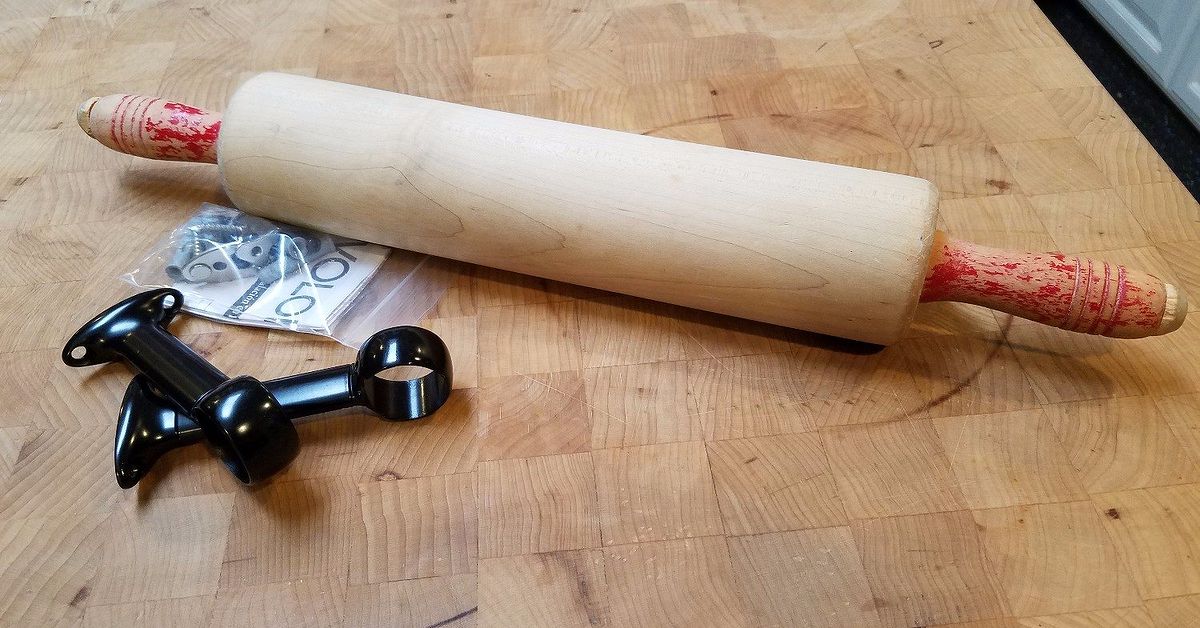

Some family heirlooms arrive with velvet boxes and serious faces. Others show up dusted with flour, tucked in the back of a drawer, and shaped like a very determined wooden cylinder. Grandma’s rolling pin may not sparkle like jewelry, but it carries something better: Sunday pie memories, holiday-cookie chaos, and the quiet authority of someone who could make dough behave with one raised eyebrow.
Today, that humble kitchen tool is finding a fresh second act. Instead of staying forgotten in a cabinet, a vintage rolling pin can become wall decor, a towel rack, a recipe holder, a curtain rod, a photo display, or the charming backbone of a farmhouse-style DIY project. In other words, Grandma’s rolling pin gets a new purposeand suddenly the old kitchen workhorse is the star of the room.
Repurposing old kitchen items is not just about saving money, although your wallet may absolutely applaud from the corner. It is also about sustainability, storytelling, and creating home decor that does not look like it was cloned in a warehouse. A rolling pin already has texture, patina, and personality. The little dents and darkened handles are not flaws; they are character lines. Like laugh lines, but with more biscuits.
Why a Vintage Rolling Pin Deserves a Second Life
A rolling pin is one of those rare household objects that is both practical and emotional. It was made to work, but it also symbolizes comfort: pie crusts, biscuits, dumplings, sugar cookies, cinnamon rolls, and the kind of kitchen where someone always had an apron within reach. When it becomes decor, it keeps that warmth visible.
From a design standpoint, old rolling pins work especially well in farmhouse, cottage, vintage, rustic, traditional, and eclectic interiors. Their warm wood tones soften white kitchens, add texture to open shelving, and make a modern space feel less like a showroom and more like an actual home. Pair one with iron hooks, gingham ribbon, dried herbs, antique spoons, or a small framed recipe card, and you have a display that looks collected rather than manufactured.
There is also a practical reason to reuse what you already own. Reducing and reusing household items helps extend the life of materials and keeps usable objects out of the waste stream. A vintage rolling pin may no longer be ideal for baking if it is cracked, heavily worn, or coated with an unknown finish, but it can still serve beautifully as a decorative or organizational piece.
Before You Repurpose It: Clean, Check, and Respect the Wood
Before Grandma’s rolling pin becomes a wall hook or photo rail, give it a careful inspection. If it has sentimental value, avoid aggressive sanding or heavy painting unless you are completely comfortable changing its original look. A light touch is usually best. The goal is to refresh the rolling pin, not erase the evidence that it survived three generations of pie season.
Clean It Gently
Start by wiping off dust with a dry cloth. If the rolling pin is grimy, use warm water, mild dish soap, and a soft sponge. Do not soak it, and do not toss it into the dishwasher unless your goal is to create a warped wooden mystery stick. Wood can absorb water, swell, crack, or lose its natural oils when handled too harshly.
After cleaning, dry it immediately with a towel and let it air-dry completely. If the wood looks thirsty, apply a small amount of food-grade mineral oil or a beeswax-and-mineral-oil conditioner. Even if the piece will be used only for decor, conditioning can help revive dry wood and reduce the chance of future cracking.
Check for Cracks, Splinters, and Old Finishes
A rolling pin with deep cracks, flaking paint, or an unknown coating should not return to food duty. Vintage kitchen items can be wonderful as display pieces, but older finishes may not meet modern food-safety expectations. If the rolling pin is painted, especially if it is very old, treat it as decorative unless you have confirmed the finish is safe.
For wall decor or storage projects, tiny dents and color changes are welcome. Sharp splinters are not. Lightly smooth rough edges with fine-grit sandpaper, then wipe away dust and reseal the area. If you want to keep the antique look, use a clear matte finish or wax rather than a glossy coating that makes the piece look suspiciously like it just came from a craft-store witness protection program.
Best New Purposes for Grandma’s Rolling Pin
The beauty of repurposing a rolling pin is that its shape already does half the design work. It is long, sturdy, and easy to mount or display. Whether you want a five-minute styling trick or a weekend DIY project, there is a purpose that fits.
1. Turn It Into a Kitchen Towel Rack
A vintage rolling pin makes a charming kitchen towel rack, especially in a farmhouse or cottage kitchen. Mount two brackets on the wall, rest the rolling pin between them, and hang a folded linen or cotton towel over the center. The handles become decorative ends, while the rounded barrel gives the towel a soft drape.
This project works well near a baking station, coffee nook, pantry door, or breakfast area. For a more finished look, choose brackets in oil-rubbed bronze, matte black, antique brass, or white enamel. If the rolling pin is especially precious, use brackets that support it without drilling directly into the wood.
2. Make a Rolling Pin Wall Hook
With a few small hooks screwed into the underside, a rolling pin can become a wall-mounted organizer. Use it for aprons, measuring spoons, mugs, keys, market bags, or lightweight utensils. In an entryway, it can hold dog leashes and canvas totes. In a craft room, it can hold ribbon, scissors, and small tools.
The secret is balance. Do not overload the piece, especially if it is old or has delicate handles. Use anchors appropriate for your wall, and mount it securely. A rolling pin hook rack should look adorable, not make a dramatic leap from the wall during dinner.
3. Create a Recipe Card Display
If you have Grandma’s handwritten recipe cards, this may be the sweetest idea of all. Mount the rolling pin horizontally, then attach small clips, twine, or ribbon to display recipe cards underneath. The result is part kitchen art, part family archive.
You can rotate the cards by season: pumpkin pie in November, sugar cookies in December, strawberry shortcake in June, and the mysterious casserole recipe that simply says “bake until done” whenever you need a laugh. For preservation, display copies of fragile originals and store the real cards safely away from steam, grease, and enthusiastic sauce splatters.
4. Use It as a Curtain Rod
A rolling pin can become a tiny curtain rod for a pantry window, cabinet opening, play kitchen, laundry room shelf, or cottage-style nook. This idea works best with lightweight fabric such as muslin, linen, ticking stripe, or café-curtain cotton. Install small brackets, slide fabric tabs or clip rings over the pin, and let the handles act as natural finials.
This is a wonderful way to bring vintage kitchen decor into a space without making it feel cluttered. The rolling pin is useful, visible, and just whimsical enough to make guests say, “Wait, is that a rolling pin?” That is exactly the reaction you want.
5. Build a Farmhouse Photo Rail
For a hallway, breakfast nook, or family command center, turn the rolling pin into a photo rail. Add twine, miniature clothespins, or brass clips and hang small prints from the barrel. Black-and-white family photos look especially timeless against aged wood.
You can also mix photos with postcards, seed packets, vintage labels, or small pressed-flower cards. The rolling pin gives the arrangement structure, while the hanging pieces can change throughout the year. It is flexible decor with a memory lane attached.
6. Display It in a Stoneware Crock
Not every new purpose requires power tools. Sometimes the best move is styling. Place a few vintage rolling pins upright in a stoneware crock, enamel pitcher, ceramic jar, or galvanized bucket. Add wooden spoons, a small bunch of dried lavender, or a checked tea towel for texture.
This works beautifully on open kitchen shelves, a buffet, a sideboard, or a countertop corner. It is also renter-friendly because nothing gets drilled, glued, or emotionally committed to the wall.
7. Make a Seasonal Wreath Accent
A rolling pin can become the centerpiece of a seasonal wreath or wall swag. For fall, pair it with dried wheat, mini pumpkins, and burnt-orange ribbon. For Christmas, use greenery, cinnamon sticks, red velvet ribbon, and tiny cookie cutters. For spring, add faux wildflowers and gingham. For summer, try lemon picks, blue ribbon, and a flour-sack towel.
The rolling pin gives the wreath a kitchen-centered theme without relying on obvious signs that say “Gather,” “Eat,” or “The Kitchen Is for Dancing.” Those signs have worked hard. Let them rest.
8. Turn It Into a Jewelry or Ribbon Holder
Outside the kitchen, a rolling pin can hold necklaces, bracelets, ribbons, lace, or washi tape. Mount it on a wall or suspend it from two leather straps for a softer handmade look. In a sewing room, it can hold trims and measuring tape. In a bedroom, it can display necklaces without tangling them into one glittering knot of regret.
If you use it for jewelry, keep the finish smooth. Rough wood can snag delicate chains or fabric ribbons. A little conditioning wax can make the surface friendlier while preserving the vintage character.
How to Style a Repurposed Rolling Pin Without Making It Look Like a Yard Sale
There is a fine line between charming vintage decor and “I lost a fight with an antique mall.” The difference is editing. A rolling pin has personality, so let it breathe. Pair it with a few complementary pieces rather than surrounding it with every old kitchen tool you have ever met.
Choose a Clear Theme
If your kitchen is farmhouse-inspired, pair the rolling pin with iron hooks, white dishes, wood cutting boards, stoneware, and linen towels. For cottage style, add florals, soft colors, glass jars, and delicate textiles. For a modern kitchen, keep the display simple: one rolling pin, clean brackets, and a neutral towel or black-and-white recipe print.
Repeat Materials and Colors
Aged wood looks best when it connects with something else in the room. Echo the rolling pin’s tone through cutting boards, wooden bowls, woven baskets, or a butcher-block countertop. If the handles are red, green, or blue, repeat that color in a towel, small print, or ceramic piece nearby.
Mix Old and New
Vintage pieces shine when they are not forced to carry the whole room alone. Combine the rolling pin with modern lighting, fresh paint, clean shelving, or simple hardware. The contrast keeps the space feeling intentional, not frozen in time. Grandma would appreciate the upgrade, especially if the lighting is better for reading recipes.
Simple DIY Project: Rolling Pin Apron Rack
If you want one practical project that delivers both charm and function, make an apron rack. It is easy enough for beginners and useful enough to justify the wall space.
Materials
- One vintage wooden rolling pin
- Two wall brackets or leather straps
- Three to five small screw-in hooks
- Wall anchors and screws
- Measuring tape
- Pencil
- Drill or screwdriver
- Food-grade mineral oil or wood conditioner, optional
Steps
- Clean and dry the rolling pin completely.
- Condition the wood if it looks dry, then let it absorb and wipe off excess oil.
- Mark where the hooks will go along the underside of the barrel.
- Pre-drill tiny pilot holes to reduce the risk of splitting.
- Screw in the hooks by hand.
- Install brackets or straps on the wall using anchors if needed.
- Place or secure the rolling pin in position.
- Hang aprons, towels, or lightweight kitchen tools.
The finished rack looks handmade in the best way. It is useful, nostalgic, and far more interesting than a plain hook rail. Plus, every time you grab an apron, you get a tiny reminder that old things can still earn their keep.
When Not to Repurpose the Original
If the rolling pin is a priceless family heirloom, consider displaying it without altering it. Avoid drilling, sanding, or painting if the piece has strong sentimental or antique value. You can mount it with removable supports, place it in a crock, or rest it on a shelf with a framed recipe card.
Another option is to use a thrifted rolling pin for DIY experiments and preserve Grandma’s original as-is. That way, you get creative freedom without the stomach-dropping moment of realizing you just drilled into the last remaining piece of your great-grandmother’s baking history.
Why This Trend Works So Well
The renewed interest in vintage kitchen decor is part of a larger shift toward homes that feel personal, layered, and lived-in. People want spaces with stories. A repurposed rolling pin checks all the boxes: it is affordable, sustainable, useful, nostalgic, and visually warm.
It also offers a welcome break from overly perfect interiors. A rolling pin does not need to be flawless to be beautiful. In fact, the worn spots are the point. They show that the object had a life before it became decor. It made meals, survived holidays, and probably witnessed at least one argument about whether the pie crust needed more flour.
In a world of fast furniture and trend cycles that change faster than a toddler’s snack preferences, repurposed pieces bring depth. They make a room feel collected over time. And they remind us that a home is not just a place to store new things; it is a place to honor old ones.
Experiences: What Happens When Grandma’s Rolling Pin Gets a New Purpose
The first time you repurpose an old rolling pin, the project often starts with hesitation. You hold it in your hands, notice the worn handles, and suddenly it feels less like an object and more like a tiny family member with flour in its DNA. Should you change it? Should you leave it alone? Should you apologize to Grandma before picking up a drill? These are normal thoughts. Sentimental DIY has a way of turning even confident decorators into emotional archaeologists.
One of the most satisfying experiences is turning a rolling pin into a recipe display. Imagine placing it above a small baking counter and hanging copies of handwritten family recipes beneath it. The project is simple, but the effect is powerful. Guests do not just see decor; they see memory. A faded card for apple pie becomes a conversation starter. A butter-stained cookie recipe becomes a holiday tradition on display. Even relatives who normally do not comment on home decor may pause and say, “I remember that recipe.” That is when the rolling pin stops being a forgotten utensil and becomes a family storyteller.
Another rewarding approach is using the rolling pin as a towel rack. This project feels practical right away. A linen towel hanging from an old wooden pin adds warmth to the kitchen, especially if the space has modern cabinets or cool stone countertops. The contrast is lovely: clean lines meet old soul. Every time you dry your hands, the piece feels useful again. It is not just decoration pretending to be meaningful; it is actually doing a job. Grandma would respect that. She probably did not keep decorative objects that refused to help.
There is also a special joy in finding a rolling pin at a flea market or thrift store when you do not have a family one. You may not know whose kitchen it came from, but you can still honor its history. A little cleaning, gentle oiling, and thoughtful styling can turn a dusty find into the most charming piece in the room. It is a reminder that objects do not need famous origins to matter. Sometimes they just need someone to notice their potential.
The best part of these projects is that they invite creativity without demanding perfection. If the mounting is slightly rustic, it fits. If the wood has uneven color, even better. If the handles are chipped, that is character doing its job. Repurposing Grandma’s rolling pin teaches a comforting design lesson: beauty does not always come from making something new. Sometimes it comes from giving something old a reason to stay.
Conclusion
Grandma’s rolling pin gets a new purpose when we stop seeing it as an outdated kitchen tool and start seeing it as a piece of usable history. Whether it becomes a towel rack, apron holder, recipe display, photo rail, curtain rod, or seasonal wreath accent, it brings warmth and personality into the home. It also supports a more thoughtful way of decoratingone that values reuse, family stories, craftsmanship, and objects with a little flour-dusted soul.
The next time you find an old rolling pin in a drawer, do not rush to donate it or hide it away. Clean it gently, study its shape, and imagine where it might shine. It may no longer roll out pie crust every Thanksgiving, but it can still hold memories, organize a kitchen, and make a wall look like it has a story worth telling. Not bad for a humble piece of wood that once had only one job.
Note: This article is written in original American English for web publishing and synthesizes practical guidance on vintage decor, upcycling, wooden utensil care, and safe reuse of old kitchen items.