
Note: This article is for educational purposes and is written for adults of legal drinking age. If you are under the legal drinking age, the safest choice is not drinking alcohol. If anxiety after drinking is severe, repeated, or connected with panic, withdrawal symptoms, or loss of control around alcohol, it is worth speaking with a healthcare professional.
Introduction: When a Hangover Comes With a Side of Doom
You wake up after a night of drinking. Your mouth feels like the Sahara took out a lease in it. Your head is pulsing. Your stomach is sending formal complaints. Then, out of nowhere, your brain opens a dramatic courtroom and begins presenting evidence that you have ruined your life because you sent one slightly enthusiastic text at 11:47 p.m.
Welcome to hangxiety, the wonderfully unpleasant mashup of “hangover” and “anxiety.” It describes the anxious, restless, regret-filled, or panicky feeling some people experience the day after drinking alcohol. For some, it is mild uneasiness. For others, it feels like a full-body alarm system has been activated for no clear reason.
The important thing to know is this: hangover anxiety is not “just being dramatic.” Alcohol affects brain chemistry, sleep quality, blood sugar, hydration, stress hormones, digestion, and memory. When those systems are all trying to recover at once, your mood can wobble like a shopping cart with one cursed wheel.
In this guide, we will break down why hangxiety happens, who is more likely to experience it, what it feels like, how to recover safely, and when it may be a sign of something deeper than an ordinary hangover.
What Is Hangxiety?
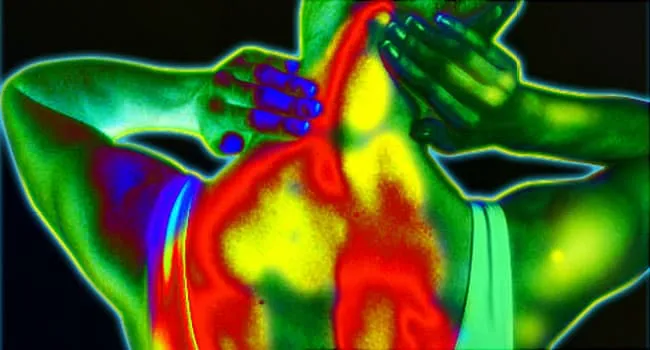
Hangxiety is anxiety that appears during or after a hangover. It may show up the morning after drinking, once blood alcohol levels have dropped or returned close to zero. Physically, it can overlap with classic hangover symptoms: headache, nausea, fatigue, thirst, shakiness, sweating, and a racing heart. Mentally, it can feel like nervousness, dread, guilt, irritability, panic, or obsessive replaying of the night before.
Some people describe it as “Sunday scaries, but with a headache.” Others feel embarrassed even when nothing embarrassing actually happened. The brain, unfortunately, does not always wait for evidence before starting a crisis meeting.
Common Hangxiety Symptoms
Hangover anxiety can look different from person to person, but common symptoms include:
- A racing heart or tight feeling in the chest
- Restlessness, jitteriness, or trouble sitting still
- Worry about what you said or did while drinking
- Irritability or emotional sensitivity
- Low mood, shame, or regret
- Trouble concentrating
- Sweating, trembling, or feeling physically “wired”
- Panic-like feelings, especially after heavier drinking
These symptoms can be uncomfortable, but they are also signals. Your body and brain are telling you that alcohol affected more than your hydration level. It affected the control panel.
Why Alcohol Can Trigger Anxiety the Next Day
Alcohol can feel relaxing at first because it changes the activity of chemical messengers in the brain. But the next-day rebound is where the plot twist arrives. The same substance that temporarily lowers your guard can later leave your nervous system feeling jumpy, depleted, and suspicious of everything.
1. Alcohol Changes Brain Chemistry
Alcohol affects neurotransmitters, including GABA and glutamate. GABA is associated with calming the nervous system, while glutamate is more stimulating. When drinking, alcohol can increase calming effects and slow certain brain activity. That is one reason people may feel more relaxed, less inhibited, or socially loose after drinking.
But the brain likes balance. After alcohol wears off, the nervous system may swing in the opposite direction. That rebound can leave some people feeling overstimulated, edgy, and anxious. Think of it like turning the music down too low, then the sound system overcorrecting and blasting static at 7 a.m.
2. Sleep Gets Messy, Even If You “Passed Out”
Alcohol can make people feel sleepy, but alcohol-related sleep is not the same as healthy, restorative sleep. It can disrupt sleep cycles, reduce sleep quality, and increase awakenings during the night. The result is a cruel little trick: you may spend enough hours in bed but wake up feeling like your brain was charging on a potato battery.
Poor sleep is strongly connected with anxiety. After a low-quality night of rest, your emotional regulation is weaker, your stress response is louder, and small worries can look like major disasters. That “Why did I say that?” thought hits much harder when your brain is sleep-deprived and dehydrated.
3. Stress Hormones May Rise
After drinking, the body can experience a stress-response rebound. Some people feel shaky, sweaty, alert, or panicky because their nervous system is in a higher-arousal state. The body is basically saying, “Something happened. I am not sure what. Everybody panic just in case.”
This is one reason hangxiety can feel physical before it feels emotional. A racing heart can make your mind search for a reason to be afraid. Then the mind says, “Ah yes, remember that conversation from last night? Let us analyze it for the next three hours.”
4. Dehydration and Electrolyte Changes Can Make Anxiety Feel Worse
Alcohol can increase urination, which may contribute to dehydration. Dehydration does not directly create every anxious thought, but it can intensify physical symptoms that resemble anxiety: dizziness, fatigue, dry mouth, headache, and a pounding heartbeat.
When your body feels off, your brain may interpret those sensations as danger. That is why hangxiety can become a loop: your body feels bad, your mind gets worried, the worry makes your body feel worse, and suddenly you are Googling “can embarrassment be terminal?”
5. Blood Sugar Can Dip
Alcohol can interfere with how the body manages blood sugar. Low or unstable blood sugar may contribute to weakness, shakiness, sweating, irritability, and anxiety-like feelings. If you drank without eating much, the effect can be stronger.
This is also why hangxiety sometimes comes with a strange mix of nausea and hunger. Your stomach says, “No food, please,” while your nervous system says, “We require toast immediately.” It is not elegant, but it is biology.
6. Your Memory May Be Patchy
Alcohol can affect memory formation, especially with heavier drinking. When memories are fuzzy, the brain may try to fill in the gaps. Unfortunately, the anxious brain is not a neutral detective. It is more like a conspiracy podcast with Wi-Fi.
If you cannot fully remember what happened, you may imagine the worst. Did you talk too much? Were you annoying? Did you overshare? Did your joke land, or did it crawl under the table and expire? Hangxiety often feeds on uncertainty, even when nothing truly bad happened.
Who Is More Likely to Get Hangxiety?
Anyone can experience hangover anxiety, but some people are more vulnerable than others. Risk can rise based on biology, mental health history, drinking pattern, sleep, stress level, and personal sensitivity to alcohol.
People With Anxiety or Depression
If you already live with anxiety, panic attacks, depression, or high stress, alcohol may intensify symptoms the next day. Drinking can temporarily numb discomfort, but it often does not solve the underlying stress. In some cases, it hands the stress a microphone the next morning.
People Who Drink Heavily or Quickly
The more alcohol affects the body, the more likely hangover symptoms become. Heavier drinking can increase dehydration, sleep disruption, stomach irritation, mood changes, and next-day nervous system rebound. Hangxiety tends to become more likely when alcohol intake moves beyond what the body can comfortably process.
People Who Are Sleep-Deprived or Stressed
If you drink after a week of poor sleep, skipped meals, deadlines, emotional drama, or general life chaos, your system may already be running on fumes. Alcohol adds another load. The next morning, your nervous system may have all the resilience of a wet paper bag.
People Who Feel Social Regret Easily
Some people are more prone to self-monitoring and social replay. If you naturally review conversations and worry how you came across, drinking can amplify that habit. Even harmless moments can feel suspicious under the fluorescent lighting of a hangover.
Is Hangxiety the Same as Alcohol Withdrawal?
Not always. Mild hangxiety after occasional drinking can be part of a hangover. However, anxiety can also be a symptom of alcohol withdrawal, especially in people who drink heavily or frequently. Withdrawal symptoms may include sweating, tremors, insomnia, nausea, agitation, headache, and anxiety.
This distinction matters. If someone needs alcohol in the morning to feel normal, experiences shaking when not drinking, cannot cut down, or continues drinking despite repeated problems, that may point to a larger issue such as alcohol use disorder. Severe withdrawal can be dangerous and requires medical care.
When to Seek Help Immediately
Seek urgent medical help if alcohol-related symptoms include confusion, seizures, fainting, trouble breathing, severe vomiting, chest pain, blue or pale skin, or inability to stay awake. These are not “sleep it off” situations.
It is also wise to talk with a doctor or mental health professional if hangxiety is intense, happens often, triggers panic attacks, worsens depression, or makes you feel dependent on alcohol to calm down.
How to Calm Hangxiety Safely
There is no magic reset button for hangxiety, despite what the internet’s more suspicious corners may promise. The goal is to support your body, reduce the anxiety spiral, and avoid making the situation worse.
Hydrate and Eat Something Gentle
Water can help with dehydration, and a simple meal or snack may help stabilize energy. Bland foods such as toast, rice, bananas, soup, eggs, or crackers are often easier on the stomach. You do not need a heroic brunch tower. Your digestive system is not auditioning for a food challenge.
Rest Instead of Over-Analyzing
If you slept badly, rest is part of recovery. A nap, quiet time, or a low-stimulation morning can help. This is not laziness; it is damage control for a nervous system that has been through a tiny nightclub-themed thunderstorm.
Use Grounding Techniques
When anxious thoughts spiral, bring attention back to the present. Try slow breathing, naming five things you can see, taking a warm shower, stepping outside for fresh air, or doing light stretching. These small actions remind the brain that the current moment is safe, even if last night’s karaoke choices remain legally questionable.
Do Not Use More Alcohol as a Fix
The “hair of the dog” idea may temporarily dull symptoms, but it can extend the cycle and increase risk. If anxiety improves only when drinking again, that is an important warning sign. Relief that depends on more alcohol is not real recovery; it is a delay with interest.
Be Careful With Caffeine
Coffee may sound heroic, but caffeine can worsen jitters, racing heart, and anxiety in some people. If you are already shaky or panicky, go easy. Your nervous system does not need to be launched into orbit.
How to Prevent Hangxiety
The only guaranteed way to prevent hangxiety is to avoid alcohol. For adults of legal drinking age who choose to drink, the risk generally increases with heavier alcohol use, poor sleep, drinking without food, and drinking during periods of high stress. Lower-risk choices include drinking less, avoiding binge drinking, eating regular meals, staying hydrated, and choosing alcohol-free plans when your mental health already feels fragile.
It can also help to notice patterns. Do certain drinks, settings, people, or emotional states lead to worse anxiety the next day? Does hangxiety happen after every night out or only after drinking past your limit? Tracking the pattern without judging yourself can reveal useful information.
Ask Better Questions Than “What Is Wrong With Me?”
Instead of attacking yourself, ask:
- Did I drink more than I intended?
- Was I already anxious before drinking?
- Did I sleep poorly?
- Did I skip dinner?
- Do I use alcohol to feel socially comfortable?
- Is this happening often enough to affect my life?
These questions are not about shame. They are about data. Your body is giving feedback, and hangxiety is one very annoying feedback form.
When Hangxiety Is a Bigger Signal
Occasional hangxiety can happen to many people. But repeated hangxiety deserves attention, especially if it affects work, school, relationships, sleep, or mental health. It may be a sign that alcohol is not fitting well with your brain, your body, or your current season of life.
Alcohol can also become a coping tool for anxiety. This can create a loop: you drink to feel less anxious, then feel more anxious the next day, then want to drink again for relief. That loop can become difficult to break without support.
Professional help is not only for “rock bottom.” In fact, getting help early is often easier and more effective. A primary care doctor, therapist, counselor, or substance use specialist can help you understand what is happening and build a safer plan.
Real-Life Examples of Hangxiety
The “Did I Say Something Weird?” Spiral
Imagine someone named Maya who has a few drinks at a birthday dinner. The night seems fun. The next morning, she wakes up with a headache and a single terrifying thought: “I talked too much.” She replays every conversation, checks her messages three times, and feels embarrassed even though her friends are sending laughing emojis and normal brunch plans.
Maya’s hangxiety is partly physical and partly social. Her body feels stressed, her sleep was poor, and her brain is searching for an explanation. The easiest target is social regret.
The “My Heart Is Racing” Morning
Now picture Chris, who wakes up after drinking with a pounding heart and sweaty hands. The physical sensations scare him, which makes his heart race more. Soon he worries he is having a panic attack. The anxiety did not start with a thought; it started with body symptoms.
For Chris, hydration, food, rest, and calming techniques may help in the short term. But if this happens repeatedly, it is a sign to reconsider alcohol use and speak with a healthcare professional.
The “I Drink to Relax, Then Feel Worse” Cycle
Then there is Jordan, who drinks on stressful nights to unwind. It works briefly. But the next day, Jordan feels anxious, guilty, and mentally foggy. By evening, the idea of another drink sounds like relief. This pattern is worth taking seriously because alcohol is starting to act like both the temporary solution and the recurring problem.
500-Word Experience Section: What Hangxiety Feels Like in Everyday Life
Hangxiety is strange because it often feels personal, even when it is biological. The morning after drinking, people may not think, “My neurotransmitters, sleep cycle, hydration, and blood sugar are having a rough group project.” Instead, they think, “I am a terrible person, my friends are annoyed, and I should move to a cabin where nobody has my phone number.”
One common experience is waking up too early. The room is quiet, the phone is nearby, and the body feels weirdly alert despite being exhausted. This is the classic hangxiety contradiction: tired but wired. The person may lie in bed while the mind starts scrolling through memories from the night before. A harmless joke becomes “too loud.” A normal conversation becomes “awkward.” A delayed text reply becomes “proof that everyone hates me.” Anxiety is not known for its fair courtroom procedures.
Another common experience is checking the phone like it contains classified documents. People reread texts, inspect social media posts, look for missed calls, and try to reconstruct the evening. Sometimes everything is fine, but the checking continues because anxiety wants certainty. The problem is that certainty rarely satisfies anxiety for long. It asks for one more check, then one more, like a raccoon with Wi-Fi.
Hangxiety can also make ordinary responsibilities feel enormous. A simple email, grocery trip, or family conversation may feel impossible because the brain is already overloaded. The person may cancel plans, hide under blankets, or promise themselves they will “never drink again.” That promise may be sincere in the moment, but if the pattern repeats, it becomes important to move from guilt to strategy. Shame alone is not a plan.
Social hangxiety can be especially sticky. People may worry that they were annoying, emotional, flirty, boring, dramatic, or too honest. In reality, most friends are thinking far less about the night than the anxious person imagines. They are probably busy dealing with their own headache, laundry, or breakfast sandwich negotiations. Still, the anxious brain tends to spotlight the self and assume everyone else is watching the replay in high definition.
The recovery experience often improves when people treat hangxiety as a body-brain event rather than a moral failure. Drinking alcohol can disrupt the systems that help people feel steady. So the next day, the goal is not to punish yourself. The goal is to reduce the load: hydrate, eat gently, rest, breathe, avoid doom-scrolling, and give your nervous system a calmer environment.
Over time, the most useful experience is pattern recognition. Some people discover that hangxiety only appears after heavy drinking. Others notice it happens with even small amounts of alcohol, especially during stressful weeks. Some realize that alcohol no longer feels worth the emotional cost. That realization can be empowering. You are allowed to change your relationship with alcohol, take breaks, choose alcohol-free events, or ask for help. A peaceful morning is a deeply underrated luxury.
Conclusion: Hangxiety Is a Message, Not a Character Flaw
Hangxiety can feel mysterious, but it has real physical and psychological roots. Alcohol can disrupt brain chemistry, sleep, hydration, blood sugar, digestion, and stress response. Add fuzzy memories or social regret, and the next morning can feel like your brain hired a tiny prosecutor.
The good news is that hangxiety can be understood, reduced, and prevented. The safest prevention is avoiding alcohol, and for adults who legally drink, drinking less and avoiding heavy drinking can lower the risk. If hangxiety is frequent, severe, or tied to feeling unable to control alcohol use, it is not something to laugh off. It is a reason to get support.
Your body is not betraying you. It is giving you information. Listen to it before it has to shout.