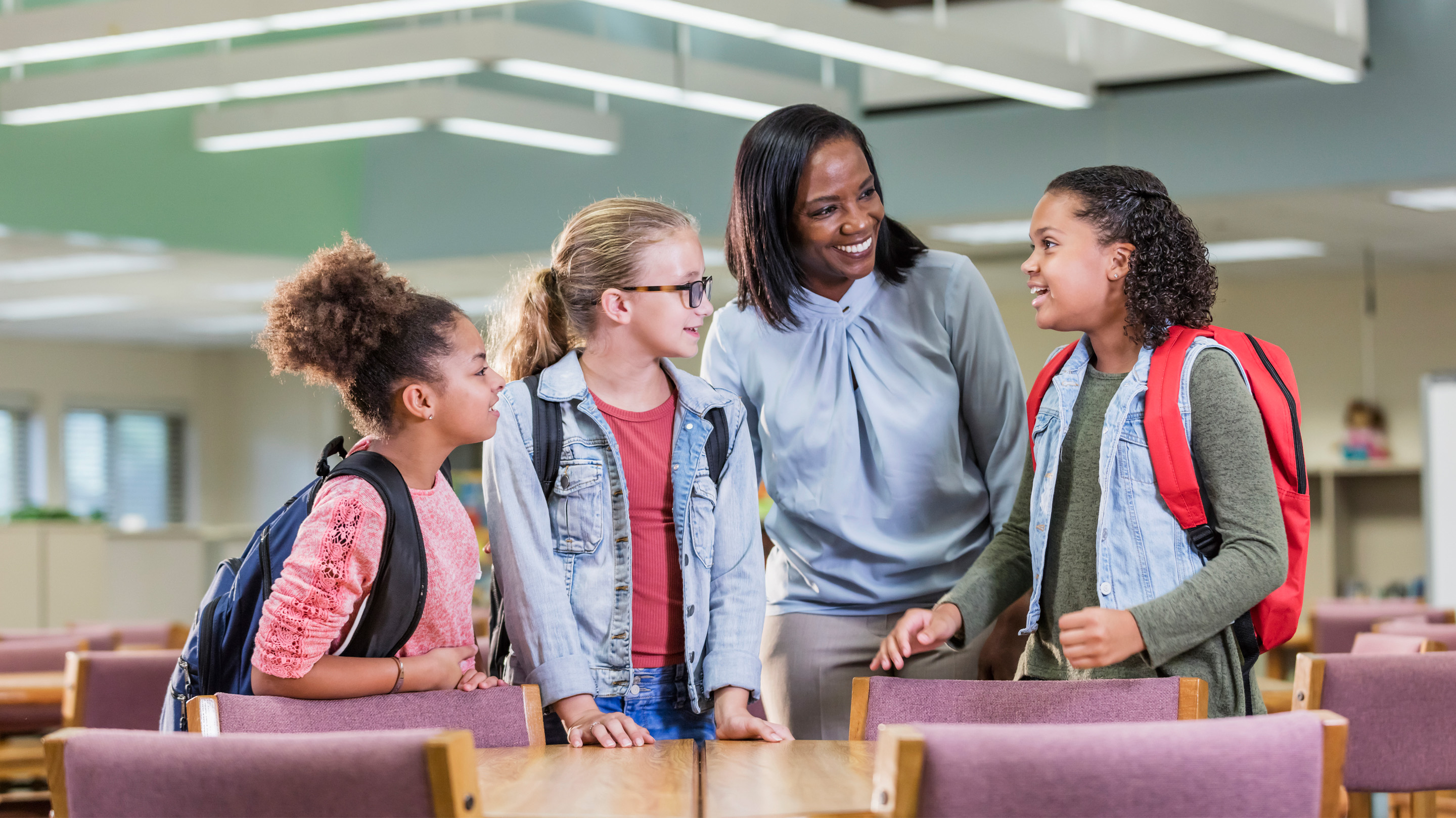

A positive school culture does not appear because someone printed a motivational poster, laminated it, and hoped the hallway would magically become kinder by Tuesday. It is built on purpose. It grows from the way adults greet students, the way teachers collaborate, the way families are welcomed, the way mistakes are handled, and the way every student learns, “I belong here.”
Creating a positive school culture is one of the most powerful school improvement strategies because it affects almost everything: student behavior, attendance, academic motivation, teacher morale, family trust, and the overall feeling people get when they walk through the front doors. A school can have a shiny building, clever technology, and a mascot with impressive dance moves, but if students feel invisible or staff feel unsupported, the culture still needs work.
At its best, school culture becomes the quiet engine of learning. It tells students that effort matters. It tells teachers that they are not alone. It tells families that they are partners, not outsiders holding permission slips. Most importantly, it turns school from a place students have to attend into a community where they are known, challenged, supported, and celebrated.
What Is Positive School Culture?
Positive school culture is the shared set of values, behaviors, expectations, relationships, traditions, and daily habits that shape life inside a school. It is not the same as school climate, although the two are closely connected. School climate is how the school feels right now: safe or tense, welcoming or cold, organized or chaotic. School culture is deeper. It is the “how we do things here” part of school life.
For example, a school may say it values respect. That is a statement. A positive culture proves it through action: students are taught what respectful disagreement looks like, teachers model calm communication, administrators listen before judging, and families receive information in ways they can actually use. Culture is not what is written in the handbook. Culture is what happens when the handbook is sitting unread in a drawer.
Why a Positive School Culture Matters
Students learn best when they feel safe, connected, and respected. That does not mean school should be easy every minute. Real learning can be challenging, awkward, and occasionally accompanied by the facial expression of a student meeting algebra for the first time. But challenge works best when students believe adults are on their side.
A healthy school culture supports academic achievement because students are more willing to take learning risks. They ask questions. They revise work. They participate in discussions. They recover from mistakes instead of hiding from them. When students feel known by adults and connected to peers, they are more likely to show up, engage, and keep trying even when the assignment looks like it was invented by a committee of caffeinated owls.
Positive culture also supports teachers. Educators thrive in schools where collaboration is normal, leadership is clear, communication is honest, and professional learning is useful rather than another meeting that could have been an email wearing a lanyard. When staff members feel respected and trusted, they are more likely to bring energy, creativity, and consistency to students.
Start With Shared Values, Not Slogans
Every positive school culture begins with shared values. These values should be simple enough for a kindergartner to understand and strong enough for adults to use when making tough decisions. Words such as respect, responsibility, belonging, courage, curiosity, kindness, and excellence can be useful, but only if the school defines what they look like in real life.
Turn Values Into Visible Behaviors
If a school says “respect” is a core value, the community should know what respect looks like in the classroom, cafeteria, bus line, athletic field, office, and online learning space. Students need examples, practice, reminders, and feedback. Adults need the same thing, although we usually pretend we came pre-installed with perfect communication skills. Spoiler: we did not.
One practical strategy is to create a schoolwide expectation matrix. For example, “Be respectful” in the hallway might mean walking safely, using a calm voice, and keeping hands to yourself. In class, it might mean listening when others speak, using appropriate language, and disagreeing with ideas without insulting people. This helps students understand expectations instead of guessing what each adult wants.
Build Relationships Before You Need Them
Strong relationships are the backbone of positive school culture. Students are more likely to respond to correction from adults who have already shown interest in them as people. A student who has been greeted by name, asked about soccer practice, praised for effort, and treated fairly is more likely to believe, “This adult wants me to succeed,” even when the conversation is about behavior.
Relationship-building does not require grand speeches or dramatic movie soundtrack moments. It often looks ordinary: standing at the door, learning names quickly, noticing who seems quiet, checking in after an absence, celebrating small improvements, and listening without immediately launching into a lecture. The little moments are not little to students.
Create Systems for Connection
Schools should not leave connection to chance. Advisory periods, mentor programs, morning meetings, student check-ins, peer leadership groups, and small learning communities can help every student have at least one trusted adult. A useful question for school leaders is: “Can every student name an adult in this building who knows them well?” If the answer is no, the culture plan has a clear starting point.
Make Safety and Belonging Non-Negotiable
A positive school culture must be physically, emotionally, and socially safe. Students need to know that bullying, discrimination, harassment, and humiliation are not ignored or handled with a shrug and a clipboard. Safety also means students can ask for help, admit confusion, and be themselves without fear of ridicule.
Belonging is not the same as everyone being best friends. Schools are not required to become one giant friendship bracelet. Belonging means students feel included, respected, and valued in the learning community. It means a student can walk into a classroom and feel, “There is a place for me here, and my success matters.”
Fair Discipline Builds Trust
Discipline should teach, not simply punish. Clear expectations, consistent routines, restorative conversations, and positive behavior supports can reduce confusion and resentment. Students should understand what happened, why it matters, how to repair harm, and what to do differently next time.
This does not mean removing consequences. A positive school culture is not a consequence-free vacation resort with homework. It means consequences are fair, predictable, respectful, and connected to learning. When discipline is inconsistent, students may focus more on whether adults are fair than on how to improve their behavior.
Use Positive Behavior Supports the Right Way
Positive Behavioral Interventions and Supports, often called PBIS, can help schools create predictable expectations and reinforce positive behavior. The strongest PBIS approaches are not just about tickets, points, or prizes. They are about teaching behavior the same way schools teach reading or math: explicitly, repeatedly, and with feedback.
A school using positive behavior supports well might teach hallway expectations at the beginning of the year, reteach them after long breaks, recognize classes that improve, and use behavior data to spot problem areas. If referrals spike during lunch, the answer may not be “students these days.” It may be that lunch routines need clearer procedures, more adult presence, or a better traffic flow. Sometimes culture improvement begins with moving the ketchup table. Education is glamorous like that.
Give Students Real Voice and Responsibility
Students are not just recipients of school culture; they help create it. When students have meaningful voice, they become partners in improving the school. This can include student advisory councils, classroom feedback surveys, peer mentoring, leadership roles, service projects, and student-led conferences.
Real student voice goes beyond asking students to vote on spirit day themes, although pajama day is clearly a national treasure. It means asking students what helps them feel safe, what makes learning meaningful, where they see unfairness, and how school routines could improve. Then adults must do the brave part: listen, respond, and act when possible.
Make Leadership Inclusive
Student leadership should not belong only to the loudest, most confident, or most traditionally successful students. Schools should create leadership opportunities for students who are quiet, multilingual, creative, new to the school, learning with disabilities, or still developing confidence. A positive school culture grows stronger when more students see themselves as contributors.
Support Teachers Like Culture Depends on ItBecause It Does
Students feel the adult culture of a school even when no one explains it to them. If staff members are exhausted, divided, or afraid to speak honestly, students notice. If adults collaborate, solve problems, laugh together, and treat one another with respect, students notice that too.
Teacher collaboration should be protected, purposeful, and connected to student learning. Professional learning communities, grade-level teams, department meetings, and coaching cycles can help teachers share strategies, analyze student work, and plan interventions. But collaboration needs structure. A meeting without a clear purpose can quickly become a group of tired adults discussing the copier, the schedule, and why the staff refrigerator has developed its own ecosystem.
Recognize Staff Effort
Positive culture includes adult appreciation. Leaders can build morale by noticing strong instruction, celebrating teamwork, protecting planning time, reducing unnecessary paperwork, and asking teachers what support they actually need. Recognition does not have to be fancy. A specific thank-you can do more than a generic “You rock!” email blasted to everyone at 4:57 p.m. on Friday.
Partner With Families and the Community
Family engagement is a core part of positive school culture. Families should feel welcomed, informed, and respected. This requires more than inviting parents to events and hoping they appear with cookies. Schools need two-way communication, flexible meeting options, translation support when needed, and genuine respect for family knowledge.
Families know students in ways schools may not. They understand history, strengths, concerns, responsibilities, culture, and dreams. When educators treat families as partners, schools can respond more wisely to student needs. A parent who feels respected is more likely to share important information early, support school goals, and trust the school during difficult moments.
Make Communication Clear and Human
Positive school culture is strengthened by communication that is timely, plain, and useful. Families should not need a decoder ring to understand school messages. Use clear subject lines, short updates, consistent platforms, and friendly language. Also, contact families for good news, not only when something has gone wrong. A positive phone call home can make a student stand a little taller the next day.
Celebrate Progress, Not Just Perfection
Celebration is not fluff. It is fuel. Schools should celebrate academic growth, kindness, attendance improvement, teamwork, creativity, leadership, perseverance, and service. The key is to recognize behaviors and values the school wants to see more often.
Celebrations can be simple: shout-outs during announcements, student work displays, kindness walls, growth certificates, classroom compliments, family notes, staff appreciation boards, or assemblies that highlight effort rather than only trophies. When celebration is specific, it teaches. “Great job being kind” is nice. “I noticed you invited a new student to join your group and explained the activity clearly” is culture-building gold.
Measure School Culture With More Than a Vibe Check
Leaders should gather evidence about school culture. Surveys, attendance patterns, discipline data, student focus groups, family feedback, staff retention, classroom observations, and participation in activities can reveal what is working and what needs attention.
Data should be used to improve, not embarrass. If students report that they do not feel connected to adults, the school can create advisory systems or check-in routines. If families say communication is confusing, the school can simplify its process. If teachers say collaboration time is often interrupted, leaders can protect it. A positive school culture listens to evidence and adjusts without panic.
A Practical Plan for Creating a Positive School Culture
1. Define the Culture You Want
Begin with a small set of shared values. Involve students, staff, and families in naming what matters most. Keep the language simple and memorable. A school culture plan with 17 values, 42 goals, and a chart that requires zooming is not a plan; it is a cry for help in spreadsheet form.
2. Teach Expectations Explicitly
Do not assume students automatically know what responsibility, respect, or collaboration looks like in every setting. Teach expectations, model them, practice them, and revisit them after breaks or transitions.
3. Create Daily Relationship Routines
Build connection into the schedule. Use greetings, advisory circles, classroom check-ins, peer collaboration, and adult mentoring. Culture improves when belonging becomes routine rather than random.
4. Align Adult Behavior
Adults must model the culture they expect from students. If the school values respectful communication, staff meetings, emails, hallway conversations, and discipline conferences should reflect that value.
5. Use Data and Feedback
Collect information from students, staff, and families. Look for patterns. Choose a few priorities. Then act visibly so people know their feedback mattered.
6. Protect Collaboration Time
Teachers need time to plan, solve problems, share strategies, and support one another. Strong adult collaboration creates stronger student experiences.
7. Celebrate What You Want to Grow
Recognize effort, kindness, improvement, attendance, leadership, and academic growth. Celebration should be meaningful, fair, and connected to the school’s values.
Common Mistakes Schools Should Avoid
One common mistake is treating culture as a one-time initiative. A kickoff assembly may create excitement, but it will not transform a school by itself. Culture is built through repeated actions over time.
Another mistake is focusing only on student behavior while ignoring adult culture. If teachers feel unsupported or communication among adults is unhealthy, students will experience the effects. A positive school culture must include the staff room, the front office, the playground, the cafeteria, and every leadership decision.
A third mistake is confusing positivity with pretending problems do not exist. Healthy schools do not smile their way around conflict. They address it honestly, respectfully, and constructively. Positivity is not denial with a bulletin board border. It is the belief that problems can be solved together.
Experiences Related to Creating a Positive School Culture
One of the most powerful experiences related to creating a positive school culture is seeing how small, consistent actions change the mood of an entire building. Imagine a middle school where the morning used to begin with students drifting through the doors half-awake, adults rushing past them, and the first real interaction of the day often being, “Take off your hood” or “Where is your pass?” Nothing terrible, perhaps, but not exactly the opening scene of a community that says, “We are glad you are here.”
Then the school makes a simple shift. Every adult takes a doorway, hallway corner, or entry point for ten minutes. Students are greeted by name. A teacher asks about a basketball game. A counselor notices a student who looks upset and quietly checks in. The principal stands near the entrance, not as a security statue, but as a visible, smiling human being. At first, students may act unimpressed because middle school students are contractually obligated to look unimpressed. But after a few weeks, the building feels different. Students arrive expecting to be seen.
Another real-world experience many educators recognize is the difference between rules posted on walls and expectations lived by everyone. In one classroom, the rule says, “Be respectful,” but students still interrupt, roll their eyes, and talk over one another. In another classroom, the teacher spends time teaching discussion habits: how to agree, disagree, add evidence, ask a follow-up question, and repair a rude comment. The second room is not magically perfect. No classroom is. But students have tools. The culture becomes more academic, more civil, and less dependent on the teacher playing referee every seven seconds.
Positive culture is also visible in how schools handle mistakes. A student who disrupts class can be removed, scolded, and returned with no plan, which often guarantees a sequel. Or the school can combine accountability with reflection: What happened? Who was affected? What needs to be repaired? What support will help next time? This approach does not excuse behavior. It teaches responsibility. Students learn that mistakes have consequences, but they also learn that they are not permanently defined by one bad moment.
Family experiences matter too. A school may believe families are disengaged when, in reality, communication is confusing, meetings are scheduled at impossible times, or families only hear from school when something goes wrong. When schools send positive messages, offer flexible ways to participate, translate key information, and ask families for insight, trust grows. A parent who once avoided school events may become a regular partner simply because someone finally made the invitation feel genuine.
Staff experiences may be the most overlooked. Teachers can promote belonging for students only when they are not running on fumes. A school culture improves when leaders protect planning time, reduce unnecessary noise, and create space for teachers to learn from one another. When a new teacher can ask for help without feeling judged, when veteran teachers are invited to lead without being overloaded, and when staff meetings focus on real student needs, the adult culture becomes healthier. Students benefit from that immediately, even if they never see the behind-the-scenes work.
The lesson from these experiences is clear: creating a positive school culture is not about one perfect program. It is about hundreds of repeated signals that tell people, “You matter here.” The greeting at the door, the fair consequence, the thoughtful lesson, the family phone call, the teacher collaboration block, the student leadership meeting, and the celebration of progress all add up. Culture is built in ordinary moments until those moments become the school’s identity.
Conclusion
Creating a positive school culture is both a leadership responsibility and a community effort. It requires shared values, strong relationships, consistent expectations, fair discipline, student voice, family partnership, teacher support, and a willingness to keep improving. It is not built overnight, and it cannot be copied perfectly from another school. Every community has its own strengths, challenges, traditions, and needs.
The good news is that positive culture does not require perfection. It requires intention. A school can begin with one hallway routine, one advisory period, one better family communication habit, one stronger teacher team, or one student voice project. Small improvements, repeated with care, become powerful over time.
When students feel safe, teachers feel supported, and families feel welcomed, school becomes more than a building with bells. It becomes a community where people learn, grow, repair, celebrate, and belong. That is the heart of a positive school cultureand yes, it is much more effective than another motivational poster. Although, to be fair, a good poster never hurt anybody.
Note: This article synthesizes evidence-informed guidance from reputable U.S. education organizations and research-based school improvement practices, including school climate, social-emotional learning, positive behavior supports, family engagement, staff collaboration, student connectedness, and whole-child education.