
Some internet challenges ask you to balance a broom, bake sourdough, or pretend your Monday is “going great.” This one is better: draw a picture of your pet and post it with a photo. That’s it. No art degree required. No gallery lighting. No need to understand what “negative space” means, although your cat has probably been creating negative space emotionally since breakfast.
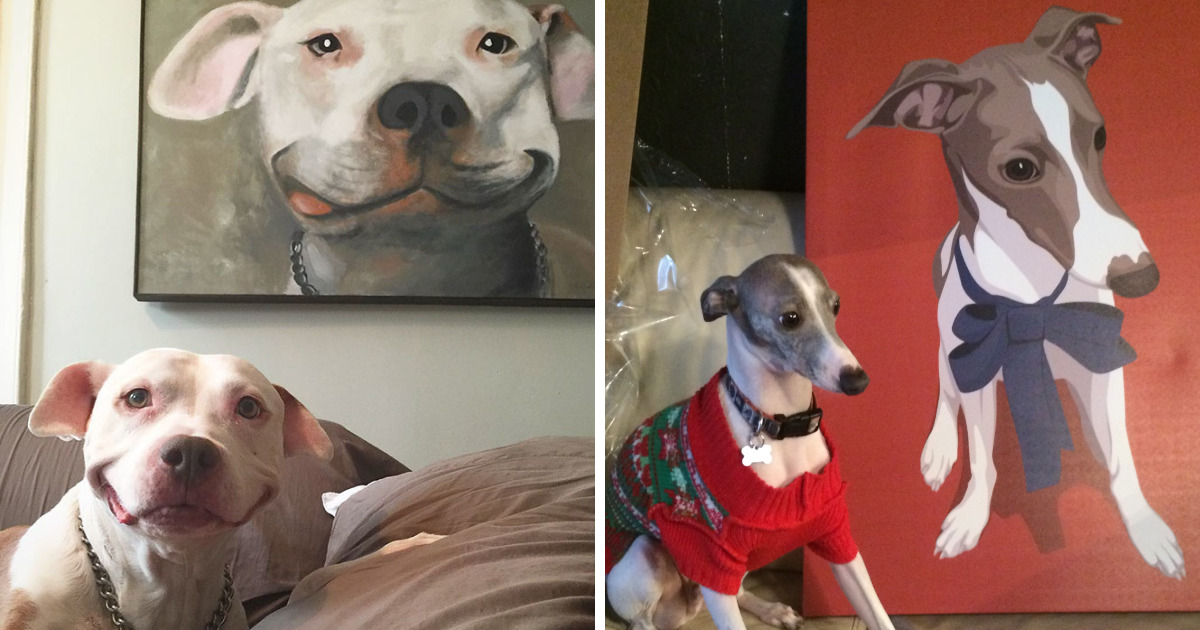
The idea is simple, charming, and surprisingly powerful. You take a real photo of your dog, cat, rabbit, bird, hamster, lizard, or suspiciously judgmental goldfish. Then you create your own drawing based on that photo. Finally, you share both side by side so everyone can enjoy the comparison: the noble original and the handmade masterpiece that may or may not look like a potato wearing ears.
But behind the fun is a genuinely useful creative exercise. Pet portrait drawing helps beginners practice observation, line, shape, proportion, texture, and patience. Pet photography teaches lighting, timing, composition, and the ancient survival skill of getting an animal to look in the general direction of your phone for one glorious second. Together, this challenge blends art, humor, memory-making, and community participation into one low-pressure creative activity.
Why This Pet Drawing Challenge Works So Well
People love pet content because pets are naturally expressive. A dog’s head tilt can carry more emotional range than an entire prestige drama. A cat sitting in a cardboard box can look like royalty in exile. A parrot can stare into the camera like it knows your search history. When you invite people to draw their pets, you are not just asking them to make art. You are asking them to celebrate a personality.
Art challenges are popular because they give people a clear prompt, a deadline-free sense of purpose, and a reason to share. Many artists use creative challenges to build habits, improve skills, and connect with others. The beauty of a pet portrait challenge is that the subject is already meaningful. You are not drawing “a random animal.” You are drawing the furry roommate who steals your blanket, the rescue dog who learned to trust again, or the cat who believes gravity is optional when glassware is nearby.
How To Join The Challenge
Step 1: Choose Your Pet Photo
Pick a clear photo where your pet’s face, body shape, or signature pose is easy to see. Close-up photos often work best because faces tell the story. A simple background helps keep the focus on your pet instead of the laundry pile, mystery sock, or half-eaten sandwich in the corner.
Natural light is your best friend. Try taking the photo near a window or outside in soft shade. Harsh sunlight can create strong shadows, while dim indoor light may turn your pet into a blurry cryptid. If your pet is active, take several photos. Professional pet photographers and shelter photography guides often recommend patience, good lighting, and lots of shots because animals rarely follow the creative brief.
Step 2: Look For Big Shapes First
Before drawing whiskers, fur, spots, feathers, or that one dramatic eyebrow marking your dog uses for emotional manipulation, start with simple shapes. Is the head round, oval, boxy, or triangular? Is the body long like a loaf of bread, compact like a muffin, or stretched like a yoga instructor with paws?
Breaking an animal into basic shapes makes the drawing less intimidating. Many art instructors teach beginners to block in the largest forms first because structure matters more than tiny details at the beginning. A good pet portrait does not start with one perfect eyelash. It starts with the right overall shape.
Step 3: Add Personality, Not Perfection
The best pet drawings are not always the most realistic ones. Sometimes the magic is in the personality. Maybe your cat’s ears are slightly too large in your sketch, but the expression says, “I have never been fed in my entire life,” which is clearly accurate even though dinner happened nine minutes ago. Maybe your dog’s paws look like marshmallows, but the tail energy is perfect.
Gesture drawing is useful here. Instead of obsessing over every detail, try capturing the attitude of the pose. Is your pet sleepy, chaotic, elegant, dramatic, suspicious, or proud of eating something forbidden? A drawing that captures personality will feel alive, even if the proportions are a little wobbly.
Pet Photography Tips For A Better Reference Photo
Get Down To Their Level
Photos taken at your pet’s eye level often feel more personal and engaging. Instead of shooting down from above, kneel, sit, or lie on the floor. Yes, this may result in your dog licking the lens or your cat walking away because you became too available. That is part of the artistic process.
Use A Simple Background
A plain wall, blanket, rug, patch of grass, or clean floor can work beautifully. The goal is to make your pet the star. A cluttered background can distract from the subject, especially when the final image will be compared with your drawing.
Take Many Photos
One photo may catch a blink. Ten photos may catch a sneeze. Fifty photos may finally catch the exact expression that says, “Yes, I am majestic, and yes, I did chew the charger.” Taking multiple shots gives you options, and options are priceless when your model is a creature who responds to “sit” by reconsidering the meaning of authority.
Respect Your Pet’s Mood
A good challenge should be fun for people and safe for animals. Do not force costumes, poses, or stressful setups. Use treats, toys, breaks, and calm energy. If your pet seems uncomfortable, stop and try later. The internet can wait. Your pet’s comfort comes first.
Beginner Drawing Tips For Pet Portraits
Start With Pencil Or Digital Sketching
You can use pencil and paper, colored pencils, markers, watercolor, charcoal, Procreate, Photoshop, or whatever tool is already within reach. This challenge is not about expensive materials. A school pencil and notebook paper can create a hilarious, sweet, and memorable portrait.
Focus On The Eyes
Eyes often carry the emotional center of a pet portrait. Draw them carefully, even if the rest of the sketch stays loose. Notice the shape, highlight, eyelid angle, and spacing. A tiny white highlight can make an eye look glossy and alive. Without it, your pet may appear to be plotting a tax audit.
Suggest Fur Instead Of Drawing Every Hair
Trying to draw every strand of fur is a fast road to artistic exhaustion. Instead, use clusters of lines, soft shading, and directional marks. Look at how the fur flows around the face, ears, chest, and paws. Short fur needs smaller, smoother marks. Long fur can use layered strokes. Curly fur? Good luck, brave champion. Keep it loose and trust the texture.
Use Contrast To Make The Drawing Pop
Light and shadow help create form. If everything is the same gray tone, the drawing may look flat. Darken the deepest shadows, keep highlights clean, and use midtones to connect the shapes. Even a simple black-and-white pet sketch can look strong when the values are clear.
Funny Pet Drawing Ideas To Make The Challenge More Shareable
If you want your post to stand out, add a creative twist. Draw your pet as a tiny king, a space explorer, a detective, a chef, a pirate, or the CEO of a company that sells only squeaky toys. You can also draw the photo exactly as it appears, especially if the original picture is already ridiculous.
Here are a few fun angles:
- Draw your pet in five minutes and embrace the chaos.
- Create a “realistic version” and a “cartoon version.”
- Draw only your pet’s most dramatic expression.
- Turn your pet’s photo into a fake movie poster.
- Make a side-by-side “photo vs. masterpiece” comparison.
- Ask friends to guess your pet’s mood based on your drawing.
Humor helps people participate without feeling judged. When the challenge is funny, beginners are more likely to post. Nobody has to pretend their first sketch belongs in a museum. Although, to be fair, some museums have very confusing paintings, so maybe your hamster portrait has a chance.
Why Posting The Photo With The Drawing Matters
The side-by-side format is the heart of the challenge. The original photo gives context, while the drawing shows interpretation. People can see what details the artist noticed: the floppy ear, the round belly, the fierce little eyes, the heroic tail, the dramatic paw placement. The comparison also makes the post more interactive because viewers naturally look back and forth between the two images.
This format works well for social media because it creates an instant story. A single pet photo is cute. A single drawing is charming. Together, they become a mini before-and-after reveal. The viewer gets to enjoy both the real pet and the creative translation. It is wholesome, funny, and highly comment-friendly.
How This Challenge Builds Community
Pet art challenges invite people of all skill levels. A professional illustrator can create a polished portrait, while a beginner can post a wiggly doodle with the caption, “I tried.” Both belong. In fact, the beginner drawings are often the most loved because they feel honest and playful.
Community challenges also encourage positive engagement. Instead of arguing about the usual internet topics, people can cheer for a dachshund sketch, praise a child’s drawing of a guinea pig, or laugh at a cat portrait that somehow looks like a Victorian landlord. This kind of shared creativity creates a friendly space where the goal is participation, not perfection.
Pet Portraits As Memory-Making
Drawing your pet can become more than a challenge entry. It can become a keepsake. Pets are part of family life, daily routines, and personal memories. A drawing captures something a photo alone may not: your attention, your affection, your hand, your interpretation. Even a silly sketch can become meaningful because it records a moment of connection.
This is especially true for older pets or rescue animals. A simple portrait can celebrate their journey, quirks, and comfort at home. Maybe your senior dog sleeps more now, but your drawing captures the same gentle eyes. Maybe your rescue cat still hides from strangers, but your sketch shows the relaxed loaf position that means trust. These details matter.
Common Mistakes And How To Fix Them
The Head Looks Too Big
This is common, and honestly, sometimes accurate. Many pets do have cartoonishly large heads when viewed from certain angles. Still, compare the head size to the body before adding details. Lightly sketch first so you can adjust proportions.
The Eyes Look Uneven
Draw a faint guideline across the face to align the eyes. Check the angle of the head in the photo. If your pet is turned slightly, one eye may appear smaller or higher than the other.
The Fur Looks Like Spaghetti
Use shorter strokes and follow the direction of the fur. Group the texture into sections instead of drawing random lines everywhere. Think “soft layers,” not “haunted noodles.”
The Drawing Feels Flat
Add stronger shadows under the chin, ears, body, or paws. Preserve highlights on the nose and eyes. Contrast gives the portrait depth and makes the pet feel more three-dimensional.
500-Word Experience Section: What This Challenge Feels Like In Real Life
The first time someone tries the “draw your pet and post it with a photo” challenge, there is usually a moment of confidence followed immediately by betrayal. You look at your pet and think, “How hard can this be?” Then you draw the first circle for the head and realize your beloved golden retriever now resembles a confused pancake.
That is exactly why the challenge is fun. It turns art into an experience rather than a performance. You begin by studying your pet more closely than usual. You notice how the ears are not symmetrical, how the nose has a tiny shine, how the paws turn outward, how the fur changes direction around the forehead. You may have lived with this animal for years, but drawing makes you see them again.
Taking the reference photo becomes its own comedy show. The dog moves the second you press the button. The cat refuses to face the light because she has entered her mysterious window era. The rabbit looks perfect until you realize the background includes a laundry basket that has developed its own ecosystem. Eventually, you get one good photonot perfect, but full of personality.
Then comes the drawing. At first, the sketch may look nothing like your pet. This is normal. Many drawings go through an awkward stage where they resemble a woodland creature invented by a tired committee. But as you add the eyes, darken the nose, shape the ears, and place the markings, something familiar begins to appear. It may not be realistic, but it starts to feel like your pet.
Posting the photo and drawing together is the brave part. There is a tiny fear that people will judge the artwork. Instead, most people respond with delight. They notice the effort. They laugh at the expression. They say the drawing captured the pet’s attitude. Someone may comment, “That is exactly how your cat looks when she is disappointed in humanity.” That is a successful portrait.
The best part is that the challenge welcomes every style. A childlike doodle can be just as charming as a polished digital painting. A quick sketch can feel more alive than a careful rendering. The goal is not to prove artistic greatness. The goal is to participate, observe, laugh, and share a little affection for the animals who make ordinary days better.
In the end, the drawing becomes a small record of attention. You spent time looking closely at your pet, noticing details, and turning them into lines and shapes. That effort matters. Whether your final picture looks like a gallery portrait or a potato with whiskers, it says, “I love this creature enough to draw them.” And really, that is the whole challenge in one sentence.
Final Thoughts
The “Challenge: Draw A Picture Of Your Pet And Post It Here With A Photo” trend is more than a cute social post idea. It is a beginner-friendly art exercise, a pet photography project, a community builder, and a memory-making activity all rolled into one. It gives people permission to be creative without pressure. It celebrates pets not as perfect models, but as expressive companions with quirks worth noticing.
So choose a photo, grab a pencil or tablet, and draw the pet who runs your home with tiny paws and enormous confidence. Share the picture beside the original photo. Let people laugh, smile, comment, and maybe join in. The internet has enough noise. A page full of pet portraits is exactly the kind of chaos we can all support.
Note: This article is designed for web publishing and encourages safe, respectful participation. Always prioritize your pet’s comfort when taking photos, and keep the challenge friendly for artists of every skill level.