
Editorial note: This article provides general U.S.-focused safety information and is not legal advice. It synthesizes public guidance from U.S. justice, victim-support, registry, trafficking, and child-safety resources, including NSOPW, USA.gov, FBI, RAINN, DHS, NCMEC-related guidance, OVC, VictimConnect, and state registry materials.
Reporting a sex offender can feel intimidating, especially when you are not sure whether to call the police, contact a registry office, use an online tip line, or ask a victim advocate for help. The good news: you do not need to be a lawyer, detective, or human spreadsheet to take the right first step. You just need to know what kind of situation you are dealing with and who is best equipped to respond.
In the United States, “reporting a sex offender” can mean several different things. You may be reporting a new crime, a possible registry violation, suspicious contact with a child, online exploitation, sex trafficking, harassment, or information showing that a registered person is living or working somewhere different from what the registry says. Each situation has a different best reporting path, and choosing the right one helps authorities act faster.
This guide explains nine practical steps for reporting safely, calmly, and effectively. No dramatic movie music required. Just clear information, smart documentation, and the right contact point.
Step 1: Decide Whether It Is an Emergency
If someone is in immediate danger, call 911. This includes a person being threatened, followed, trapped, assaulted, coerced, or placed at risk right now. Emergency services are designed for urgent situations where waiting could create harm.
Do not try to confront a suspected offender yourself. That might feel brave in the moment, but it can put you, the potential victim, witnesses, or future evidence at risk. Even federal human trafficking guidance warns people not to confront suspected traffickers directly and instead to contact law enforcement or emergency services when danger is present.
Use 911 when:
- A child, teen, or adult appears to be in immediate danger.
- You witness threatening or abusive behavior happening now.
- A person is violating a protective order or supervision condition in a way that creates danger.
- You believe someone is being trafficked or prevented from leaving safely.
For non-emergency concerns, use your local police department’s non-emergency number, sheriff’s office, state registry unit, or the specialized reporting channels explained below.
Step 2: Identify What You Are Actually Reporting
Before making a report, take a breath and define the issue. This helps you avoid the “I have a bad feeling and twelve browser tabs” problem. A clear report is easier for authorities to assess.
You may be reporting one of these situations:
- A new crime: suspected sexual assault, abuse, stalking, harassment, trafficking, or exploitation.
- A registry violation: a registered offender may have failed to update an address, job, school, vehicle, name, or other required information.
- Incorrect registry information: a listed address, workplace, or school appears outdated or inaccurate.
- Online child exploitation: grooming, coercion, sexual extortion, or illegal images involving a minor.
- Sex trafficking concerns: a person may be forced, threatened, manipulated, or controlled in connection with commercial sex.
- School, campus, workplace, or neighborhood safety concerns: a person’s conduct may violate policy or create a risk that should be reviewed.
This distinction matters because a registry violation may go to local law enforcement or a state registry office, while online child exploitation should be reported through specialized child-safety channels such as NCMEC’s CyberTipline or FBI guidance for crimes against children.
Step 3: Gather Useful Information Without Investigating Like a TV Detective
You do not need a perfect case file. You need accurate, relevant details. Think “helpful witness,” not “midnight vigilante with a corkboard.”
Write down what you know:
- The person’s name, aliases, or username, if known.
- Physical description, vehicle description, license plate, or public profile details.
- Address, workplace, school, or location where the concern happened.
- Date, time, and place of the incident or observation.
- Names of witnesses, if any.
- Screenshots, URLs, account handles, messages, or call logs, if relevant and safe to preserve.
- Why you believe the person may be violating a registry requirement, court order, probation term, or law.
Do not hack accounts, impersonate someone, trespass, record illegally, follow the person, or share suspected illegal material. If online content involves a minor, avoid downloading, forwarding, reposting, or saving more than is necessary to report identifying information such as URLs, usernames, platform names, and timestamps.
Step 4: Check the Official Sex Offender Registry Carefully
The Dru Sjodin National Sex Offender Public Website, also known as NSOPW, is a national public safety search tool that provides access to sex offender registry information from U.S. states, territories, the District of Columbia, and participating tribes.
You can also search your state’s official sex offender registry. State systems often provide additional details such as risk levels, addresses, work information, supervision details, or contact information for the registry office. For example, New York’s registry explains that publicly available information can vary by offender risk level, while California’s Megan’s Law site notes that not all registered offenders are displayed publicly online.
Important registry reminders
- Use official government registry websites, not random third-party lists.
- Registry information can be limited by state law.
- Some registered people may not appear publicly even if they are required to register.
- Outdated or missing information should be reported to local law enforcement or the registry authority.
- Do not use registry information to threaten, harass, shame, or retaliate against anyone.
State rules differ, but many states require registrants to update addresses, employment, school attendance, or other information within specific deadlines. California guidance, for instance, says registrants must update certain information with local law enforcement and that suspected violations should be reported to local law enforcement.
Step 5: Report Registry Violations to Local Law Enforcement
If you believe a registered sex offender is violating registry rules, contact the local police department or sheriff’s office where the person lives, works, attends school, or where the suspected violation occurred. In many states, local law enforcement is responsible for registering offenders and forwarding updated information to the state registry.
A registry violation might include:
- Living at an address different from the registered address.
- Working at an unreported job site.
- Using an unreported name, vehicle, or online identifier if state law requires reporting it.
- Failing to complete required check-ins.
- Being near restricted places if supervision or local rules prohibit it.
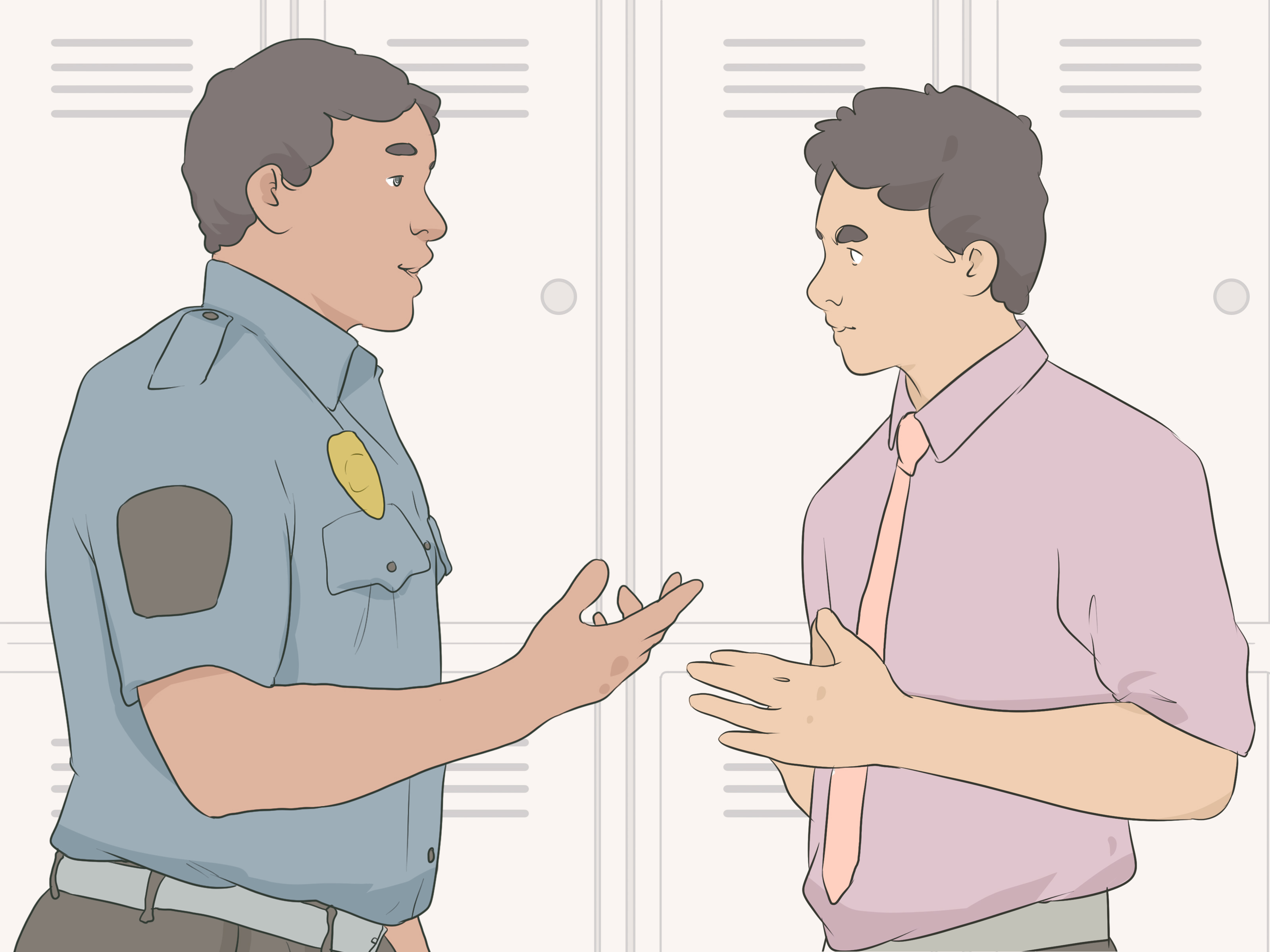
When you call, say clearly: “I would like to report a possible sex offender registry violation.” Give the person’s name, location, registry listing if available, and the facts you observed. Avoid guessing. “He moved into Apartment 2B on May 10 and the registry still lists another city” is more useful than “He seems sketchy.” Police cannot arrest a vibe.
Step 6: Report a New Crime to the Police or Sheriff
If you are reporting a new crime, contact the law enforcement agency where the crime occurred. If you are not sure which agency has jurisdiction, start with your local police or sheriff’s non-emergency line and ask where the report should be filed.
USA.gov directs people to contact local law enforcement to file police reports and also points people to specialized channels for internet crime, sexual assault support, and victim help.
What to say when making a police report
Use direct, plain language:
- “I want to report suspected sexual abuse.”
- “I want to report a registered sex offender who may be violating registration rules.”
- “I have information about a person who may be contacting minors inappropriately online.”
- “I want to report possible sex trafficking.”
If you are a survivor of sexual assault, you can also contact a sexual assault advocate before, during, or after reporting. RAINN explains reporting options and provides confidential support through the National Sexual Assault Hotline.
Step 7: Use Specialized Reporting Channels for Online Child Exploitation
If the concern involves online child exploitation, grooming, coercion, sexual extortion, or illegal content involving a minor, report it through child-safety channels. The FBI directs reports of online child sexual exploitation to NCMEC’s CyberTipline or 1-800-THE-LOST.
Useful details include:
- The platform or app name.
- Usernames, profile links, email addresses, or phone numbers.
- Dates and times of contact.
- Message screenshots, if safely available.
- Any information showing a child may be at risk.
Do not engage with the suspected offender to “test” them. Do not ask for more material. Do not pretend to be a child. Do not share suspected illegal content with friends, school groups, or social media. Report it to the appropriate channel and, if a child is in immediate danger, call 911.
Step 8: Contact Hotlines and Victim Support Services
Reporting is not just about getting information to authorities. It is also about helping victims and witnesses stay safe. A trained advocate can explain options, help plan next steps, and connect you to local services.
RAINN’s National Sexual Assault Hotline provides confidential support and referrals for sexual assault survivors. VictimConnect offers support, information, and referrals for victims of crime in the United States and its territories. The Office for Victims of Crime also provides victim-focused resources, including guidance related to sexual violence, medical care, and reporting options.
Helpful support options
- RAINN National Sexual Assault Hotline: support for sexual assault survivors.
- VictimConnect Resource Center: support and referrals for victims of crime.
- Local rape crisis centers: advocacy, accompaniment, and local reporting guidance.
- Campus victim advocates: support for students, including reporting options.
- National Human Trafficking Hotline: reporting and support for suspected trafficking.
If trafficking may be involved, the Department of Homeland Security advises contacting local law enforcement in emergencies and using the National Human Trafficking Hotline or federal reporting options for non-emergency tips.
Step 9: Follow Up, Save Your Report Number, and Stay Safe
After reporting, ask for a report number, case number, tip confirmation, or contact person if available. Save the date, time, agency name, and the name or badge number of the person who took the report. This is not being difficult; it is being organized. Future-you will want to send present-you a thank-you note.
If you later remember more details, contact the same agency and add them to the report. If the issue involves a school, workplace, apartment complex, youth program, or community organization, ask whether there is a safety officer, Title IX coordinator, human resources contact, child protection officer, or administrator who should also receive a report.
Continue to protect your safety. Do not post accusations online, threaten the person, or encourage others to confront them. Public shaming can interfere with investigations, create legal risk, and make victims less safe. Reporting works best when it is factual, calm, and sent to people with authority to act.
Common Mistakes to Avoid When Reporting a Sex Offender
Do not assume every registry concern is a crime
Registry rules vary by state, conviction, supervision status, and court order. Something that looks suspicious may need verification before it becomes enforceable. Report facts, not conclusions.
Do not rely on outdated websites
Use official state registries and NSOPW. Third-party sites may be incomplete, outdated, or inaccurate.
Do not confront the person
Confrontation can escalate danger and damage an investigation. Let trained professionals handle contact.
Do not spread suspected illegal content
For online child exploitation concerns, preserve identifying details and report through the proper channels. Sharing illegal material can create additional harm and legal risk.
Do not blame the victim
Victims may delay reporting, remember details gradually, or feel unsure about what happened. Trauma does not follow a neat checklist. Be supportive, not cross-examining.
Experience-Based Tips for Reporting a Sex Offender Safely
People who report sex offender concerns often describe the same first feeling: uncertainty. They wonder whether they are overreacting, whether anyone will listen, whether the police need “proof,” and whether making a report will create drama. That uncertainty is normal. Reporting is not the same thing as proving a case in court. Reporting means giving relevant information to the people who can evaluate it.
One useful experience-based approach is to write everything down before calling. When people are nervous, details can scatter like dropped puzzle pieces. A short note with names, dates, locations, and what happened can make the call much easier. You do not need fancy language. “I saw this,” “I received this message,” “the registry lists this address,” and “I believe this information may be inaccurate” are perfectly acceptable sentences. Plain facts beat dramatic speeches every time.
Another practical tip is to separate what you know from what you suspect. For example, “The registry lists 122 Oak Street, but I have seen him entering 88 Pine Street every night for two weeks” is a factual observation. “He is definitely hiding from police” is a conclusion. Authorities can investigate conclusions, but they need observations to start with. Think of your report as handing them a map, not writing the final chapter.
Many people also find it helpful to call a victim advocate or hotline first, especially when the report involves sexual assault, a child, or trafficking. Advocates can explain options without pressuring you. They may help you understand whether to call local police, a sheriff’s office, campus safety, child protective services, NCMEC, or a trafficking hotline. That kind of guidance matters because reporting to the wrong place can slow things down, while reporting to the right place can get the concern reviewed faster.
If the concern involves a child, act promptly. You do not need to investigate or confirm everything yourself. If a child appears to be in immediate danger, call 911. If the concern is online exploitation, report through child-safety channels and include digital details such as usernames, links, platform names, and timestamps. Avoid asking the suspected person more questions. Your job is not to run a sting operation. This is real life, not a crime show with commercial breaks.
For registry violations, local law enforcement is usually the best starting point. Be specific about the possible violation: wrong address, unreported workplace, unreported school, prohibited contact, or failure to update information. If the state registry has a contact form or phone number, use that too, but do not assume an online form replaces emergency reporting when someone is at risk.
Finally, take care of yourself after reporting. It can feel stressful, especially if the situation involves someone you know. Save your report number, keep your notes in a safe place, and avoid discussing the report widely. If you are supporting a survivor, let them make choices whenever possible, unless mandatory reporting or immediate danger applies. Respect, patience, and safety are not extras; they are the whole point.
Conclusion
Reporting a sex offender is easier when you break the process into clear steps: check for immediate danger, identify the type of concern, gather facts, use official registries, contact local law enforcement, report online child exploitation through specialized channels, connect with victim support, and follow up safely. The goal is not to panic or play detective. The goal is to get accurate information to the right people so they can protect victims, verify facts, and respond appropriately.
Whether you are reporting a registry violation, a new crime, online exploitation, or trafficking concerns, remember this simple rule: urgent danger goes to 911, registry violations usually go to local law enforcement, child online exploitation goes to specialized child-safety reporting channels, and survivors deserve support at every step.