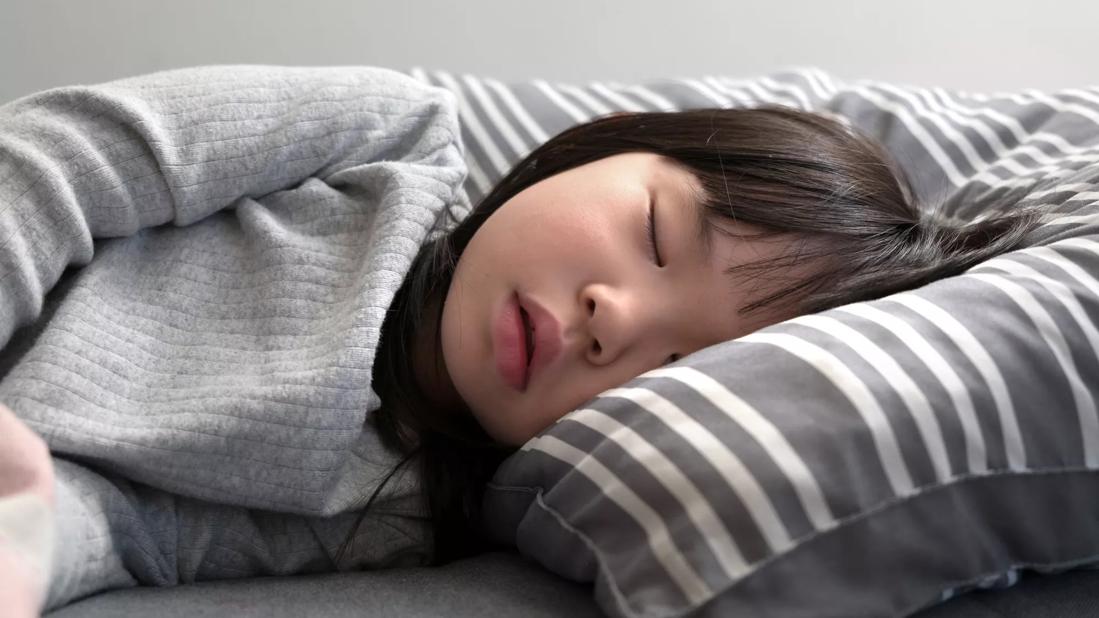

Ask a room full of parents how much sleep kids need, and you will hear everything from “as much as possible” to “apparently never, if my toddler is in charge.” Sleep is one of those parenting topics that sounds simple until real life walks in wearing mismatched pajamas, asking for water, another story, a different blanket, and possibly a full philosophical discussion about dinosaurs.
Still, the science is clear: children need more sleep than adults because their bodies and brains are growing at superhero speed. Good sleep supports learning, memory, mood, immune function, physical growth, attention, behavior, and overall health. In other words, sleep is not just “rest.” For kids, it is overnight construction work for the brain and body.
So, how much sleep do kids need by age? The answer depends on developmental stage, nap patterns, school schedules, and individual differences. This guide breaks down the recommended sleep hours for babies, toddlers, preschoolers, school-age children, and teens, plus practical ways to help your child actually get those hours without turning bedtime into a nightly Broadway drama.
Recommended Sleep Hours for Kids by Age
The following sleep recommendations are based on widely accepted pediatric sleep guidelines. For younger children, the total includes naps. For older kids and teens, it usually refers mostly to nighttime sleep.
| Age Group | Age Range | Recommended Sleep Per 24 Hours |
|---|---|---|
| Newborns | 0–3 months | 14–17 hours |
| Infants | 4–12 months | 12–16 hours, including naps |
| Toddlers | 1–2 years | 11–14 hours, including naps |
| Preschoolers | 3–5 years | 10–13 hours, including naps |
| School-age children | 6–12 years | 9–12 hours |
| Teens | 13–18 years | 8–10 hours |
These are ranges, not rigid commands carved into a stone tablet. Some children naturally need sleep near the higher end, while others function well near the lower end. The key is not only the number of hours but also how your child behaves during the day. A child who wakes up refreshed, has steady energy, focuses reasonably well, and does not melt into a puddle every afternoon is probably getting enough rest.
Why Sleep Matters So Much for Children
Sleep is when children’s brains sort information, store memories, regulate emotions, and prepare for another day of learning, playing, and asking questions that make adults question their own education. It also helps support healthy growth, metabolism, immune defense, and behavior.
When kids do not get enough sleep, the signs are not always obvious. Adults often become slow and sleepy when tired. Children may become louder, more impulsive, more emotional, or strangely energized, like tiny office printers with a paper jam. Lack of sleep can show up as irritability, trouble paying attention, hyperactivity, poor school performance, headaches, frequent illness, or difficulty waking in the morning.
Newborns: 0–3 Months
Newborns typically need about 14 to 17 hours of sleep in a 24-hour period. However, this sleep comes in short stretches because newborns wake often to feed, be changed, and remind everyone that they are now the household manager.
At this age, babies do not have mature circadian rhythms. They may sleep during the day and party at 2 a.m., which is inconvenient but developmentally normal. Instead of trying to force a strict schedule, focus on safe sleep and gentle day-night cues. Keep nighttime care calm and dim, expose your baby to natural light during the day, and place your baby on their back for every sleep.
Safe Sleep Reminder for Babies
For infants, safe sleep is more important than perfect scheduling. Babies should sleep on their backs, on a firm and flat sleep surface, without pillows, blankets, crib bumpers, or stuffed toys in the sleep area. Room-sharing without bed-sharing is commonly recommended during the early months. A boring crib is a safer crib, even if social media nursery photos try to convince you otherwise.
Infants: 4–12 Months
Infants between 4 and 12 months generally need 12 to 16 hours of sleep per day, including naps. By this stage, many babies begin sleeping longer stretches at night, although “longer” is a flexible word and should not be interpreted as a guarantee from the universe.
Most babies in this age range still need two or three naps, gradually moving toward fewer daytime naps as they approach their first birthday. A simple routine can help: feeding, bath, pajamas, story, song, and bed. The routine does not need to be fancy. Babies are not reviewing your production value. They are learning patterns.
If your baby wakes at night, it does not automatically mean something is wrong. Growth spurts, teething, illness, separation anxiety, and new milestones like crawling or standing can temporarily disrupt sleep. Consistency is helpful, but flexibility keeps everyone sane.
Toddlers: 1–2 Years
Toddlers need about 11 to 14 hours of sleep in 24 hours, including naps. Many toddlers transition from two naps to one nap during this period. Nighttime sleep becomes more predictable, but toddlers also discover opinions. Strong opinions. About pajamas, stuffed animals, socks, shadows, and whether the moon is “following us.”
A toddler bedtime routine should be short, calm, and predictable. For example: bath, brush teeth, pajamas, two books, one song, goodnight. The magic is not in the exact steps; it is in the repetition. Toddlers feel safer when they know what comes next.
One helpful trick is offering limited choices: “Do you want the blue pajamas or the dinosaur pajamas?” This gives your child some control without opening negotiations like “Would you like to sleep tonight or perhaps reorganize the pantry until dawn?”
Preschoolers: 3–5 Years
Preschoolers usually need 10 to 13 hours of sleep per day. Some still nap, some only need quiet time, and some passionately insist they are not tired while lying face-down on the rug at 4:12 p.m.
This age group may struggle with bedtime fears, nightmares, or stalling tactics. A child may suddenly need water, another hug, a different book, a stuffed animal lineup, and an urgent answer about volcanoes. These behaviors are common, but boundaries help. A calm, loving, consistent response works better than turning bedtime into an endless customer service desk.
Example Preschool Bedtime Schedule
If your preschooler needs to wake at 7:00 a.m. and does not nap, a bedtime between 7:00 p.m. and 8:30 p.m. may make sense, depending on the child’s sleep needs. If your child still naps for one to two hours, bedtime may shift slightly later. Watch behavior more than the clock. Afternoon crankiness, bedtime battles, or morning misery may mean the schedule needs adjusting.
School-Age Children: 6–12 Years
Children ages 6 to 12 need about 9 to 12 hours of sleep each night. This is the stage when school, homework, sports, music lessons, family activities, and screens can start squeezing sleep from all sides. Suddenly bedtime is competing with spelling words, soccer socks, and a tablet that somehow has “just five more minutes” built into its operating system.
For school-age kids, sleep affects attention, learning, emotional control, and physical energy. A child who regularly gets too little sleep may seem forgetful, moody, impulsive, or less motivated. Sometimes the issue looks like a behavior problem when the real villain is a bedtime that slid too late.
To estimate bedtime, work backward from wake-up time. If your 8-year-old wakes at 6:30 a.m. and needs around 10 hours of sleep, lights out should be around 8:30 p.m. That means the bedtime routine should begin earlier, not at 8:29 p.m. with toothpaste, chaos, and a missing library book.
Teenagers: 13–18 Years
Teens need 8 to 10 hours of sleep per night, even though many get less. Biology makes this harder: teenagers naturally tend to feel sleepy later at night and want to wake later in the morning. Unfortunately, early school start times, homework, sports, jobs, social lives, and phones often collide with that natural rhythm.
Sleep-deprived teens may have trouble concentrating, feel more anxious or irritable, rely heavily on caffeine, fall asleep in class, or sleep very late on weekends. Weekend catch-up sleep can help a little, but huge differences between weekday and weekend schedules can create a “social jet lag” effect, making Monday morning feel like a personal attack.
Teens need realistic sleep strategies, not lectures delivered at maximum parent volume. Encourage a consistent wake time, a screen wind-down period, charging phones outside the bed, and a schedule that protects sleep as seriously as homework or sports practice.
Signs Your Child May Not Be Getting Enough Sleep
Sleep needs vary, but there are common warning signs that a child may need more rest. These include difficulty waking up, falling asleep during short car rides, frequent morning headaches, irritability, hyperactivity, trouble focusing, emotional outbursts, poor school performance, and needing long weekend sleep-ins to recover.
In younger children, overtiredness may look like wild energy rather than sleepiness. A toddler sprinting laps around the living room at bedtime may not be “not tired.” They may be so tired their body has switched into circus mode.
What Can Interfere With Kids’ Sleep?
1. Screens Too Close to Bedtime
Phones, tablets, TVs, computers, and video games can make it harder for children to wind down. Screen content can be stimulating, and bright light exposure in the evening may delay sleepiness. A good rule is to turn off screens at least one hour before bedtime and keep devices out of bedrooms overnight.
2. Irregular Sleep Schedules
Children’s bodies like rhythm. A bedtime that changes dramatically from night to night can confuse the internal clock. Try to keep bedtime and wake time fairly consistent, even on weekends. A little flexibility is normal; a three-hour bedtime swing every weekend is where things get spicy.
3. Caffeine and Sugary Drinks
Caffeine can hide in soda, iced tea, energy drinks, chocolate, and some specialty beverages. For kids and teens, caffeine in the afternoon or evening can interfere with falling asleep. Sugary drinks can also add bedtime energy nobody requested.
4. Overscheduling
Activities are great, but children also need downtime. A packed evening schedule can push dinner, homework, showers, and bedtime too late. If your child’s day requires the logistics of a small airport, sleep may be the first thing to suffer.
5. Stress and Anxiety
Children can carry worries to bed just like adults. School pressure, friendship problems, family changes, or fears can make sleep harder. A quiet check-in earlier in the evening can help children talk before lights out, instead of unloading every concern after the final goodnight.
How to Help Kids Sleep Better
Create a Predictable Bedtime Routine
A strong bedtime routine does not need to be complicated. In fact, shorter is often better. Try a sequence such as bath, pajamas, brushing teeth, reading, a hug, and lights out. Repetition teaches the brain that sleep is coming.
Make the Bedroom Sleep-Friendly
A good sleep environment is cool, dark, quiet, and comfortable. Blackout curtains, a white noise machine, or a soft night-light may help some children. Keep toys, screens, and exciting distractions limited near bedtime. The bed should feel like a sleep zone, not mission control.
Protect the Last Hour Before Bed
The hour before bed should be calm. Reading, drawing, puzzles, gentle stretching, or quiet conversation are better choices than action games, intense shows, roughhousing, or dramatic debates about tomorrow’s outfit.
Use Morning Light
Morning light helps regulate the body clock. Open curtains, eat breakfast near natural light, or get outside early when possible. This is especially helpful for children and teens who struggle to feel sleepy at night.
Be Consistent, Not Perfect
Perfect sleep routines do not exist. Vacations happen. Illness happens. Grandparents happen. The goal is not to control every night forever. The goal is to build a pattern your child can return to after disruptions.
When Should Parents Talk to a Doctor?
Occasional sleep problems are normal. However, parents should speak with a pediatrician if a child snores loudly, gasps during sleep, has pauses in breathing, experiences frequent nightmares, has restless legs, struggles with severe daytime sleepiness, or regularly cannot fall asleep despite a consistent routine.
It is also worth asking for medical guidance if sleep problems affect school, mood, behavior, growth, or family functioning. Sometimes sleep issues are linked to allergies, asthma, reflux, anxiety, ADHD, sleep apnea, or other medical concerns. Getting help is not overreacting; it is good parenting with a flashlight.
Real-Life Experiences: What Parents Often Notice About Kids and Sleep
One of the biggest real-life lessons about children’s sleep is that the “right” bedtime is often discovered through observation, not wishful thinking. Many parents start with the bedtime they want and then slowly realize their child’s behavior is giving a full performance review. If a child wakes easily, eats breakfast without transforming into a grumpy raccoon, and handles the day with fairly steady energy, the schedule is probably close. If mornings feel like dragging a sleepy koala through wet cement, bedtime may need to move earlier.
Another common experience is that sleep problems often appear during transitions. Starting school, dropping a nap, moving to a big-kid bed, welcoming a new sibling, changing homes, or beginning a new activity can disrupt sleep. Parents may worry that everything has fallen apart, but many sleep bumps are temporary. The best response is usually to return to basics: predictable routine, calm evenings, consistent wake time, and reassurance.
Parents also learn that overtired children do not always look tired. A preschooler who missed a nap may not quietly announce, “Dear parent, my nervous system is dysregulated.” Instead, they may run in circles, cry because a banana broke, or insist that socks are “too socky.” In many homes, the wildest behavior of the day happens right before bedtime. That can be a clue that bedtime is too late, not too early.
School-age children often show sleep debt through attention and mood. A child who is short on sleep may forget instructions, argue more, lose patience faster, or struggle with homework that would normally be manageable. Before assuming a child is being difficult, it helps to ask: “How many hours did they actually sleep?” Sometimes the solution is not a stricter lecture but an earlier wind-down.
With teens, the experience is different. Parents may notice that their teenager seems wide awake at 11:00 p.m. and nearly unconscious at 6:30 a.m. This is partly biology and partly lifestyle. Phones, homework, social pressure, and caffeine can push sleep later and later. A useful approach is to involve teens in problem-solving. Instead of saying, “Go to bed earlier,” try discussing what time they need to wake, how much sleep helps them feel human, and what evening habits make sleep harder.
Many families find success with small changes rather than dramatic overhauls. Moving bedtime earlier by 15 minutes every few nights can work better than suddenly demanding a one-hour shift. Creating a charging station outside bedrooms can reduce late-night scrolling. Preparing backpacks and clothes before bedtime can make mornings smoother. A simple bedtime checklist can help younger kids feel independent while still staying on track.
The most important experience-based lesson is this: sleep is a family rhythm. Children sleep better when the household gradually slows down. If adults are rushing, screens are blasting, lights are bright, and everyone is multitasking until the final second, kids may struggle to switch off. But when the home becomes calmer in the evening, bedtime feels less like a battle and more like the natural next step.
Conclusion
So, how much sleep do kids need? Newborns need around 14 to 17 hours, infants need 12 to 16 hours, toddlers need 11 to 14 hours, preschoolers need 10 to 13 hours, school-age children need 9 to 12 hours, and teens need 8 to 10 hours. These ranges are not about chasing perfection. They are practical targets that help children grow, learn, regulate emotions, and move through the day with enough energy to be their best selves.
Good sleep does not come from one magical bedtime trick. It comes from consistent routines, a calm sleep environment, limited evening screens, age-appropriate schedules, and patient adjustments as children grow. Some nights will still be messy. Someone will need water. Someone will remember a school form. Someone may ask whether fish sleep. But with steady habits, bedtime can become less of a nightly negotiation and more of a healthy family rhythm.