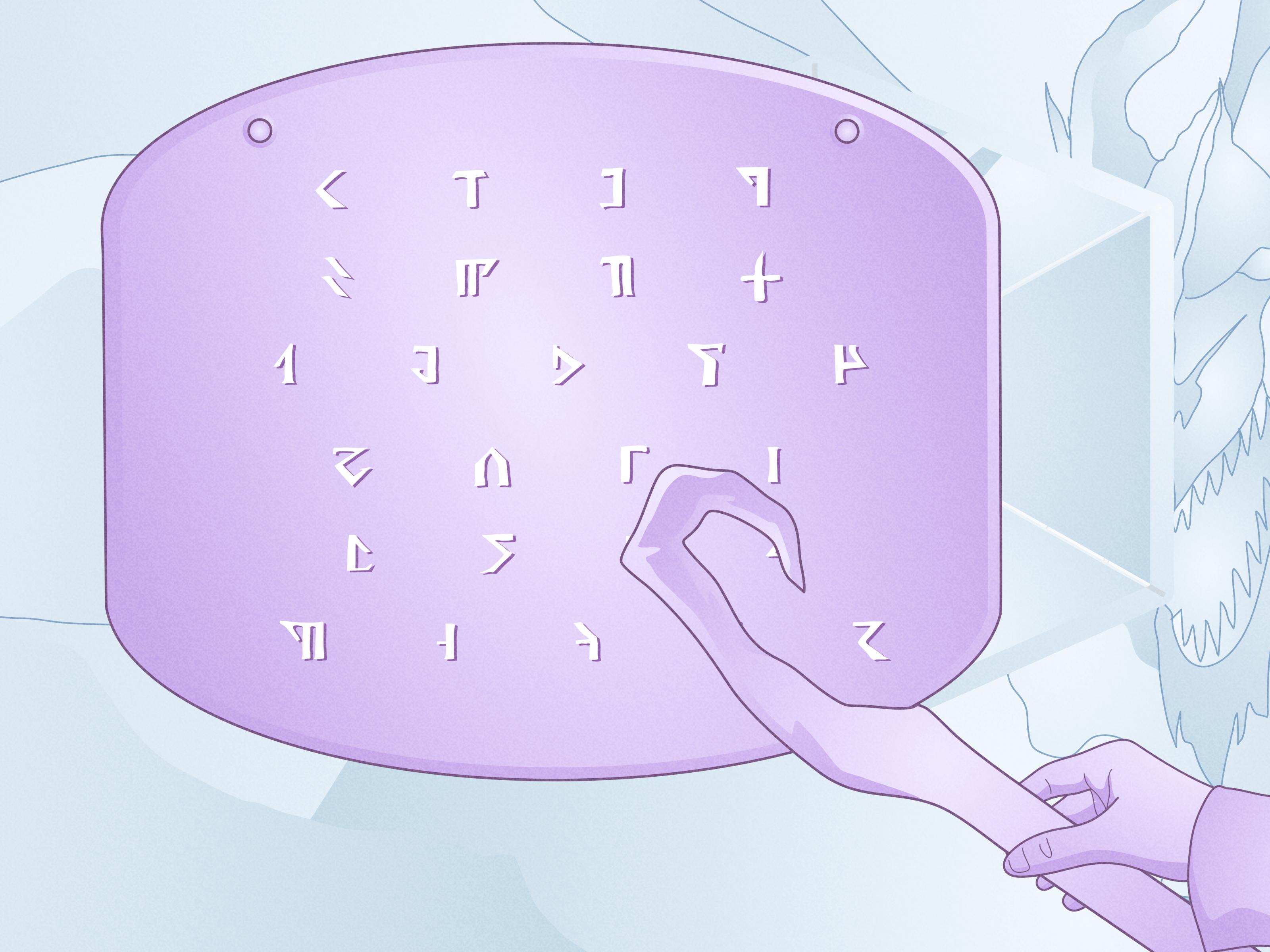

In Dungeons & Dragons 5e, languages are one of those character sheet details that look tiny until the party is standing in front of an ancient door covered in glowing runes, a goblin prisoner is yelling something important, and the wizard suddenly realizes they used their last spell slot on Feather Fall because someone said, “Trust me, this bridge looks stable.”
D&D 5e languages determine what your character can speak, read, and write. They help shape your backstory, unlock roleplay moments, solve mysteries, avoid fights, start fights more politely, and occasionally make your bard feel like a traveling customer-service desk for every creature in the multiverse. This guide explains what languages are, how they work, which ones are most useful, and how players and Dungeon Masters can make them matter at the table.
What Are Languages in D&D 5e?
Languages in D&D 5e are communication proficiencies. If your character knows a language, they can generally speak it, understand it, read it, and write it unless a specific rule, setting detail, or magical effect says otherwise. A character who knows Elvish can talk to elves, read Elvish inscriptions, and write a letter in Elvish that says, “Please stop shooting arrows at us; we brought muffins.”
In the 2014 version of D&D 5e, languages are usually gained from your race, background, class features, feats, or special campaign rewards. In the 2024 rules revision, character origin and class features handle languages a little differently, with characters generally starting with Common plus additional choices from the standard language list. Either way, the main idea stays the same: languages are tools for exploration, social interaction, and worldbuilding.
How D&D 5e Languages Work
Knowing a Language Means More Than Speaking
Language proficiency is broad. It normally includes speech, listening comprehension, reading, and writing. That matters because D&D adventures often use languages in several ways: carved warnings, monster negotiations, holy texts, coded letters, maps, contracts, and overheard conversations in suspicious taverns where everyone is definitely “not plotting anything.”
However, knowing a language does not automatically make you a cultural expert. A character who speaks Dwarvish can understand a dwarf merchant, but they may not understand every clan tradition, mining proverb, insult, legal custom, or extremely specific beer-ranking system. Language opens the door; culture tells you whether knocking three times is polite or a declaration of war.
The DM Still Controls Context
D&D languages are flexible because campaigns are flexible. In one setting, Draconic might be the ancient language of magic. In another, it might be the practical language of dragonborn cities. In a gritty city campaign, Goblin may be incredibly useful for street-level negotiations. In a celestial war campaign, Celestial and Infernal might come up every other session, usually followed by dramatic music and poor life choices.
Because of this, the best language for your character is not always the “rarest” one. It is the one most likely to connect your character to the campaign’s people, places, monsters, and mysteries.
Standard Languages in D&D 5e
Standard languages are the everyday tongues most often tied to common peoples and cultures in D&D worlds. These are usually the safest choices for new characters because they are more likely to appear in normal travel, trade, and social encounters.
| Language | Typical Speakers | Common Use in Campaigns |
|---|---|---|
| Common | Humans and many mixed societies | Trade, travel, diplomacy, everyday conversation |
| Dwarvish | Dwarves | Mining halls, ancient ruins, smithing lore, clan records |
| Elvish | Elves | Forest realms, magic traditions, old songs, elegant warnings |
| Giant | Giants and ogres | Mountain adventures, giant ruins, negotiations with very tall problems |
| Gnomish | Gnomes | Inventions, illusions, academic notes, surprisingly chaotic lab labels |
| Goblin | Goblinoids | Scouting, ambushes, prisoner talks, dungeon clues |
| Halfling | Halflings | Rural communities, family histories, recipes worth fighting for |
| Orc | Orcs | Tribal politics, battlefield warnings, warrior cultures |
Exotic Languages in D&D 5e
Exotic languages are usually rarer, older, stranger, or tied to powerful beings. These are excellent choices when your campaign involves planar travel, ancient ruins, divine forces, fiends, fey courts, dragons, or the Underdark. In other words, exotic languages are for when your campaign stops being “deliver this letter” and becomes “please read the inscription before the portal eats the moon.”
| Language | Typical Speakers | Why It Matters |
|---|---|---|
| Abyssal | Demons | Useful for demonic cults, Abyssal ruins, and very bad ideas |
| Celestial | Celestials | Great for divine quests, temples, angels, and holy relics |
| Draconic | Dragons and dragonborn | Excellent for ancient magic, dragons, kobolds, and arcane lore |
| Deep Speech | Aberrations and strange deep-world creatures | Useful in horror, Underdark, and cosmic mystery campaigns |
| Infernal | Devils | Important for contracts, fiendish politics, and legal traps with horns |
| Primordial | Elementals | Covers elemental themes and dialects like Aquan, Auran, Ignan, and Terran |
| Sylvan | Fey creatures | Perfect for fey bargains, enchanted forests, and suspiciously polite mushrooms |
| Undercommon | Underdark traders and subterranean cultures | Very useful in drow cities, deep tunnels, and underground markets |
Secret and Special Languages
Some languages are not ordinary public tongues. Two famous examples are Druidic and Thieves’ Cant. Druidic is associated with druids and nature-based traditions. Thieves’ Cant is a hidden system of slang, code, and double meaning used by rogues and criminal networks. It is less like learning “Spanish” and more like learning how to say, “The guard changes shift at midnight” while pretending to discuss turnip prices.
These special languages are powerful because they create exclusive channels of communication. A rogue can pass hidden messages in a crowded market. A druid can recognize sacred warnings in a forest grove. They are not always useful in every scene, but when they matter, they really matter.
How Do You Get Languages in D&D 5e?
Character Creation
Most characters begin with a small set of languages. In classic 5e, your race and background commonly determine your starting languages. For example, an elf might know Common and Elvish, while a background might add one or more languages of your choice. In the 2024 rules, characters generally begin with Common and additional standard language choices, while some classes and features may grant more.
When building a character, choose languages that match both your story and the campaign. A noble scholar might know Celestial because they studied temple manuscripts. A ranger from the borderlands might know Goblin or Orc from years of patrols. A dragonborn wizard knowing Draconic is so natural it practically comes with a tiny academic scarf.
Class Features
Some classes grant special language benefits. Druids know Druidic. Rogues gain Thieves’ Cant. Rangers and certain subclasses or features may grant extra languages depending on which rules version and character options you use. These features are not just mechanical bonuses; they are invitations to build connections with factions, cultures, and secrets.
Feats, Training, and Downtime
Some feats and downtime systems can help characters learn new languages. A DM may allow training during downtime, usually requiring a teacher, time, and money. This is a great way to reward long campaigns. After spending weeks with a dwarven mentor, your fighter might finally read the inscription on their ancestral axe and discover it says, “Property of Grandma. Return immediately.”
Magic
Magic can temporarily bypass language barriers. Comprehend Languages lets a character understand the literal meaning of spoken or written language, though it does not decode secret messages or automatically explain symbolism. Tongues helps with spoken communication by allowing the target to understand spoken languages and be understood by creatures that know at least one language.
These spells are useful, but they do not make language choices pointless. Spells cost resources, take preparation, and often have limits. Also, “literal meaning” can be hilarious and dangerous. If an ancient tablet says, “The serpent drinks the sun,” the spell may translate the words perfectly while giving you absolutely no idea whether that means an eclipse, a dragon ritual, or a very dramatic breakfast.
Best D&D 5e Languages to Choose
The best language depends on the campaign, but some choices are consistently useful:
- Elvish: Great for ancient lore, magic, forests, and long-lived cultures.
- Dwarvish: Strong choice for ruins, mountains, crafting, and underground adventures.
- Goblin: Practical in low-level campaigns with goblinoid enemies or factions.
- Draconic: Excellent for dragons, kobolds, arcane ruins, and magical inscriptions.
- Undercommon: Extremely useful in Underdark or drow-focused campaigns.
- Infernal: Strong in campaigns involving devils, contracts, cults, or planar politics.
- Sylvan: Ideal for feywild adventures, enchanted forests, and whimsical danger.
If you are unsure, ask your DM what cultures, regions, and monster types are likely to appear. This is not cheating; it is teamwork. A good DM wants your choices to matter. Picking Aquan in a desert campaign might still be cool, but unless there is a secret water temple, your big language moment may be asking a cactus for directions.
How DMs Can Make Languages Matter
Languages become exciting when they create choices instead of roadblocks. A locked door that says “password required” in Draconic is not very fun if nobody knows Draconic and there is no other solution. But a Draconic warning that gives a clue, reduces danger, or offers a shortcut rewards the player who chose that language without stopping the adventure cold.
Use Languages as Clues
Let languages reveal partial information. A character who reads Infernal might identify that a contract is dangerous before understanding every legal detail. A character who knows Goblin might overhear guards arguing about which tunnel is trapped. A character who knows Celestial might recognize that a “curse” is actually a protective prayer.
Use Dialects and Culture
Not every speaker of a language needs to sound the same. Regional dialects, old scripts, slang, formal registers, and cultural references can make languages feel alive. A dwarf from one mountain kingdom might understand another dwarf perfectly but still complain that they “talk like a pickaxe falling down stairs.”
Reward Creativity
Players love when their character sheet choices become story fuel. If someone chose Giant, let them negotiate with an ogre. If someone knows Sylvan, let them notice that a fey’s “friendly compliment” is actually a binding offer. If someone knows Halfling, let them discover the most important secret in the village: who really stole the festival pie.
Common Mistakes With D&D Languages
Mistake 1: Treating Languages as Useless
Languages are only useless if the campaign never uses them. DMs should sprinkle them into inscriptions, NPC conversations, maps, songs, prayers, graffiti, and monster tactics. Players should mention their languages during exploration. Sometimes the phrase “Wait, I speak Goblin” is the difference between a clever plan and rolling initiative while sighing.
Mistake 2: Making Languages Too Punishing
Language barriers should add texture, not misery. If nobody can read the clue, offer another route: a sketch, a repeated symbol, an NPC translator, a spell, or a skill check. The goal is not to make the party stare sadly at a wall for forty minutes while the barbarian considers solving linguistics with an axe.
Mistake 3: Forgetting About Scripts
Some D&D languages share scripts. This can create interesting situations where a character recognizes the alphabet but not the language. They might know that a message is written in Dwarvish script without understanding the words. That small detail can still help identify a culture, age, or source.
Specific Examples of Languages in Play
Example 1: The Goblin Ambush
The party hides near a ruined bridge and hears goblins arguing. A character who knows Goblin learns that one goblin is worried about “the boss under the stones.” Now the party knows there may be a stronger enemy nearby. They can avoid the ambush, prepare for it, or convince the goblins that the boss is very disappointed in their workplace professionalism.
Example 2: The Infernal Contract
A devil offers a bargain written in Infernal. The cleric knows the language and notices that the contract uses polite wording but dangerous structure. The party still needs to negotiate, but they now know the document hides a trap. Language does not solve the problem alone; it gives the players leverage.
Example 3: The Primordial Ruin
In an ancient elemental temple, the walls shift between Auran, Aquan, Ignan, and Terran dialects of Primordial. A character who knows Primordial can understand enough to identify which chambers represent air, water, fire, and earth. Suddenly, language becomes a puzzle key instead of a decoration.
Player Experience: How Languages Can Make D&D Better
From actual table experience, languages work best when they create small sparks of discovery. They do not need to dominate the whole session. A single translated sentence can change the party’s plan, reveal a villain’s motive, or give a quiet character a chance to shine. The player who picked an unusual language often did so because they imagined a story behind it. When the DM honors that choice, the character instantly feels more real.
One of the most satisfying uses of language is the “hidden advantage” moment. The party walks into a tense negotiation, and the NPCs switch to another tongue, assuming the adventurers cannot understand. Then one player smiles and says, “Actually, I speak that.” The table usually reacts like someone just rolled a natural 20 with their eyebrows. It is dramatic, funny, and deeply rewarding because it comes from a choice made long before the scene happened.
Languages also help quieter roleplayers participate. Not every player wants to give a grand speech in character, but many enjoy saying, “I translate for the group,” “I read the inscription,” or “I answer in Draconic.” That is still roleplay. It gives the character a purpose in the scene without forcing the player into a theatrical performance. For groups with mixed comfort levels, language proficiency is a friendly bridge into deeper character interaction.
Another great experience comes from imperfect understanding. A DM can give a player the literal translation while leaving room for interpretation. For example, an old Elvish poem might say, “The moon’s child sleeps beneath the thorn.” The words are clear, but the meaning is not. Is it a person, a tomb, a flower, a constellation, or the name of a fey creature with a flair for branding? This keeps mystery alive while still rewarding the language choice.
Players can also use languages to shape relationships. Speaking an NPC’s native tongue can create trust, respect, or surprise. A dwarf guard may warm up when addressed in Dwarvish. A dragon may appreciate a mortal who uses Draconic correctly. A fey noble may become amused when a character attempts Sylvan etiquette and only mildly insults three invisible relatives. These moments make the world feel responsive.
The key is moderation. If every clue requires a different language, the game becomes fantasy homework. If languages never appear, they become wasted ink. The sweet spot is occasional, meaningful use. A language should feel like a key, not a tax. It should open doors, reveal secrets, deepen cultures, and sometimes let the party realize that the “random monster noises” are actually two ogres complaining about soup.
For players, the best advice is to choose at least one language for story and one for usefulness. For DMs, the best advice is to check the party’s languages and build moments around them. That tiny section of the character sheet is a treasure map. Use it, and suddenly the world speaks back.
Conclusion
D&D 5e languages are more than a character sheet checkbox. They are roleplay tools, worldbuilding shortcuts, puzzle keys, social weapons, and story hooks wrapped in a few words. Whether your character speaks Elvish to read ancient songs, Infernal to survive devil contracts, Goblin to negotiate with dungeon troublemakers, or Sylvan to avoid accidentally marrying a fey prince, languages can make the game richer and funnier.
The smartest approach is simple: choose languages that fit your character, ask your DM what might matter in the campaign, and look for chances to use what you know. For Dungeon Masters, make languages useful without making them mandatory. Reward the choice, keep the adventure moving, and remember that sometimes the most powerful magic in D&D is not a fireball. It is understanding the warning before someone touches the cursed statue.