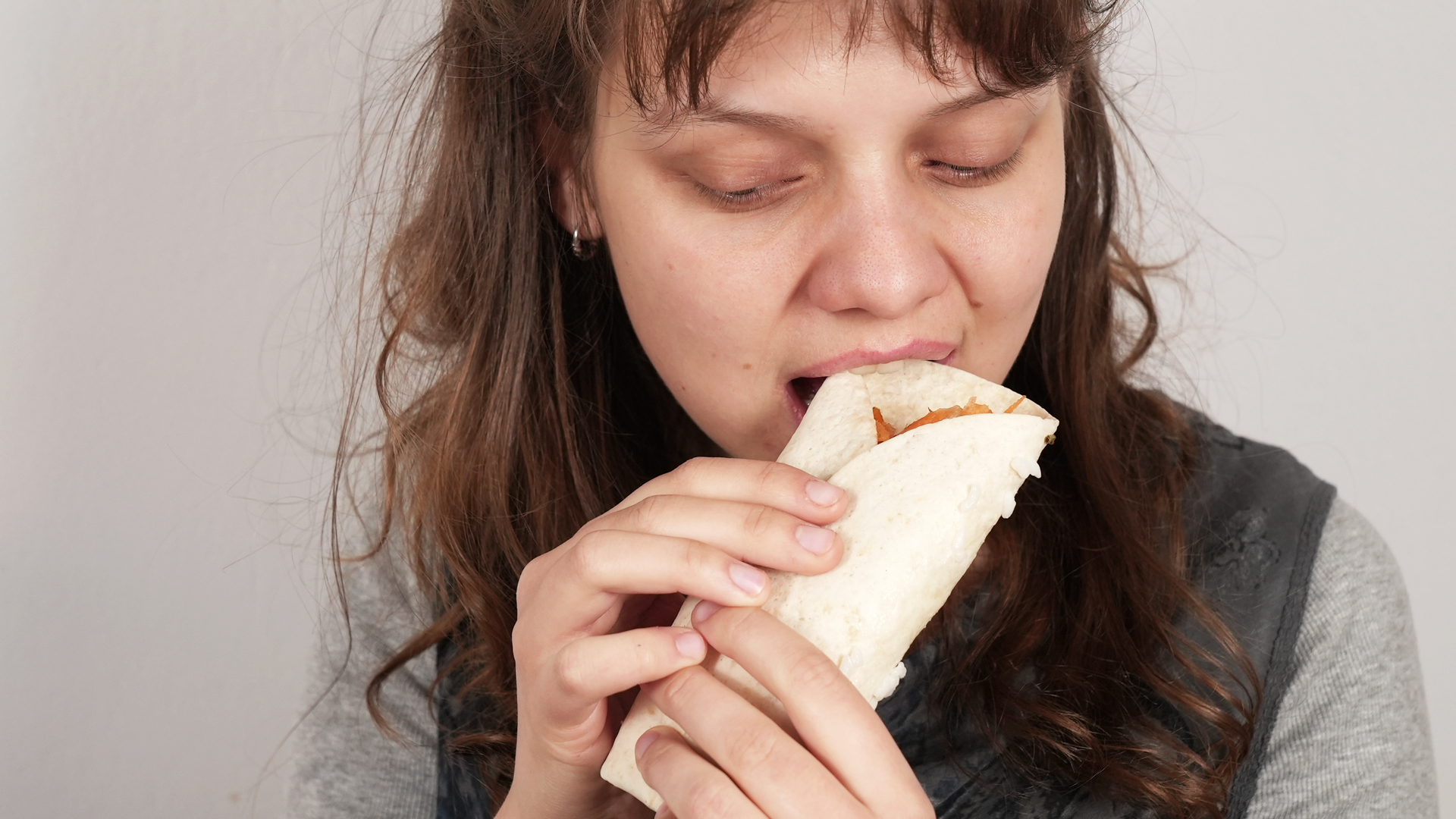

Note: This article is written in original language for web publication and synthesizes practical fajita-eating methods, Tex-Mex serving traditions, and safe food-handling guidance from reputable U.S.-based culinary and food-safety sources.
Introduction: The Joy of Fajitas, One Sizzling Bite at a Time
Fajitas are the kind of meal that arrives with sound effects. The skillet hisses, the peppers glow, the onions smell like they have a public relations team, and suddenly everyone at the table turns around like a celebrity just walked in. But once the sizzling platter lands in front of you, one very real question appears: what is the easiest way to eat fajitas without turning dinner into a tortilla-based engineering project?
The good news is that eating fajitas is wonderfully simple once you understand the rhythm: warm tortilla, modest filling, balanced toppings, smart folding, confident bite. Whether you are enjoying steak fajitas, chicken fajitas, shrimp fajitas, or vegetarian fajitas, the same basic method works. Fajitas are customizable, relaxed, and meant to be eaten with your hands. In other words, they are deliciously social food with just enough structure to prevent your sour cream from making a dramatic escape onto your shirt.
This guide breaks down easy ways to eat fajitas in 12 steps, from choosing the right tortilla to building a tidy, flavor-packed bite. You will also find practical examples, serving ideas, topping advice, and experience-based tips for making fajita night smoother, tastier, and a little less messy.
What Are Fajitas?
Fajitas are a beloved Tex-Mex dish traditionally made with grilled strips of meat, especially skirt steak, served with sautéed onions and bell peppers. Over time, the word “fajitas” has expanded to include chicken, shrimp, pork, mushrooms, tofu, and other fillings. The heart of the dish remains the same: hot seasoned protein or vegetables, warm tortillas, bright toppings, and plenty of do-it-yourself assembly.
The classic fajita setup usually includes a sizzling skillet or platter of meat and vegetables, a stack of tortillas, and small bowls of toppings such as salsa, guacamole, sour cream, shredded cheese, pico de gallo, cilantro, lime wedges, jalapeños, lettuce, and rice or beans on the side. This build-your-own style is part of the fun. No two fajitas at the table have to look the same, which is excellent news for picky eaters and people who believe guacamole is a personality trait.
Easy Ways to Eat Fajitas: 12 Steps
Step 1: Start with Warm Tortillas
A cold tortilla is where good fajita intentions go to become sadness. Warm tortillas are softer, more flexible, and much less likely to crack when you fold them. Flour tortillas are the classic choice for many fajita meals because they are pliable and sturdy, but corn tortillas can be delicious too, especially if you enjoy a more earthy flavor.
At home, warm tortillas in a dry skillet for a few seconds per side, wrap them in foil and heat them in the oven, or microwave them under a slightly damp paper towel. At a restaurant, keep them covered in the tortilla warmer until you are ready to build. The warmer the tortilla, the easier it is to roll, fold, and eat without chasing peppers across your plate.
Step 2: Choose Your Protein or Main Filling
The easiest fajitas begin with a filling that is cut into bite-size strips. Steak should be sliced thinly across the grain so it stays tender. Chicken should be cooked through and sliced into manageable pieces. Shrimp should be juicy but not overcooked. Vegetarian fajitas often use mushrooms, zucchini, poblanos, onions, peppers, or plant-based protein.
Do not overload your first tortilla. A common beginner mistake is treating the tortilla like a moving truck. Start with a small handful of meat or vegetables in the center. You can always make another fajita. In fact, making another fajita is one of the top five reasons fajitas exist.
Step 3: Add Peppers and Onions for Classic Flavor
Bell peppers and onions are more than colorful decoration. They add sweetness, texture, and that familiar fajita aroma. Red, yellow, orange, and green bell peppers all work. Onions should be soft, lightly charred, and sweet around the edges.
Place the vegetables over or beside the protein in the tortilla. Try to keep the filling in a narrow line down the middle rather than spreading it from coast to coast. A centered filling makes folding easier and keeps every bite balanced.
Step 4: Use Sauce and Salsa Wisely
Salsa, pico de gallo, hot sauce, and creamy sauces bring fajitas to life, but they also bring moisture. Too much liquid can make your tortilla soggy and difficult to hold. Add a spoonful, not a flood. Pico de gallo is especially useful because it adds freshness without drowning the tortilla.
If you love extra salsa, serve it on the side and dip each bite. This gives you maximum flavor with minimum structural collapse. Think of salsa as a supporting actor, not the entire cast.
Step 5: Add Creamy Toppings for Balance
Guacamole, sour cream, avocado slices, crema, or a small sprinkle of cheese can balance the heat and spice in fajitas. Guacamole adds richness and a buttery texture. Sour cream cools down jalapeños and chili powder. Cheese adds saltiness and comfort.
The key is moderation. A little creaminess makes the fajita luxurious. Too much turns it into a slippery situation. Spread creamy toppings in a thin layer or place a small spoonful on top of the filling.
Step 6: Finish with Fresh Ingredients
A squeeze of lime can make fajitas taste brighter and more complete. Fresh cilantro, shredded lettuce, diced tomatoes, pickled onions, or sliced jalapeños can add crunch and color. These toppings are especially helpful if the meat and vegetables are rich or smoky.
For a clean, restaurant-style bite, use one or two fresh toppings at a time. Lime and cilantro are a classic pairing. Pico de gallo and avocado are another. Lettuce and cheese work well for a milder, family-friendly fajita.
Step 7: Fold the Bottom First
Once your filling is in place, fold the bottom edge of the tortilla up slightly over the filling. This small move creates a pocket that helps catch juices and keeps the filling from sliding out when you lift the fajita.
This is especially useful when eating fajitas by hand. Without the bottom fold, your fajita may behave like a tiny food slide. Delicious, yes. Convenient, not always.
Step 8: Fold in the Sides
After folding the bottom, bring one side of the tortilla over the filling, then fold the other side over it. You do not need to roll fajitas as tightly as burritos. A fajita is usually more open and relaxed, with one end partly exposed.
If your tortilla is small, simply fold it like a taco. If it is larger, you can wrap it more securely. The goal is not perfection. The goal is getting peppers, meat, salsa, and joy into your mouth with dignity mostly intact.
Step 9: Hold It at a Slight Angle
Hold the fajita with the folded bottom angled slightly downward toward your plate. This helps catch drips and gives falling toppings a safe landing zone. Keep a napkin nearby, because even the best-built fajita sometimes has big feelings.
At restaurants, it is perfectly normal to eat fajitas with your hands. Use a fork for rice, beans, or runaway vegetables. If your fajita becomes too full to manage, there is no shame in eating some filling with a fork before folding the tortilla.
Step 10: Take Smaller Bites
Fajitas are hot, juicy, and layered. Smaller bites help you taste everything without burning your mouth or wearing half the filling. Start at the open end and work your way down.
If the fajita is very hot from a sizzling skillet, give the filling a short moment to cool before assembling. Steam is wonderful for dramatic entrances, but less wonderful when it surprises your tongue.
Step 11: Build Each Fajita Fresh
Instead of assembling every fajita at once, build them one by one. This keeps tortillas warm, prevents sogginess, and lets you adjust each fajita as you go. Maybe the first one is classic steak, peppers, salsa, and sour cream. The second can be chicken, guacamole, pico de gallo, and lime. The third can be “whatever is left, but somehow still amazing.”
Building fresh also makes fajitas ideal for group meals. Everyone can choose their own heat level, toppings, and portion size.
Step 12: Pair with Simple Sides
Fajitas are satisfying on their own, but sides can turn them into a full meal. Mexican rice, cilantro-lime rice, refried beans, black beans, corn salad, chips and salsa, queso, grilled corn, or a simple green salad all work well.
Keep sides simple if the fajitas are heavily seasoned. A fresh salad or plain rice can balance smoky, spicy meat. If the fajitas are mild, add bold sides such as spicy beans, roasted corn, or tangy slaw.
Best Toppings for Fajitas
The best fajita toppings add contrast. Hot filling needs cool toppings. Rich meat needs acidity. Soft tortillas need crunch. Here are reliable combinations:
- Classic steak fajitas: guacamole, pico de gallo, sour cream, cilantro, and lime.
- Chicken fajitas: shredded cheese, salsa, avocado, lettuce, and hot sauce.
- Shrimp fajitas: cabbage slaw, lime crema, jalapeños, and fresh cilantro.
- Vegetarian fajitas: black beans, roasted corn, salsa verde, avocado, and queso fresco.
- Spicy fajitas: pickled onions, jalapeños, sour cream, and a squeeze of lime.
For the easiest eating experience, choose three toppings per fajita. More than that can be fun, but it can also create what experts call “a delicious landslide.”
How to Eat Fajitas at a Restaurant
Restaurant fajitas often arrive on a sizzling cast-iron skillet. The skillet is usually extremely hot, so avoid touching it. Let the steam settle for a moment, then use the serving utensils to move a small portion of meat and vegetables onto your plate or directly into a tortilla.
Keep tortillas covered so they stay warm. Build one fajita at a time. Pass shared toppings politely, especially salsa and guacamole, because fajita night is not the time to become a dip dragon guarding treasure.
If the portion is large, pace yourself. Fajitas are often served with rice, beans, chips, and toppings, so it is easy to fill up quickly. Leftover fajita meat and vegetables make excellent quesadillas, salads, rice bowls, omelets, and nachos the next day.
How to Make Fajitas Easier to Eat at Home
If you are hosting fajita night, slice everything before serving. Long strips of steak or peppers may look dramatic, but shorter pieces are easier to bite. Use small bowls for toppings and place tortillas in a towel-lined basket or tortilla warmer.
Set up the table in order: tortillas, protein, vegetables, toppings, sauces, sides, napkins. This creates a natural assembly line and keeps people from reaching across the table like they are competing in a salsa relay.
For kids, use smaller tortillas and milder toppings. For guests who prefer low-carb options, offer lettuce cups or fajita bowls. For gluten-free guests, provide corn tortillas and check seasoning labels. For dairy-free guests, use avocado, salsa, lime, and grilled vegetables for richness without cheese or sour cream.
Common Mistakes to Avoid When Eating Fajitas
Overfilling the Tortilla
This is the number one fajita mistake. A tortilla can only hold so much before it files a formal complaint. Use less filling and make more fajitas.
Skipping the Warm Tortilla
Warm tortillas fold better and taste better. Cold tortillas crack and can make the meal messy.
Adding Too Much Sauce
Sauce is wonderful, but too much turns your fajita soggy. Add a small amount inside and keep extra on the side for dipping.
Ignoring Texture
A great fajita has soft, crisp, juicy, creamy, and fresh elements. Add crunch with lettuce, cabbage, onions, or fresh peppers if the filling is very soft.
Eating Too Fast
Fajitas are often served very hot. Give them a moment before biting, especially when they come straight from a skillet.
Food Safety Tips for Fajitas
Fajitas should be cooked safely, especially when using chicken, steak, shrimp, or leftovers. Use a food thermometer when preparing fajitas at home. Chicken and other poultry should be cooked until fully done, while whole cuts of beef should be cooked to a safe temperature and rested properly. Shrimp should be cooked until opaque and firm.
Keep raw meat separate from tortillas, toppings, and ready-to-eat foods. Use clean cutting boards and utensils after handling raw protein. Refrigerate leftovers promptly and reheat them thoroughly before serving again. These steps are simple, but they help keep fajita night memorable for the right reasons.
Creative Ways to Eat Fajitas Beyond the Tortilla
Fajitas do not have to live only inside tortillas. If you have leftovers or want a lighter option, try these ideas:
- Fajita bowls: Serve meat and vegetables over rice, beans, lettuce, or quinoa.
- Fajita salads: Add warm fajita filling to romaine, avocado, corn, salsa, and lime dressing.
- Fajita quesadillas: Layer leftovers with cheese between tortillas and toast until crisp.
- Fajita nachos: Spoon fajita filling over chips with cheese, jalapeños, salsa, and guacamole.
- Fajita breakfast tacos: Add scrambled eggs to leftover peppers, onions, and steak or chicken.
- Fajita stuffed potatoes: Top baked potatoes with fajita filling, sour cream, and salsa.
These variations are excellent for meal prep because fajita fillings reheat well and pair with many bases. A single skillet of peppers, onions, and seasoned protein can become several different meals throughout the week.
Experience-Based Tips: What Fajita Night Teaches You
After enough fajita nights, you learn that the best fajitas are not always the prettiest. The first one may be too full. The second may be too saucy. By the third, you become a tortilla architect with strong opinions about lime placement. That is part of the fun.
One useful experience is learning to build flavor in layers. A fajita with only meat can taste heavy. A fajita with meat, peppers, lime, salsa, and something creamy feels complete. The lime wakes everything up. The salsa adds brightness. The sour cream or guacamole softens the spice. The tortilla holds it all together like a delicious little blanket.
Another lesson is that heat matters. When the filling is too hot, toppings melt too quickly and the tortilla can steam itself into weakness. Letting the meat and vegetables rest for a minute makes assembly easier. At the same time, tortillas should stay warm. This balance is small but powerful: hot filling, warm tortilla, cool toppings.
Fajitas also teach portion control in the most practical way possible. Overfill once, and you will understand. A modest fajita is easier to fold, easier to bite, and usually more enjoyable. Instead of one giant fajita that collapses halfway through, make two or three smaller ones. Each can have a different personality. One spicy, one creamy, one extra fresh. Dinner suddenly becomes a tiny tasting menu.
When serving fajitas to guests, the best move is to create a relaxed fajita bar. Put everything in separate bowls and let people customize. Some guests will go heavy on guacamole. Some will avoid cilantro. Someone will put rice inside the tortilla and call it innovation. Let them. Fajitas are flexible by nature, and that flexibility makes them perfect for family dinners, casual parties, game nights, and weeknight meals.
Leftovers are another underrated part of the fajita experience. The next day, fajita vegetables often taste even better because the seasoning has settled in. Leftover steak or chicken can become a quesadilla in minutes. Add cheese, toast the tortilla, serve with salsa, and suddenly lunch looks like you tried much harder than you did. Fajita bowls are equally easy: rice, beans, reheated filling, avocado, and lime. Done.
Finally, fajitas remind us that food does not need to be fussy to feel special. A skillet of peppers and onions, a pile of warm tortillas, and a few toppings can turn an ordinary evening into something festive. The sizzle helps, of course. So does the smell of cumin, garlic, chili powder, and lime. But the real magic is in the hands-on experience. Everyone builds, folds, tastes, adjusts, and goes back for another. That is why fajitas remain such a crowd-pleasing meal: they are simple, flavorful, interactive, and just messy enough to be fun.
Conclusion
Eating fajitas is easy once you know the basic method: warm the tortilla, add a sensible amount of filling, layer toppings with balance, fold carefully, and enjoy while everything is still warm and flavorful. Whether you prefer steak fajitas, chicken fajitas, shrimp fajitas, or veggie fajitas, the best approach is the same. Keep the tortilla flexible, avoid overfilling, use toppings wisely, and build each fajita fresh.
Fajitas are not just a meal; they are an experience. They are colorful, customizable, family-friendly, and perfect for both restaurants and home kitchens. With these 12 steps, you can eat fajitas confidently, neatly, and deliciouslythough a napkin nearby is still highly recommended. Fajitas may be easy, but they are not shy.