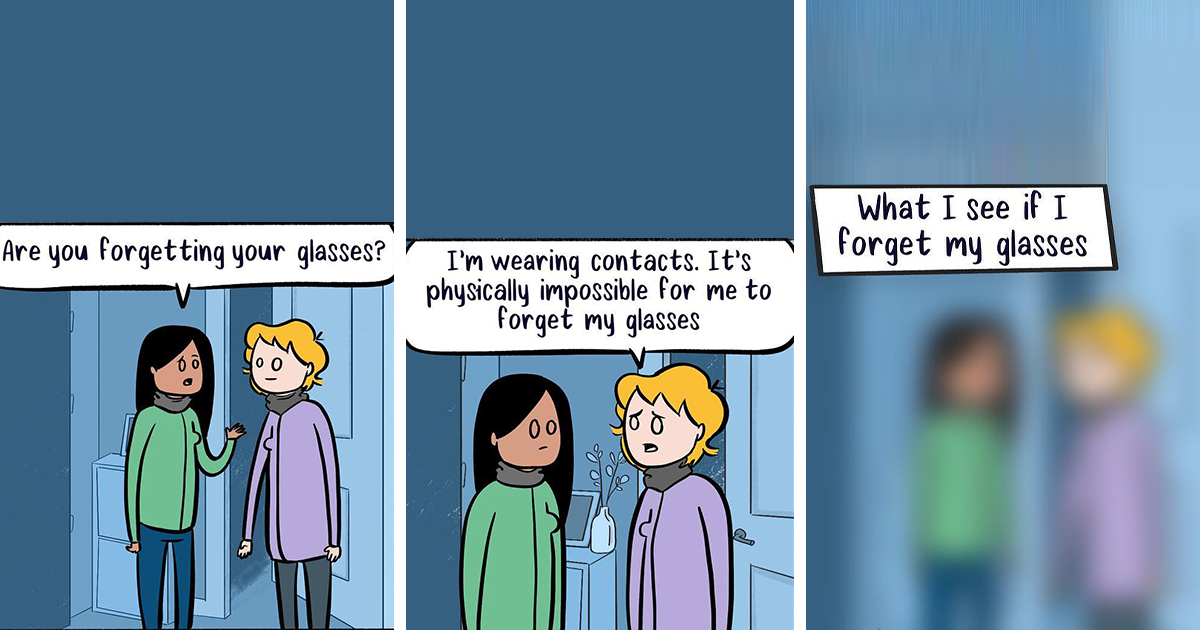

Everyday life is not always dramatic enough for a movie trailer, but it is absolutely ridiculous enough for a comic strip. That awkward moment when you cannot decide whether to draw on paper or an iPad? Comic material. The suspiciously fresh loaf of store-bought bread that survives longer than your houseplants? Definitely comic material. The tiny daily negotiations between ambition, laundry, public transportation, and your own brain? That is exactly where “Off in Outer Whitespace” comics find their magic.
The series, created by Anna, a Canadian comic artist known online as Off in Outer Whitespace, specializes in turning ordinary frustrations into weird, warm, and laugh-out-loud panels. Her comics often start in familiar territory: getting dressed, making art, dealing with indecision, surviving social awkwardness, or noticing something oddly specific about modern life. Then, just when the reader thinks they know where the joke is going, the strip takes a sharp left turn into absurdity. It is like slice-of-life comedy drank three coffees and opened a portal in the kitchen.
This article looks at why these 23 hilarious comics work so well, how they capture everyday struggles without becoming gloomy, and why online readers keep connecting with short, relatable webcomics. Whether you are a longtime fan of indie comics or simply need a laugh between emails, these panels offer the kind of humor that says, “Yes, life is strange, but at least we can point at it together.”
Who Is “Off in Outer Whitespace”?
Off in Outer Whitespace is the online comic project of Anna, a Canadian creator who shares comics across platforms including Reddit, Instagram, and WEBTOON. The series is often described as slice-of-life and comedy, but that label only tells half the story. Slice-of-life usually means “small moments from daily existence.” In Anna’s hands, those small moments become tiny comedy rockets launched from the very normal launchpad of human confusion.
The creator’s own tagline, “Live slow, die old, comic artists do it well,” perfectly matches the tone. There is a relaxed, observational quality to the work. The jokes do not feel like they are shouting for attention. Instead, they sneak up quietly, tap you on the shoulder, and reveal that your most ordinary habit is actually hilarious when viewed from two inches to the left.
One reason the comics stand out is their interactive spirit. Anna is known for creating comics that invite reader participation, especially on Reddit, where fans may comment with ideas and see those ideas transformed into custom response panels. That approach makes the work feel less like a one-way performance and more like a shared joke among people who are all equally baffled by being alive.
Why These 23 Comics Feel So Relatable
Relatable comics succeed when they make readers feel recognized without making them feel exposed. That is a delicate trick. Nobody wants a comic that says, “Here is your personality flaw under fluorescent lighting.” But everyone enjoys a comic that says, “You know that weird thing you do? A lot of us do it. Welcome to the club. The snacks are emotional support snacks.”
The 23 hilarious Off in Outer Whitespace comics featured around everyday struggles work because they take common situations and exaggerate them just enough. The humor is not based on grand disaster. It is based on tiny defeats: losing your glasses, choosing the wrong tool for a creative task, trying to dress like a functioning adult when laundry day has staged a coup, or noticing that some products seem to defy biology, physics, and basic bread logic.
1. Everyday Struggles Become Tiny Adventures
In many of these comics, the struggle is simple. A person faces a small decision or inconvenience. But the comic treats that moment like a full quest. Should the artist use an iPad or paper? The practical answer might be, “Either is fine.” The emotional answer, however, is a spiral of indecision, self-analysis, and possibly sitting on the floor staring at both options like they are ancient rival kingdoms.
That is the charm. The comic understands that everyday decisions often feel bigger than they look. Choosing what to wear, what to eat, how to work, or whether to answer a message now or pretend you became a forest spirit can feel strangely exhausting. Off in Outer Whitespace turns those invisible mental gymnastics into visible comedy.
2. The Absurdity Arrives at the Perfect Time
The best jokes often rely on timing, and these comics know when to shift gears. Many begin with a familiar setup, then move into a punchline that feels unexpected but not random. One comic may start with an ordinary observation, such as the difference between handmade and store-bought food, then build toward a conclusion that exposes how strange modern convenience can be. Another may flip expectations completely, such as presenting a baby in a situation that adults would already handle badly, then letting the absurd contrast do the work.
This style keeps the comics fresh. Instead of repeating the same “adulting is hard” joke, the artist finds new angles. Adulting is hard, yes, but it is also oddly theatrical. It involves props: coffee cups, laundry baskets, digital tablets, glasses, grocery bags, and suspiciously durable bread. Each object becomes a little comedy device.
The Art Style: Simple, Expressive, and Built for the Joke
A comic does not need hyper-detailed backgrounds to be effective. In fact, too much detail can slow down a quick visual gag. Off in Outer Whitespace uses a clear and expressive style that lets the reader understand the scene quickly. The faces, poses, and panel pacing carry the humor without making the joke feel crowded.
This is especially important for online comics. People often read webcomics on phones, between tasks, or while pretending they are not procrastinating. A strong webcomic must communicate fast. The reader should be able to catch the setup, understand the emotional beat, and land on the punchline in seconds. Anna’s work fits that rhythm well.
Expressive Characters Make Small Problems Feel Huge
One of the funniest things about slice-of-life comics is how facial expressions can turn a minor inconvenience into a personal saga. A blank stare can say, “I have lost faith in the universe.” A tiny frown can say, “The laundry has defeated me again.” A wide-eyed pause can say, “I have just realized the bread may outlive us all.”
Off in Outer Whitespace often leans into these emotional micro-reactions. The characters do not need long speeches. Their faces and body language do plenty of work. That economy makes the comics easy to read and easy to share.
Everyday Humor Works Because Life Is Already Weird
People often think comedy requires wild imagination, but everyday life is already a suspiciously chaotic writer. Consider the average day: You wake up tired from sleeping, spill coffee while trying to become functional, forget why you entered a room, open 14 browser tabs to complete one task, and then reward yourself with a snack because you answered an email. If that is not comedy, what is?
These comics succeed because they observe the weirdness we usually ignore. They notice how modern people talk to themselves, overthink tools, assign moral meaning to groceries, and treat minor inconveniences like boss battles. The jokes are funny because they are not entirely invented. They are exaggerated versions of behavior most readers recognize.
The Comedy of Indecision
Indecision appears often in modern humor because it is painfully common. We have more options than ever, which means we also have more ways to freeze. Digital or paper? Cook or order in? Dress nicely or wear the same hoodie and call it “signature style”? Reply now or craft the perfect response and accidentally wait six business days?
Off in Outer Whitespace captures that mental traffic jam with a light touch. Instead of scolding the character for being indecisive, the comic finds the comedy in the loop itself. The problem is not always the tool, the outfit, or the plan. Sometimes the problem is the tiny committee meeting happening inside one person’s head.
The Comedy of Social Awkwardness
Another recurring everyday struggle is the simple act of existing near other people. Public transportation, grocery stores, workplaces, and social gatherings are packed with unspoken rules. Do not stand too close. Do not smell weird. Do not make too much eye contact. Do not make too little eye contact. Say “you too” at the wrong time and spend the next four years remembering it in the shower.
Relatable comics thrive in this territory because awkwardness is universal. Off in Outer Whitespace does not need to create elaborate plots. A subway ride or a small misunderstanding can generate enough tension for a punchline. The humor comes from recognizing how much emotional effort goes into appearing normal.
Why Readers Love Webcomics About Everyday Struggles
Short online comics have become a powerful format because they fit the way people consume humor now. A reader may not have time for a full comedy special or a long essay, but a four-panel comic can deliver a complete emotional reset in under a minute. It is compact storytelling: setup, recognition, twist, release.
There is also a community element. When readers see a comic about a tiny struggle they know too well, they tag friends, leave comments, and add their own stories. The comic becomes a conversation starter. A joke about laundry turns into a thread about emergency outfits. A gag about drawing tools becomes a discussion among artists about the eternal battle between digital convenience and paper nostalgia.
This is one reason Anna’s interactive approach matters. By encouraging ideas and responses from readers, the comics become part of a shared creative loop. The audience is not only consuming humor; it is helping shape the atmosphere around it.
What Makes These Comics Different From Generic “Relatable” Humor?
The internet is full of relatable content, and not all of it feels fresh. Some posts simply say, “I am tired,” and yes, accurate, but we have been tired since approximately 2016. Off in Outer Whitespace works because the comics add a distinct personality to familiar themes. The jokes are not just labels for feelings. They are tiny scenes with movement, timing, and a little sideways logic.
There is also a refreshing lack of cynicism. The comics may poke fun at daily struggles, but they rarely feel mean. They are not laughing at people from a distance. They are laughing from inside the same messy kitchen, probably near the same pile of laundry.
Specific Details Make the Humor Stronger
Good relatable humor depends on details. “Life is hard” is true but broad. “I wore a dress because every other item of clothing was in the laundry” is specific, visual, and funny. “I cannot see anything clearly without my glasses” is common, but framing it as a daily survival problem gives it comic energy. “The bread is still fresh after eight days” is not just a food observation; it is a tiny mystery novel.
These specific details help readers connect. The more precise the situation, the more likely someone will think, “That is me.” Ironically, specificity often makes humor feel more universal.
23 Everyday Struggles These Comics Capture So Well
Although each comic has its own punchline, the overall collection circles around familiar categories of modern life. These are the kinds of struggles that make Off in Outer Whitespace so easy to enjoy:
- Creative indecision: Wanting to make art but getting trapped by the tools before the art even begins.
- Laundry logic: Treating clean clothes like a limited natural resource.
- Vision problems: Losing glasses and suddenly experiencing the world in abstract impressionism.
- Food mysteries: Wondering why some packaged items appear to have supernatural shelf life.
- Public awkwardness: Trying to behave normally while worrying about every tiny human signal.
- Nighttime thoughts: Becoming deeply philosophical at the exact hour when sleep should be happening.
- Overthinking: Turning simple choices into full internal documentaries.
- Modern convenience: Enjoying technology while also being personally bullied by it.
- Unexpected role reversals: Placing unlikely characters in ordinary adult situations for instant absurdity.
- Social commentary: Noticing odd habits in daily culture without becoming preachy.
These themes explain why the comics land so well. They do not require readers to know a complicated universe or follow a long storyline. The universe is our own daily life, slightly tilted.
The SEO Appeal of “Off in Outer Whitespace” Comics
From a content perspective, topics like funny comics, relatable webcomics, everyday struggles, and slice-of-life comics have strong reader appeal because they match common search intent. People looking for this type of article usually want quick entertainment, emotional recognition, and a light break from serious news or work tasks.
The title itself works well because it promises three things: a specific number, a named artist, and a clear emotional benefit. “23 Hilarious Comics” suggests variety. “Off in Outer Whitespace” provides a unique creator identity. “That Nail Everyday Struggles” tells readers exactly why they should care. The result is clickable without feeling empty.
For readers, the appeal is even simpler: the comics are funny. They offer a small laugh, and sometimes that is enough to improve the entire mood of a lunch break.
Why These Comics Are Worth Sharing
Shareable comics have one special advantage: they can say what people are already feeling, but with better timing and cuter drawings. When someone sends a comic to a friend, the message is often not just “look at this.” It is “this is us,” “this is me,” or “please confirm I am not the only person who does this.”
Off in Outer Whitespace comics are especially shareable because they blend honesty with absurdity. They do not simply complain about life. They transform frustration into a joke that feels lighter after reading. That is a meaningful skill. Comedy does not fix laundry, decision fatigue, or awkward subway rides, but it can make them feel less lonely.
Experience Section: Reading “Off in Outer Whitespace” Feels Like Laughing at Your Own Brain
There is a particular kind of comfort in reading a comic that understands the small disasters of being a person. Not the giant cinematic disasters, but the little ones: the lost glasses, the blank page, the overstuffed laundry basket, the weird food label, the moment when your brain decides that choosing between two perfectly fine options is now a federal investigation. Reading Off in Outer Whitespace feels like watching those tiny glitches get gently placed under a magnifying glass.
One of the best experiences these comics offer is recognition. You start reading because the drawing looks cute or the setup seems funny, and then suddenly the punchline hits a little too close to home. It is not painful; it is more like being caught sneaking a cookie by someone who is also sneaking a cookie. There is a shared guilt, but mostly there is relief.
The comics also capture the strange rhythm of modern attention. Many people today bounce between tasks, tabs, messages, and unfinished ideas. We are surrounded by tools designed to make life easier, yet somehow we still manage to become overwhelmed by whether to use the old notebook or the shiny tablet. That is why a comic about creative indecision feels bigger than art supplies. It becomes a joke about choice overload, self-doubt, and the hilarious human ability to complicate anything.
Another enjoyable part of these comics is how they make ordinary objects suspicious. A loaf of bread is no longer just bread. It becomes evidence. A dress is no longer just clothing. It becomes proof that laundry has collapsed as a system. Glasses are not simply eyewear. They are the thin barrier between civilization and walking into furniture. The artist’s humor makes readers look at their own surroundings differently. Suddenly the kitchen, closet, and desk are full of potential punchlines.
As a reader, the experience is also pleasantly low-pressure. You do not need to study lore, memorize character names, or commit to a 900-chapter saga. You can read one comic, laugh, and move on with your day slightly improved. That quick accessibility is part of the charm. In a noisy online world, a short comic that delivers a clean laugh is like finding a parking spot right in front of the building. Rare. Beautiful. Possibly suspicious.
What makes the humor linger, though, is the warmth underneath it. The comics laugh at everyday struggles without making the people in them seem foolish. Instead, they suggest that confusion is part of the shared human operating system. Everyone overthinks. Everyone has weird habits. Everyone has moments when they are technically an adult but emotionally a raccoon holding a calendar.
That is why Off in Outer Whitespace comics feel so easy to recommend. They are funny in the moment, but they also leave behind a soft little reminder: life is messy, people are strange, and the best response is sometimes to turn the whole thing into a four-panel joke.
Conclusion
“23 Hilarious Comics By ‘Off in Outer Whitespace’ That Nail Everyday Struggles” is more than a collection of quick jokes. It is a celebration of the little absurdities that make daily life both exhausting and entertaining. Anna’s comics work because they understand the comedy hiding inside ordinary routines: laundry, art tools, public spaces, food mysteries, and the endless negotiations we conduct with our own brains.
In a digital world crowded with fast content, Off in Outer Whitespace stands out by being specific, expressive, and warmly weird. The comics do not try to solve everyday struggles. They do something almost as useful: they make those struggles funny enough to survive.