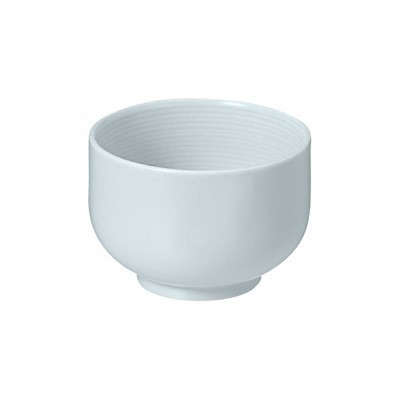

A white porcelain sencha teacup may look simple at first glance, but that quiet little cup is doing more work than a polite intern at a tea shop. It frames the color of the tea, affects how quickly the liquor cools, supports the aroma, feels smooth in the hand, and turns an ordinary green tea break into a small daily ceremony. For anyone who loves Japanese green tea, especially sencha, the right cup is not just a pretty accessory. It is part of the flavor experience.
Sencha is one of Japan’s most beloved green teas, known for its fresh grassy aroma, gentle sweetness, pleasant astringency, and savory umami notes. Unlike matcha, which is powdered and whisked, sencha is steeped as whole processed leaves in hot water. Because sencha can be delicate, the vessel matters. A white porcelain teacup gives the tea a clean stage: no visual distractions, no absorbed flavors, no dramatic glaze pattern yelling, “Look at me!” while your tea is trying to be graceful.
This guide explores what makes a white porcelain sencha teacup special, how it compares with other tea cups, what to look for when buying one, how to use it correctly, and why tea lovers often come back to this classic style again and again.
What Is a White Porcelain Sencha Teacup?
A white porcelain sencha teacup is a small cup designed for serving Japanese green tea, especially sencha. It is usually handle-free, lightweight, smooth, and made from high-fired porcelain. The word “sencha” refers to the tea, while the cup may overlap with Japanese teacup styles such as yunomi, kumidashi, or smaller tasting cups. The defining features are simplicity, a white interior, and a shape that supports careful tea drinking rather than giant-mug chugging.
Porcelain is made from refined clay materials such as kaolin, often fired at very high temperatures. The result is a dense, smooth, nonporous ceramic body that resists absorbing odors and flavors. That matters for sencha because green tea is subtle. If a cup has absorbed yesterday’s smoky hojicha, this morning’s delicate sencha may taste like it spent the night in a campfire. Porcelain helps keep flavors clean and honest.
Why White Porcelain Works So Well for Sencha
It Shows the True Color of the Tea
One of the biggest advantages of a white porcelain sencha teacup is visibility. Sencha can range from pale yellow-green to deeper jade depending on the cultivar, harvest, steaming level, leaf quality, and brewing method. A white cup makes that color easy to see. This is why white porcelain is often favored in tasting settings: it allows the drinker to judge clarity, brightness, and depth without interference from a dark or heavily patterned interior.
A deep blue or black cup may look dramatic on a shelf, but it can hide the visual character of the tea. A white cup, by contrast, turns sencha into a tiny landscape. Light-steamed sencha may appear clear and golden green. Deep-steamed fukamushi sencha may look cloudier and more vivid. Both are beautiful, and white porcelain lets them show off without needing a spotlight and a publicist.
It Keeps Flavor Neutral
Because quality porcelain is dense and nonporous, it does not easily hold onto flavor. This is helpful if you drink multiple teas. A porous clay cup can develop character over time, which can be wonderful for certain teas, but it may also influence taste. For sencha, neutrality is often preferred. You want to taste the tea leaves, not a mysterious ghost of every beverage that came before.
This makes white porcelain especially useful for tea beginners, daily drinkers, and anyone comparing different sencha varieties. If you are tasting a first-harvest sencha next to a deeper-steamed sencha, a neutral cup helps make the differences easier to notice.
It Feels Elegant Without Being Fussy
White porcelain has a clean, timeless look. It fits modern kitchens, traditional tea trays, minimalist desks, and even chaotic countertops where someone forgot to put away the cereal box. Its simplicity works because it does not compete with the tea. It gives the ritual a calm visual anchor.
Unlike oversized Western mugs, a sencha teacup is usually smaller. That smaller size encourages slower drinking and multiple pours. Sencha is often brewed in small amounts and enjoyed over several infusions, so a compact cup supports the rhythm of the tea rather than turning it into a one-and-done beverage.
Sencha and the Importance of Cup Size
Many white porcelain sencha teacups range from about 60 ml to 150 ml, though sizes vary widely. Smaller cups are common for higher-grade teas because they encourage mindful sipping and prevent the tea from cooling unevenly in a large vessel. A smaller cup also makes it easier to appreciate aroma and texture.
For everyday sencha, a cup around 100 ml to 150 ml is practical. It gives enough room for a satisfying serving without making the tea feel diluted or casual in the wrong way. For premium sencha or gyokuro-style tasting, a smaller 50 ml to 80 ml cup can feel more refined. Think of it like choosing glassware for wine: yes, you could drink excellent wine from a plastic stadium cup, but the wine may file a complaint.
The Shape of a Good Sencha Teacup
Wide-Mouthed Cups
A slightly wide-mouthed white porcelain teacup cools tea faster and releases aroma quickly. This can be helpful for sencha because Japanese green tea is typically brewed at lower temperatures than black tea. If the cup is broad and shallow, the tea becomes drinkable sooner and presents its fragrance more openly.
Taller Yunomi-Style Cups
A yunomi is a common Japanese everyday teacup, usually cylindrical and handle-free. Taller yunomi cups retain heat a little longer and feel comforting in the hands. They are excellent for casual daily use, especially when drinking bancha, hojicha, genmaicha, or regular sencha. A white porcelain yunomi gives you practicality with a refined look.
Small Tasting Cups
Small white porcelain tasting cups are ideal for evaluating sencha. They make it easier to compare color, aroma, body, and aftertaste across multiple brews. If you enjoy experimenting with steeping temperatures, leaf ratios, or water types, a small white tasting cup can become your best tea detective.
How to Brew Sencha for a White Porcelain Teacup
The cup is important, but brewing still does the heavy lifting. Sencha is sensitive to water temperature. Boiling water can make it bitter and sharp because it extracts more astringency too quickly. Most sencha tastes best when brewed around 158°F to 176°F, or about 70°C to 80°C. Premium sencha often benefits from the lower end of that range, while everyday sencha may handle slightly warmer water.
Simple Brewing Method
Use about 2 to 3 grams of sencha per small cup, or around 5 to 6 grams for a small kyusu teapot serving two people. Heat fresh water, then let it cool before pouring it over the leaves. Steep for about 45 to 90 seconds depending on the tea style. Deep-steamed sencha may need a shorter infusion, while light-steamed sencha may benefit from a little more time.
Pour the tea evenly into each white porcelain cup if serving multiple people. Alternate between cups in small pours so everyone gets the same strength. The last drops are often the richest, so do not abandon them in the teapot like forgotten treasure.
Using the Cup to Cool Water
A classic practical trick is to pour hot water into the empty teacup first. This warms the porcelain and helps cool the water slightly before brewing. Then pour that water into the teapot over the leaves. This method is simple, elegant, and useful when you do not have a thermometer. It also preheats the cup, which improves the drinking experience.
What to Look for When Buying a White Porcelain Sencha Teacup
1. A Clean White Interior
The interior should be bright enough to reveal the tea’s color. A pure white or soft ivory interior works beautifully. Avoid interiors that are too dark if your goal is serious sencha appreciation.
2. Comfortable Rim Thickness
The rim affects how the tea feels when you sip. A thinner rim often feels refined and allows the tea to flow smoothly. A thicker rim may feel sturdier and more casual. Neither is automatically better; it depends on your preference. For delicate sencha, many tea lovers prefer a fine rim.
3. Good Balance in the Hand
Since many sencha cups do not have handles, comfort matters. The cup should feel stable, not slippery or awkward. A slightly tapered shape can be easier to hold. If the cup is too thin, it may become hot to the touch. If it is too thick, it may feel clunky. The sweet spot is light but confident.
4. Food-Safe Glaze
Choose cups clearly labeled as food-safe. This is especially important with vintage, handmade, or imported ceramics. Decorative items should not be used for drinking unless they are specifically marked safe for food and beverages. White porcelain from reputable makers is generally a reliable choice, but it is still smart to check product details.
5. Capacity That Matches Your Tea Habit
If you drink sencha at your desk, a slightly larger cup may be more convenient. If you enjoy ceremonial-style brewing or tasting premium leaves, choose smaller cups. For a household, buying a set of matching cups can make serving easier and prettier. Also, matching cups reduce the risk of someone getting the “good cup” while another person gets the random novelty mug shaped like a llama.
White Porcelain vs. Stoneware, Glass, and Clay
White Porcelain vs. Stoneware
Stoneware is durable, warm, and often rustic. It is great for cozy everyday tea. Porcelain, however, usually offers a smoother and more refined surface. For sencha, porcelain has the advantage of neutrality and visual clarity. Stoneware may retain heat longer, while porcelain often feels lighter and more elegant.
White Porcelain vs. Glass
Glass also shows tea color beautifully, but it can feel less traditional for Japanese green tea. Glass may cool quickly and can become hot to the touch depending on thickness. White porcelain offers a balance of color visibility, comfort, and classic tea-room charm.
White Porcelain vs. Unglazed Clay
Unglazed clay can subtly interact with tea, sometimes softening astringency or changing mouthfeel. This can be wonderful, especially with certain teas and dedicated teaware. But for tasting sencha clearly, white porcelain is often the more neutral choice. It gives you fewer variables and a cleaner comparison.
Care and Cleaning Tips
White porcelain is usually easy to clean, but tea can still leave stains over time. Rinse the cup soon after use, especially if you drink strong green tea daily. Use a soft sponge and mild dish soap. Avoid abrasive scrubbers that can dull the glaze. If stains appear, a paste of baking soda and water can help lift discoloration gently.
Many porcelain cups are dishwasher-safe, but handmade or delicate cups may be better washed by hand. If the cup has gold, silver, or metallic decoration, do not place it in the microwave. Plain white porcelain is often microwave-safe, but always follow the maker’s instructions. Tea should be relaxing; it should not involve sparks, panic, and a dramatic microwave beep.
Design Ideas: How to Style a White Porcelain Sencha Teacup
A white porcelain sencha teacup looks beautiful with bamboo trays, linen napkins, wooden tea scoops, and simple ceramic teapots. Pair it with a black or natural wood tray for contrast. Use it beside a kyusu teapot for a traditional Japanese tea setup. For a modern kitchen, display two or four white cups on an open shelf with a small tea canister nearby.
Because the cup is visually simple, it also works well with seasonal sweets. In spring, pair sencha with mochi or light citrus desserts. In summer, serve chilled sencha in the cup for a refreshing afternoon break. In autumn, try it with roasted nuts or lightly sweet wagashi. In winter, warm the cup first and let the steam do its cozy little dance.
Who Should Buy a White Porcelain Sencha Teacup?
A white porcelain sencha teacup is ideal for people who enjoy Japanese green tea, appreciate minimalist design, or want to improve their tea ritual without buying a cabinet full of complicated equipment. It is also a thoughtful gift for tea lovers, especially when paired with quality sencha leaves.
Beginners will appreciate how easy it is to use and clean. Experienced tea drinkers will value its neutrality and clarity. Home stylists will love its clean appearance. Office tea drinkers will enjoy the small pause it creates in the middle of a busy day. In short, this cup has range.
Common Mistakes to Avoid
Using Boiling Water for Sencha
The fastest way to make sencha taste harsh is to pour boiling water directly onto the leaves. Let the water cool first. Your tea will reward you with sweetness, umami, and fewer bitter surprises.
Choosing a Cup That Is Too Large
A giant mug may be comfortable, but it can make sencha feel thin and casual. Smaller cups help maintain the character of the tea and encourage multiple infusions.
Ignoring the Interior Color
If you buy a cup for sencha appreciation, choose one with a light interior. A white interior makes the tea easier to observe and enjoy.
Using Decorative Porcelain Not Intended for Food
Some porcelain items are made for display only. Always confirm that the cup is food-safe before drinking from it.
Experience Notes: Living With a White Porcelain Sencha Teacup
The first thing you notice when using a white porcelain sencha teacup is how quiet it feels. Not literally quiet, of course, unless your cups have been gossiping behind your back. The quietness is visual. A plain white cup removes clutter from the tea moment. You pour the sencha, and suddenly the color becomes the main event. That pale green glow looks brighter against porcelain than it does in a busy patterned mug. It feels like the tea is finally getting proper lighting.
In daily use, the cup changes the pace of drinking. A smaller sencha cup does not invite you to gulp. It asks you to pause, hold, sip, and notice. The warmth reaches your fingers, the aroma rises gently, and the first taste often seems more layered than expected. With a good sencha, you may notice steamed greens, sea breeze, fresh grass, sweet corn, or a soft savory note. In a large mug, those details can disappear under volume. In a porcelain teacup, they feel closer.
Another pleasant experience is how easy the cup is to pair with different moods. On a workday morning, it makes a quick tea break feel intentional. In the afternoon, it offers a calmer alternative to another coffee. At night, a small cup of mild green tea can feel like a gentle closing ritual, especially when paired with a clean desk and the rare miracle of an empty inbox.
The white interior is also surprisingly helpful for learning. When you brew sencha too hot, the tea may look darker and taste more bitter. When you brew it cooler, the color may be softer and the flavor sweeter. After a few sessions, the cup becomes a visual guide. You start connecting color with taste. That is when tea stops being just a beverage and becomes a small craft.
Cleaning is part of the experience too. White porcelain makes stains visible, which may sound annoying, but it is useful. It reminds you to rinse the cup after drinking. A quick wash keeps it bright and fresh. Over time, the cup stays elegant instead of developing the “forgotten office mug” look, which is less Japanese tea ceremony and more workplace archaeological site.
Guests also respond well to white porcelain sencha cups. They look clean, thoughtful, and welcoming. Serving tea in matching white cups creates a sense of care without feeling overly formal. It says, “I prepared this for you,” not “Please sit perfectly still while I judge your sipping technique.” That balance makes the cup excellent for both beginners and serious tea drinkers.
Perhaps the best part is that a white porcelain sencha teacup makes ordinary tea feel special without demanding perfection. You do not need a full tea room, a rare antique teapot, or a personality built entirely around water temperature. You just need good leaves, warm water, and a cup that lets the tea speak clearly. Some objects make life louder. This one makes it calmer. That is a small luxury worth keeping within reach.
Conclusion
A white porcelain sencha teacup is more than a simple drinking vessel. It is a practical, elegant, and flavor-friendly companion for Japanese green tea. Its white interior highlights the color of sencha, its nonporous surface keeps flavors clean, and its compact size supports mindful sipping. Whether you are new to Japanese tea or already own more tea leaves than you are emotionally prepared to admit, this cup is a smart addition to your daily ritual.
Choose a cup with a comfortable shape, food-safe glaze, suitable capacity, and clean white interior. Use it with properly brewed sencha, avoid boiling water, and let the cup guide you toward a better tea experience. Simple? Yes. Boring? Not even close.
Note: This article synthesizes real tea, teaware, brewing, and ceramic care information from reputable sources while keeping the final content original, readable, and ready for web publishing.