
The Fisher Blacksmithing Three Tined Garden Rake is the sort of tool that makes a gardener pause, lean on the fence, and say, “Well, that’s too pretty to get dirty.” Then, five minutes later, it is happily clawing through soil, chasing grass runners, and looking even better with a little honest garden dust on it.
This is not a flimsy hand rake that bends the first time it meets stubborn roots. It is a hand-forged garden tool built in Bozeman, Montana, with a black walnut handle, solid steel rivets, and three sculptural tines designed for real work. It blends old-school blacksmithing with practical garden performance, which is a fancy way of saying it looks like art but behaves like a dependable little beast in the flower bed.
For gardeners who care about durability, craftsmanship, and the feel of a well-balanced hand tool, this three tined rake deserves attention. It is useful for loosening soil, removing shallow-rooted weeds, cleaning around ornamental grasses, and working in tight spaces where a full-size garden rake would be about as graceful as a moose in a tulip bed.
What Is the Fisher Blacksmithing Three Tined Garden Rake?
The Fisher Blacksmithing Three Tined Garden Rake is a compact hand rake, also commonly thought of as a cultivator. It measures approximately 12 inches long by 5 inches wide, making it easy to use in raised beds, perennial borders, containers, herb gardens, and small vegetable plots.
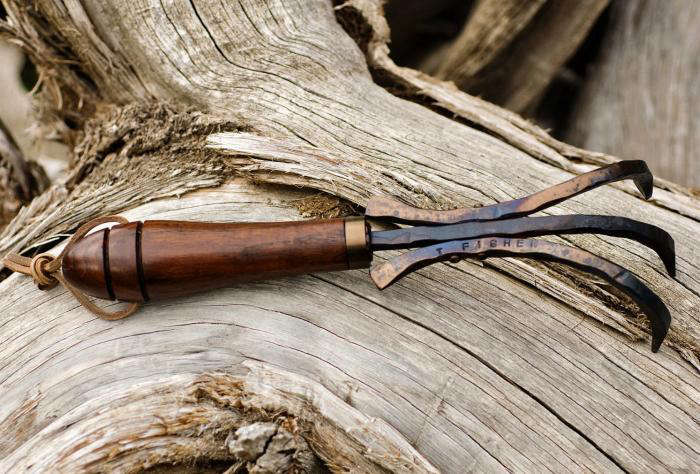
The tool has three hand-forged steel tines set into a hand-turned American black walnut handle. The side tines flare slightly, creating a fleur-de-lis shape that gives the rake its distinctive look. The design is decorative, yes, but not merely decorative. The tine shape helps the rake slip into soil, pull through surface roots, and loosen compacted areas without requiring the gardener to wrestle the ground like it owes money.
Unlike mass-produced tools that often rely on thin metal, lightweight handles, and weak joints, this rake is built with traditional blacksmithing techniques. Steel is heated, shaped over an anvil, and joined with solid steel rivets. That matters because garden tools face constant pressure: twisting, pulling, scraping, prying, dropping, and the occasional accidental encounter with a hidden rock that was definitely not invited.
Why This Three Tined Garden Rake Stands Out
Hand-Forged Strength
The biggest selling point of the Fisher Blacksmithing Three Tined Garden Rake is its hand-forged construction. Forged steel has a different personality than stamped metal. It feels substantial, intentional, and ready for years of use. The tines are made to dig into soil, not politely suggest that the soil consider moving.
This makes the rake especially useful for gardeners who deal with abrasive soil, recurring weeds, dry crusted beds, or dense plantings. A cheap tool may be fine for one sunny afternoon, but a forged tool is built for season after season of repeated use.
American Black Walnut Handle
The handle is made from American black walnut, a hardwood prized for beauty, density, and smooth feel. A good wooden handle matters more than many beginners realize. Gardening is repetitive work. If a handle feels awkward, slippery, rough, or poorly balanced, your hand notices before your brain does. By the end of an hour, your wrist is writing a strongly worded complaint.
The hand-turned walnut handle gives the rake a warm, comfortable grip. It also adds to the tool’s heirloom appeal. This is the kind of garden rake that looks at home hanging in a potting shed, tucked beside seed packets, clay pots, and that one mysterious bag of labels you keep meaning to organize.
Solid Steel Rivets
The rake uses solid steel rivets for joinery. This detail is small but important. Rivets help create a sturdy connection between the forged head and handle. In ordinary garden work, pressure does not always move in one clean direction. You pull, lift, angle, twist, and sometimes pry. A strong joint helps the tool stay tight and responsive.
A Useful Size for Real Garden Beds
At roughly 12 inches long and 5 inches wide, this is not a long-handled landscape rake. It is a close-work hand tool. That makes it ideal for detailed gardening tasks: loosening soil between seedlings, cleaning around established perennials, cultivating near herbs, and pulling out fine roots without disturbing half the bed.
In small gardens, large tools often create large problems. A full-size rake can flatten seedlings, scrape mulch into the wrong place, or knock over plant markers. A compact three tined rake gives you control. It lets you work where your plants actually live, not three feet away from them.
Best Uses for the Fisher Blacksmithing Three Tined Garden Rake
Breaking Up Surface Soil
After rain, watering, or repeated foot traffic around a bed, the soil surface can become crusty. This rake is useful for gently breaking that top layer so air and water can move more easily. It is not meant to replace a digging fork or broadfork for deep soil work, but for surface cultivation, it is wonderfully handy.
Use short pulling motions rather than aggressive chopping. Let the tines do the work. If the soil is slightly moist but not wet, the rake can loosen the surface cleanly. If the soil is too wet, you risk damaging structure and creating clumps. If it is bone dry, you may feel like you are combing concrete.
Attacking Rhizomatous Weeds
One of the standout uses for this rake is dealing with shallow rhizomes and runner-type weeds. Rhizomatous weeds spread through underground stems, which can make them annoying little garden escape artists. The three tines can slip below the surface and help lift runners where you can see and remove them.
This is especially helpful around ornamental grasses and groundcover edges. Instead of digging a giant crater, you can work carefully under the surface and tease out unwanted growth. The goal is not to pulverize the weed into confetti. With rhizomes, broken pieces may regrow, so lift and remove as much of the root structure as possible.
Working Around Ornamental Grasses
Ornamental grasses are beautiful, but cleaning around them can be awkward. Their bases are dense, and weeds often hide in the skirt of foliage like they are renting a tiny apartment. A three tined hand rake can reach into those tight zones, loosen debris, and pull out shallow intruders without damaging the plant crown.
Preparing Small Seedbeds
Garden rakes are traditionally used to level and prepare seedbeds. The Fisher three tined rake is smaller, so it shines in small spaces rather than broad rows. Use it to crumble small clods, even out a container surface, or prepare a patch for lettuce, radishes, herbs, or flowers.
For larger seedbeds, a full-size steel rake is still the better choice. For close-up finishing work, this hand rake gives more finesse. Think of the full-size rake as the broom and this tool as the detail brush.
Mixing Compost Into the Top Layer
When adding compost around established plants, a compact hand rake helps blend organic matter into the upper soil without disturbing deeper roots. Spread a thin layer of compost, then pull the rake lightly through the surface. This works well in raised beds, containers, flower borders, and kitchen gardens.
Who Should Buy This Hand-Forged Garden Rake?
The Fisher Blacksmithing Three Tined Garden Rake is best for gardeners who value quality over bargain-bin pricing. It is not aimed at people who want the cheapest tool possible for one weekend project. It is for people who enjoy using beautiful, durable tools and who understand that a well-made rake can outlast several cheaper replacements.
It is a smart choice for serious home gardeners, flower growers, vegetable gardeners, herb gardeners, and anyone who spends time maintaining beds by hand. It also makes an excellent gift for gardeners who already own the basics but appreciate tools with personality. Wedding gift? Housewarming gift? Birthday gift for someone who knows the difference between compost and mulch? Absolutely.
Beginners can use it too. In fact, a good tool can make gardening less frustrating for new gardeners. A tool that feels comfortable and works properly helps build confidence. It is much easier to fall in love with gardening when your hand tools are not actively plotting against you.
How It Compares With Ordinary Hand Cultivators
Most garden centers sell basic three-prong hand cultivators. Many are affordable, lightweight, and perfectly acceptable for occasional use. The Fisher Blacksmithing version is different because it emphasizes handmade construction, stronger materials, and long-term durability.
An ordinary cultivator may have a plastic or softwood handle, welded head, or thin steel tines. Those features keep the price low but may reduce lifespan. The Fisher rake, by contrast, uses forged steel, black walnut, and riveted joinery. It feels less like a disposable accessory and more like a tool with a future.
The design is also more elegant. That may sound superficial, but gardeners understand the emotional value of good tools. When a tool is satisfying to hold, you use it more often. When you use it more often, your garden looks better. Beauty is not the only point, but it certainly does not hurt.
How to Use the Three Tined Garden Rake Effectively
Use It When Soil Is Slightly Moist
The best time to cultivate is usually when soil is damp but not soggy. Slightly moist soil loosens more easily, and weeds are simpler to lift. Wet soil can compact and smear, while dry soil may resist the tines. If your soil sticks to the rake like brownie batter, wait. Your garden is not ready; it is making mud pies.
Pull, Lift, and Shake
For weeds with shallow runners, insert the tines just below the surface and pull toward you. Lift the loosened roots and shake off extra soil. Remove the weed material from the bed, especially if it spreads by rhizomes or has gone to seed.
Work Close, But Not Too Close
The rake is excellent for working around plants, but roots deserve respect. Stay far enough from stems and crowns to avoid damage. Use lighter pressure near seedlings, perennials, and shallow-rooted herbs.
Let the Tool Do the Work
A hand-forged rake should not require dramatic effort. If you find yourself stabbing the ground like a medieval extra in a garden-themed battle scene, switch techniques. Try shorter strokes, change the angle, or water the bed and return later.
Care and Maintenance Tips
High-quality garden tools can last for decades with proper care. The Fisher Blacksmithing Three Tined Garden Rake is built for durability, but no tool enjoys being left outside in rain, buried in mulch, or abandoned in the grass where a lawn mower may discover it with terrible enthusiasm.
Clean After Use
Brush soil from the tines after every use. A stiff brush, rag, or quick rinse can remove most dirt. Dry the steel before storing it. Moisture is the enemy of carbon steel and the close personal friend of rust.
Oil the Metal
A light coat of oil on the steel helps prevent rust. This is especially important if you garden in humid climates or store tools in an unheated shed. Use a small amount and wipe away excess. The goal is protection, not turning your potting bench into a salad dressing station.
Care for the Walnut Handle
Wooden handles benefit from occasional care. If the handle ever feels rough, smooth it gently with fine sandpaper. Apply a thin coat of linseed oil or another suitable wood oil, let it absorb, and wipe it clean. This helps preserve the handle and keeps it comfortable in the hand.
Store It Properly
Hang the rake or store it in a dry place. Do not leave it sitting in wet soil or exposed to weather. A handcrafted tool deserves better than spending the night face-down in a tomato bed.
Is the Fisher Blacksmithing Three Tined Garden Rake Worth It?
For gardeners who only plant one pot of basil every three years, this rake may be more tool than necessary. But for people who regularly weed, cultivate, and maintain planted beds, it offers real value. It is durable, practical, beautiful, and made with a level of craftsmanship that is increasingly rare in everyday garden tools.
The strongest argument for this rake is not simply that it is handmade. Handmade alone does not guarantee usefulness. The argument is that it combines handmade construction with a practical design. The tines are shaped for real gardening tasks. The handle is comfortable. The size is convenient. The materials are strong. The result is a tool that earns its place in the shed.
It also supports American craft. Fisher Blacksmithing tools are associated with small-shop production rather than anonymous factory output. For many gardeners, that matters. Gardening itself is personal and tactile. Using a tool made by a craftsperson feels consistent with the slower, more thoughtful rhythm of planting, tending, and harvesting.
Real-World Experience: Living With a Three Tined Garden Rake
Using a tool like the Fisher Blacksmithing Three Tined Garden Rake changes the pace of garden work. It encourages closer attention. Instead of charging through a bed with a large rake, you get down near the plants and notice what is actually happening: the tiny weeds hiding under the mulch, the soil crust forming near the drip line, the grass runner sneaking under the edging like it has a fake passport.
The first thing most gardeners notice is balance. A good hand rake should not feel top-heavy or flimsy. It should feel like an extension of the hand. The walnut handle gives warmth and grip, while the forged head provides enough weight to bite into the soil without feeling clumsy. That balance makes repetitive tasks easier. When cleaning a perennial border, for example, you can work around plant crowns without constantly changing tools.
In raised beds, the rake is especially pleasant. Raised beds often have loose, improved soil, but they still develop weeds and surface compaction. This tool can scratch through the top inch, lift small weeds, and blend compost into corners where long-handled tools are awkward. It is also useful between rows of compact crops such as lettuce, onions, carrots, and herbs. The narrow working width gives control, which is exactly what you want when seedlings are lined up like tiny green soldiers.
In ornamental beds, the rake feels more like a grooming tool. Around grasses, daylilies, salvia, coneflowers, and low shrubs, it can pull out loose debris and disturb young weeds before they become established. The three tines are aggressive enough to work but not so broad that they wreck the whole planting. That makes maintenance feel less like demolition and more like editing.
There is also a quiet satisfaction in using a tool that looks handcrafted. Gardeners are practical people, but they are not immune to charm. A beautiful rake does not make weeds disappear by magic, unfortunately. If it did, gardeners would build shrines to it. But beauty can make routine chores more enjoyable, and enjoyable chores get done more often.
One practical lesson is to keep the rake visible. Because it is compact and attractive, it is tempting to set it down “just for a second.” That second can become an afternoon. Store it on a hook, in a tool caddy, or near the potting bench. Wipe it clean after use and treat it like a long-term companion, not a disposable gadget.
Over time, the tool should develop character. The handle may darken slightly. The steel may show signs of honest use. That is part of the appeal. A handmade garden tool does not need to stay showroom-perfect. It should age into the work. Scratches, polish marks, and a well-oiled handle tell the story of seasons spent planting, weeding, and coaxing order out of nature’s enthusiastic chaos.
The Fisher Blacksmithing Three Tined Garden Rake is best understood as a small tool with a big role. It will not replace every rake, hoe, fork, or trowel in the shed. But it may become the one you reach for again and again when the job is close, detailed, and slightly fussy. In gardening, those jobs are everywhere.
Conclusion
The Fisher Blacksmithing Three Tined Garden Rake is a beautifully made, highly functional hand tool for gardeners who want strength, control, and craftsmanship in one compact package. With forged steel tines, a hand-turned American black walnut handle, and solid riveted construction, it is built for loosening soil, lifting shallow weeds, grooming ornamental beds, and working in tight garden spaces.
It is not the cheapest hand rake, and that is exactly the point. This is an heirloom-style garden tool for people who prefer buying once, caring well, and enjoying the feel of a tool that was made with skill. Whether used in raised beds, flower borders, herb gardens, or around ornamental grasses, it brings both usefulness and pleasure to everyday garden work.
Note: Availability, pricing, and product details may change over time. Always check the current seller or maker information before purchasing.