
Every home has that one surprise guest. Sometimes it is your neighbor dropping by unannounced. Sometimes it is a package you forgot you ordered. And sometimes, because the universe enjoys chaos, it is a very alarmed bird doing laps around your living room like it just discovered caffeine.
If a wild bird flies into your house, the goal is simple: get it back outside quickly, calmly, and without turning your kitchen into an amateur wildlife rodeo. The good news is that humane bird removal is usually much easier than people think. In most cases, you do not need force, gadgets, or a dramatic slow-motion chase scene. You need less noise, fewer people, one clear exit, and a little patience.
This guide explains exactly how to get a bird out of your house without harming it, what not to do, when to call a wildlife rehabilitator, and how to keep the same bird from treating your home like an accidental Airbnb in the future.
Why Birds Fly Into Houses in the First Place
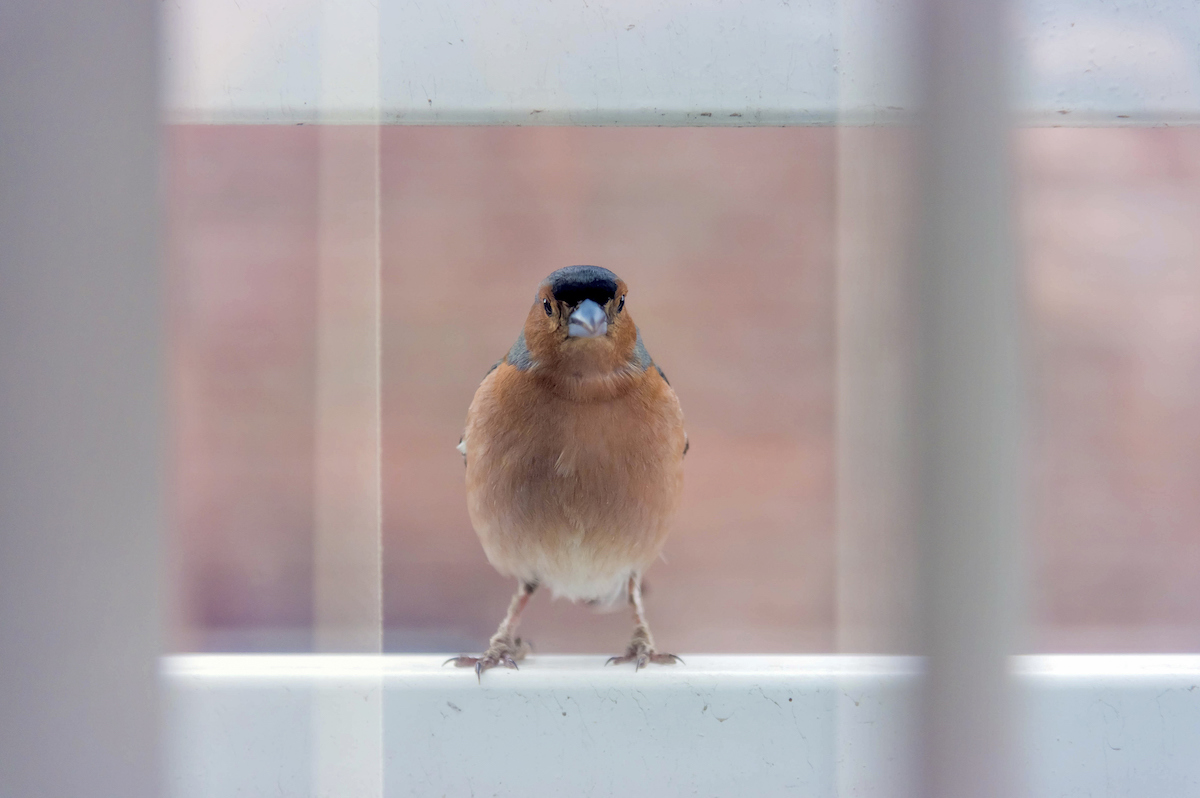
A bird in the house usually is not trying to move in. It is confused. Birds can fly indoors through an open door, garage, porch, chimney, or unscreened window. Once inside, they may panic, bounce toward light sources, or keep flying at closed glass because windows and reflections do not register the way they do for humans.
This is especially common during migration, after a predator scare, or around homes with lots of glass, bright nighttime lighting, or visual reflections from trees and sky. To the bird, that big shiny window may look like open space. To you, it looks like a cleaning chore waiting to happen.
What to Do First When You Notice a Bird Indoors
1. Stay calm and lower the chaos level
The first step in safe bird removal is not charging at the bird with a broom. It is reducing stress. A frightened bird can injure itself by crashing into walls, mirrors, windows, ceiling fans, or furniture. Move slowly, speak softly, and do not let children or pets join the “rescue.” This is not a family sport.
Take dogs and cats out of the room right away. Turn off ceiling fans. Shut interior doors so the bird is confined to one room if possible. Fewer escape routes inside the house mean one better escape route to the outside.
2. Create one obvious way out
If you want to get a bird out of your house without harming it, make the outdoors easy to find. Open one exterior window or one exterior door as wide as possible. If there is a screen, remove it. Then close other windows and doors in the room so the bird is not trying to choose between ten bad options.
The trick is to create a single, clear path. Birds do better when there is one bright opening instead of a whole house full of glare, reflections, and mixed signals.
3. Make the rest of the room look less inviting
Close blinds or curtains on other windows. Cover mirrors if necessary. If the room has large glass doors or reflective panels, drape a light sheet over them so the bird does not keep flying into the wrong “sky.” Keep the open exit area bright and the rest of the room relatively dim.
At night, turn off indoor lights near the bird and, if helpful, leave the outside light on near the open exit. During daylight hours, natural light from the open door or window usually does the job.
4. Back off and give the bird a minute
Once the room is quiet and the exit is obvious, step back. In many cases, the bird will settle on a curtain rod, shelf, or chair for a moment, then fly out when it feels safe enough to move. That pause is normal. Panic burns energy. Quiet restores common sense, even in birds.
Stand still or leave the room and watch from a distance. Most healthy birds will leave on their own once the visual path is clear.
The Best Step-by-Step Method for Humane Bird Removal
Here is the simplest method for removing a wild bird safely from a house:
- Remove pets and people who are not helping.
- Turn off ceiling fans.
- Close interior doors to isolate the bird.
- Open one exterior window or door fully.
- Close blinds or curtains on all other windows.
- Dim the room so the exit is the brightest spot.
- Wait quietly and give the bird time to find the opening.
That is the humane playbook. It is simple because it works.
If the Bird Still Will Not Leave
Sometimes the bird is too tired, too frightened, or too turned around to make the final move. When that happens, you can help without hurting it.
Use the towel or sheet method
Wait until the bird lands somewhere low and still. Approach slowly. Gently place a lightweight towel or sheet over the bird. Do not throw it like a fisherman auditioning for a reality show. Just lower it calmly so the bird is covered and cannot flap into another wall.
Then carefully gather the bird with both hands around the body, keeping the wings folded against its sides. Hold it firmly enough that it cannot escape, but never squeeze the chest. Birds need to move their chest to breathe.
Use a ventilated box if the bird is stressed or stunned
If the bird is exhausted, quiet, or not flying normally, place it in a small cardboard box with air holes. Line the bottom with paper towels or a smooth cloth. Avoid terry cloth towels because tiny feet and claws can snag in the loops.
Close the lid and place the box in a warm, dark, quiet room away from people and pets. Do not offer food or water unless a licensed wildlife rehabilitator tells you to. Good intentions and bad bird feeding advice are a famous combo, and not in a good way.
Release only if the bird appears normal
If the bird was merely trapped indoors and seems alert, balanced, and strong, carry the box outside, open it, and step back. If it flies off normally, great. Mission accomplished. If it does not fly, cannot stand properly, has a drooping wing, keeps its eyes closed, breathes with effort, or seems dazed, contact a wildlife rehabilitator instead of trying a second release.
What Not to Do
A lot of bird rescues go sideways because people mean well but overdo it. Here is what to avoid:
Do not chase the bird around the house
Chasing increases panic, exhaustion, and the risk of injury. A frantic bird does not become easier to catch. It becomes faster, more confused, and more likely to slam into something expensive.
Do not use a broom, racket, stick, or vacuum-adjacent nonsense
Birds are fragile. Even small impacts can injure wings, eyes, ribs, or internal organs. Humane bird removal is about guiding and containing, not swatting.
Do not grab a bird by the wings, legs, or neck
If handling is necessary, support the body and keep the wings folded naturally. Rough handling can cause serious harm very quickly.
Do not feed it bread, crackers, milk, or random pantry snacks
An injured or stressed bird can aspirate, choke, or worsen medically if fed the wrong thing. The safest move is no food and no water until a professional advises otherwise.
Do not try to rehab a wild bird at home
If the bird is injured, stunned, or orphaned, contact a licensed wildlife rehabilitator. Wild birds need specialized care, and in many places, keeping them without permits is illegal.
When to Call a Wildlife Rehabilitator Instead of Doing It Yourself
Not every bird-in-house situation is a simple “open the door and wait” event. Call a wildlife rehabilitator or local wildlife authority if:
- the bird hit a window and seems dazed or unable to fly normally;
- there is visible bleeding, a drooping wing, or an awkward leg;
- the bird is a hawk, owl, heron, gull, goose, or other large bird that could injure you or itself;
- the bird appears sick, weak, fluffed up, or unusually unresponsive;
- you are dealing with a baby bird and are not sure whether it is a nestling or fledgling;
- the bird was caught by a cat, even if the injury looks minor.
Cat-related injuries are especially urgent. Tiny punctures can cause severe infection in birds. A bird that looks “mostly fine” after a cat encounter may still need immediate professional care.
What If the Bird Hit a Window Before or During the Escape?
This matters more than people realize. A window-strike bird may flutter away and still be badly injured. Internal trauma is not always visible. If a bird crashes into glass and then looks stunned, closes its eyes, sits low, or cannot coordinate flight, treat it as injured.
Place the bird in a ventilated box in a dark, quiet place and contact a licensed wildlife rehabilitator as soon as possible. Do not keep checking on it every five minutes. Darkness and quiet reduce stress. Think less “wellness check,” more “spa retreat with no talking.”
Special Cases: Garages, Fireplaces, and High Ceilings
Bird in the garage
Open the main garage door fully if it is daylight outside. Turn off interior lights so the outdoors is the brightest visible area. Close doors leading into the house. Stand back and wait. Garage birds often leave once the large opening becomes the obvious route.
Bird in a fireplace or chimney area
If a bird comes through the fireplace into the room, close off the room and use the same low-stress exit strategy. If the bird is still inside the chimney, do not light a fire and do not try to smoke it out. That can badly injure or kill wildlife.
Bird near a vaulted ceiling
High ceilings make people impatient. Resist the urge to improvise with ladders and household engineering. Keep the room quiet, create one clear exit, and wait longer than feels emotionally reasonable. Birds often come down on their own once the room is calm.
How to Prevent Another Bird From Getting Inside
Once you get the bird out safely, take five minutes to keep the sequel from happening.
Screen windows and vents
Check torn screens, open attic vents, and chimney caps. Prevention is less exciting than rescue, but it is also less exhausting.
Make windows more bird-safe
If birds are striking or hovering around your glass, add exterior screens, films, decals, cords, or other visible treatments. Spacing matters. A pattern that is too wide apart may still look like open flight space to a bird. Bird-safe window treatments work best when they make the glass visibly “solid.”
Reduce unnecessary lights during migration
Bright nighttime lighting can attract and disorient migrating birds. Turning off nonessential lights in spring and fall can reduce collisions and confusion around homes and buildings.
Manage indoor plants near clear windows
A big leafy plant placed right behind clean glass is basically a bird invitation written in foliage. Move plants back from windows or make the glass more visible.
Common Questions Homeowners Ask
Will a bird die from stress if it stays in the house too long?
It can become exhausted or injured, especially if it keeps flying into windows. That is why calm, quick, humane action matters.
Can I use a net?
A soft net can help in experienced hands, but for most people, a lightweight towel and a ventilated box are safer and simpler.
Should I wear gloves?
If handling is necessary, gloves can protect you from scratches and reduce direct contact. Wash your hands afterward. If the bird appears sick or you are dealing with droppings, use extra caution and avoid bare-hand contact.
What if it is a baby bird?
If the bird is featherless or only lightly feathered, it may be a nestling and likely needs the nest or professional advice. If it is fully feathered and hopping around, it may be a fledgling, which often should be left near where it was found with pets kept away. When in doubt, call a rehabilitator.
The Bottom Line
The kindest way to remove a bird from your house is also the least dramatic: slow down, isolate the space, create one obvious exit, dim the rest of the room, and let the bird find its way out. If it cannot, use a soft towel and a ventilated box with the gentlest handling possible. And if there is any sign of injury, window strike, illness, or cat contact, call a wildlife rehabilitator.
In other words, the best answer to “how do I get a bird out of my house without harming it?” is not force. It is calm. The bird already had a terrible day. You do not need to make it weird.
Experience-Based Lessons From Real Bird-in-House Situations
People who have dealt with a wild bird trapped indoors tend to say the same thing afterward: the moment felt much bigger than it really was. At first, the bird seemed impossible to help. It flew from curtain rod to lamp to window frame. Everyone in the room had an opinion. One person wanted to wave a towel immediately. Another wanted to open every door in the house. Someone else, usually with deep confidence and no useful plan, suggested “just catch it.” Five minutes later, everyone understood that the bird was not being stubborn. It was being scared.
One of the most common experiences happens in kitchens and sunrooms. A small bird slips in through an open back door, heads toward the brightest part of the room, and keeps smacking against closed glass. Homeowners often say the breakthrough came when they stopped trying to manage the bird and started managing the room instead. Closing blinds on every window except one exit changed everything. Once reflections disappeared and the room got quieter, the bird finally recognized the opening and left in seconds. The lesson was simple: birds do not need a pep talk; they need visual clarity.
Another familiar situation involves a garage. A bird gets in while the big door is open, then becomes trapped after the door closes or after it flies upward into rafters and lights. People often panic because the bird seems determined to stay near the ceiling. In many of these cases, the successful solution is surprisingly boring. Open the garage door during daylight, switch off interior lights, close the door to the house, and leave the space quiet. After circling for a while, the bird usually drops lower and follows the daylight out. The person involved often says the hardest part was waiting long enough.
There are also cases where the bird does not leave right away because it has already struck a window and is too stunned to coordinate. Homeowners frequently describe feeling relieved when the bird finally stops flying, only to realize the stillness is not calm but weakness. The better outcomes happen when people place the bird in a ventilated box, keep it somewhere dark and quiet, and contact a wildlife rehabilitator instead of trying repeated releases. That choice matters. A bird that appears to “perk up” can still have internal injuries.
People also remember what did not work. Chasing the bird from room to room almost always made things worse. So did leaving pets loose, keeping every light on, or trying to direct the bird with loud clapping and frantic movement. The most helpful experiences share a pattern: fewer people, softer voices, less motion, one clear exit, and a willingness to let the bird recover its bearings.
In the end, humane bird removal is often less about rescue skills and more about self-control. The homeowners who handled it best were not the fastest. They were the calmest. They turned a chaotic moment into a quiet one, and that gave the bird its best chance to leave safely.