Woman Is Jealous Over Stepdaughter’s Close Bond With Her Bio Mom But Gets Rejected Over And Over

Blended families can be beautiful, messy, funny, exhausting, and occasionally one awkward brunch away from total emotional gridlock. That is why this viral story about a woman growing jealous of her stepdaughter’s close bond with her bio mom hit such a nerve online. On the surface, it sounds simple: a stepmom wants closeness, a teen keeps saying no, feelings get bruised, and the household mood drops faster than a phone battery on 2%.
But under that drama is a much bigger truth about stepfamily life. Kids are not blank slates. They do not meet a new stepparent, hear the phrase “bonus mom,” and instantly start planning matching spa robes and a mother-daughter scrapbook. Real relationships do not work like a movie montage. They move slower, wobblier, and with a lot more emotional side-eye.
In this case, what looks like rejection is really a collision between adult expectations and a child’s existing loyalties. And when a stepparent starts competing with a biological parent, even quietly, the child often feels backed into a corner. That is when every invitation, every push for closeness, and every “why are you being mean?” speech lands with the grace of a dropped bowling ball.
This article breaks down what the story reveals, why the stepmom keeps getting rejected, what family experts say about loyalty conflicts in blended families, and how parents can handle this kind of situation without turning the child into the emotional customer service desk for everyone else’s feelings.
The Viral Story, Minus the Internet Smoke Machine
The heart of the story is easy to follow. A teenage girl with divorced parents shares custody between homes. She has a close relationship with her bio mom and sees herself as very much a “momma’s girl.” Her father remarried years ago, and her stepmom has been trying hard to build a special bond with her. Not a casual, friendly, respectful bond, either. More of a full-on “I want the girl mom experience” kind of bond.
That is where the trouble begins. The stepmom keeps arranging “mom-daughter” style time, pushing for a more intimate role, and using language that suggests she wants to be another mom rather than a trusted adult in the girl’s life. The teen, meanwhile, keeps making her position clear: she already has a mom, loves her mom, and does not want another one. Dad and stepmom respond by treating the boundary as cruelty instead of what it is: a boundary.
And there it is, the stepfamily trapdoor. The adults hear, “I reject you.” The teen means, “Please stop assigning me a relationship I did not ask for.”
Those are not the same message. Not even close.
Why the Rejection Keeps Happening
1. A Strong Bio Mom Bond Is Not a Problem to Solve
The first mistake is assuming the stepdaughter’s closeness with her bio mom is somehow blocking family harmony. It is not. A secure attachment to a biological parent is not a villain in the story. It is usually a stabilizing force, especially for kids navigating divorce, shared custody, and multiple households.
When adults act threatened by that bond, children often feel they must defend it. That makes the stepmom appear less like a caring adult and more like a challenger trying to squeeze into territory that is already occupied. No teenager likes being told their emotional life needs a seating-chart update.
Put plainly, the girl is not refusing love. She is refusing replacement.
2. Loyalty Conflicts Are Real, and Kids Feel Them Deeply
One of the most important ideas in stepfamily research is the loyalty conflict. This happens when a child feels that getting close to a stepparent somehow betrays the biological parent. Even if nobody says that out loud, kids often feel it anyway. Their emotions are not always tidy. Love for one adult can feel, to them, like disloyalty to another.
That emotional tug-of-war is especially intense when the child still has a close, active relationship with the nonresident or other-household parent. In this story, the teen spends significant time with both parents. So from her point of view, accepting a “bonus mom” label may feel less like expanding her world and more like rewriting it.
Adults love to say, “But there’s enough love to go around.” True. Very wholesome. Excellent on a mug. But children do not always experience family transitions in slogan form. They experience them as change, pressure, confusion, and sometimes guilt.
3. The Stepmom Wants a Role, Not This Particular Relationship
The internet reacted strongly to one detail: the stepmom seemed especially focused on this stepdaughter because she wanted the experience of having a girl. That changes the emotional math. Suddenly the relationship feels less like “I care about you as you are” and more like “I want you to fill a role in my personal dream sequence.”
Kids can smell that from a mile away.
When a child senses that an adult is more excited about the title than the actual person, resistance tends to harden. Nobody wants to be cast in someone else’s fantasy family play without seeing the script first.
That is why forced closeness backfires. It turns connection into performance. The child starts feeling managed instead of known.
4. Dad Is Making the Child Handle Adult Feelings
The father’s role matters here, too. When he sides with his wife and calls the daughter cruel for setting a boundary, he turns a normal family tension into emotional pressure. Now the girl is expected to protect her stepmom’s feelings, preserve household peace, and edit her own truth so the adults can feel better.
That is too much for a teenager.
In healthy stepfamily dynamics, the biological parent acts as a bridge. That means reassuring the child, supporting the spouse, and refusing to put either one in a loyalty contest. What Dad should be saying is something like, “You do not have to call anyone Mom, but you do need to be respectful.” Instead, he seems to be saying, “Please make this relationship look the way the adults want.”
That usually ends badly.
What Family Experts Would Say About This Mess
Go Slow. Like, Slower Than That.
One of the most repeated pieces of stepfamily advice is painfully unglamorous: go slow. Not “pretend everything is fine” slow. Not “buy matching bracelets” slow. Truly slow. The kind of slow that allows trust to form without pressure.
Stepparents often do best when they stop trying to compete with biological parents and instead build a different role: steady adult, supportive listener, respectful presence, maybe even future ally. That role can become deeply meaningful. But it usually develops through consistency, not insistence.
You cannot speedrun attachment. This is not a video game side quest.
Stop Chasing Instant Love
Another lesson from stepfamily guidance is that instant-love expectations can poison the room. A new marriage may feel exciting to adults, but children often experience it as loss, disruption, and uncertainty. New routines, new rules, less privacy, more people, and split loyalties can make even a nice home feel emotionally crowded.
So when a stepparent arrives full of hope and says, in effect, “Good news, I am your extra mom now,” the child may hear, “Please skip all emotional processing and pretend this feels natural.”
It does not feel natural. It feels fast.
The Best Stepparent Role Is Often a Non-Competitive One
The healthiest stepfamily relationships tend to happen when stepparents stop trying to duplicate a biological parent and instead create something unique. Maybe the stepmom becomes the adult who helps with college essays, introduces the teen to great books, shows up at soccer games, or makes the world’s best grilled cheese. Great. Wonderful. Iconic, even.
But notice what is missing there: a demand to be called Mom, chosen first, or emotionally ranked.
Children usually respond better when they are given room to decide what closeness looks like. Respect is required. Affection is earned. Titles are not assigned like parking permits.
What a Healthier Version of This Family Could Look Like
If this family wanted a reset, it would begin with three simple changes.
First, the stepmom would stop competing with the bio mom.
That means no more framing the bio mom bond as an obstacle, no more reaching for “mom” experiences that the teen does not want, and no more personalizing every boundary. A child saying, “I already have a mom,” is not the same as saying, “You are worthless.”
Second, Dad would become the bridge instead of the referee.
He should validate his daughter’s feelings while also asking for kindness. He should reassure his wife without recruiting his child to do the emotional heavy lifting. That is adult work. It belongs with the adults.
Third, the relationship would shift from pressure to possibility.
Instead of “Let’s have mom-daughter time,” try “Want to grab coffee?” Instead of “Why won’t you let me be your bonus mom?” try “I care about you, and I’m here when you want me.” Instead of chasing a title, build safety.
That is how trust grows. Quietly. Repeatedly. Without a trumpet solo.
Why Internet Commenters Were Mostly on the Teen’s Side
People online seemed to recognize something important: the teen was not being dramatic for sport. She was defending emotional boundaries in a situation where the adults kept ignoring them. That resonates because many people have lived some version of this story. Not always in a blended family, but in any relationship where one person insists on closeness that the other person has not agreed to.
The issue is not whether the stepmom has good intentions. She probably does. The issue is whether good intentions excuse pressure. They do not.
Intent matters, but impact matters more. If every effort to connect leaves the child feeling cornered, then the strategy is not loving. It is just persistent.
And persistent pressure, dressed up as affection, is still pressure.
Experiences Families Know Too Well in This Kind of Situation
Here is the part that makes stories like this spread so fast: they feel familiar. Maybe not line for line, but emotionally. Plenty of stepfamilies know the experience of one adult wanting a warm, picture-perfect bond while the child is still trying to figure out where to sit, how to act, and whether loving one adult will hurt another.
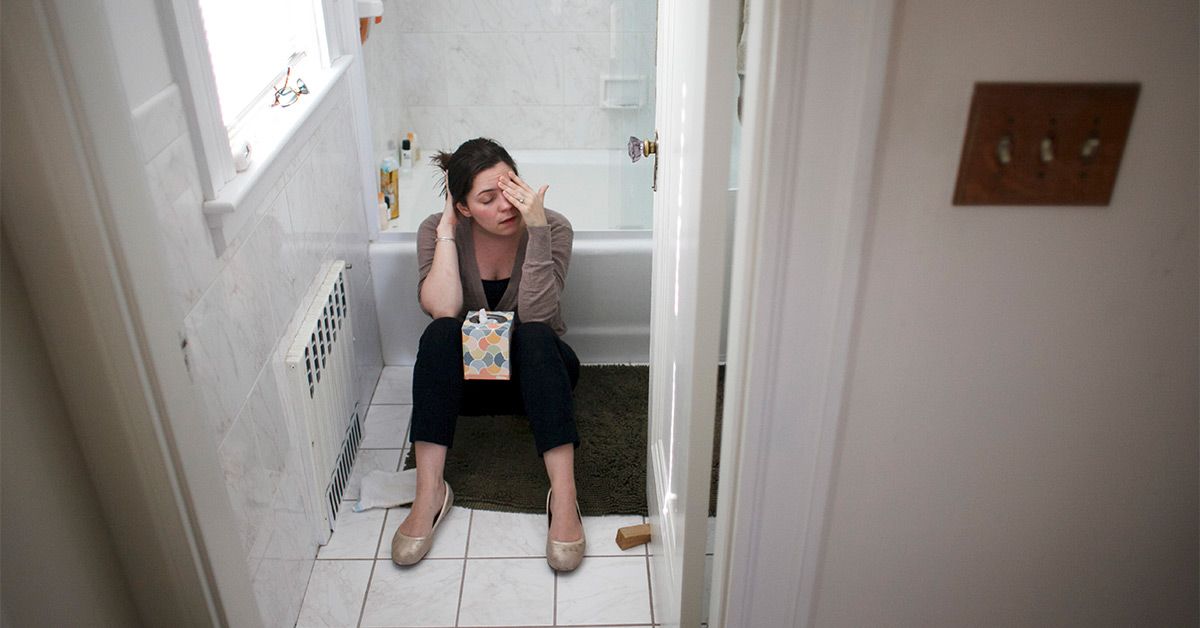
In many homes, it starts with little things. A stepmom plans a girls’ day because she genuinely wants connection. The daughter says she would rather stay home, text friends, or go shopping with her actual mom. The stepmom hears rejection. The daughter thinks she is simply choosing what feels normal. Nobody is trying to be cruel, but both people leave the moment feeling bruised.
Then the pattern grows. The stepmom tries harder. The daughter pulls back more. Dad notices the tension and, instead of slowing everything down, he tries to force gratitude. He tells his daughter she should appreciate the effort. He tells his wife not to take it personally. This helps approximately no one.
Other families experience it around holidays and milestones. Mother’s Day becomes weird. School events become awkward. A child makes a handmade card for Mom and none for Stepmom, and suddenly the whole house feels like someone dropped a piano into the living room. The adults may know these roles are different, but in the emotional moment, difference can feel like exclusion.
There are also quieter experiences that sting just as much. A stepmom offers advice and gets a one-word answer. A daughter shares big news with her bio mom first. A photo caption says “me and my mom,” and the stepmom sits there smiling with the facial expression of someone trying not to cry near potato salad.
That does not mean the stepmom is bad. It means the role is hard. Stepmothers are often expected to care deeply, give generously, stay calm, never compete, and somehow not feel hurt when the bond is unequal. That is a tough emotional assignment. It is one reason stepmothers often feel lonely or misunderstood.
On the child’s side, the experience can be just as complicated. Many kids worry that enjoying time with a stepparent will upset their bio mom or make them seem disloyal. Others simply do not like being told what they are supposed to feel. Teenagers in particular tend to protect their autonomy like dragons guarding treasure. The harder an adult pushes, the more suspicious they get.
And here is the kicker: in many families, the relationship improves only after everyone stops chasing the fantasy. Once the stepmom stops reaching for “Mom 2.0” and starts being a dependable adult with no secret agenda, the child often softens. Maybe they never become ultra-close. Maybe they do. But whatever grows is real, which is much better than a forced relationship that looks nice from the outside and feels exhausting on the inside.
Final Takeaway
The viral story is not really about a jealous woman and a stubborn teen. It is about what happens when a stepparent mistakes access for intimacy, when a biological parent fails to act as a bridge, and when a child’s perfectly understandable loyalty to a bio mom gets treated like a personal insult.
If there is a lesson here, it is this: stepfamily bonds are built, not declared. A child can love a bio mom fiercely and still eventually care about a stepmom. But that future becomes less likely when the adults try to force emotional shortcuts.
The winning move in blended families is rarely “try harder until the child gives in.” It is “back up, respect the role that already exists, and build something different but meaningful.” There may be no magical bonus-mom switch, but there is something better: patience, realism, and enough humility to let the relationship become what it actually can be.
And honestly, that is a much sturdier foundation than chasing a family fantasy with glitter on top.
SEO Tags