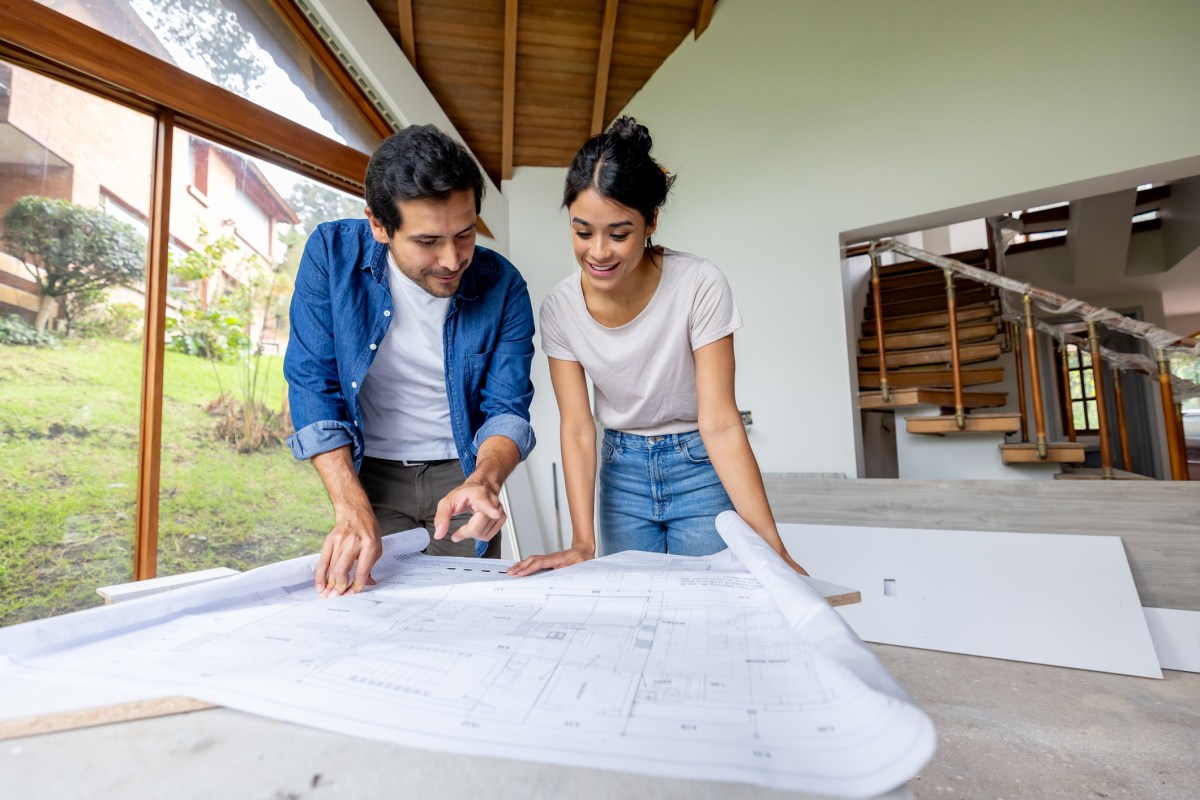

Every dream home remodel begins the same way: with a burst of inspiration, a suspiciously perfect Pinterest board, and the sudden belief that you can absolutely live without a kitchen for “just a few weeks.” Then reality knocks on the door wearing dusty boots, holding a permit application, and asking whether you have budgeted for plumbing surprises behind that wall.
The good news? A dream home remodel does not have to become a financial haunted house. With smart planning, the right order of operations, and a healthy respect for things like wiring, water, structure, and local building codes, you can turn your current home into the place you keep imagining. The secret is knowing what to tackle first, what to delay, and what to stop obsessing over until the foundation, roof, systems, and layout are doing their jobs.
This guide walks through where to start a home renovation, which remodeling projects should move to the front of the line, what upgrades can wait, and how to make decisions without letting your budget sprint into the woods unsupervised.
Start With the “Why” Before You Touch the Walls
Before you call a contractor, order tile samples, or announce that the dining room is becoming a moody library with a rolling ladder, define the purpose of your remodel. A dream home remodel should solve real problems, not just create prettier ones.
Ask yourself what is driving the project. Do you need more functional space for a growing family? Are you planning to age in place? Is the kitchen layout making dinner feel like a competitive obstacle course? Are high energy bills quietly eating your vacation fund? Your answers shape the scope, budget, timeline, and priority list.
Clarify Your Remodeling Goals
Divide your goals into three groups: must-have, nice-to-have, and “only if money falls from the sky.” Must-haves are safety, structure, function, and daily comfort. Nice-to-haves might include custom cabinetry, designer lighting, or heated floors. The sky-money category is where the wine cellar, backyard plunge pool, and imported stone fireplace can patiently sip tea.
This simple sorting exercise keeps the remodel grounded. It also helps when decision fatigue arrives, usually around the time someone asks you to choose between 47 shades of white paint that all look exactly like “printer paper, but emotional.”
First Priority: Inspect the Bones of the House
The best place to start a dream home remodel is not with countertops. It is with the parts of the home that keep everything standing, dry, powered, ventilated, and safe. Think roof, foundation, drainage, electrical, plumbing, HVAC, insulation, windows, and exterior envelope.
If your roof leaks, your basement takes on water, or your electrical panel is older than your favorite holiday casserole dish, those issues come first. Cosmetic upgrades built over weak systems are like putting a silk robe on a raccoon. Impressive at first glance, but chaos underneath.
Start With a Professional Home Assessment
For major renovations, consider hiring a licensed home inspector, structural engineer, architect, or experienced design-build professional before finalizing your plans. They can identify problems that may affect the remodel, such as cracked foundations, undersized beams, outdated wiring, poor attic ventilation, hidden moisture, or old plumbing lines.
Older homes deserve extra attention. If your home was built before 1978, lead-based paint rules may apply when painted surfaces are disturbed. That means you should use contractors certified in lead-safe renovation practices for applicable work. It is not the glamorous part of remodeling, but neither is accidentally turning your living room into a hazardous dust smoothie.
Second Priority: Set a Realistic Remodeling Budget
A dream home remodel needs a dream, yes, but it also needs math. Not “vibes math.” Actual math. Start by estimating the full project cost, then add a contingency fund of 10% to 20% for surprises. In older homes or large structural remodels, a larger cushion may be wise.
Whole-house renovations in the United States can range widely depending on home size, location, materials, labor, and whether walls or utilities are being moved. Kitchen remodels, bathroom remodels, basement renovations, additions, and exterior upgrades all carry different cost profiles. The more you change the layout, structure, plumbing, and electrical systems, the more the budget grows.
Build a Budget That Matches Real Life
Your budget should include design fees, permits, demolition, labor, materials, fixtures, appliances, temporary housing if needed, storage, cleanup, inspections, and finishing details. Many homeowners remember the cabinets and forget the dumpster. The dumpster remembers.
Also decide where to save and where to splurge. Splurge on skilled labor, waterproofing, electrical safety, insulation, quality windows where needed, durable flooring, and high-use fixtures. Save on trendy finishes, decorative hardware, furniture, wallpaper, and anything that can be swapped later without opening a wall.
Third Priority: Decide the Right Order of Renovation
Remodeling works best when projects follow a logical sequence. The typical order is planning, design, permits, demolition, structural work, rough plumbing and electrical, HVAC changes, insulation, drywall, flooring, cabinetry, fixtures, paint, trim, and final details.
Of course, every home is different. A small bathroom renovation is not the same as a whole-house remodel with a new addition. Still, the principle remains: do messy, invasive, behind-the-wall work before pretty surface work.
A Smart Remodel Sequence
Begin with repairs that protect the home from damage, such as roofing, drainage, foundation, siding, windows, and exterior doors. Next, address major systems: electrical, plumbing, heating, cooling, ventilation, and insulation. After that, work on layout changes, kitchens, bathrooms, flooring, built-ins, paint, lighting, and decor.
This order prevents expensive rework. No one wants to install new hardwood floors and then discover the plumbing above them has the personal integrity of a wet paper straw.
What to Remodel First in a Dream Home
The first projects should improve safety, prevent damage, boost comfort, or unlock the rest of the renovation. These upgrades may not always be the most exciting, but they are the ones that make the dream home actually livable.
1. Roof, Gutters, Drainage, and Moisture Control
Water is the supervillain of homeownership. Before remodeling interiors, make sure the roof, gutters, grading, downspouts, basement, crawl space, siding, and exterior drainage are functioning properly. Moisture issues can cause rot, mold, pest problems, and damage to finishes.
If your home has drainage problems, handle those early. A finished basement is lovely. A finished basement that becomes an indoor pond during a storm is less charming, unless your design style is “suburban aquarium.”
2. Electrical and Plumbing Systems
Outdated electrical systems can limit your remodel and create safety concerns. If you are adding appliances, lighting, a home office, EV charging, or new HVAC equipment, your panel and wiring may need an upgrade. Plumbing should also be checked before kitchen, bathroom, laundry, or basement work begins.
Moving plumbing fixtures can significantly increase costs, so keep toilets, tubs, and major water lines in place when possible. Sometimes the best remodel decision is not moving the toilet three feet to the left just because a design board looked persuasive after midnight.
3. HVAC, Insulation, and Air Sealing
Comfort is not only about square footage. It is about whether rooms stay warm in winter, cool in summer, and free from weird mystery drafts that make one corner of the house feel like a haunted meat locker.
Air sealing, attic insulation, duct improvements, smart thermostats, efficient water heaters, and high-performance heating and cooling systems can make the entire home more comfortable. Energy upgrades are especially smart before finishing walls, ceilings, attics, or basements.
4. Layout and Structural Changes
If your dream home remodel includes removing walls, adding rooms, expanding openings, converting a basement, or changing traffic flow, plan these changes early. Structural work often requires permits, engineering, and coordination with electrical, plumbing, and HVAC systems.
Open-concept living can be wonderful, but not every wall is waiting to be heroically demolished. Some walls are carrying loads. Some contain plumbing stacks. Some are quietly minding their business while supporting the second floor. Respect the wall until a qualified professional says otherwise.
5. Kitchen and Bathrooms
Kitchens and bathrooms often deliver strong functional value because they are used every day. They also involve complex coordination: plumbing, electrical, ventilation, cabinetry, tile, waterproofing, lighting, appliances, and finishes.
If the kitchen layout is truly broken or the bathroom has leaks, poor ventilation, or failing fixtures, move these projects up the list. If they are merely dated but functional, they may be able to wait while you handle more urgent structural or system upgrades.
What Can Wait in a Dream Home Remodel
Not everything needs to happen during phase one. In fact, trying to do everything at once is one of the fastest ways to turn a renovation into a wallet-shaped crater.
Decorative Lighting Can Wait
Good lighting plans matter, especially recessed lights, task lighting, and wiring locations. But the final decorative fixtures can often wait. Install the right electrical boxes and switches now, then choose the perfect pendants later when your budget has stopped sobbing softly.
Luxury Finishes Can Wait
Marble slabs, handmade tile, custom range hoods, designer faucets, and specialty wall treatments are beautiful. They are also budget magnets. If money is tight, choose durable mid-range finishes now and reserve luxury details for areas where they truly matter.
Built-Ins and Custom Storage Can Wait
Custom built-ins can transform a room, but they are easier to add later than plumbing, wiring, or insulation. If your remodel budget is under pressure, plan the locations and electrical needs now, then install built-ins in a future phase.
Guest Rooms and Low-Use Spaces Can Wait
Prioritize rooms used daily: kitchen, primary bathroom, entry, laundry, family room, bedrooms, and work areas. Guest rooms, formal dining rooms, hobby rooms, and bonus spaces can often wait unless they solve a pressing need.
Landscaping Can Mostly Wait
Basic drainage, grading, safe walkways, and exterior access should not wait. But elaborate landscaping, outdoor kitchens, pergolas, fountains, and fire features can usually be phased in after major construction ends. Heavy equipment and beautiful new flower beds are not best friends.
How to Hire the Right Remodeling Team
A successful dream home remodel depends heavily on the people doing the work. For small projects, you may need a specialized contractor. For larger remodels, you may need an architect, interior designer, structural engineer, general contractor, or design-build firm.
Interview multiple professionals. Ask about licensing, insurance, references, similar projects, timelines, change orders, payment schedules, warranties, communication style, and who will actually be on-site. A clear contract should define the scope of work, materials, responsibilities, permits, cleanup, payment milestones, and what happens when surprises appear.
Watch for Red Flags
Be cautious if a contractor pressures you to decide immediately, refuses to provide proof of insurance, avoids written contracts, asks for unusually large upfront payments, or gives a price that seems magically low. In remodeling, “too good to be true” often means “you will meet the missing costs later, and they will be wearing a tool belt.”
How to Keep the Remodel From Taking Over Your Life
Even a well-planned remodel can be disruptive. Dust travels. Deliveries arrive early. Decisions multiply. Someone will ask where the tile spacers are. You will not know, but you will develop strong opinions about them anyway.
Reduce stress by setting up temporary living zones before construction begins. If the kitchen is being remodeled, create a mini kitchen with a microwave, coffee maker, toaster oven, and basic dishwashing station. If bathrooms are affected, confirm which one remains usable and when. If pets or children are in the home, plan safe routes away from tools, dust, and open work areas.
Make Decisions Before Demolition
Many delays happen because materials are not selected or ordered in time. Choose appliances, fixtures, tile, flooring, cabinetry, hardware, and paint colors early when possible. Backorders can derail a schedule faster than you can say, “The faucet ships in eight weeks.”
Also keep a decision log. Record model numbers, finish names, dimensions, delivery dates, warranty details, and installation notes. Your future self will thank you, probably while standing in a hardware aisle trying to remember whether the cabinet pulls were brushed nickel, satin nickel, or “nickel with commitment issues.”
Smart Phasing: The Secret to Remodeling Without Panic
Phasing means dividing the dream home remodel into manageable stages. Instead of renovating the entire house at once, you might start with exterior repairs and systems, then remodel the kitchen, then tackle bathrooms, then update bedrooms and decor.
Phasing can help with budgeting, decision-making, and daily life. It also gives you time to learn how you actually use the home. Sometimes homeowners discover that the project they thought was urgent matters less than a different problem they live with every day.
Example Remodel Phase Plan
Phase one: inspection, design, budget, permits, roof repairs, drainage, electrical panel, plumbing fixes, HVAC, insulation, and structural needs.
Phase two: kitchen layout, primary bathroom, laundry improvements, flooring in high-traffic areas, lighting plan, and essential storage.
Phase three: secondary bathrooms, bedrooms, basement, home office, built-ins, decorative lighting, upgraded trim, and paint.
Phase four: landscaping, outdoor living, specialty finishes, furniture, art, wallpaper, smart home upgrades, and the fun details that make the home feel personal.
Remodeling Choices That Usually Pay Off
Not every home improvement has the same return on investment, and resale value depends on your local market. Still, practical updates tend to perform better than overly personal luxury choices. Exterior improvements, energy efficiency, kitchen function, bathroom quality, curb appeal, and durable materials often appeal to future buyers as well as current owners.
The best remodels balance personal joy with broad usefulness. A better kitchen layout, safer stairs, improved lighting, efficient heating and cooling, stronger storage, and a dry basement are easy to appreciate. A neon-orange meditation cave with a fog machine may be deeply meaningful to you, but resale buyers might need a minute.
Common Dream Home Remodel Mistakes to Avoid
One common mistake is starting demolition before the design is complete. Another is underestimating costs, especially labor, permits, utility changes, and hidden damage. Homeowners also get into trouble when they chase trends instead of solving daily problems.
Avoid changing your mind too often once work begins. Change orders can affect cost, schedule, and material availability. That does not mean you can never adjust the plan, but every change should be weighed against the budget and timeline.
Do Not Over-Improve for the Neighborhood
If resale matters, keep your remodel appropriate for your home value and location. Installing ultra-luxury finishes in a modest neighborhood may feel exciting, but you may not recover the cost later. The goal is to create a home you love without turning it into the fanciest house on the block with the most nervous bank account.
of Real-Life Remodel Experience: What Homeowners Learn the Hard Way
The most useful remodeling experience is rarely glamorous. It usually sounds like this: “We thought the bathroom would take three weeks, but then we found old water damage.” Or, “We ordered the appliances too late.” Or, “We should have spent more time planning storage.” These are not failures. They are the unofficial curriculum of home renovation.
One of the biggest lessons is that the least exciting upgrades often create the biggest quality-of-life improvements. A homeowner may dream about quartz counters, but the upgrade they appreciate every day might be better attic insulation, a quieter HVAC system, new bathroom ventilation, or a laundry room that no longer feels like a punishment chamber. Comfort is underrated until you fix it.
Another lesson: live in the home long enough to understand its habits if you can. Notice where shoes pile up, which rooms are too dark, where outlets are missing, where groceries land, where backpacks explode, and which door everyone actually uses. A remodel designed around real behavior will outperform one designed around fantasy behavior. Fantasy behavior says everyone will neatly hang coats in the hall closet. Real behavior says the coats are forming a small textile mountain on the nearest chair.
Homeowners also learn that samples matter. Paint looks different in morning light, afternoon light, and “why does this beige look green?” light. Flooring looks different beside cabinets. Cabinet hardware feels different in your hand than it looks online. Tile grout can change the entire mood of a room. Bring samples home, view them at different times of day, and do not choose permanent finishes solely from a tiny screen while eating chips at 11 p.m.
Communication is another make-or-break factor. A weekly check-in with your contractor can prevent confusion about schedule, deliveries, decisions, and budget. Keep notes, confirm decisions in writing, and ask questions early. Good contractors appreciate clear clients. Good clients appreciate clear contractors. Everyone appreciates not discovering that the shower niche was installed at shampoo-for-giants height.
Finally, homeowners learn that a dream home remodel is not only about the finished reveal. It is about making hundreds of practical decisions that support the way you want to live. The best remodel may not be the one with the most expensive finishes. It is the one where mornings feel easier, storage makes sense, rooms are comfortable, maintenance is manageable, and the home finally works with you instead of testing your patience like a mischievous appliance goblin.
Conclusion: Start With What Protects the Dream
A dream home remodel should begin with the practical pieces that protect your investment: structure, water control, safety, systems, comfort, and layout. Once the bones of the home are strong, you can move into kitchens, bathrooms, finishes, furniture, landscaping, and personality-packed details.
The smartest remodeling plan is not the one that does everything immediately. It is the one that does the right things in the right order. Start with what must be done, phase what can wait, hire qualified professionals, keep a realistic contingency, and make choices that support daily life. Your dream home does not need to arrive all at once. Sometimes it is built in phases, one smart decision at a time, with slightly less dust than expected if the renovation gods are feeling generous.