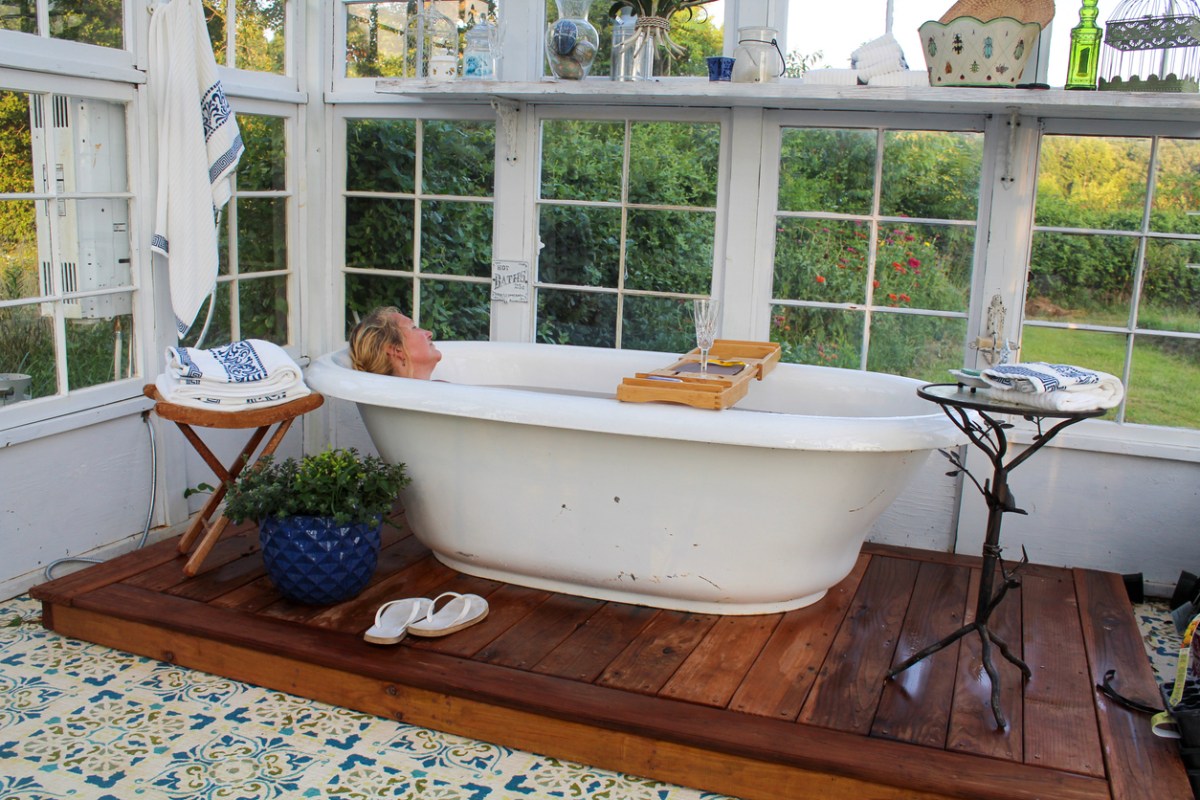

There are two kinds of people in this world: those who take a quick shower and call it a day, and those who believe a proper bath should feel like a private appointment with serenity. If you belong to the second groupor you are slowly being recruited after one too many stressful Mondaysa soaking tub may be the bathroom upgrade that turns ordinary rinse-and-run routines into full spa-like rituals.
The best soaking tubs are not just pretty bowls of water. They are designed for comfort, depth, heat retention, easy cleaning, and the kind of “please do not disturb unless the house is actually on fire” relaxation that makes a bathroom feel like a retreat. Whether you are planning a full remodel or simply daydreaming with dangerous enthusiasm, choosing the right tub comes down to size, material, installation style, ergonomics, and how you actually live.
This guide breaks down the best soaking tubs for different bathrooms, budgets, and bathing personalitiesfrom compact Japanese-style tubs to dramatic freestanding beauties that look like they belong in a boutique hotel.
What Is a Soaking Tub?
A soaking tub is a bathtub designed for deeper, more immersive bathing than a standard tub. Instead of stretching wide and shallow, many soaking tubs prioritize depth, allowing more of the body to sit below the waterline. That is the main difference between a regular bathtub and a true soaking tub: the goal is not just washing up, but relaxing down.
Common soaking tub styles include freestanding tubs, alcove soaking tubs, drop-in tubs, slipper tubs, clawfoot tubs, Japanese soaking tubs, and walk-in soaking tubs. Each has a different look and installation requirement, but all share one purpose: helping you soak long enough to forget that your laundry exists.
Best Overall Soaking Tub: Freestanding Acrylic Tub
If you want the best balance of comfort, price, style, and installation flexibility, a freestanding acrylic soaking tub is the safest all-around winner. Acrylic tubs are popular because they are lighter than cast iron or stone, easier to maneuver during installation, available in many shapes, and generally easier on the budget.
A 60- to 67-inch freestanding acrylic tub works well for many primary bathrooms. It gives most adults enough room to recline without demanding a ballroom-sized floor plan. Look for a double-walled acrylic design, which can help improve insulation and make the tub feel sturdier. A smooth oval shape is ideal for modern bathrooms, while a slipper shape gives extra back support for long soaks.
Best for:
Homeowners who want a spa-like centerpiece without the structural weight or cost of stone or cast iron.
What to check before buying:
Measure the bathroom carefully, confirm drain placement, check door and hallway clearance for delivery, and make sure the tub filler will reach comfortably. A beautiful tub is less charming when it cannot fit through the bathroom door.
Best Budget Soaking Tub: Alcove Soaking Tub
An alcove soaking tub is a practical choice for smaller bathrooms, guest baths, and remodels where plumbing already exists along three walls. While alcove tubs are often associated with standard tub-shower combinations, deeper alcove models can provide a surprisingly satisfying soak.
The biggest advantage is efficiency. Alcove tubs save floor space, usually cost less to install than freestanding tubs, and can work with a shower setup. If your bathroom has a classic 60-inch tub space, replacing an old shallow tub with a deeper soaking model can upgrade comfort without changing the entire room layout.
Best for:
Small bathrooms, budget-conscious remodels, rental-friendly upgrades, and homes where keeping a shower-tub combination makes sense.
Design tip:
Choose clean tile, a curved shower rod or glass screen, and warm lighting to make an alcove tub feel less “apartment default” and more “tiny spa with good water pressure.”
Best Luxury Soaking Tub: Stone Resin Tub
Stone resin soaking tubs are the quiet luxury option. They look sculptural, feel substantial, and often retain heat better than basic acrylic. Their matte or satin surfaces can create a calm, high-end look that pairs beautifully with large-format tile, wood vanities, brushed brass fixtures, and minimalist lighting.
The trade-off is weight and cost. Stone resin tubs are heavier than acrylic, so floor support should be reviewed, especially in upstairs bathrooms. They also require careful handling during delivery and installation. But if your goal is a serene, hotel-inspired bathroom that makes visitors whisper “wow” at an indoor plumbing fixture, stone resin deserves a serious look.
Best for:
Primary bathroom remodels, luxury homes, spa-style interiors, and homeowners who care about both performance and design presence.
What makes it spa-like:
The material feels warmer and more substantial than thin fiberglass, and the clean shapes create a calm focal point without screaming for attention. It is basically the cashmere sweater of bathtubs.
Best Heat-Retaining Soaking Tub: Cast Iron Tub
Cast iron tubs are classics for a reason. They are extremely durable, resist many forms of wear, and retain heat beautifully once warmed. If your idea of a perfect bath includes lingering until your fingertips become philosophical, cast iron is one of the best soaking tub materials to consider.
However, cast iron is heavy. Very heavy. “Invite strong friends and structural confidence” heavy. Before choosing one, confirm that the floor can support the tub’s weight when filled with water and occupied. Installation may also require more labor than acrylic.
Best for:
Traditional bathrooms, vintage-inspired spaces, long soakers, and homeowners who value durability over easy installation.
Style note:
A cast iron clawfoot or pedestal tub can be gorgeous in a classic bathroom, but pair it with modern fixtures if you want the room to feel updated rather than like it is waiting for a Victorian ghost.
Best Compact Soaking Tub: Japanese-Style Soaking Tub
Japanese soaking tubs are built around depth rather than length. Instead of lying almost flat, you sit more upright while the water rises higher around the body. This makes them excellent for small bathrooms where a long freestanding tub will not fit.
These tubs can be round, square, or oval, and many are surprisingly comfortable once you understand the posture. They are especially useful for homeowners who want a deep soak but do not have a large primary bath. Some models include a built-in seat, which can make the bathing position feel more natural.
Best for:
Small bathrooms, urban homes, minimalist design, and bathers who prefer deep immersion over full reclining.
Buyer warning:
Because these tubs are deep, consider safe entry and exit. A grab bar, textured floor surface, or nearby ledge can make the experience more comfortable and secure.
Best Two-Person Soaking Tub: Large Oval Freestanding Tub
A two-person soaking tub sounds romantic until someone realizes the hot water is gone and the elbow situation has become political. To make it work, size matters. Look for a wider, longer tub with a center drain and sloped ends on both sides so two people can recline comfortably.
Large oval acrylic or stone resin tubs are common choices. They create a dramatic focal point and can work beautifully in spacious primary bathrooms. Just remember that bigger tubs need more water, and more water means your water heater must be ready for the assignment.
Best for:
Large primary bathrooms, couples, luxury remodels, and homeowners who want a statement tub with practical comfort.
What to check:
Confirm water capacity, hot water supply, floor load, and clearance around the tub. A two-person tub should feel generous, not like a very elegant soup bowl.
Best Accessible Soaking Tub: Walk-In Soaking Tub
For people with limited mobility, balance concerns, or aging-in-place plans, a walk-in soaking tub can offer comfort with safer access. These tubs typically include a door, built-in seat, grab bars, and a lower threshold than traditional tubs. Some models also offer hydrotherapy jets, heated surfaces, or quick-drain systems.
The main compromise is that bathers usually need to enter before filling and remain seated while the water drains. That is not a deal-breaker, but it is worth understanding before purchase. Walk-in tubs also tend to cost more than standard soaking tubs, especially when professional installation is included.
Best for:
Aging-in-place remodels, accessible bathrooms, and homeowners who want soaking comfort with easier entry.
Smart upgrade:
Choose slip-resistant flooring, nearby towel storage, and easy-to-reach controls. A spa-like bathroom should not require acrobatics.
Best Drop-In Soaking Tub: Built-In Deck Tub
A drop-in soaking tub is installed into a framed deck or platform. This creates a built-in look and allows room for candles, bath products, plants, or a book you fully intend to read but will probably abandon after three pages because the bath is too relaxing.
Drop-in tubs are flexible in style and can feel very luxurious when surrounded by tile, stone, or waterproof wall panels. They do require more construction than freestanding tubs because the deck must be built and finished properly. Access panels for plumbing maintenance are also important.
Best for:
Custom bathrooms, transitional designs, and homeowners who want a tailored built-in soaking area.
Design tip:
Keep the deck surface practical. A huge platform may look impressive, but if you have to crawl across it like an explorer crossing a marble desert, the design has gone too far.
How to Choose the Best Soaking Tub
1. Measure More Than Once
Measure the available floor space, wall clearances, doorways, stairwells, and the path from delivery truck to bathroom. For freestanding tubs, leave enough room around the tub for cleaning. A tub that looks perfect online may feel cramped if it is squeezed too close to a vanity or toilet.
2. Think About Water Depth
Soaking depth is one of the most important comfort factors. A deeper basin allows better immersion, especially for adults. Standard tubs may feel too shallow for a true spa-like experience, while deep soaking tubs can make even a short bath feel more restorative.
3. Match the Material to Your Lifestyle
Acrylic is lightweight, versatile, and budget-friendly. Cast iron is durable and excellent at holding heat but very heavy. Stone resin offers a luxury look and solid feel. Fiberglass is affordable but may not feel as premium over time. Copper and specialty materials can be stunning but require specific maintenance expectations.
4. Check the Water Heater
Large soaking tubs can require a lot of hot water. Before installing a deep or oversized tub, confirm that your water heater can fill it comfortably. Nothing ruins the spa fantasy faster than sitting in six inches of lukewarm regret.
5. Choose the Right Tub Filler
Freestanding tubs often need floor-mounted or wall-mounted tub fillers. Alcove and drop-in tubs may use deck-mounted fixtures. Make sure the faucet style, spout reach, valve placement, and drain location all work together before installation begins.
6. Prioritize Comfort, Not Just Looks
A tub can be gorgeous and still feel like reclining in a decorative cereal bowl. Look for ergonomic slopes, lumbar support, comfortable interior length, and a shape that matches how you like to bathe. If possible, sit in a display model before buying. Yes, fully clothed. This is research, not performance art.
Best Spa-Like Bathroom Features to Pair With a Soaking Tub
The tub is the star, but the supporting cast matters. To create a spa-like bathroom experience, layer in features that support relaxation and function.
Dimmable Lighting
Bright task lighting is useful for cleaning and grooming, but dimmable lighting creates a softer atmosphere for evening baths. Wall sconces, recessed lights, and pendants can all work if they are rated and placed properly for bathroom use.
Warm Natural Materials
Wood vanities, stone-look tile, woven baskets, and brushed metal fixtures add warmth. The goal is calm, not cold showroom perfection.
Storage That Hides Clutter
A spa-like bathroom quickly loses its magic when every surface is covered in razors, half-empty bottles, and one mysterious product nobody remembers buying. Add drawers, niches, shelves, or cabinets to keep essentials close but contained.
Large-Format Tile or Seamless Surfaces
Large tiles and low-grout surfaces are popular because they look clean and are easier to maintain. Around a soaking tub, fewer grout lines can help the room feel calmer and more polished.
A Bath Tray or Side Table
A simple bath tray can hold tea, a candle, a book, or your phone safely away from splash zones. For freestanding tubs, a small waterproof side table can do the same job with less balancing drama.
Common Mistakes to Avoid
Buying for Looks Alone
Some tubs photograph beautifully but feel awkward in real life. Always check interior dimensions, soaking depth, back slope, and rim height.
Ignoring Installation Costs
The tub price is only part of the project. Plumbing changes, floor reinforcement, tile work, waterproofing, delivery, and fixture upgrades can all affect the final budget.
Forgetting Cleaning Access
Freestanding tubs need space around them so you can clean the floor and exterior. A tight gap behind a tub may become the final resting place of dust, hair, and regret.
Choosing a Tub Too Large for Daily Life
Oversized tubs look luxurious, but they require more water, more time to fill, and more bathroom space. The best soaking tub is one you will actually use, not one that becomes an expensive sculpture for folded towels.
Personal Experience: What Makes a Soaking Tub Feel Truly Spa-Like?
A soaking tub becomes special when it fits naturally into your routine. The best bathroom experiences are not always created by the most expensive tub. They come from the small details that make bathing feel effortless, comfortable, and repeatable.
For example, a medium-size acrylic freestanding tub can feel more luxurious than a giant stone tub if it fills quickly, keeps water warm enough for your typical soak, and has a comfortable back angle. People often imagine that bigger is always better, but a tub that is too large can be annoying if you need to wait forever for it to fill. The sweet spot is a tub that lets you sink in without making you feel like you are operating a private swimming pool.
Lighting changes the mood more than many homeowners expect. A harsh ceiling light can make even a beautiful tub feel like a dentist’s waiting room with plumbing. Dimmable sconces or warm recessed lights instantly soften the room. Add a small candle, and suddenly the same bath feels intentional instead of merely wet.
Another real-world lesson: storage matters. A soaking tub surrounded by clutter does not feel peaceful. It feels like you are bathing in the middle of a drugstore shelf. Keep everyday products in a cabinet or niche, then leave only a few attractive essentials near the tub: bath salts, a soft towel, maybe a plant that enjoys humidity. The visual calm helps the brain relax before the water even starts running.
Water temperature also deserves attention. A tub with good heat retention is wonderful, but pre-warming the surface can help too. Some bathers run warm water for a minute before filling the tub fully, especially with heavier materials. It is a tiny habit, but it can make the soak feel more consistent and comfortable.
The most underrated feature may be the landing zone. You need a place for a towel, robe, book, drink, or bath tray. Without one, the experience turns into a comedy routine involving wet hands and poor decisions. A small stool beside a freestanding tub can be both beautiful and practical. In a drop-in setup, the tub deck can serve the same purpose.
Finally, a spa-like bathroom should feel easy to maintain. If the tub shape, tile, or fixture finish requires heroic cleaning effort, the relaxation factor drops quickly. Choose materials that match your cleaning habits. A low-maintenance acrylic or stone resin tub may be better for everyday life than a high-drama specialty material that needs constant pampering.
The best soaking tub is not simply the most expensive model or the trendiest silhouette. It is the one that fits your body, your bathroom, your water heater, your cleaning tolerance, and your idea of peace. When all of those pieces work together, even a 20-minute bath can feel like a tiny vacationminus the airport security line.
Conclusion
The best soaking tubs for a spa-like bathroom experience combine comfort, depth, durability, and design. For most homeowners, a freestanding acrylic tub offers the best overall balance of beauty and practicality. For luxury remodels, stone resin brings sculptural elegance and a high-end feel. Cast iron is excellent for long, heat-retaining baths, while Japanese soaking tubs solve space problems with deep, compact comfort. Alcove tubs remain the smart budget choice, and walk-in soaking tubs support accessibility and aging-in-place needs.
Before buying, measure carefully, check your water heater, understand installation requirements, and choose a material that fits your lifestyle. A soaking tub should not just look good in a product photo. It should make your bathroom more useful, more relaxing, and more enjoyable every week.
In the end, the perfect soaking tub is the one that makes you close the door, exhale deeply, and think, “Yes, this was absolutely worth it.” Bonus points if nobody knocks for at least 30 minutes.