
Quick answer: For most people with chronic obstructive pulmonary disease (COPD), COVID-19 vaccines are considered safe, useful, and especially important because COPD can raise the risk of severe COVID-19. The best decision is still personal, especially if you have allergies, immune system problems, recent infection, or complex lung disease, so a quick chat with your healthcare provider is a smart movenot a dramatic medical courtroom scene.
Why COVID-19 Matters More When You Have COPD
COPD is not just “being a little winded after stairs.” It is a chronic lung condition that includes emphysema and chronic bronchitis, and it can make breathing harder even on a normal Tuesday. When a respiratory infection like COVID-19 enters the picture, the lungs may have less reserve to handle inflammation, mucus, coughing, fever, and oxygen changes.
That is why public health organizations list COPD among the conditions linked with higher risk for serious COVID-19 outcomes. In practical terms, this means a person with COPD may be more likely to need medical care if COVID-19 becomes severe. For someone already managing inhalers, oxygen therapy, pulmonary rehab, flare-ups, and the occasional “why is this hallway so long?” moment, prevention matters.
COVID-19 vaccines are not magic force fields. They cannot promise that you will never test positive. What they are designed to do is train the immune system to respond faster and better, lowering the chance that infection turns into hospitalization, intensive care, or death. For people with COPD, that difference can be meaningful.
Are COVID-19 Vaccines Safe for People with COPD?
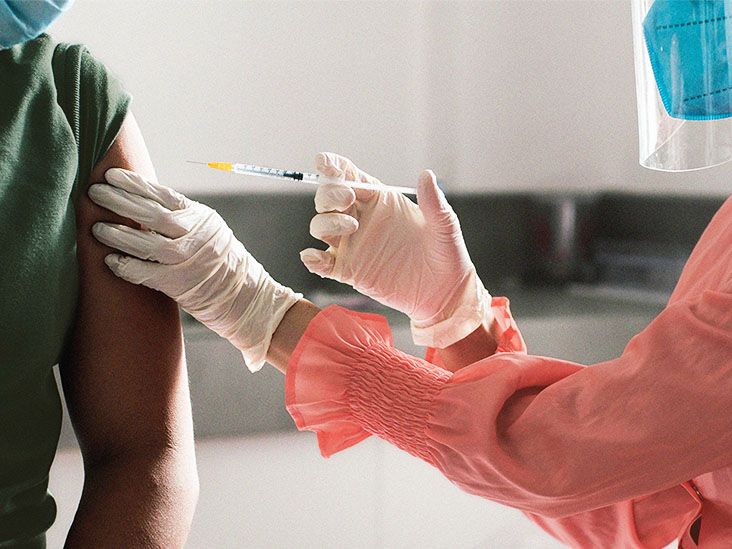
In general, yes. Major U.S. health sources state that COVID-19 vaccines can be given to people with existing medical conditions, including chronic lung disease. COPD by itself is not a reason to avoid vaccination. In fact, it is usually a reason to take vaccination more seriously.
The common side effects are familiar: a sore arm, tiredness, headache, chills, muscle aches, mild fever, or feeling “blah” for a day or two. Annoying? Yes. Usually dangerous? No. Most side effects are short-lived and reflect the immune system doing its rehearsal. Think of it as your body running a fire drill, except the fire marshal is your immune system and everyone brought snacks.
What About Serious Side Effects?
Serious allergic reactions after COVID-19 vaccination are rare. Myocarditis and pericarditis, which involve inflammation around the heart, have also been reported rarely, mostly among adolescent and young adult males after mRNA vaccines. These risks should be discussed honestly, but they must also be weighed against the risk of COVID-19 itself, especially for people with COPD, older adults, smokers or former smokers, and people with multiple chronic conditions.
If you have had a severe allergic reaction to a previous COVID-19 vaccine or a vaccine ingredient, you should not simply “power through.” That is a doctor conversation. If you have a history of fainting after shots, tell the clinic. If you are on immune-suppressing medicines, steroids, chemotherapy, or biologic treatments, ask whether your timing or dose schedule needs special planning.
Are COVID-19 Vaccines Effective for People with COPD?
Evidence supports COVID-19 vaccination as an important layer of protection against severe disease. Studies of updated vaccines have shown added protection against emergency visits and hospitalizations, especially in higher-risk adults. COPD-specific research has also suggested that vaccination may reduce the risk of acute COPD exacerbations, which are flare-ups that can lead to urgent care, hospitalization, and a very unfun week.
Still, effectiveness is not identical for every person. People with chronic lung disease may have a weaker immune response than people with perfectly healthy lungs, especially if they use immune-suppressing medications or have advanced disease. That does not mean the vaccine “doesn’t work.” It means protection may be partial, may fade over time, and may need to be supported with other strategies.
For a person with COPD, “some protection” can be a big deal. A seat belt does not prevent every crash, but nobody argues that the solution is to drive around without one while eating soup. Vaccination works best as part of a prevention plan: updated shots when recommended, good ventilation, staying home when sick, testing when symptoms appear, early treatment when appropriate, and keeping COPD care under control.
Current Vaccine Guidance: What People with COPD Should Know
COVID-19 vaccine recommendations have changed over time because the virus changes, immunity changes, and public health guidance adapts. For the 2025–2026 season, U.S. guidance emphasizes individual-based or shared clinical decision-making for people ages 6 months and older. That means the decision should consider age, medical conditions, vaccine history, infection history, local virus activity, and personal risk.
For people with COPD, that shared decision is usually not a casual shrug. COPD is a recognized risk factor for severe respiratory infection, and chronic lung disease can make COVID-19 more complicated. Many clinicians recommend that people with COPD stay current with COVID-19 vaccination unless they have a specific medical reason not to.
Which COVID-19 Vaccines Are Available?
COVID-19 vaccines are updated to better match circulating variants. For the 2025–2026 season, U.S. vaccines were formulated around JN.1-lineage viruses, with mRNA vaccines targeting LP.8.1 and the protein-based Novavax vaccine targeting JN.1. Availability, age authorization, and insurance rules can shift, so the most practical step is to check with your doctor, pharmacist, or local health department before scheduling.
Some people prefer mRNA vaccines such as Pfizer-BioNTech or Moderna. Others ask about Novavax because it is a protein-based vaccine. For most COPD patients, the “best” vaccine is usually the one that is recommended for your age and health status, available to you, and acceptable based on your medical history.
Benefits of COVID-19 Vaccination for COPD Patients
1. Lower Risk of Severe COVID-19
The biggest benefit is not avoiding a sniffle. The biggest benefit is reducing the chance of severe illness. For someone with COPD, severe COVID-19 can mean worsening shortness of breath, pneumonia, oxygen problems, or hospitalization. Vaccination helps prepare the immune system before the virus shows up with muddy boots.
2. Possible Reduction in COPD Flare-Ups
Respiratory infections are a common trigger for COPD exacerbations. A flare-up can mean more coughing, more mucus, wheezing, chest tightness, and needing rescue medication or steroids. Some research suggests COVID-19 vaccination may reduce acute exacerbation risk in people with COPD. That does not make it a cure for COPD, but it adds another protective brick to the wall.
3. Protection for the Household
Vaccination is not only about the patient. Family members, caregivers, and close contacts can also help protect someone with COPD by staying up to date on recommended vaccines. A household can function like a tiny public health department, hopefully with better snacks and fewer forms.
4. More Confidence During Respiratory Virus Season
Many people with COPD become anxious during cold, flu, RSV, and COVID-19 season. Vaccination does not remove every risk, but it can make everyday decisions feel less like walking through a sneeze-themed obstacle course. It is one tool that helps people keep medical appointments, visit family, and participate in life with a little more confidence.
When Should Someone with COPD Talk to a Doctor First?
Most people with COPD can discuss vaccination with a pharmacist or primary care clinician and proceed normally. However, it is especially important to speak with a healthcare professional if you have had a severe allergic reaction to a COVID-19 vaccine, have a known allergy to a vaccine ingredient, are moderately or severely immunocompromised, recently had COVID-19, recently had a COPD exacerbation, are taking high-dose steroids, or have a history of myocarditis or pericarditis.
Timing can matter. If you are currently sick, feverish, or in the middle of a COPD flare, your clinician may suggest waiting until you are more stable. If you recently had COVID-19, you may be advised to delay vaccination for a period of time, depending on current guidance and your risk level. The goal is not to avoid vaccination forever; it is to schedule it wisely.
Side Effects vs. COPD Symptoms: What to Watch
After vaccination, mild fatigue, arm soreness, chills, headache, or low fever can happen. These usually improve within a couple of days. People with COPD should pay attention to breathing changes, but they should not panic over every small sensation. COPD already makes people very aware of their breathing, sometimes so aware that a tiny chest tickle feels like breaking news.
Call a healthcare provider if shortness of breath becomes noticeably worse, oxygen levels drop below your usual range, wheezing increases, chest pain occurs, fever is high or persistent, or you develop symptoms of a COPD exacerbation. Seek urgent care for severe trouble breathing, bluish lips or face, confusion, fainting, or chest pain that does not go away.
Before vaccination, it may help to know your baseline: usual oxygen saturation, usual cough level, normal mucus pattern, and typical rescue inhaler use. That makes it easier to tell the difference between “normal vaccine blah” and “my COPD is acting up.”
How COPD Patients Can Prepare for a COVID-19 Vaccine Appointment
Preparation does not need to be dramatic. You do not need a marching band, a laminated binder, and a motivational speech. But a few simple steps can help.
- Bring a list of medications, including inhalers, steroids, oxygen therapy, and immune-suppressing drugs.
- Tell the vaccine provider about past allergic reactions or fainting after shots.
- Schedule the vaccine when you have a lighter day afterward, in case you feel tired.
- Keep rescue inhalers available, as usual.
- Ask whether COVID-19, flu, RSV, or pneumococcal vaccines should be coordinated.
- Monitor symptoms after vaccination, especially if your COPD is severe.
People with COPD should also stay current on other respiratory vaccines when recommended, including flu, pneumococcal, RSV, and Tdap. COVID-19 is not the only germ that enjoys causing lung drama.
Common Myths About COVID-19 Vaccines and COPD
Myth 1: “The Vaccine Gives You COVID-19.”
COVID-19 vaccines used in the United States do not give you COVID-19. They teach the immune system to recognize part of the virus. Feeling tired or feverish after a vaccine is not the same as being infected.
Myth 2: “If I Have COPD, My Lungs Are Too Fragile for a Vaccine.”
COPD makes respiratory infections more concerning, not vaccination automatically unsafe. For many patients, the bigger danger is severe infection, not the shot.
Myth 3: “I Already Had COVID-19, So I Do Not Need Vaccination.”
Prior infection can provide some immunity, but protection changes over time. Vaccination after infection may improve protection, especially for high-risk people. Your clinician can help decide the best timing.
Myth 4: “Vaccinated People Can Still Get COVID-19, So Vaccines Are Useless.”
That is like saying umbrellas are useless because your shoes got wet. COVID-19 vaccines are mainly valued for lowering the risk of severe illness, hospitalization, and deathnot for creating a perfect bubble around your head.
Practical Experiences: What Life Can Look Like for COPD Patients After Vaccination
Many people with COPD describe vaccination as less of a dramatic health event and more of a practical maintenance step, like refilling inhalers or checking the battery on a pulse oximeter. The experience often begins with hesitation. A patient may wonder, “Will this make my breathing worse?” or “What if I have a reaction?” Those are reasonable questions. COPD teaches people to respect their lungs, because lungs are not known for accepting calendar invitations before causing trouble.
One common experience is short-term fatigue after the shot. A person may feel extra tired the next day, decide the laundry can wait, drink fluids, and rest. For someone with COPD, planning a quiet day after vaccination can make the process smoother. Instead of scheduling the shot before a long grocery trip, family gathering, or pulmonary rehab session, it may be better to choose a calm day. This is not because the vaccine is expected to cause a major problem; it is because breathing conditions reward good planning.
Another real-world issue is symptom confusion. A mild fever or body ache after vaccination can feel alarming if the person is used to monitoring every change. The helpful approach is to compare symptoms with the usual COPD baseline. Is shortness of breath truly worse, or is the body simply tired? Is oxygen saturation lower than usual, or stable? Is mucus changing color or volume? Clear tracking can reduce anxiety and help decide when to call a doctor.
Some COPD patients say vaccination gives them more confidence to attend medical appointments, see grandchildren, or go to the pharmacy without feeling completely defenseless. That confidence should not turn into reckless behavior. During high respiratory virus activity, masks, ventilation, hand hygiene, and avoiding sick contacts still matter. Vaccination is a strong layer, not the whole winter coat.
Caregivers also play a big role. A spouse, adult child, or home health aide who stays current on vaccines can reduce the chance of bringing infection into the home. This is especially important for people with severe COPD, oxygen dependence, frequent exacerbations, or multiple health conditions. The patient may be the one with the diagnosis, but respiratory protection works best as a team sport.
For people who had a past COPD flare after an illness, vaccination may feel emotionally loaded. They remember the emergency room, the steroids, the antibiotics, the oxygen alarms, or the fear of not catching their breath. In that context, choosing vaccination is often less about following a rule and more about trying to avoid another crisis. It is prevention with a personal memory attached.
The most balanced experience is this: expect mild side effects, prepare for them, watch breathing carefully, and keep perspective. Most COPD patients do not need to fear COVID-19 vaccination, but they do deserve individualized advice. The right question is not “Is this shot perfect?” The better question is “Does this vaccine lower my overall risk compared with facing COVID-19 with COPD and no updated protection?” For many people with COPD, the answer is yes.
Final Verdict: Should People with COPD Get a COVID-19 Vaccine?
For most people with COPD, COVID-19 vaccination is considered safe and beneficial, particularly because COPD increases the risk of severe respiratory illness. The vaccine may not prevent every infection, and protection may vary, but it can reduce the risk of serious outcomes. That matters when your lungs already have a full-time job and absolutely no interest in overtime.
The best decision should be made with current guidance and personal medical history in mind. If you have COPD, ask your healthcare provider whether you are up to date, which vaccine option fits your situation, and whether you should coordinate COVID-19 vaccination with flu, RSV, or pneumococcal vaccines. Good prevention is not glamorous, but neither is sitting in a hospital gown that opens in the back. Choose wisely.
Medical note: This article is for general educational purposes only and does not replace medical advice. People with COPD should consult a licensed healthcare professional for personalized vaccine recommendations.