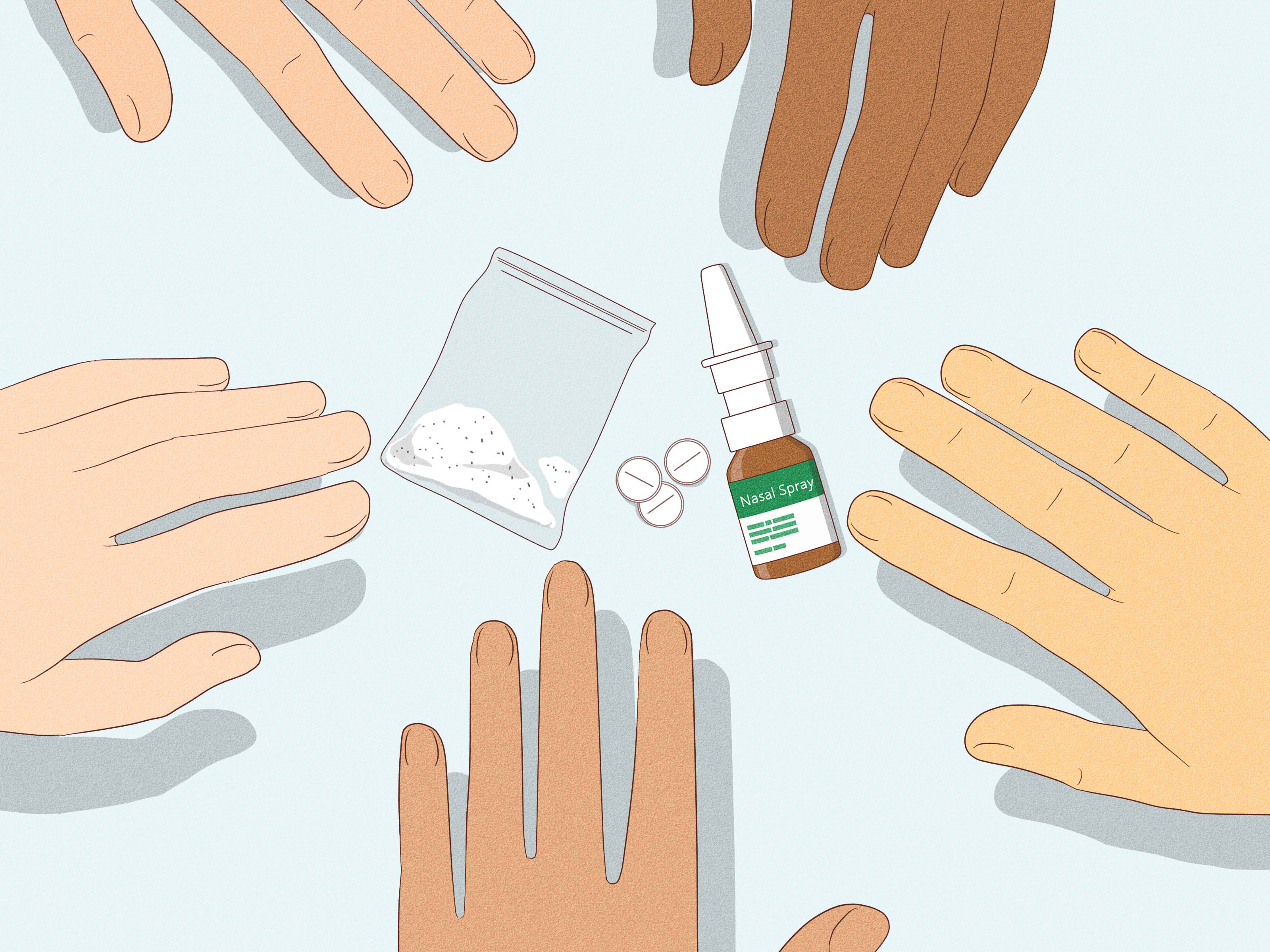

Finding rolled up money on the floor is one of those tiny real-life mysteries that can make your brain open seventeen browser tabs at once. Is it just a dropped dollar? A lucky little gift from the universe? A prank? A scam? Something unsafe? Or did someone’s laundry-day cash finally escape the jeans pocket and begin a new life as street confetti?
The truth is less dramatic than the rumors, but still worth taking seriously. A rolled up bill on the ground can mean several things: it may be ordinary lost money, a folded bill used to hold something, part of a distraction tactic, or simply trash that happens to be legal tender. In some cases, people worry that folded or rolled bills might contain drug residue or powder. That concern deserves a calm, fact-based responsenot panic, not internet folklore, and definitely not the “I saw one viral post, therefore every dollar is a crime scene” approach.
This guide explains what rolled up money on the floor can mean, what it usually does not mean, and how to handle the situation safely, legally, and sensibly.
What Does Rolled Up Money on the Floor Usually Mean?
Most of the time, rolled up money on the floor means exactly what it looks like: someone dropped money. Bills get folded, crumpled, rolled, tucked into pockets, shoved into cup holders, stuffed into wallets, and generally treated like tiny rectangular survivors of modern life. A bill may fall out of a pocket at a gas station, slide from a purse in a grocery aisle, or escape during the classic “phone, keys, wallet, receipt tornado” that happens at checkout.
But the way the bill is rolled can change the context. A tightly rolled bill, especially if it is sealed, tucked into another object, damp, stained, or accompanied by residue, is different from a wrinkled five-dollar bill lying near a checkout counter. The first deserves caution. The second deserves basic honesty and a quick look around for the person who may have dropped it.
Common Explanations for Rolled or Folded Money
Here are the most ordinary meanings:
- Accidental loss: Someone dropped cash without noticing.
- Habit: Some people roll or fold cash to organize it in a pocket, wallet, or money clip.
- Tip money: Service workers, delivery drivers, performers, and vendors may carry folded cash during a shift.
- Kids or pranks: Children sometimes fold money, wrap it, or leave it somewhere as a joke.
- Discarded or contaminated trash: A bill on the floor may be dirty, wet, or exposed to who-knows-what.
- Suspicious storage: A rolled bill may have been used to hold or hide something unsafe.
The key is not to assume the worst, but also not to treat unknown street money like a scratch-off lottery ticket with better branding.
Why People Worry About Rolled Up Money
Over the past few years, social media posts have warned people not to touch folded or rolled bills because they may contain fentanyl or other dangerous substances. Some warnings began after local reports of folded bills containing powder. Others grew into viral claims that touching a dollar bill could cause an instant overdose.
That is where facts matter. Public-health and toxicology experts generally agree that accidental overdose from briefly touching fentanyl residue is extremely unlikely. Fentanyl and similar opioids are dangerous when consumed, injected, inhaled, or otherwise introduced into the body in meaningful amounts, but casual skin contact with trace residue is not the same thing as an overdose scenario. Still, “unlikely to cause overdose by touch” does not mean “go ahead and investigate mysterious powder like you are auditioning for a detective show.”
The practical advice is simple: do not open, sniff, shake, lick, pocket, or play with unknown rolled money. If you see powder, pills, residue, moisture, sharp objects, or anything that looks suspicious, avoid direct contact and alert store staff, property management, or local authorities using a non-emergency number unless there is an immediate danger.
Is Rolled Up Money on the Floor Dangerous?
Usually, no. But “usually” is not a permission slip to ignore basic safety. Cash passes through many hands, pockets, counters, floors, vehicles, bathrooms, parking lots, and occasionally places best left undescribed before lunch. Even normal-looking bills can carry germs or grime. That does not mean you need a hazmat suit to pay for tacos, but it does mean washing your hands after handling found cash is a very reasonable move.
A rolled bill may be more concerning if it has any of these signs:
- Visible powder, crystals, pills, or residue inside or around it
- Wet, sticky, oily, or stained appearance
- Placed deliberately in a strange spot, such as under a windshield wiper or next to a car door
- Wrapped with tape, foil, plastic, or paper
- Found near drug paraphernalia, needles, or unknown containers
- Used by a stranger as a reason to approach, distract, or pressure you
When in doubt, do not pick it up with bare hands. There is no prize for being the boldest person in the parking lot.
The Big Myth: Can You Overdose Just by Touching Money?
This is one of the most common questions. The short answer: an opioid overdose from briefly touching a bill is considered extremely unlikely by medical and toxicology experts. Many viral stories describe sudden symptoms after touching cash, but fact-checkers and public-health experts have repeatedly found that the science does not support the idea of instant overdose from casual contact.
That said, the correct response is not to laugh off every concern. Unknown substances should be respected. A person should avoid touching their eyes, mouth, nose, food, phone screen, or child’s belongings after handling found cash. If there is visible powder or suspicious material, leave it alone and report it.
Think of it like finding a mystery container in the refrigerator. It probably is not radioactive, but you still should not open it, inhale deeply, and say, “For science.”
What to Do If You Find Rolled Up Money on the Floor
Step 1: Pause Before Touching It
Before bending down, look around. Is someone nearby checking their pockets? Did a customer just walk away from the register? Is the money in a busy public place, near a car, or in a strange position? A quick pause helps you avoid both safety risks and awkward “Hey, that was mine” moments.
Step 2: Do Not Open a Suspicious Roll
If the bill is tightly rolled, taped, wrapped, or looks like it contains something, do not unroll it. Opening it may release powder or expose you to something sharp or dirty. You do not need to identify what is inside. That is not your job, and honestly, your day probably had better plans.
Step 3: Avoid Bare-Hand Contact When Possible
If the bill looks ordinary and you decide to pick it up, use a tissue, paper towel, disposable glove, or plastic bag as a barrier. If you are in a store, tell an employee. Many businesses have procedures for found property and suspicious items.
Step 4: Wash Your Hands
After handling cash, especially cash found on the ground, wash your hands with soap and water. If soap and water are not available, hand sanitizer is useful for ordinary germ control. However, if you suspect drug residue or visible powder, soap and water is the better first choice. Avoid rubbing unknown substances deeper into your skin, and do not use harsh chemicals on your hands.
Step 5: Report Suspicious Money
If the money appears contaminated, contains unknown material, or is connected to a suspicious situation, report it. In a store, notify staff or security. In a school, tell a trusted adult or administrator. In a parking lot, step away and contact property management or local police through a non-emergency line. Call 911 only if there is an immediate threat, someone is unconscious, someone is having trouble breathing, or there is active danger.
Legal and Ethical Questions: Can You Keep Money You Find?
Finding money does not always mean you legally or ethically get to keep it. Laws vary by state and local area, and the amount matters. A loose dollar on a sidewalk is treated differently from an envelope containing hundreds of dollars, a wallet with identification, or cash found inside a business.
A good rule is: make a reasonable effort to return money to its owner. If you saw someone drop it, tell them. If it is found in a store, restaurant, school, office, hotel, gym, or event venue, turn it in to staff. If it is a larger amount or connected to a wallet, envelope, bank receipt, or identification, contact local authorities or follow the business’s lost-property process.
Keeping found money without trying to locate the owner can create legal trouble in some places. More importantly, it is one of those “character test” moments life tosses at people when no one is watchingexcept maybe three security cameras and one judgmental pigeon.
Rolled Up Money as a Distraction Scam
Another possible meaning of money on the floor is a distraction tactic. In some scams, a stranger points out dropped cash, asks whether it is yours, or uses the moment to get close to your wallet, purse, phone, debit card, or car. A second person may appear and claim the money belongs to them, turning the situation into confusion or pressure.
This type of scam is more common in busy public places such as parking lots, gas stations, tourist areas, transit stops, grocery stores, and shopping centers. The cash itself may be real, fake, or irrelevant. The real goal is distraction.
How to Protect Yourself from Money-Drop Scams
- Keep your wallet, phone, and bag close before responding to a stranger.
- Do not let someone pressure you to touch a wallet, envelope, or cash bundle.
- Step back if a second person suddenly joins the conversation.
- Do not hand over money to “settle” a claim.
- Move toward a staffed area, checkout counter, or security desk.
- Trust your instincts if the situation feels staged.
The safest sentence is often: “I’m going to let store security handle it.” Short, calm, boringand very effective.
What If a Child Finds Rolled Up Money?
If a child finds rolled up money on the floor, the advice should be simple and memorable: do not touch it; tell an adult. Children are naturally curious, and a rolled dollar can look like a tiny treasure scroll. Adults should explain that money found on the ground can be dirty, may belong to someone else, and sometimes may be unsafe.
For parents, teachers, and caregivers, this is a useful everyday safety lesson. You do not need to scare kids with extreme stories. Try this instead: “If you find money or anything rolled up on the ground, don’t pick it up. Come get me, and we’ll handle it together.” That teaches caution without turning every parking lot into a horror movie trailer.
What If You Already Picked It Up?
First, do not panic. Put the money down in a safe place or place it in a bag if needed. Do not touch your face. Wash your hands with soap and water. If your clothing touched visible powder or an unknown substance, remove the clothing carefully and wash it separately. If you feel unwell, have trouble breathing, become very drowsy, or see someone showing signs of an overdose or medical emergency, call 911.
Signs of a possible opioid overdose may include very slow or stopped breathing, limp body, pale or clammy skin, blue or gray lips or fingertips, vomiting or gurgling sounds, and not waking up. If naloxone is available and an overdose is suspected, it can be used while emergency help is called. Do not leave the person alone.
How Businesses Should Handle Rolled Up Money Found Indoors
Stores, restaurants, schools, gyms, hotels, and offices should treat found money with a simple process. Employees should avoid opening suspicious folded items, use gloves or a barrier if handling is necessary, place the item in a safe container or bag, document where it was found, and notify management. If there is visible powder, drug paraphernalia, or any safety concern, staff should keep customers away from the area and contact appropriate local authorities.
For ordinary cash, businesses should log it as found property. A written record protects the owner, the finder, and the business. It also prevents the classic break-room mystery: “Who turned in a twenty, and why is everyone suddenly buying snacks?”
Safety Tips for Different Locations
In a Parking Lot
Do not bend down immediately if a stranger points out money near your car. Lock your car, keep your belongings close, and look around. If the situation feels odd, walk back into the store and ask security or staff for help.
At a Gas Station
Gas stations are busy, distracting places. If you see rolled money near a pump, avoid touching it with bare hands. Tell the clerk, especially if the bill is near trash, restrooms, or unknown items.
In a School
Students should not pick up rolled bills, wrappers, or unknown objects. Report them to a teacher, coach, office staff, or school resource officer. Schools should handle found items according to safety and lost-property policies.
In a Store or Restaurant
Turn the item over to staff. Do not walk around asking random customers if the money is theirs, because that can create confusion and false claims. Let the business handle it.
On the Street
If it is a small, ordinary-looking bill, use judgment and follow local laws. If it is a larger amount, bundled, hidden, or suspicious, report it. If it is near needles, powder, or other unsafe materials, do not touch it.
What Rolled Up Money Does Not Automatically Mean
A rolled bill does not automatically mean crime, drugs, trafficking, danger, or a secret message from the underworld. Social media often turns small risks into giant panic pancakes. Yes, suspicious items exist. Yes, scams happen. Yes, cash can be dirty. But fear should not replace facts.
The best mindset is balanced: be cautious, not dramatic. Do not handle unknown rolled money carelessly, but do not assume that every folded dollar is a public emergency. Most safety problems are avoided by doing three ordinary things: do not open suspicious items, wash your hands, and report concerns to the right person.
Personal Experiences and Real-Life Lessons About Rolled Up Money
Many people have a story about finding cash on the ground. Sometimes it is charming. Sometimes it is awkward. Sometimes it is a tiny ethics exam in the middle of a Tuesday. One common experience happens at grocery stores. A shopper spots a folded bill near the self-checkout, picks it up, and immediately notices another person patting their pockets nearby. In that situation, the meaning is simple: someone probably dropped it seconds ago. The safest and kindest move is to ask nearby staff to help return it rather than quietly pocketing it and pretending destiny has excellent customer service.
Another everyday scenario happens in parking lots. You see a rolled bill near your driver-side door. It may have blown there. It may have fallen from your own pocket. Or it may be bait for a distraction. The best experience-based advice is to check your surroundings before reacting. People often focus so hard on the “free money” part that they forget their purse is open, their phone is on the car roof, or their debit card is still in their hand. A few seconds of awareness can prevent a lot of trouble.
Parents often describe teaching kids not to pick up money, wrappers, or shiny objects from the ground without asking. That lesson is not about paranoia; it is about habits. A child who learns to ask first is safer around not only money, but also broken glass, medication, sharp items, and mystery objects that adults would rather not identify before coffee.
Workers in retail and food service also know that found cash can create instant drama. One person claims it. Another person says they saw it first. A manager gets called. Suddenly a crumpled ten-dollar bill has the emotional weight of a courtroom scene. Businesses avoid this by logging found property, noting the location and time, and waiting for a credible owner to describe it. That protects everyone and keeps the cashier from becoming Judge Judy with a barcode scanner.
The most useful lesson from real life is this: rolled up money on the floor is rarely worth rushing for. If it is yours, greatpick it up safely. If it belongs to someone else, help return it. If it looks suspicious, leave it alone. If a stranger uses it to pull you into a confusing conversation, step away. The money may be small, but the decision around it says a lot about awareness, honesty, and common sense.
Conclusion: Be Smart, Not Scared
Rolled up money on the floor can mean many things, but most cases are ordinary: someone dropped cash, folded it oddly, or left it behind by accident. The safety concern begins when the bill looks tampered with, contains unknown material, appears in a suspicious setting, or becomes part of a stranger’s attempt to distract you.
The best approach is simple. Pause before touching it. Do not open suspicious rolled bills. Use a barrier if handling ordinary found cash. Wash your hands afterward. Turn money in when it may belong to someone nearby or when the amount is significant. Report anything that appears contaminated, staged, or unsafe.
You do not need to panic over a dollar bill. You just need to avoid treating the ground like an ATM with no terms and conditions.