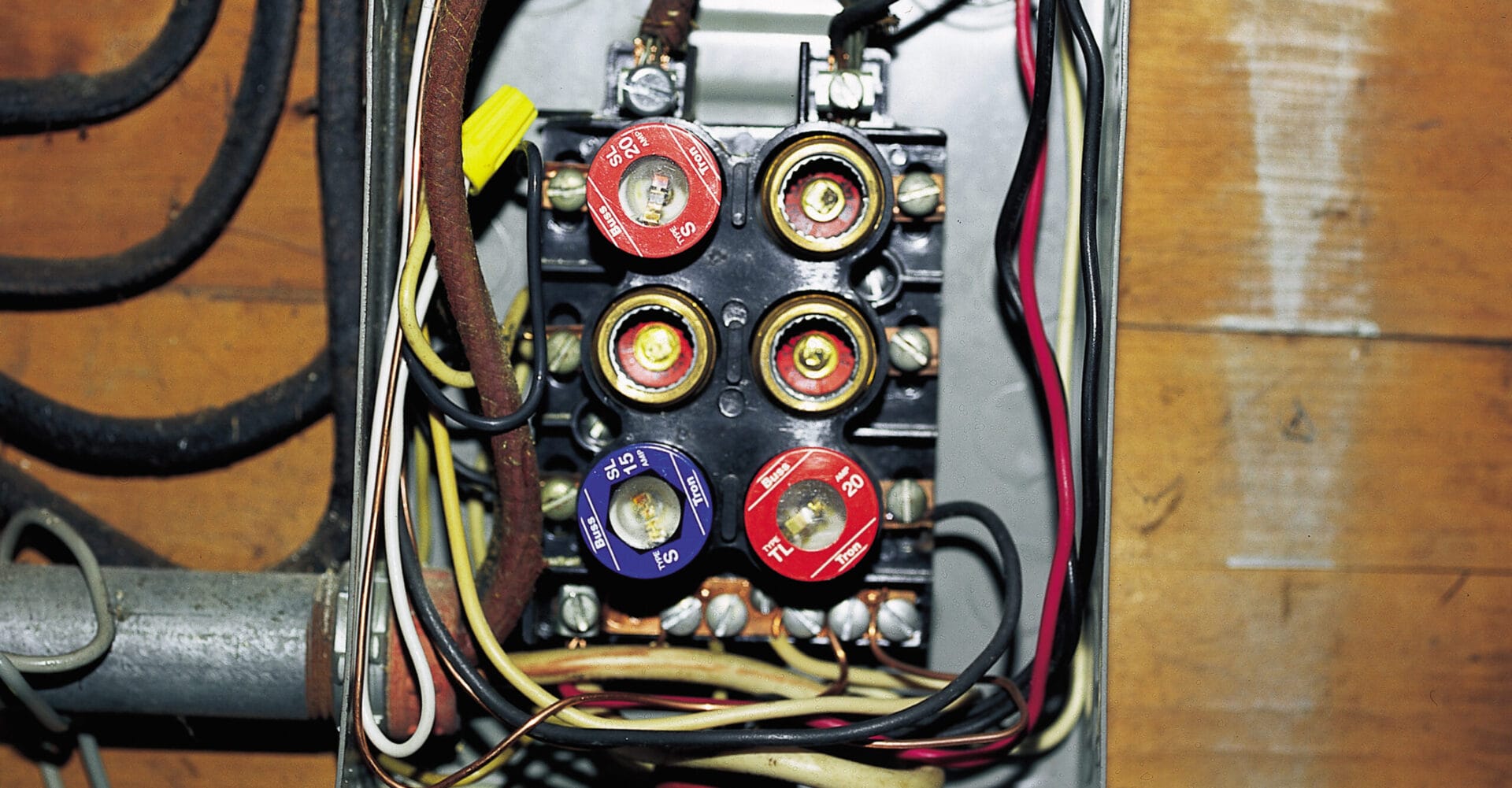

Electrical problems have a special talent for showing up at the worst possible time. The lights flicker during dinner. The outlet behind the couch stops working the moment you finally decide to vacuum. The breaker trips right when the microwave, toaster, and coffee maker are all fighting for breakfast glory. Coincidence? Maybe. A warning sign? Very possibly.
The good news is that many common electrical issues have simple explanations. The better news is that you do not need to become a superhero in rubber gloves to understand them. In fact, the smartest electrical troubleshooting often starts with knowing what not to touch. Some fixes are as easy as replacing a light bulb, resetting a GFCI outlet, or unplugging an overloaded power strip. Others are your house politely screaming, “Please call a licensed electrician before I become a campfire.”
This guide breaks down 10 of the most common electrical problems in homes, what usually causes them, what you can safely check, and when it is time to bring in a professional. Think of it as a friendly field guide to suspicious switches, dramatic breakers, and outlets with trust issues.
Before You Troubleshoot: Safety Comes First
Electricity is useful, invisible, and very bad at apologizing. Before investigating any electrical issue, avoid touching exposed wires, warm outlets, buzzing panels, burned plugs, or anything that smells like melted plastic. Never work inside a service panel unless you are qualified. If you see sparks, smoke, scorch marks, or repeated breaker trips, stop using that circuit and contact a licensed electrician.
For small checks, stay on the safe side: unplug devices before inspecting cords, keep water away from outlets, and treat repeated problems as symptoms rather than annoyances. A breaker that trips once may be doing its job. A breaker that trips every Tuesday when the toaster makes eye contact with the microwave is trying to tell you a story.
1. Flickering Lights
Common causes
Flickering lights can happen for several reasons. A loose bulb is the easiest culprit. Incompatible LED bulbs and older dimmer switches are also common. If lights flicker across multiple rooms, the issue may involve loose wiring, an overloaded circuit, or a problem with the electrical service connection.
Safe solution
Start with the least dramatic possibility: turn the light off and make sure the bulb is seated properly. If the fixture uses a dimmer, confirm the bulb is labeled dimmable and that the dimmer is compatible with LED lighting. If only one lamp flickers, try another bulb or test the lamp in a different outlet.
If several lights flicker at once, especially when a major appliance starts, do not ignore it. That can indicate a voltage drop, loose connection, or circuit capacity issue. In that case, call an electrician. Your home should not dim like a haunted mansion every time the refrigerator wakes up.
2. Circuit Breaker Keeps Tripping
Common causes
A circuit breaker trips to protect your home from overheating, short circuits, ground faults, or excessive electrical load. In plain English, the breaker is not being rude; it is preventing a bigger problem. Too many devices on one circuit is one of the most common reasons. Faulty appliances, damaged cords, moisture near outlets, or wiring defects can also cause repeated trips.
Safe solution
Unplug devices on the affected circuit and reduce the load. For example, avoid running a space heater, microwave, toaster oven, and hair dryer on the same circuit. If the breaker resets and stays on after removing devices, the circuit may simply have been overloaded.
If the breaker trips again immediately, will not reset, feels hot, smells burnt, or shows signs of damage, leave it alone and call a licensed electrician. Repeated tripping is not a lifestyle. It is a warning sign.
3. Dead Outlet
Common causes
A dead outlet may be caused by a tripped breaker, a tripped GFCI outlet, a loose internal connection, worn-out receptacle parts, or damaged wiring. Sometimes several outlets in one room stop working because they are connected to the same circuit or GFCI protection point.
Safe solution
First, check whether nearby lights or outlets are also out. Then look for a GFCI outlet in the room, garage, bathroom, kitchen, basement, or exterior area. Press the reset button if it has tripped. Next, check whether a breaker has moved to the off or middle position.
If the outlet still does not work, do not remove the cover and start poking around. A dead outlet can hide loose wiring, heat damage, or a failed receptacle. Call an electrician if the outlet is warm, discolored, buzzing, loose, or unreliable.
4. GFCI Outlet Will Not Reset
Common causes
Ground-fault circuit interrupter outlets are designed to shut off power when they detect leakage current. They are commonly used in kitchens, bathrooms, garages, basements, laundry rooms, and outdoor areas. If a GFCI will not reset, there may be moisture present, a device plugged into the circuit may be faulty, the outlet may have reached the end of its service life, or there may be a wiring issue downstream.
Safe solution
Unplug devices connected to that outlet and nearby protected outlets, then try the reset button again. If the outlet resets and trips only when one appliance is plugged in, that appliance may be the problem. If the outlet refuses to reset even with nothing plugged in, call a professional.
Do not bypass a GFCI because it is “annoying.” That little button exists because water and electricity have a historically terrible relationship.
5. Warm or Discolored Outlets
Common causes
Outlets should not feel hot. Slight warmth from a plug-in power adapter can be normal, but heat at the outlet itself is a red flag. Common causes include overloaded circuits, loose connections, worn receptacles, damaged wiring, or plugs that do not fit tightly.
Safe solution
Stop using the outlet immediately. Unplug devices, especially high-wattage items such as heaters, irons, or large appliances. If the outlet is discolored, cracked, buzzing, or smells burnt, do not use it again until it has been inspected.
This is one of those moments when “I’ll deal with it later” is not a great plan. Heat near an outlet can indicate a fire hazard, and the safest solution is professional repair.
6. Buzzing Switches or Outlets
Common causes
A quiet electrical system is usually a happy electrical system. Buzzing from a switch, outlet, dimmer, or panel may point to loose connections, incompatible dimmer switches, overloaded circuits, worn components, or arcing. Some dimmers make a faint hum, but loud or new buzzing deserves attention.
Safe solution
If a dimmer buzzes only with certain bulbs, switch to compatible dimmable LED bulbs or have the dimmer replaced with an LED-rated model. If a standard outlet or switch buzzes, stop using it and call an electrician. Buzzing can be a sign that electricity is not flowing through a clean, secure path.
Electricity should not sound like a tiny angry refrigerator living in your wall.
7. Light Bulbs Burn Out Too Fast
Common causes
Frequent bulb burnout can be caused by using the wrong wattage, poor-quality bulbs, loose bulbs, vibration from ceiling fans, heat buildup in enclosed fixtures, voltage issues, or fixture problems. LED bulbs can also fail early when placed in fixtures not designed for them, especially enclosed fixtures that trap heat.
Safe solution
Check the fixture label and use bulbs within the recommended wattage. For enclosed fixtures, choose LED bulbs rated for enclosed spaces. If bulbs fail in one fixture repeatedly, the socket or fixture may be damaged. If bulbs throughout the home burn out unusually fast, the issue may involve voltage irregularities and should be checked by a professional.
One bad bulb is normal. A parade of dead bulbs is your ceiling sending a memo.
8. Outlets That Will Not Hold Plugs
Common causes
If plugs fall out or feel loose, the outlet contacts may be worn. This is especially common in older homes or heavily used outlets. Loose plug connections can create heat and arcing, which increases fire risk.
Safe solution
Stop using outlets that cannot hold plugs securely. Do not bend plug prongs to make them fit tighter. That is not a repair; it is electrical origami with bad consequences. Have the receptacle replaced by a qualified person. If the outlet is in a child-accessible area or an older home, upgrading to tamper-resistant receptacles may also be wise.
9. Extension Cord Overuse
Common causes
Extension cords are meant for temporary use, not as permanent household wiring. Problems happen when cords are overloaded, run under rugs, pinched behind furniture, used outdoors without outdoor rating, or used with high-wattage appliances that draw more power than the cord can safely carry.
Safe solution
Use extension cords only temporarily and choose cords rated for the device and location. Never run cords under carpets or across doorways where they can be damaged. Do not plug space heaters into extension cords or power strips. If you rely on extension cords every day in the same area, the real solution is usually adding properly installed outlets or circuits.
Extension cords are like folding chairs: handy for a short visit, suspicious as permanent furniture.
10. Frequent Electrical Surges
Common causes
Power surges can come from lightning, utility issues, large appliances cycling on and off, damaged wiring, or low-quality plug-in devices. Small surges may not cause immediate drama, but over time they can shorten the life of electronics, appliances, chargers, and smart-home devices.
Safe solution
Use surge protectors for sensitive electronics, and replace old or damaged power strips. If surges are frequent, ask an electrician about whole-home surge protection. Also pay attention to clues like flickering lights, buzzing outlets, or appliances behaving strangely. A surge problem may be bigger than one unlucky laptop charger.
When to Call a Licensed Electrician Immediately
Some electrical problems are not “watch and wait” situations. Call a licensed electrician promptly if you notice any of the following:
- Burning smells near outlets, switches, cords, or panels
- Scorch marks, melted plastic, or discoloration
- Breakers that trip repeatedly or will not reset
- Warm outlets or switches
- Buzzing, crackling, or popping sounds
- Sparks when plugging in devices
- Shocks or tingles from appliances or outlets
- Lights dimming throughout the home
- Old two-prong outlets where grounded protection is needed
- Any wiring exposed, frayed, chewed, or damaged
The safest rule is simple: if the problem involves heat, smell, sound, smoke, repeated failure, or visible damage, do not negotiate with it. Get professional help.
Experience-Based Tips: What Homeowners Learn After Dealing With Electrical Problems
After dealing with household electrical problems, most homeowners learn one big lesson: the first symptom is rarely random. A flickering light, a weak outlet, or a breaker that trips “only sometimes” may look small, but it often points to a pattern. The trick is to pay attention before the problem grows teeth.
One common experience is discovering that overloaded circuits hide in plain sight. A bedroom outlet may power a computer, monitor, phone charger, fan, printer, lamp, and maybe a space heater during winter. Everything works until one more device joins the party, and suddenly the breaker says, “Absolutely not.” The solution is not to keep resetting the breaker like it owes you money. The better approach is to reduce the load, separate high-demand devices, and have a professional evaluate whether the room needs additional capacity.
Another real-world lesson involves GFCI outlets. Many people think a bathroom outlet is dead when the actual reset button is in another bathroom, the garage, or even outside. It feels like a scavenger hunt designed by an electrician with a mysterious sense of humor. Once you learn how GFCI-protected circuits are connected, the issue becomes less confusing. Still, a GFCI that trips repeatedly deserves respect. It may be reacting to moisture, a faulty appliance, or a wiring problem.
Homeowners also learn that lighting problems are not always wiring disasters. Sometimes the bulb is loose. Sometimes an LED bulb and an old dimmer are simply not friends. Sometimes a fixture traps heat and cooks bulbs faster than expected. But when lights flicker across multiple rooms, dim when appliances start, or behave differently from day to day, it is time to stop guessing and schedule an inspection.
One of the most overlooked experiences is cord management. People often begin with “just one extension cord” and somehow end up with a cable jungle behind the entertainment center. Power strips are helpful, but they do not create more circuit capacity. They only give more places to plug things in. That distinction matters. A power strip cannot turn one outlet into an electrical buffet for every device in the house.
Older homes bring their own personality. Two-prong outlets, limited circuits, outdated panels, and rooms with too few receptacles can make modern living awkward. The house may have been built when a lamp, radio, and toaster were considered a full technology ecosystem. Today’s homes run laptops, routers, air fryers, gaming systems, chargers, TVs, and smart devices. If your electrical system feels constantly stretched, an upgrade may be safer and more practical than a drawer full of adapters.
The best experience-based advice is this: document what happens. Note which room, which outlet, which appliance, and what time the problem occurs. Did the breaker trip when the microwave and coffee maker ran together? Did the light flicker only after installing a new dimmer? Did an outlet stop working after heavy rain? These details help an electrician diagnose the issue faster and may reduce repair time.
Finally, never let embarrassment delay a repair call. Electricians have seen everything: mystery switches, overloaded power strips, outdoor cords that survived three summers too many, and panels labeled with ancient hieroglyphics like “Bob’s Room?” and “Maybe Kitchen.” Your job is not to know everything. Your job is to notice problems early and handle them safely.
Conclusion
Electrical problems do not have to be mysterious, but they do need to be respected. Flickering lights, dead outlets, tripping breakers, buzzing switches, warm receptacles, and overused extension cords are common issues, and many begin with simple causes. However, the line between minor inconvenience and serious hazard can be thin.
The smartest solution is a safety-first approach. Check the simple things: loose bulbs, overloaded outlets, tripped breakers, GFCI resets, and incompatible dimmers. Then stop there if the issue involves heat, burning smells, repeated trips, sparks, or damaged wiring. A licensed electrician is not just fixing a nuisance; they are protecting your home, your devices, and everyone living inside.
In short: listen to your home. If it flickers, buzzes, trips, smells, or warms up in ways it should not, do not ignore it. Electricity is fantastic when it stays where it belongs. When it starts acting dramatic, give it professional attention before the drama gets expensive.