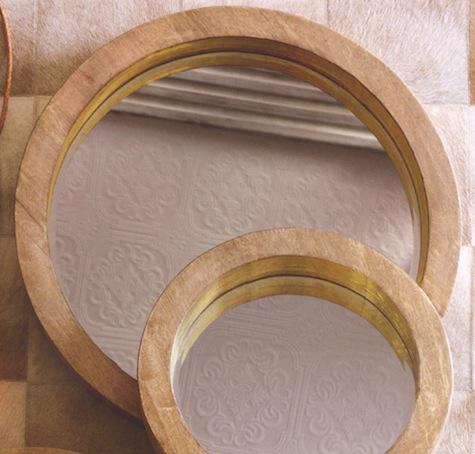

The Roost Porthole Mirror is the kind of home accent that quietly walks into a room, clears its throat, and somehow makes the whole wall look more intentional. Inspired by the circular windows of classic ships, this mirror blends nautical charm, warm wood texture, and a polished brass accent in a way that feels less like “theme décor” and more like “I have excellent taste, and yes, I know where the good coffee is.”
At its core, the Roost Porthole Mirror is a round wall mirror held in a thick wooden frame, accented by shiny brass trim along the inner rim. Its mango wood construction and waxed finish give it a tactile, natural quality, while the circular profile keeps the design clean and architectural. The result is a mirror that works beautifully in coastal homes, rustic-modern interiors, transitional spaces, and even city apartments that have never seen a sailboat but still enjoy the idea of one.
This article explores what makes the Roost Porthole Mirror special, how to style it, where it works best, what to consider before buying, and why round mirrors remain a favorite design trick for adding light, depth, and personality to a home.
What Is the Roost Porthole Mirror?
The Roost Porthole Mirror is a decorative round mirror designed to resemble a ship’s porthole, but with a softer, more refined home décor sensibility. Instead of looking like a novelty item from a seaside souvenir shop, it feels like a considered design piece. The thick wooden frame adds warmth and structure, while the brass inner trim gives the mirror a subtle gleam that catches light without shouting across the room.
The mirror’s materials are a major part of its appeal. Mango wood is known for its attractive grain, natural variation, and sturdy feel. A waxed finish helps highlight the wood’s organic character while keeping the surface from looking overly glossy or artificial. The brass trim introduces a metallic note that pairs well with warm lighting, aged hardware, woven textures, leather, linen, and natural stone.
In plain English: it looks like something you would find in a beautiful boutique hotel bathroom, a well-edited beach house, or a hallway where someone definitely owns a nice umbrella stand.
Why the Porthole Shape Works So Well
Round mirrors have a special talent: they soften spaces filled with straight lines. Most rooms are full of rectangles. Doors are rectangular. Windows are rectangular. Sofas, cabinets, console tables, tile layouts, picture frames, and bookshelves all tend to march along in neat little right angles. A circular mirror breaks that rhythm in a visually satisfying way.
The porthole shape adds even more character because it suggests travel, craftsmanship, and a little maritime romance. It is not just a circle; it is a circle with a story. That story might whisper “luxury liner,” “coastal cottage,” or “captain’s cabin,” depending on how you style it. Thankfully, it does not have to scream “pirate birthday party.”
The Roost Porthole Mirror succeeds because it balances theme and restraint. The brass trim nods to classic nautical hardware, while the wooden frame keeps the piece grounded. It can feel coastal, but it does not require seashells, anchors, or a sign that says “Beach Vibes Only.” Your walls can relax.
Design Features That Make It Stand Out
Thick Wooden Frame
The substantial wood frame gives the mirror presence. Thin-framed mirrors can disappear into a wall, which is useful in minimalist interiors, but the Roost Porthole Mirror is meant to be noticed. The thickness of the frame creates depth and shadow, making the piece feel more architectural than a flat mirror panel.
Brass Inner Trim
The shiny brass trim is the detail that makes the mirror feel polished. Brass has long been used in hardware, lighting, and decorative accents because it brings warmth without feeling as flashy as chrome. Over time, brass can develop a natural patina, which many homeowners love because it adds character and age. If you prefer a brighter finish, gentle cleaning and careful maintenance can help preserve the shine.
Mango Wood Construction
Mango wood is appreciated in furniture and décor because it is durable, attractive, and often used after mango trees have reached the end of their fruit-producing life. Its grain can vary from piece to piece, which means each mirror may have slight differences in tone and texture. Those natural variations are part of the charm, not a factory error from a bored tree.
Waxed Finish
A waxed finish gives wood a soft, touchable quality. It tends to look more natural than a heavy lacquer and allows the grain to remain visually important. For homeowners who prefer organic materials and subtle finishes, this is a strong advantage.
Best Places to Use a Roost Porthole Mirror
Entryway
An entryway is one of the best places for this mirror. It provides a quick last check before leaving the house and creates an inviting focal point for guests. Hang it above a slim console table, add a ceramic bowl for keys, a small lamp, and perhaps a vase with branches. Suddenly your entryway looks styled instead of merely functional.
Bathroom
The Roost Porthole Mirror can work beautifully in a bathroom, especially above a single vanity. Its round shape softens tile, cabinetry, and plumbing fixtures. The brass detail can coordinate with brass faucets, towel bars, sconces, or cabinet pulls. For best proportion, choose a size that feels balanced with the vanity below it rather than too tiny or overwhelmingly large.
Living Room
In a living room, the mirror can hang above a fireplace, sideboard, or console table. It reflects light, adds visual depth, and creates a focal point without requiring bold artwork. This is especially helpful in rooms where you want texture and sophistication but do not want another framed print of misty mountains pretending to be meaningful.
Bedroom
In a bedroom, the mirror can add warmth and softness above a dresser or beside a closet area. It pairs well with linen bedding, wood nightstands, woven baskets, and warm-toned lighting. Because the design has both structure and softness, it can bridge masculine and feminine design elements without leaning too far in either direction.
Hallway or Stair Landing
Hallways often suffer from what designers might politely call “a lack of personality.” A round mirror can fix that quickly. The Roost Porthole Mirror can make a narrow hallway feel brighter and more finished, especially if positioned to reflect natural light from a nearby window or an attractive view from another room.
How to Style the Roost Porthole Mirror
Pair It With Natural Materials
Because the mirror features wood and brass, it looks best when surrounded by materials that speak the same language. Think rattan, jute, linen, stoneware, aged leather, ceramic lamps, wool rugs, and wood furniture. These textures help the mirror feel integrated rather than randomly placed.
Use It as a Statement Piece
The Roost Porthole Mirror has enough character to stand alone. If your wall is small or your room already has several decorative elements, resist the urge to crowd it with extra frames or wall objects. Sometimes one strong piece is better than a committee meeting of décor.
Try a Coastal-Modern Look
For a coastal-modern interior, pair the mirror with white walls, pale oak, woven shades, navy accents, and relaxed upholstery. Keep the palette clean and let the mirror provide warmth and shape. The goal is “elegant seaside retreat,” not “seafood restaurant lobby.”
Mix It With Industrial Details
The porthole influence also works with industrial design. Pair the mirror with black metal shelving, vintage leather seating, exposed brick, concrete surfaces, or Edison-style lighting. The brass trim adds warmth, while the round form softens heavier materials.
Layer Lighting Around It
Mirrors perform best when they have something good to reflect. A sconce nearby, a table lamp below, or natural light from a window can make the Roost Porthole Mirror feel more dynamic. Avoid placing it where it reflects clutter, laundry piles, or that one corner everyone pretends not to see.
Choosing the Right Size and Placement
Scale matters. A mirror that is too small can look timid, while one that is too large can overpower the wall. A common design guideline is to choose a mirror that is roughly two-thirds the width of the furniture below it, such as a console table, vanity, dresser, or mantel. This keeps the arrangement balanced and intentional.
For an entryway console, hang the mirror so the center sits near eye level. In a bathroom, leave comfortable space between the mirror and the vanity top, while also considering the height of faucets and lighting. In a living room, make sure the mirror relates to nearby furniture rather than floating awkwardly like a decorative moon that lost its orbit.
Before hanging, test the reflection. Stand in different parts of the room and look at what the mirror captures. A mirror reflecting a window, artwork, greenery, or a beautiful light fixture can make a space feel larger and brighter. A mirror reflecting a trash can is technically honest, but rarely glamorous.
Roost Porthole Mirror and Popular Interior Styles
Coastal Style
This is the most obvious match. The porthole design naturally suits coastal spaces, especially when paired with sandy neutrals, weathered wood, white walls, blue accents, and casual fabrics. The trick is to keep the look edited. One porthole mirror is stylish. Twelve porthole mirrors and a decorative oar may require an intervention.
Rustic Modern
The wood frame makes the mirror a strong fit for rustic-modern homes. It adds warmth without feeling overly rugged. Pair it with clean-lined furniture, matte black accents, stone textures, and soft textiles for a balanced look.
Transitional Style
Transitional interiors blend traditional and contemporary elements. The Roost Porthole Mirror works well here because it has a classic reference but a simple profile. It can sit comfortably above a traditional console or inside a more modern bathroom.
Eclectic Interiors
In an eclectic room, the mirror can act as a grounding piece. Its shape is bold, but its materials are familiar. It pairs well with collected art, vintage furniture, patterned rugs, and unusual accessories. Basically, it is the calm friend in a room full of interesting opinions.
Care and Maintenance Tips
To care for the Roost Porthole Mirror, dust the wooden frame regularly with a soft, dry cloth. Avoid harsh chemical cleaners on the wood or brass trim. For the mirror glass, spray glass cleaner onto a cloth rather than directly onto the mirror, which helps prevent liquid from seeping into the frame.
If the brass begins to age, decide whether you enjoy the patina. Many people appreciate the darker, warmer look brass develops over time. If you prefer a polished appearance, use a gentle brass-safe cleaner and avoid abrasive scrubbing. For the waxed wood, keep the mirror away from excessive moisture and direct, intense sunlight when possible.
In bathrooms, proper ventilation is important. Even durable materials last longer when they are not constantly exposed to steam. A porthole mirror may look nautical, but that does not mean it wants to live inside a rainforest.
Buying Considerations Before You Choose It
Before buying a Roost Porthole Mirror or a similar porthole-style mirror, consider your wall size, existing finishes, and overall design direction. If your room already has brass lighting or warm wood furniture, the mirror will likely blend easily. If your space is filled with cool chrome, glossy white surfaces, and sharp modern lines, the mirror can still work, but it will stand out more dramatically.
Also consider depth. A thick frame can project farther from the wall than a slim mirror, so it may not be ideal in very tight passageways where shoulders, backpacks, or enthusiastic pets frequently pass by. For most entryways, bathrooms, and living spaces, however, the added depth is part of the visual appeal.
Experience Notes: Living With a Roost Porthole Mirror
One of the most enjoyable things about a mirror like this is how quickly it changes the mood of a room. A standard mirror can be useful, but the Roost Porthole Mirror feels more like a decorative object with a job. It reflects your face, yes, but it also reflects light, atmosphere, and a certain quiet confidence.
In an entryway, the mirror creates an immediate sense of arrival. It gives guests something beautiful to notice before they even step fully inside. The round shape feels welcoming, and the wood frame makes the space feel warmer. If you have a narrow entry, placing the mirror opposite or near a light source can make the area feel less cramped. Add a small bench or console below it, and the whole setup starts looking like it belongs in a design magazine rather than a place where shoes gather for mysterious meetings.
In a bathroom, the experience is more practical but still stylish. The circular frame softens the hard surfaces common in bathrooms, especially tile, stone, and cabinetry. The brass trim can make morning routines feel slightly more luxurious, even if the routine still involves searching for toothpaste while half awake. When paired with warm bulbs or wall sconces, the mirror can create a flattering glow that feels far more pleasant than harsh overhead lighting.
In a living room, the mirror works best when it reflects something intentional. A window with greenery outside, a pendant light, a piece of artwork, or a textured wall can all look beautiful in the reflection. This is where homeowners often discover the secret power of mirrors: they do not just decorate the wall they occupy; they borrow beauty from elsewhere in the room.
The Roost Porthole Mirror also has a tactile appeal. The combination of waxed wood and brass feels more layered than a plain frameless mirror. It invites closer inspection. Guests may not immediately know why the room feels more finished, but they will sense it. That is the magic of good accent pieces: they do not always demand applause, but they improve the performance.
Styling it over time is easy. In summer, it pairs naturally with lighter textiles, woven baskets, and coastal colors. In fall and winter, it works with darker woods, amber glass, candles, and heavier fabrics. Unlike trendier décor, its shape and materials have enough history to remain useful across seasons.
The only real challenge is restraint. Because porthole mirrors have such a clear personality, it is tempting to build an entire nautical theme around them. A little restraint keeps the look sophisticated. Let the mirror be the maritime reference, then support it with subtle textures instead of obvious props. No one needs a decorative anchor unless they are actually securing a boat.
Overall, living with the Roost Porthole Mirror feels like adding a small architectural moment to the home. It is functional, attractive, and memorable without being difficult to style. For homeowners who want a mirror that does more than simply fill wall space, it is a strong choice.
Final Thoughts
The Roost Porthole Mirror is more than a reflective surface. It is a compact design statement that combines round geometry, mango wood, brass detail, and nautical inspiration in a tasteful way. It can brighten a room, soften hard lines, and add character without overwhelming the space.
Whether used in an entryway, bathroom, bedroom, hallway, or living room, this mirror brings warmth and personality to the wall. Its best quality is balance: coastal but not kitschy, rustic but not rough, polished but not precious. In other words, it knows how to dress well without making a big speech about it.
For anyone looking for a round wood mirror with a distinctive point of view, the Roost Porthole Mirror deserves serious consideration. It offers texture, shine, function, and charm in one tidy circle. That is a lot of design mileage from one wall accent.