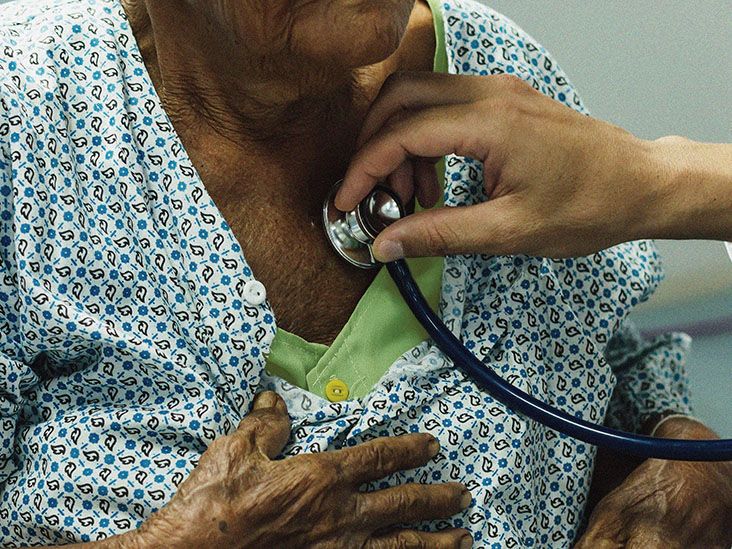

Stage 3 COPD can sound like a dramatic medical label, the kind that enters the room wearing a serious face and carrying a clipboard. But while it is a serious stage of chronic obstructive pulmonary disease, it is not the end of the story. Stage 3 COPD usually means airflow is severely limited, daily activities may feel harder, and flare-ups may become more disruptive. Still, with the right treatment plan, smarter routines, pulmonary rehabilitation, and good communication with a healthcare provider, many people continue to live active, meaningful lives.
COPD, short for chronic obstructive pulmonary disease, is an umbrella term most commonly involving emphysema, chronic bronchitis, or both. The lungs become damaged and inflamed over time, making it harder to move air in and out. In plain English: the lungs are still working, but they now require more negotiation than they used to. Walking upstairs, carrying groceries, showering, or laughing too hard at a family group chat may suddenly feel like a workout.
This guide explains Stage 3 COPD symptoms, how it is diagnosed, common treatment options, what the outlook may look like, and practical experience-based tips for living with severe COPD without letting the diagnosis steal the entire spotlight.
What Is Stage 3 COPD?
Stage 3 COPD is often called severe COPD. Traditionally, COPD stages are based partly on spirometry, a breathing test that measures how much air a person can forcefully exhale in one second. This number is called FEV1. In Stage 3 COPD, FEV1 is typically between about 30% and 49% of the predicted value for a person’s age, height, sex, and other factors.
That number matters, but it does not tell the whole story. Two people can have similar spirometry results and very different lives. One person may walk around the block with oxygen and a slow, steady pace. Another may struggle to get from the bedroom to the kitchen during a flare-up. COPD is not just a lung-function number; it is also symptoms, flare-up history, oxygen levels, fitness, other health conditions, and how well the treatment plan is working.
Common Stage 3 COPD Symptoms
By Stage 3, symptoms are usually more noticeable and more likely to interfere with daily life. They may come and go, but many people notice a lower “breathing budget.” Activities that used to be automatic now require planning, pacing, and sometimes a chair placed strategically like a tiny personal rest stop.
Shortness of Breath During Everyday Tasks
Shortness of breath, also called dyspnea, is one of the most common symptoms of Stage 3 COPD. A person may feel winded while walking, dressing, bathing, climbing stairs, cooking, or doing light housework. It can feel like the body is asking for more air than the lungs are willing to deliver on schedule.
Chronic Cough and Mucus
Many people with COPD have a long-term cough. Some cough up mucus, especially in the morning. The mucus may be clear, white, yellowish, or greenish. A sudden change in mucus color, thickness, or amount can be a warning sign of a COPD flare-up or infection and should be discussed with a healthcare provider.
Wheezing and Chest Tightness
Wheezing is a high-pitched sound that may happen when airways are narrowed or irritated. Chest tightness can feel like pressure, heaviness, or the sensation that the lungs are wearing a sweater two sizes too small. These symptoms may worsen with respiratory infections, smoke, cold air, strong odors, or air pollution.
Fatigue and Lower Exercise Tolerance
Breathing takes energy. When COPD becomes severe, the body may spend more effort just moving air. This can lead to fatigue, weaker muscles, and less stamina. Unfortunately, doing less activity can make muscles weaker, which can make breathlessness worse. That cycle is rude, but pulmonary rehabilitation can help break it.
Frequent Flare-Ups
A COPD flare-up, also called an exacerbation, is a sudden worsening of symptoms that lasts longer than usual. During a flare-up, breathing may become harder, coughing may increase, mucus may change, and rescue medications may be needed more often. Severe flare-ups may require urgent care, emergency treatment, or hospitalization.
How Stage 3 COPD Is Diagnosed
Doctors do not diagnose Stage 3 COPD by guessing from across the room, even if the wheezing is trying to make itself known. Diagnosis usually involves a combination of medical history, physical exam, symptom review, and testing.
Spirometry
Spirometry is the key test for diagnosing and grading COPD airflow limitation. During the test, a person breathes into a machine that measures airflow. The results include FEV1 and FVC, which help show how blocked the airways are. Many patients also do the test after using a bronchodilator medication to see how much airflow improves.
Oxygen Testing
A pulse oximeter may be used to check blood oxygen saturation. Some people also need oxygen checks during walking, exercise, or sleep. In certain cases, an arterial blood gas test may be ordered to measure oxygen and carbon dioxide more precisely.
Imaging and Other Tests
A chest X-ray or CT scan may help identify emphysema, hyperinflation, infections, or other lung problems. Doctors may also check for alpha-1 antitrypsin deficiency, a genetic condition that can contribute to COPD, especially in people who develop COPD at a younger age or without a major smoking history.
Stage 3 COPD Treatment Options
There is no one-size-fits-all treatment plan for severe COPD. The best plan depends on symptoms, flare-up history, oxygen levels, other medical conditions, medication response, and lifestyle needs. The goal is not simply to “treat the lungs.” The goal is to help the whole person breathe easier, move better, avoid flare-ups, and stay as independent as possible.
Quitting Smoking and Avoiding Irritants
If a person smokes, quitting is one of the most important steps. This is not a moral lecture; lungs do not need judgment, they need less smoke. Stopping smoking can slow COPD progression, reduce flare-ups, and improve treatment response. People with COPD should also avoid secondhand smoke, vaping aerosols, dust, chemical fumes, wood smoke, and poor air quality when possible.
Bronchodilators
Bronchodilators help relax the muscles around the airways, making breathing easier. Some are short-acting rescue medications used when symptoms suddenly worsen. Others are long-acting maintenance inhalers used every day to keep airways more open. Many people with Stage 3 COPD use long-acting bronchodilators as a central part of treatment.
Inhaled Corticosteroids
Inhaled corticosteroids may be used for people who have frequent flare-ups or certain inflammatory patterns. These medicines can help reduce airway inflammation and lower the risk of exacerbations in selected patients. They are often combined with long-acting bronchodilators. Because they can have side effects, including mouth irritation or thrush, proper inhaler technique and mouth rinsing are important.
Combination and Triple Therapy
Some people need combination inhalers that include two or three types of medication. Triple therapy may include a long-acting beta agonist, a long-acting muscarinic antagonist, and an inhaled corticosteroid. For patients with severe symptoms or repeated flare-ups, this kind of tailored medication plan can be a game-changer, or at least a “walk to the mailbox without negotiating with destiny” changer.
Pulmonary Rehabilitation
Pulmonary rehabilitation is one of the most useful treatments for Stage 3 COPD. It usually combines supervised exercise, breathing techniques, education, nutrition guidance, emotional support, and strategies for conserving energy. It does not magically create brand-new lungs, but it can help people use the lungs and muscles they have more efficiently.
Many patients are surprised that exercise can help when breathing is already difficult. The key is safe, supervised, gradual training. Stronger leg and core muscles require less oxygen to do daily tasks. That means less breathlessness for the same activity. In COPD terms, that is a very nice bargain.
Oxygen Therapy
Not everyone with Stage 3 COPD needs oxygen therapy. Oxygen is prescribed when testing shows oxygen levels are too low, either at rest, during activity, or during sleep. Some people use oxygen only during exertion or at night, while others need it for longer periods. Oxygen should always be used exactly as prescribed. It is also important to follow safety rules, especially avoiding smoking or flames around oxygen equipment.
Vaccines and Infection Prevention
Respiratory infections can trigger serious COPD flare-ups. People with COPD should ask their healthcare provider about flu, COVID-19, pneumococcal, RSV, and other recommended vaccines. Handwashing, avoiding sick contacts when possible, and acting quickly when symptoms change can also reduce the risk of a small infection turning into a big breathing problem.
Action Plans for Flare-Ups
A COPD action plan is a written plan that explains what to do when symptoms are stable, when they worsen, and when urgent help is needed. It may include when to use rescue inhalers, when to call the doctor, and when oral steroids or antibiotics may be appropriate. The plan should be personalized. Borrowing someone else’s COPD plan is like wearing someone else’s prescription glasses: technically possible, but not wise.
Newer Add-On Treatments for Selected Patients
Some adults with inadequately controlled COPD and an eosinophilic inflammatory pattern may qualify for newer add-on therapy, such as biologic treatment. These medicines are not for everyone and are not rescue treatments for sudden breathing attacks. A healthcare provider may use blood tests, flare-up history, and treatment response to decide whether this option fits.
Procedures and Surgery
For carefully selected people with advanced emphysema, procedures such as endobronchial valves, lung volume reduction surgery, bullectomy, or lung transplant evaluation may be discussed. These are not routine Stage 3 COPD treatments, but they may be considered when symptoms remain severe despite optimized care.
What Is the Outlook for Stage 3 COPD?
The outlook for Stage 3 COPD varies widely. COPD is usually progressive, meaning it can worsen over time, but progression is not the same for everyone. Some people decline slowly for years. Others have repeated flare-ups that speed up lung-function loss. The strongest influences often include smoking status, flare-up frequency, physical activity, oxygen levels, nutrition, medication adherence, and other conditions such as heart disease, anxiety, depression, diabetes, or sleep apnea.
The honest answer is this: Stage 3 COPD is serious, but it is manageable. A person may need more support, more careful planning, and more frequent medical follow-up. But many people still travel, garden, cook, work part-time, spend time with family, and enjoy hobbies. The activities may need a slower pace and more breaks. Life may require a chair in the shower, a rolling cart for groceries, or a portable oxygen unit. That is adaptation, not defeat.
When to Seek Medical Help
People with Stage 3 COPD should seek medical advice if they notice symptoms getting worse, increased breathlessness, more frequent rescue inhaler use, thicker or discolored mucus, fever, swelling in the legs, confusion, chest pain, or oxygen levels lower than their provider’s recommended range. Emergency care may be needed for severe shortness of breath, bluish lips or fingers, fainting, severe chest pain, or inability to speak in full sentences.
Living Better With Stage 3 COPD
Use Energy Like a Budget
Energy conservation is a practical skill. Sit while showering or cooking. Place commonly used items at waist height. Break chores into smaller tasks. Use a cart instead of carrying heavy loads. Plan activity for the time of day when breathing is usually best. These changes may look small, but they can save a surprising amount of oxygen and patience.
Practice Breathing Techniques
Pursed-lip breathing can help slow breathing and reduce trapped air. A common method is to inhale through the nose, then exhale slowly through pursed lips as if gently cooling soup. The soup is imaginary, but the benefit can be real. Diaphragmatic breathing may also help some people, especially when taught by a respiratory therapist.
Eat for Strength, Not Just Calories
Some people with COPD lose weight because breathing burns extra energy. Others gain weight because activity becomes harder. Both can affect breathing. A balanced eating plan with enough protein, fluids, and nutrient-dense foods can support muscle strength and immune function. Large meals may worsen breathlessness for some people, so smaller meals may be easier.
Protect Mental Health
Breathlessness can be scary. Anxiety can make breathing feel worse, and breathlessness can increase anxiety. That loop deserves attention. Pulmonary rehab, counseling, support groups, relaxation techniques, and clear action plans can help people feel more in control. COPD is a lung disease, but the emotional side is not “all in your head.” It is part of the real experience.
Experience-Based Notes: What Stage 3 COPD Often Feels Like in Daily Life
For many people, the biggest adjustment with Stage 3 COPD is not one dramatic moment. It is the daily math. Can I shower before the appointment, or should I save my energy? Should I park closer, use the scooter, or ask someone to drop me at the door? Can I carry the laundry basket, or should I split it into two smaller loads and preserve my dignity along with my oxygen saturation?
A common experience is learning that rushing is expensive. A person may be able to walk from the living room to the car if they start early, move slowly, and pause halfway. But if they rush because someone is waiting, breathlessness may arrive like an uninvited marching band. Many people learn to build in extra time. Leaving ten minutes earlier can prevent a breathing spiral that takes twenty minutes to recover from.
Another real-life lesson is that good days and bad days can look very different. On a good day, a person with Stage 3 COPD may cook breakfast, water plants, and take a short walk. On a bad day, brushing teeth may feel like a project with multiple departments. This unpredictability can frustrate family members unless everyone understands that COPD symptoms are not laziness or moodiness. The lungs are simply having a less cooperative day.
People also learn to become weather experts. Cold air, humidity, wildfire smoke, pollen, and high pollution days can all make symptoms worse. Many patients check the air quality index the way other people check sports scores. If the air is bad, indoor exercise, closed windows, air filtration, or rescheduling errands may be smarter than trying to “push through.” With COPD, stubbornness is not always bravery; sometimes it is just poor logistics wearing a cape.
Inhaler routines become part of daily life. The challenge is not only remembering medications but using them correctly. Poor technique can mean medicine lands in the mouth instead of the lungs. Many people benefit from asking a nurse, pharmacist, or respiratory therapist to watch their technique. This can feel awkward for thirty seconds and helpful for months.
Portable oxygen, when prescribed, can bring mixed emotions. Some people resist it because it feels visible or inconvenient. But many later realize oxygen can increase freedom rather than reduce it. The tubing, tanks, concentrators, batteries, and planning may be annoying, yes. But being able to attend a grandchild’s school event, shop without panic, or walk farther with less breathlessness can make the equipment feel less like a burden and more like a very practical sidekick.
Caregivers often need support too. Loved ones may want to help but accidentally hover like a nervous helicopter. The best support usually comes from asking, “Do you want help, or do you want me nearby while you do it yourself?” Independence matters. So does safety. The sweet spot is teamwork without turning the person with COPD into a fragile museum exhibit.
One of the most valuable habits is tracking symptoms. A simple notebook or phone note can record breathing level, mucus changes, oxygen readings if recommended, sleep quality, activity, and medication use. Over time, patterns appear. Maybe symptoms worsen after poor sleep. Maybe certain cleaning products trigger wheezing. Maybe flare-ups often begin with fatigue before coughing increases. This information helps healthcare providers adjust treatment with more precision.
Finally, many people with Stage 3 COPD discover that “better” does not always mean cured. Better may mean fewer flare-ups, walking farther, recovering faster, sleeping more comfortably, feeling less anxious, or needing fewer emergency visits. Those wins count. COPD may change the pace of life, but with treatment, planning, support, and a little humor, it does not have to erase the good parts.
Conclusion
Stage 3 COPD is a severe stage of chronic obstructive pulmonary disease, but it is not a hopeless diagnosis. Symptoms such as shortness of breath, chronic cough, mucus, wheezing, fatigue, and flare-ups can interfere with daily life, yet treatment can make a meaningful difference. Bronchodilators, inhaled corticosteroids, pulmonary rehabilitation, oxygen therapy when needed, vaccines, action plans, lifestyle changes, and selected advanced therapies can all play a role.
The best outlook comes from a personalized plan: stop smoking if needed, use medications correctly, stay as active as safely possible, prevent infections, recognize flare-ups early, and keep regular appointments. Stage 3 COPD may require more planning, but planning is powerful. The lungs may be stubborn, but people are remarkably creative.
Note: This article is for educational purposes only and should not replace medical advice. Anyone with COPD symptoms, worsening breathing, low oxygen levels, chest pain, fever, confusion, or severe flare-up signs should contact a qualified healthcare provider or seek urgent care.