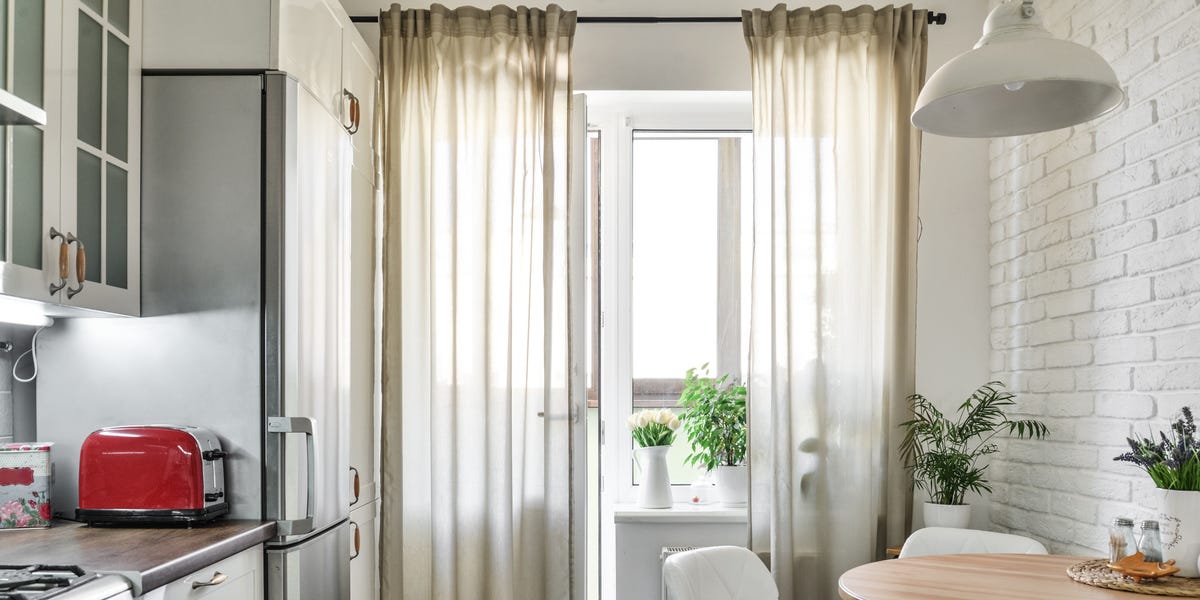

The kitchen is the room where life gets deliciously real. It is where coffee saves mornings, leftovers become “chef’s specials,” and someone always opens a cabinet looking for snacks five minutes after dinner. Because the kitchen works so hard, it deserves more than bare windows and bland practicality. The right kitchen curtains can soften hard surfaces, filter natural light, create privacy, and add a big splash of personality without requiring a remodel, a contractor, or a dramatic speech about “finally changing our lives.”
Kitchen curtain ideas today are much more flexible than the old-fashioned ruffled panels many people remember from grandma’s breakfast nook. Modern kitchen window treatments include café curtains, Roman shades, linen panels, valances, woven textures, sheer curtains, patterned fabric, and even renter-friendly tension rod solutions. The best choice depends on your kitchen layout, window size, privacy needs, cooking habits, and personal style. A small curtain can whisper, “charming cottage.” A bold pattern can announce, “Yes, I do own paprika and confidence.”
This guide explores stylish, practical, and personality-packed kitchen curtain ideas that can make the heart of the home feel warmer, brighter, and more finished.
Why Kitchen Curtains Matter More Than You Think
Kitchen curtains are not just decorative extras. They help control sunlight, reduce glare, add privacy from neighbors or street views, and make a kitchen feel more welcoming. In rooms full of cabinets, countertops, appliances, tile, metal, and stone, fabric introduces softness. That contrast is important because kitchens can easily become visually “hard,” even when they are beautifully designed.
Unlike major kitchen upgrades, curtains are relatively low commitment. You can change them seasonally, swap patterns as your taste evolves, or experiment with color before painting cabinets. They are also useful for tying together existing design elements. A curtain with navy stripes can connect blue dishware to white cabinetry. A soft floral shade can warm up a minimalist kitchen. A natural linen café curtain can make a modern space feel lived-in rather than showroom-stiff.
1. Café Curtains for Charm, Privacy, and Natural Light
Café curtains are one of the most popular kitchen curtain ideas because they cover the lower half of a window while leaving the upper half open. This gives you privacy where you need it without blocking daylight. They are especially useful over a kitchen sink, in a breakfast nook, or on windows facing a sidewalk, driveway, or nearby house.
For a timeless look, choose lightweight linen, cotton, or a linen-cotton blend. White café curtains feel crisp and classic, while soft stripes add a relaxed European-bistro mood. Small checks, block prints, and subtle florals work well in farmhouse, cottage, traditional, and transitional kitchens.
How to style café curtains
Mount the rod around the midpoint of the window or slightly above it. For a modern look, avoid overly fussy lace or heavy gathered fabric. Instead, choose simple pleats, slim hardware, and fabric that hangs cleanly. If you rent, a tension rod can give you the café curtain look without drilling holes. That is design freedom with a security deposit still intact.
2. Roman Shades for a Polished Kitchen Look
Roman shades are perfect when you want something tailored, neat, and slightly more refined than loose curtains. They fold upward in soft horizontal sections, making them ideal for windows above counters, banquettes, or sinks. They also work beautifully in kitchens where long panels would get in the way.
Roman shades can be simple and neutral, or they can become the main decorative statement. A patterned Roman shade can add personality to an all-white kitchen without overwhelming the room. For example, a white kitchen with brass hardware and marble counters can feel more inviting with a Roman shade in blue block print, olive green ticking stripe, or warm terracotta pattern.
Flat Roman shades look sleek and modern. Relaxed Roman shades have a softer curve at the bottom, which suits cottage, coastal, and traditional kitchens. For sunny kitchens, consider lined shades to protect fabric from fading and improve light control.
3. Sheer Curtains for a Soft, Airy Kitchen
Sheer kitchen curtains are excellent when you want filtered light rather than full privacy. They soften sunlight, reduce glare, and create a breezy mood. Sheers are especially useful in kitchens that do not need heavy coverage, such as windows facing a backyard, garden, or private patio.
White sheers create a clean and relaxed look. Cream or ivory sheers feel warmer and pair nicely with wood tones. For a subtle design twist, try sheer curtains with a woven texture, tiny embroidered dots, or barely-there stripes. The result is quiet personality, not a window shouting for attention during breakfast.
Because kitchens collect steam, grease, and cooking smells, choose washable sheer fabrics whenever possible. Lightweight polyester blends, cotton voile, and easy-care linen blends can be practical choices.
4. Patterned Curtains That Bring the Personality
If your kitchen feels flat, patterned curtains may be the missing ingredient. Pattern adds movement, color, and character. It can also help a kitchen feel more personal, especially if the rest of the space is neutral.
Stripes are safe, stylish, and versatile. Blue-and-white stripes feel coastal. Black-and-white stripes look graphic and modern. Beige or taupe stripes create a relaxed organic mood. Florals bring softness and nostalgia, while geometric prints add energy. Gingham is a classic choice for farmhouse and cottage kitchens, but keep the scale and color fresh to avoid making the room feel dated.
Choosing the right pattern scale
Small kitchens usually benefit from smaller or medium-scale patterns, especially if the cabinets, backsplash, or flooring already have visual detail. Larger kitchens can handle bolder prints. If your backsplash is busy, choose curtains with a simpler pattern. If your kitchen is minimal, let the curtains have more fun. Balance is the secret sauce.
5. Linen Curtains for Effortless Warmth
Linen is a favorite for kitchen curtains because it feels natural, relaxed, and timeless. It drapes beautifully and adds texture without looking heavy. Linen curtains work in many design styles, including modern farmhouse, coastal, Scandinavian, rustic, transitional, and classic American kitchens.
Natural linen shades pair well with wood cabinets, stone counters, and warm metals. White linen keeps the kitchen bright. Charcoal or flax-colored linen can ground a light kitchen and add depth. For a more custom look, choose linen panels with a contrast trim along the edge.
Pure linen wrinkles, which some people love and others consider a personal attack. If you want less wrinkling, look for linen blends. They offer a similar texture with easier maintenance.
6. Valances for a Decorative Top Accent
Valances cover only the upper portion of a window. They are useful when you want to add color or pattern without blocking much light. A tailored valance can make a kitchen feel finished, especially above a sink window, bay window, or breakfast area.
The key is to keep valances fresh and structured. Avoid overly puffy, balloon-like styles unless your kitchen is intentionally nostalgic. A straight valance, box pleat valance, or simple scalloped edge can look charming without feeling stuck in a time capsule.
Valances are also helpful when you want to hide hardware from blinds or shades. For example, a woven shade topped with a simple fabric valance can create a layered, designer look.
7. Floor-Length Curtains for Large Kitchen Windows
Long curtains are not common in every kitchen, but they can be stunning when used in the right place. They work best on large windows, French doors, sliding doors, or open kitchen-dining areas. Floor-length panels add drama, height, and softness, especially in kitchens connected to living spaces.
For practicality, avoid placing long curtains near a stove, sink splash zone, or food prep area. Choose washable or performance fabric if the panels are near dining spaces where spills happen. And they will happen. Someone will eventually wave a fork with too much enthusiasm.
Hang long curtains high and wide to make windows appear larger. Let them skim the floor rather than puddle heavily. In kitchens, cleaner lengths are easier to maintain and less likely to collect dust.
8. Woven Shades for Texture and Natural Style
Although not technically curtains, woven wood shades are often part of the kitchen window treatment conversation because they add warmth and texture. Bamboo, grasscloth, jute, and other natural materials can soften a kitchen with white cabinets, stainless steel appliances, or stone countertops.
Woven shades are especially effective in coastal, organic modern, bohemian, and transitional kitchens. They pair beautifully with linen curtains if you want a layered look. For privacy, choose woven shades with a liner. Without a liner, they filter light but may not fully block views from outside at night.
Their texture can be the design element that prevents a neutral kitchen from looking too plain. Think of woven shades as the kitchen’s equivalent of a good pair of leather sandals: casual, useful, and somehow always stylish.
9. Colorful Curtains for a Cheerful Kitchen
Colorful kitchen curtains can instantly change the mood of the room. Yellow curtains bring sunshine, even when the weather is being dramatic. Green curtains feel fresh and garden-inspired. Blue adds calm. Red creates warmth and appetite appeal, though a little goes a long way. Terracotta, mustard, sage, and dusty rose are excellent choices for adding color without overpowering the kitchen.
To make colorful curtains feel intentional, repeat the color elsewhere in small doses. Use matching dish towels, a fruit bowl, a runner, artwork, or cabinet hardware accents. You do not need everything to match perfectly. In fact, a little variation makes a room feel collected rather than assembled by a nervous robot.
10. Neutral Curtains for Quiet Elegance
Neutral kitchen curtains are ideal when you want texture and softness without strong contrast. White, cream, oatmeal, taupe, gray, and beige curtains can make a kitchen feel calm and cohesive. They are especially useful in kitchens with bold cabinetry, colorful tile, or dramatic countertops.
Neutral does not have to mean boring. Choose fabric with texture, a woven stripe, a subtle pattern, or a decorative edge. A cream Roman shade with a navy border can be just as stylish as a bold print, but quieter. Neutral curtains also make it easier to update accessories over time.
11. Farmhouse Kitchen Curtains With a Modern Twist
Farmhouse kitchen curtains are still popular, but the freshest versions are simpler and less themed. Instead of heavy ruffles, rooster prints, or overly distressed details, try linen café curtains, soft ticking stripes, muted gingham, or simple cotton panels.
Modern farmhouse style works best when it combines comfort with restraint. Pair white cabinets with natural linen curtains. Use black curtain rods for contrast. Choose soft blue, sage, or warm beige patterns instead of overly bright country motifs. The result feels cozy, not costume-party rustic.
12. Small Kitchen Curtain Ideas That Do Not Overwhelm
Small kitchens need window treatments that add style without stealing visual space. Café curtains, Roman shades, and slim valances are great choices. Avoid bulky layers or heavy fabrics that make the window feel crowded.
Light colors can help a small kitchen feel open. Sheer or semi-sheer fabrics allow daylight to move through the room. Vertical stripes can make a window appear taller, while simple inside-mounted Roman shades keep the wall area clean.
If your small kitchen has only one window, treat it like a feature. A beautiful curtain can become the focal point and make the room feel intentionally designed rather than merely compact.
13. Kitchen Curtain Ideas for Privacy
Privacy matters, especially if your kitchen faces a street, neighbor’s window, or shared outdoor space. Café curtains are excellent for daytime privacy because they block lower sightlines while preserving light. Roman shades offer more complete privacy and can be raised or lowered as needed. Sheer curtains provide light privacy, but they may not be enough at night when interior lights are on.
For maximum privacy, consider lined Roman shades, layered curtains with blinds, or top-down bottom-up shades. These options let you control exactly where light and visibility enter the room.
14. Practical Fabric Choices for Kitchen Curtains
Kitchens are beautiful, but they are also messy little weather systems. Steam rises. Oil splatters. Tomato sauce has ambition. That means kitchen curtain fabric should be chosen with care.
Cotton is breathable, affordable, and often washable. Linen adds texture and elegance, especially in blends. Polyester blends can be durable and easy to clean. Avoid delicate fabrics that require constant dry cleaning unless the window is far from cooking zones. Heavy velvet, silk, and ornate lace are usually less practical for everyday kitchens.
Always check care labels before buying. Machine-washable curtains are a gift to your future self.
15. Matching Curtains to Your Kitchen Style
The best kitchen curtain ideas feel connected to the room’s overall design. For a coastal kitchen, try white linen, blue stripes, woven shades, or soft sea-glass colors. For a modern kitchen, choose flat Roman shades, simple panels, or geometric patterns. For a traditional kitchen, consider tailored valances, pinch pleat panels, or classic florals. For a cottage kitchen, café curtains in gingham, linen, or block print are an easy win.
Look at your cabinets, countertops, backsplash, flooring, and hardware. Curtains should either coordinate with these elements or provide a clear contrast. If everything is cool-toned, warm curtains can add balance. If the kitchen already has many colors, simple curtains may be best.
Personal Experience: What Kitchen Curtains Teach You After Living With Them
After spending time with different kitchen curtain styles, one lesson becomes very clear: the prettiest curtain is not always the best curtain. A kitchen is not a staged photo that nobody touches. It is a working space. Curtains need to look good on Monday morning, survive spaghetti night, and still make the room feel pleasant when the sink is full of “soaking” dishes that everyone is pretending not to see.
Café curtains are often the easiest style to love because they solve a real problem without making the kitchen darker. In a kitchen sink window, they provide just enough privacy while letting sunlight pour in from above. They also make everyday tasks feel nicer. Washing a coffee mug feels slightly more romantic when there is a soft linen curtain nearby. Is it still a chore? Yes. But now it has atmosphere.
Roman shades, on the other hand, are the choice that makes a kitchen feel more designed. If a room feels unfinished, adding a Roman shade can create instant polish. The clean folds make the window look intentional. A patterned Roman shade can also help connect colors across the room. For example, if your kitchen has white cabinets, wood stools, and a blue runner, a blue-and-cream Roman shade can make everything feel coordinated without looking too matchy.
Fabric matters more than people expect. A delicate curtain may look beautiful online, but if it hangs near a stove, it can quickly become a sponge for cooking smells. Washable cotton or linen blends are more forgiving. In real homes, easy maintenance is not boring; it is wisdom wearing comfortable shoes.
Another experience worth noting is that hardware changes everything. A cheap-looking rod can make expensive fabric look less impressive, while simple, well-proportioned hardware can elevate budget curtains. Slim brass rods, matte black rods, or wood rods can each shift the mood of the kitchen. The hardware does not need to be fancy. It just needs to look intentional.
Color also behaves differently in kitchens than it does in stores. A sunny yellow fabric may look cheerful in a sample but too intense across a full window. A beige linen may look plain in packaging but warm and elegant once daylight passes through it. That is why samples, return policies, and patience are helpful. Curtains are like haircuts for windows: a little planning prevents regret.
The best kitchen curtains are the ones that support how you actually live. If you cook daily, prioritize washable fabrics and simple shapes. If your kitchen is mostly a coffee-and-toast zone, you may have more freedom with decorative details. If privacy is your biggest issue, focus on coverage and opacity. If the kitchen feels cold, bring in texture. If it feels dull, add color or pattern.
Most importantly, kitchen curtains should make the room feel like yours. Trends can inspire, but personality makes a home memorable. Whether you choose crisp café curtains, tailored Roman shades, breezy sheers, or cheerful patterned panels, the goal is not perfection. The goal is a kitchen that greets you warmly, handles real life gracefully, and maybe makes your morning coffee taste 12 percent better. Science has not confirmed that number, but the curtain people believe.
Conclusion
Kitchen curtains are small design details with surprisingly big impact. They can soften hard surfaces, improve privacy, filter sunlight, introduce color, and give the kitchen a more personal, finished look. From café curtains and Roman shades to linen panels, valances, woven textures, and bold patterns, there is a style for every kitchen personality.
The secret is to balance beauty with practicality. Choose fabrics that can handle kitchen life, select colors and patterns that connect with your existing design, and avoid treatments that block light or create clutter. When done well, kitchen curtains do more than dress a window. They add warmth, charm, and character to the room where everyone somehow ends up standing during a party.