
Editor’s note: This article replaces “skin bleach” recipes with safer, skin-friendly advice focused on healthy-looking, more even-toned skin.
If you came here hoping for a magic bowl of kitchen ingredients that would somehow turn your bathroom into a dermatology lab, I have gentle news: your lemon is not board-certified, your baking soda is not a chemist, and your skin would really prefer a little less chaos. The good news is that you can help skin look brighter, smoother, and more even naturallywithout chasing harsh bleaching trends, mystery creams, or internet recipes that make your face feel like a science fair project gone wrong.
When most people say they want to “lighten” their skin, what they often really mean is this: they want to fade the look of dark spots, calm post-acne marks, reduce dullness, and get back a healthy glow. That is a much smarter goal. Healthy skin is not about becoming lighter than your natural tone. It is about helping your skin look clear, balanced, comfortable, and well cared for.
So let’s talk about three safer, more effective ways to brighten skin naturally. These methods support your skin barrier, help prevent new discoloration, and improve the look of uneven tone over time. No weird potions. No stinging torture. No “beauty hack” that ends with you Googling “why is my face angry?” at midnight.
What Causes Skin to Look Darker or Uneven?
Before jumping into solutions, it helps to know why skin tone can look uneven in the first place. Common causes include sun exposure, post-inflammatory hyperpigmentation from acne or irritation, dryness that makes skin look dull, friction, hormonal changes, and sometimes underlying conditions that deserve medical attention.
That last part matters. If you have sudden darkening, thick velvety patches on the neck or underarms, rapidly changing spots, or discoloration that is persistent and unusual, it is worth checking with a healthcare professional. Skin can be dramatic, but sometimes it is also trying to send a memo.
Way #1: Protect Your Skin From the Sun Like It Owes You Money
If you do only one thing for brighter, more even skin, make it sun protection. Seriously. You can buy every serum with a dropper and a poetic plant on the label, but if you skip sunscreen, you are basically mopping the floor while the sink is still overflowing.
Why sun protection matters
UV exposure can make dark spots look darker and can trigger new discoloration. Visible light can also worsen certain forms of hyperpigmentation. That means even the best brightening routine will struggle if your skin keeps getting hit by the same thing that caused the problem in the first place.
How to do it well
Use a broad-spectrum sunscreen with SPF 30 or higher every day, even when it is cloudy, even when you are “just driving,” and yes, even when you plan to be outside for “like five minutes.” Skin does not care about your optimistic schedule. Apply enough to cover exposed skin, and reapply if you are sweating, swimming, or spending extended time outdoors.
If dark spots are your main concern, consider a tinted sunscreen that blends with your skin tone. Many people find tinted formulas more comfortable and more flattering, and they can be especially helpful if visible light seems to worsen discoloration. Add a hat, seek shade when possible, and you have officially become the kind of person your future skin writes thank-you notes to.
Natural-looking glow starts with prevention
People often think “brightening” means adding something dramatic. In reality, it often starts with preventing new damage. Once you stop fresh sun-triggered darkening from piling on, your skin can finally catch its breath. A lot of glow is just your skin not being constantly interrupted.
Way #2: Use Gentle Brightening Ingredients Instead of DIY Bleach
Now for the fun part: ingredients that can help skin look more radiant and even without trying to bleach away your natural complexion. This is where a smart routine beats a chaotic kitchen every time.
Vitamin C for dullness and dark spots
Vitamin C has earned its reputation. It is popular for a reason: it can help support a brighter-looking complexion, improve the appearance of uneven tone, and defend against environmental stress. Think of it as a multitasker with good manners.
A vitamin C serum is often easiest to use in the morning under sunscreen. Start a few times a week if your skin is sensitive, then build up as tolerated. Store it properly, because vitamin C can be annoyingly high-maintenance and loses effectiveness when exposed to too much light, heat, or air. Even good ingredients have diva moments.
Niacinamide for tone, texture, and calm
Niacinamide is one of the most agreeable ingredients in skin care. It can help improve skin tone, support the moisture barrier, and make the skin look calmer and more balanced. If vitamin C is the energetic overachiever, niacinamide is the reliable friend who brings snacks and reminds everyone to hydrate.
Many people do well with niacinamide in the 2% to 5% range, and it can fit into morning or evening routines. It is especially useful if your skin is oily, reactive, or prone to looking blotchy after breakouts.
Ingredients to be cautious about
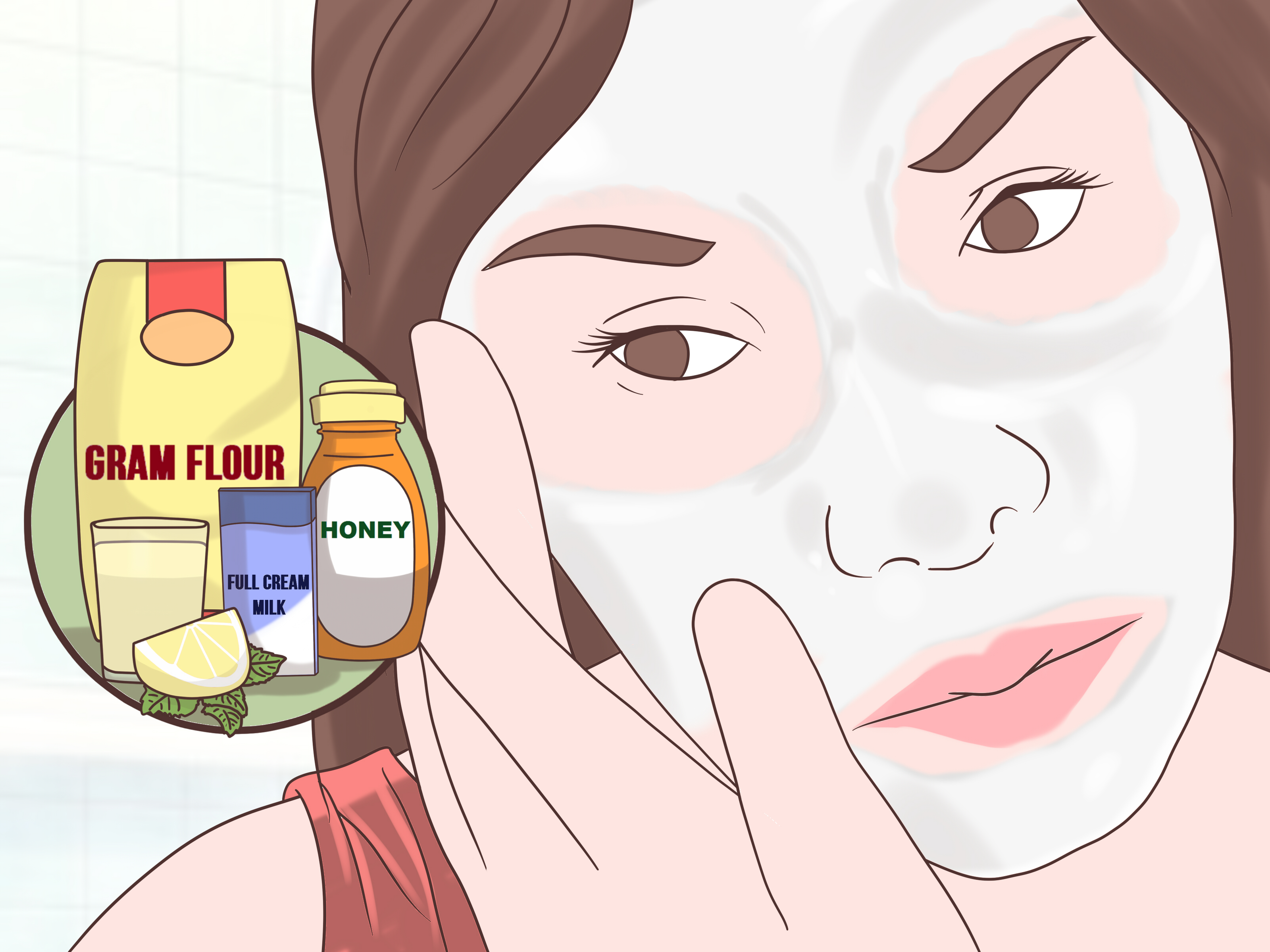
Here is where we save your face from unnecessary drama: do not assume “natural” equals safe. Lemon juice, lime juice, harsh scrubs, undiluted essential oils, and random homemade “bleach” mixtures can irritate the skin, disrupt the barrier, and even make discoloration worse. Citrus on skin plus sunlight can be a particularly rude combination.
Brightening should never feel like punishment. If something burns, stings intensely, peels aggressively, or leaves your skin angry for days, that is not your skin “purging,” “detoxing,” or “adjusting to greatness.” That is your skin filing a complaint.
Patch test first
Before trying any new product, patch test it on a small area for several days. This simple step can save you from turning a minor skin concern into a full-budget regret. New products are innocent until proven irritating.
Way #3: Help Skin Renew Itself With Gentle Exfoliation and Barrier Care
Brighter skin is not only about fading dark spots. Sometimes the issue is buildup, rough texture, dryness, or inflammation making the complexion look tired. Enter the balanced duo of gentle exfoliation and consistent moisturizing.
Exfoliate, but don’t audition for a sanding job
Gentle chemical exfoliants, such as lactic acid or other alpha hydroxy acids, can help remove surface buildup and encourage smoother-looking skin. Done carefully, exfoliation can improve the look of texture and bring back some brightness.
But more is not more. Over-exfoliating can trigger irritation, redness, and post-inflammatory pigmentation, especially if your skin is deeper-toned or sensitive. Two or three times a week is enough for many people. If your face feels tight, hot, or squeaky like a dinner plate, congratulations, you have gone too far.
Moisturize like you mean it
Dry skin can look ashy, rough, and dull. A good moisturizer helps the skin barrier stay healthy, which improves the overall look of the complexion. It also makes active ingredients more tolerable and helps reduce the temptation to attack your face with ten products at once.
Look for moisturizers with ingredients that support hydration and barrier repair. A simple routine often works best: gentle cleanser, treatment serum, moisturizer, sunscreen. That is not boring. That is efficient. Your skin appreciates efficiency.
Stop picking, scrubbing, and declaring war on your pores
If you are trying to brighten skin, one of the fastest ways to sabotage progress is to pick at pimples, rub too hard, or use abrasive tools constantly. Friction and inflammation can leave behind marks that stick around much longer than the breakout that started them. In other words, the pimple may be temporary, but the consequences can rent the space for months.
A Sample Routine for Naturally Brighter Skin
Morning
Cleanse gently. Apply vitamin C or niacinamide if your skin tolerates it. Follow with moisturizer if needed. Finish with broad-spectrum SPF 30 or higher. If you are serious about dark spots, make sunscreen the non-negotiable step, not the “I forgot but I’m wearing confidence” step.
Evening
Cleanse gently again. Use niacinamide or a mild exfoliant on selected nights. Moisturize well. Then go to sleep and let your skin handle the night shift while you do the more important work of not touching your face every seven minutes.
When to See a Dermatologist
Home care can help with mild dullness and minor uneven tone, but some issues deserve a professional opinion. See a dermatologist if you have a spot that changes quickly, a dark patch that appears suddenly, discoloration that is widespread, or marks that are not improving after a few months of careful care.
This is especially true if you have areas that are thick, itchy, painful, or unusual in shape. Some dark patches can be related to underlying health concerns, and some spots that seem cosmetic can mimic more serious problems. It is always better to ask than to guess your way through skin care with the confidence of a person who read two comments online and now believes they are a molecule scientist.
The Big Truth About “Natural Skin Bleach”
There is no safe, universal kitchen recipe that can bleach skin naturally without risk. The phrase sounds simple, but in real life it often leads to irritation, sun sensitivity, worse discoloration, or unhealthy pressure to change your natural complexion. A better goal is healthier, more even-looking skin that still looks like you.
That version of beauty is a lot less exhausting. It is also a lot kinder to your face.
Real-Life Experiences: What People Often Notice When They Stop Chasing Harsh Brightening Fixes
One of the most common experiences people describe is realizing they were trying to “fix” two different problems with one bad solution. Maybe they thought their skin needed bleaching, but what they were really seeing was sun exposure, old acne marks, or dryness. Once they switched to sunscreen, a gentle serum, and moisturizer, the mirror started telling a different story. Not overnight. Not with cinematic background music. But steadily, quietly, and in a way that felt far more believable.
Another frequent experience is irritation from DIY experiments. Someone tries lemon juice because it sounds natural. Someone else scrubs too hard because they want fast results. Someone layers six actives because a stranger online used the word “glass” to describe skin, and now the pressure is on. Then the skin barrier gets damaged, redness shows up, and the original dark marks look even more obvious. This is the frustrating part of skin care: when you panic, skin usually panics back.
People also talk about how surprisingly powerful consistency is. A basic routine sounds unimpressive on paper. Cleanse. Treat. Moisturize. Sunscreen. Repeat. It does not sound glamorous enough to star in a viral video. But after several weeks, they notice their skin looks calmer in photos, makeup sits better, and post-breakout marks fade more predictably. It turns out your skin loves routine almost as much as your phone loves low-battery warnings at the worst possible time.
There is also the emotional side. Some people begin their brightening journey thinking they need to become lighter to look better, only to realize that what made them feel better was not being lighter at all. It was having healthier skin. It was seeing less redness, less roughness, and fewer lingering marks. It was feeling comfortable leaving the house without trying to cover every spot. That shift matters. It replaces pressure with care, and shame with understanding.
And finally, many people say the biggest lesson is patience. Skin rarely rewards extremes for long. Slow progress can be annoying, but it is usually more durable. The people who get the best long-term results are often not the ones using the harshest products. They are the ones who protect their skin daily, avoid picking fights with every pore, and know when to call a dermatologist instead of turning their bathroom into a chemistry experiment. In the end, naturally brighter skin tends to come from smarter habits, not stronger punishment.
Conclusion
If you want brighter, healthier-looking skin, skip the idea of “natural bleach” and focus on three things that actually help: daily sun protection, gentle brightening ingredients like vitamin C and niacinamide, and steady barrier-friendly care with light exfoliation and moisturizer. That combination respects your natural skin tone while helping uneven areas look more balanced over time.
Your goal is not to erase your skin. Your goal is to support it. And honestly, that is a much better beauty strategy than rubbing citrus on your face and hoping for miracles.