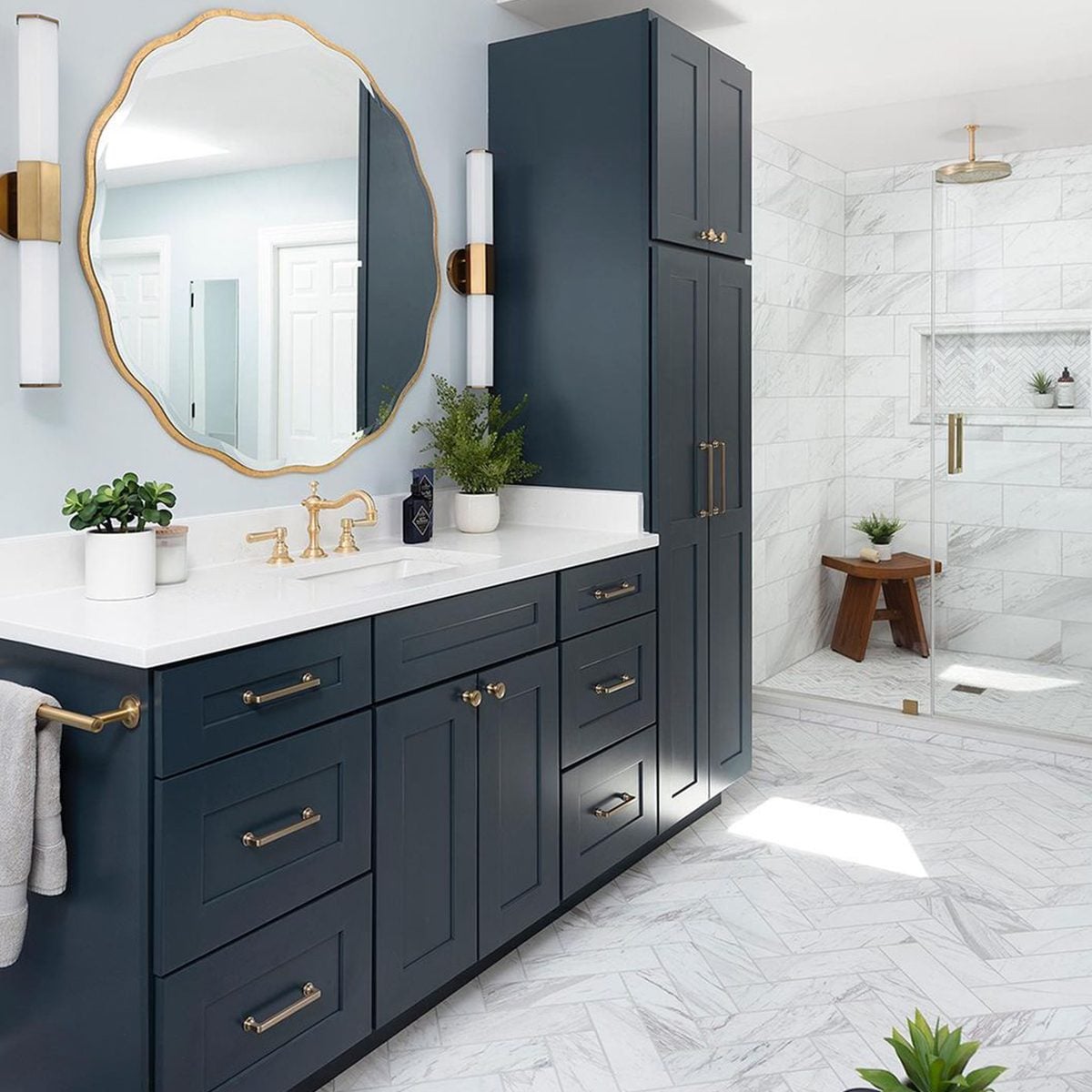

A blue bathroom vanity is the design equivalent of a crisp button-down shirt: polished, versatile, and surprisingly hard to mess up. Whether you are remodeling a tiny powder room, refreshing a guest bath, or building the spa-like primary bathroom of your dreams, a blue vanity can bring color, calm, and character without making the room feel like it joined a circus.
Blue works beautifully in bathrooms because it naturally connects with water, cleanliness, sky, and serenity. But this does not mean every blue vanity has to look coastal or nautical. Navy can feel elegant and tailored. Powder blue can look soft and vintage. Slate blue can lean modern and moody. Cobalt can bring the drama. The real trick is choosing the right shade, pairing it with the right finishes, and giving the vanity enough visual support so it looks intentional instead of random.
Below are 10 blue vanity bathroom ideas you will love, from timeless navy cabinets to playful powder-room statements. Each idea includes practical styling tips, color combinations, hardware suggestions, countertop pairings, and small-space advice so your bathroom looks less “weekend panic project” and more “designer casually dropped by.”
Why Choose a Blue Bathroom Vanity?
A blue vanity gives a bathroom a clear focal point. In many bathrooms, the vanity is the first thing people see when they walk in, so painting or choosing it in blue instantly adds personality. Unlike trendy neon shades or ultra-specific colors that can age quickly, many blues have lasting appeal. Navy, denim, slate, dusty blue, and blue-gray tones can all feel classic when balanced with white, wood, stone, or warm metal finishes.
Blue is also flexible. It can be bright and beachy, moody and luxurious, traditional and tailored, or modern and minimalist. That flexibility makes it a smart option for homeowners who want color but still care about resale value. A blue vanity is bold enough to be memorable but familiar enough that future buyers usually do not run screaming into the hallway.
10 Blue Vanity Bathroom Ideas You’ll Love
1. Classic Navy Vanity With a White Countertop
If you want a blue vanity bathroom idea that feels nearly foolproof, start with navy and white. A navy blue vanity paired with a white quartz, marble, or cultured marble countertop creates a crisp, tailored look that works in traditional, transitional, coastal, and modern bathrooms.
This combination is especially effective because the dark cabinet color grounds the room while the white surface keeps everything bright. In a small bathroom, use white walls, a white backsplash, and a large mirror to prevent the navy from feeling heavy. In a larger bathroom, you can deepen the look with navy wall paneling, patterned tile, or a dramatic blue-and-white wallpaper.
For hardware, brushed brass adds warmth and polish, while chrome creates a clean, classic finish. Matte black can also work, but use it carefully. Too many black accents with navy may make the room feel overly dark unless you balance them with bright tile and good lighting.
2. Powder Blue Vanity for a Soft Vintage Look
A powder blue vanity is charming, gentle, and perfect for bathrooms that need color without visual weight. This shade works beautifully in cottage, farmhouse, vintage, and traditional bathrooms. It is also a smart choice for small bathrooms because lighter blues reflect more light than deep navy or midnight blue.
Pair a powder blue vanity with white beadboard, polished nickel fixtures, a marble-look countertop, and a soft patterned floor tile. If you want the bathroom to feel more grown-up and less nursery-adjacent, avoid overly sweet accessories. Instead, add woven baskets, a classic framed mirror, or antique-inspired sconces.
Powder blue also plays nicely with warm neutrals. Cream walls, ivory tile, and natural wood shelves can keep the palette from feeling cold. Think “historic inn bathroom with good towels,” not “freezer aisle chic.”
3. Blue-Gray Vanity for a Calm Spa Bathroom
Blue-gray is one of the most livable vanity colors because it sits between color and neutral. It offers the relaxing quality of blue while borrowing the sophistication of gray. This makes it ideal for homeowners who want a calm bathroom that still has more personality than plain white cabinets.
A blue-gray vanity looks excellent with soft white walls, warm stone tile, brushed nickel fixtures, and pale wood accents. It can also pair with greige, taupe, or sand-colored floor tile for a more organic spa-like bathroom. If your bathroom has limited natural light, choose a blue-gray with a slightly warm undertone rather than a chilly steel-blue shade.
For a refined look, choose a shaker-style vanity with simple knobs or pulls. For a more modern bathroom, use a flat-front vanity, integrated pulls, and a thin quartz countertop. Blue-gray does not shout; it calmly clears its throat and wins the room anyway.
4. Floating Blue Vanity for a Modern Bathroom
A floating blue vanity is a strong choice for modern bathrooms and small spaces. Because it mounts to the wall and leaves floor space visible underneath, it can make the room feel lighter and more open. This is especially helpful in compact bathrooms where every inch counts.
For the cleanest effect, choose a deep navy, slate blue, or muted teal-blue floating vanity with flat-panel doors. Pair it with a vessel sink or an integrated sink top, a frameless mirror, and streamlined lighting. Large-format tile on the floor or walls can enhance the modern feeling by reducing grout lines and visual clutter.
One practical note: floating vanities need proper wall support. They look effortless, but your wall has to do some serious behind-the-scenes weightlifting. If you are installing one during a remodel, confirm that blocking or structural support is included before the tile goes up.
5. Blue Vanity With Brass Hardware
Blue and brass are a design power couple. Navy, sapphire, denim, and peacock blue all look richer when paired with warm brass or brushed gold hardware. The warmth of the metal balances blue’s cool undertones, creating a bathroom that feels elevated without trying too hard.
For a timeless look, use brass knobs or pulls, a brass faucet, and brass sconces. You do not need every metal in the room to match perfectly, but repeating brass in at least two or three places helps the design feel intentional. A navy vanity with brass pulls, a white countertop, and a brass-framed mirror is a simple formula that rarely fails.
If you are worried about brass looking too trendy, choose an unlacquered, satin, or brushed finish rather than a high-shine yellow gold. Softer brass finishes feel more classic and develop character over time. Basically, brass ages gracefully, which is more than most of us can say after a long renovation.
6. Blue Vanity With Patterned Wallpaper
A blue vanity becomes even more charming when paired with wallpaper. This idea works especially well in powder rooms, where you can take bigger design risks because the space is small and visitors do not spend an hour comparing grout lines. A navy or dusty blue vanity can anchor floral, botanical, geometric, chinoiserie, or coastal-inspired wallpaper.
To keep the room cohesive, choose wallpaper that includes a hint of the vanity color. For example, a navy vanity looks beautiful with wallpaper that has navy leaves, blue birds, or indigo linework. A soft blue vanity pairs well with cream wallpaper featuring pale blue florals or watercolor patterns.
If your bathroom has a shower or tub, use moisture-appropriate wallcovering and good ventilation. In a powder room, wallpaper is easier to maintain. Add a simple mirror and understated lighting so the vanity and wallpaper can have their moment without starting a design debate in the mirror.
7. Coastal Blue Vanity Without Going Overboard
A coastal blue vanity can be fresh and relaxing, but the goal is subtle seaside charm, not a bathroom that looks like it sells souvenir magnets. Choose ocean-inspired shades such as denim blue, sea glass blue, muted aqua, or soft navy. Pair them with white walls, natural wood, woven textures, and simple tile.
Instead of decorating with anchors, shells, and signs that say “Beach,” let the materials do the talking. A rattan mirror, linen shower curtain, sandy beige floor tile, and white quartz countertop can create a coastal mood without becoming a theme park. Chrome or polished nickel fixtures keep the space bright, while brass adds warmth.
This idea works especially well in guest bathrooms, lake houses, and homes with lots of natural light. The result should feel breezy and clean, like opening a window near the waternot like your vanity is about to ask where the nearest marina is.
8. Deep Midnight Blue Vanity for a Luxe Bathroom
For a dramatic bathroom, choose a midnight blue vanity. This shade is darker than navy and can almost read as black in low light, which gives the bathroom depth and elegance. It is a great choice for a primary bathroom, a moody guest bath, or a powder room with statement lighting.
Because midnight blue is intense, balance it with reflective surfaces. Use a light countertop, glossy tile, a large mirror, or metallic accents to bounce light around the room. Marble, quartz, and porcelain slabs with subtle veining can make the vanity look luxurious without overwhelming the space.
Lighting matters here. A single ceiling light will not do this look justice. Use layered lighting, such as sconces at face height, an overhead fixture, and possibly under-cabinet lighting if the vanity floats. Dark blue is gorgeous, but in bad lighting it can go from “boutique hotel” to “where did I put my toothbrush?” very quickly.
9. Blue Double Vanity for a Family Bathroom
A blue double vanity can bring order and style to a busy family bathroom. If two people are brushing teeth, hunting for hair ties, and negotiating sink territory every morning, a double vanity gives everyone a little breathing room. Painting it blue or choosing a blue cabinet finish makes the storage-heavy piece feel decorative instead of bulky.
For family bathrooms, prioritize durable finishes. Quartz countertops, easy-clean sinks, soft-close drawers, and moisture-resistant cabinet finishes are your friends. A medium blue or blue-gray vanity can hide small smudges better than white while still looking fresh.
Use drawer organizers inside the vanity so daily items do not turn into a chaotic archaeology site. If children use the bathroom, consider a satin or semi-gloss cabinet finish that can handle wipe-downs. Add two mirrors or one long mirror above the vanity, depending on the look you prefer. Two mirrors often feel more tailored; one wide mirror can make the room look larger.
10. Blue Vanity With Blue Tile for a Monochromatic Look
For a designer-level bathroom, pair a blue vanity with blue tile. The key is to vary the shade, texture, or finish so the room has depth. For example, combine a navy vanity with glossy sky-blue subway tile, or pair a dusty blue vanity with handmade zellige-style tile in a slightly lighter tone.
A monochromatic blue bathroom can feel calm, immersive, and high-end when done well. Keep the countertop simple, choose one main metal finish, and limit extra colors. White, cream, warm wood, and brass are excellent supporting players. If you want the look to feel modern, use large-format blue tile or vertical stacked tile behind the vanity. If you want more character, try handmade tile with natural variation.
This idea is best for homeowners who truly love blue. If you are only mildly flirting with the color, start with the vanity alone. If you are fully committed, blue-on-blue can be stunning. It is basically the bathroom saying, “Yes, I have a color palette, and no, I will not be taking questions.”
Best Colors to Pair With a Blue Bathroom Vanity
The right supporting colors can make a blue vanity look expensive, balanced, and intentional. White is the easiest pairing because it creates contrast and keeps the bathroom bright. Warm white feels softer than stark white and works especially well with navy, slate, and blue-gray vanities.
Natural wood is another excellent partner. Oak, walnut, bamboo, and teak accents warm up blue cabinets and prevent the bathroom from feeling cold. Use wood through shelving, mirror frames, stools, or storage accessories. For a spa-inspired look, combine a blue-gray vanity with light wood and stone tile.
Neutral tones such as beige, taupe, greige, and sand also pair beautifully with blue. They create a more relaxed effect than pure white and are great for homeowners who want a softer, more organic bathroom. For a bolder palette, try blue with terracotta, blush, charcoal, emerald, or patterned wallpaper that includes blue accents.
Best Countertops for Blue Vanities
White quartz is one of the most practical countertop choices for a blue bathroom vanity. It is durable, bright, and easy to coordinate with many tile styles. Marble offers a more luxurious look, especially with navy or midnight blue cabinets, though it requires more maintenance than quartz.
For a warmer design, consider cream quartz, beige stone, or a countertop with subtle gold or gray veining. These options soften the contrast and work well with brass hardware. If you want a modern look, a thin-profile countertop with an integrated sink can make a blue vanity feel sleek and architectural.
Avoid countertop patterns that fight with the vanity color. If the blue cabinet is the star, the countertop should support it, not audition for its own reality show.
Hardware and Faucet Finishes That Work With Blue Vanities
Brass and brushed gold bring warmth and elegance to blue vanities. They are especially attractive with navy, cobalt, and deep teal-blue cabinets. Chrome and polished nickel create a clean, timeless look and work well with powder blue, blue-gray, and coastal blue vanities. Matte black can create contrast, especially in modern bathrooms, but it should be repeated in lighting, mirror frames, or shower fixtures to feel connected.
When choosing pulls or knobs, consider the vanity style. Shaker cabinets look great with simple knobs, cup pulls, or bar pulls. Flat-front cabinets pair best with sleek linear hardware or integrated pulls. Furniture-style vanities can handle more decorative hardware, especially in traditional or vintage-inspired bathrooms.
Small Bathroom Tips for Blue Vanities
Blue vanities can work in small bathrooms, but scale matters. In a tiny powder room, a navy vanity can look dramatic and sophisticated if the walls are light, the mirror is generous, and the lighting is strong. In a narrow bathroom, a floating vanity or a vanity with open legs can make the floor area feel less cramped.
Use vertical details to make the room feel taller. A tall mirror, vertical tile, or slim sconces can draw the eye upward. Keep clutter hidden with drawers, medicine cabinets, recessed storage, or baskets. A beautiful blue vanity loses some magic when it is covered in toothpaste, cotton swabs, and three mystery bottles no one admits buying.
If the bathroom has no window, test paint samples or cabinet finish samples under your actual bathroom lighting. Blue can shift dramatically depending on light temperature. A cheerful denim blue in a showroom might turn gloomy under a weak yellow bulb.
Painted vs. Pre-Made Blue Vanity: Which Is Better?
If your current vanity is in good structural condition, painting it blue can be a budget-friendly way to transform the bathroom. Sanding, priming, and using the right cabinet-grade paint are essential. Bathroom cabinets deal with humidity, splashes, and frequent cleaning, so this is not the place for lazy prep work. Your vanity will know, and it will peel in revenge.
A pre-made blue vanity is a better option if your existing cabinet is damaged, poorly sized, or lacking storage. Many ready-made vanities now come in navy, powder blue, teal, and blue-gray finishes. Look for solid construction, soft-close drawers, moisture-resistant finishes, and a countertop that suits your maintenance preferences.
Custom vanities offer the most flexibility. You can choose the exact shade of blue, storage layout, hardware, toe-kick style, and countertop. This is ideal for awkward bathrooms or primary bathrooms where the vanity needs to work hard every day.
Experience-Based Advice: What to Know Before Choosing a Blue Vanity
After looking at dozens of bathroom remodels and real-life blue vanity projects, one lesson becomes clear: the shade of blue is only half the decision. The surrounding finishes are what determine whether the vanity feels timeless, trendy, cozy, dramatic, or slightly confused.
One common mistake is choosing a blue vanity from a tiny online image without checking how it looks in the actual bathroom. Blue is sensitive to light. In a bright room, navy can look rich and elegant. In a dim room, the same navy can look almost black. Powder blue can look fresh in daylight but too pastel under warm bulbs. Before committing, bring home a sample door, paint swatch, or peel-and-stick sample. View it in the morning, afternoon, and evening. This sounds fussy until you realize the vanity is not a throw pillow. You cannot just toss it in a closet when it annoys you.
Another practical experience: hardware changes everything. A navy vanity with brass hardware feels warm and luxurious. The same vanity with chrome feels crisp and classic. With matte black, it becomes more modern and graphic. If the vanity feels “almost right,” try changing the hardware before changing the entire color plan.
Storage should also be part of the design conversation from the beginning. A beautiful blue vanity with poor storage will eventually become a beautiful blue frustration cabinet. Drawers are often more useful than deep doors because they let you see everything at once. For a family bathroom, consider divided drawers, built-in outlets, pull-out organizers, and enough counter space for daily routines. In a powder room, you can focus more on style because storage demands are lighter.
Countertop selection is another place where experience saves headaches. White quartz is popular for a reason: it brightens the vanity, resists stains, and pairs with almost every blue. Marble is gorgeous, but it can etch or stain if you are not careful. In a bathroom used by children, guests, or anyone who treats toothpaste like abstract art, quartz may be the calmer choice.
Do not forget the mirror. A mirror that is too small can make the vanity look awkward, like it borrowed a hat from a toddler. A mirror that is roughly proportional to the vanity usually feels more balanced. Round mirrors soften a boxy vanity, while rectangular mirrors provide a clean, practical look. In a double vanity setup, two individual mirrors can create symmetry, while one long mirror can make the room feel wider.
Finally, blue vanities look best when the bathroom has a clear design direction. You do not need a rigid theme, but you do need consistency. If the vanity is navy and traditional, lean into classic lighting, white tile, and polished finishes. If it is a floating slate-blue vanity, keep the lines clean and the accessories minimal. If it is powder blue and vintage-inspired, add charm through beadboard, soft wallpaper, or antique-style hardware. When every element speaks the same design language, the bathroom feels finished rather than assembled during three separate sales.
The biggest takeaway is simple: choose a blue you genuinely love, support it with balanced materials, and design for real life. A bathroom has to look good at 8 p.m. when the candles are lit, but it also has to function at 7 a.m. when someone is late, the hair dryer is roaring, and the sink area looks like a grooming tornado passed through. A great blue vanity can handle both beauty and chaos with style.
Conclusion
A blue bathroom vanity is one of the most effective ways to add color, personality, and polish to a bathroom without overwhelming the space. From classic navy with white quartz to soft powder blue, modern floating designs, brass-accented vanities, and dramatic blue-on-blue tile combinations, there is a version of this look for nearly every home style.
The key is balance. Choose a shade of blue that matches the mood you want, then pair it with the right countertop, hardware, mirror, tile, and lighting. Navy feels timeless and tailored. Blue-gray feels calm and spa-like. Powder blue feels soft and charming. Midnight blue brings drama. When styled thoughtfully, a blue vanity can make your bathroom feel fresh, finished, and wonderfully personal.
Note: This article is written in original American English for web publishing and is based on current bathroom design principles, real remodeling trends, and practical vanity styling experience.